


Why your grass seed is not germinating — the most common causes and how to fix them
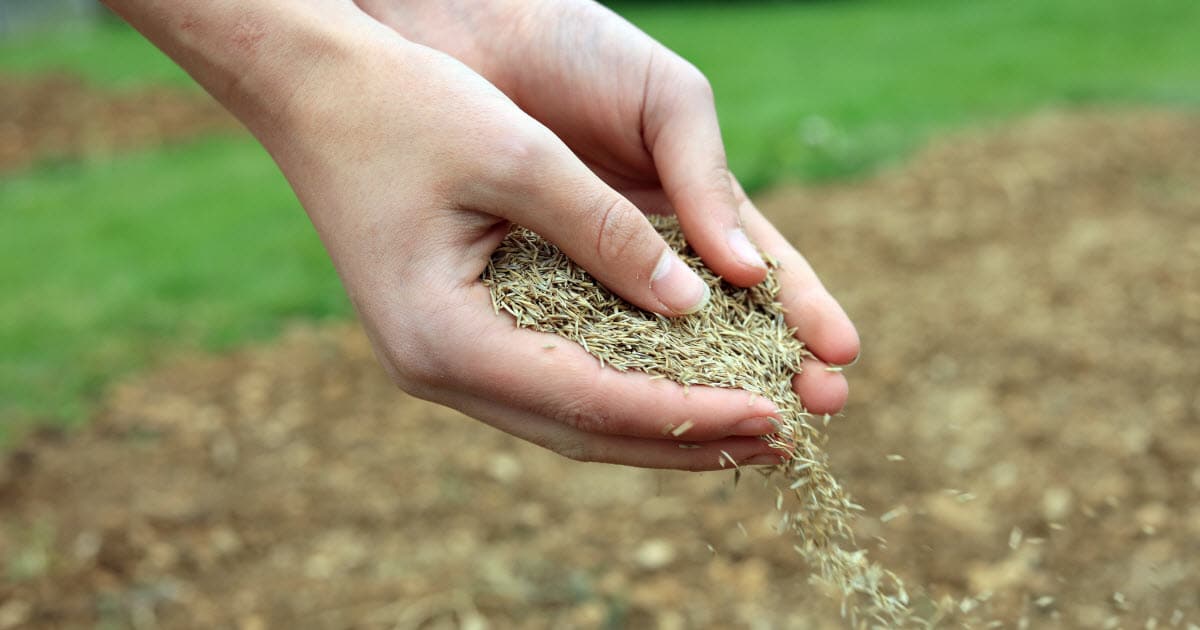
You put seed down, you watered it, you waited — and nothing happened. Or something happened in some spots but not others and the result looks nothing like the thick even lawn you were expecting. Germination failure or partial germination is one of the most frustrating experiences a homeowner can have after investing in a new lawn, and it happens more often than it should — almost always for reasons that were preventable.
This guide covers the most common reasons grass seed fails to germinate in Texas, what to look for in your specific situation, and what you can do to fix the problem or prevent it from happening again.
First: how long should you actually wait before worrying
Before diagnosing a germination problem it is worth making sure you are actually past the normal germination window for your seed type. Many homeowners start troubleshooting on day four or five when the normal germination timeline for their grass has not even begun yet.
Bermudagrass typically germinates in seven to fourteen days under good conditions. Tall Fescue germinates faster — usually five to ten days in appropriate soil temperatures. Buffalograss is the slowest of the common Texas options and can take two to three weeks or longer to show consistent germination.
If you are within the normal window for your seed type and conditions look otherwise good — the seed bed is moist, the temperature is appropriate, no obvious problems are visible — give it more time before concluding something is wrong. Germination that feels slow is often just normal.
If you are past the two week mark with little to no visible germination across the majority of the seeded area, something is likely wrong and it is worth working through the causes below.
Cause one: insufficient or inconsistent watering
This is the cause of the majority of germination failures in Texas and the first thing to assess honestly before looking at anything else. Grass seed needs consistent surface moisture to germinate — not occasional watering, not watering until it looks wet and then stopping for two days, but genuinely consistent moisture maintained through the entire germination window.
In Texas conditions — particularly during spring and summer in the DFW area — the combination of heat, low humidity, and wind can dry out a seed bed in hours. A watering schedule that feels adequate may not be keeping up with evaporation during the hottest parts of the day.
The fix is straightforward but requires commitment. Increase watering frequency to two to three times per day during the first two weeks and check the seed bed condition between sessions. The surface should feel consistently moist to the touch — not saturated, not dry. If it is drying out between sessions in Texas heat, add a session or extend session duration until you find the frequency that maintains consistent moisture.
If inconsistent watering has already caused significant seed loss — if the seed bed dried out completely for multiple days during the germination window — the viability of the remaining seed may be compromised and a reapplication may be needed.
Cause two: wrong soil temperature for the seed type
Grass seed germinates on soil temperature, not air temperature and not calendar date. Planting the right seed at the wrong time of year in Texas produces slow, inconsistent, or complete germination failure depending on how far off the temperature is from what the seed needs.
Bermudagrass needs soil temperatures consistently above 65 degrees Fahrenheit to germinate reliably. Soil temperatures in the DFW area typically reach that threshold in late March to mid-April depending on the year — but air temperatures can feel warm weeks before the soil catches up. Homeowners who seed Bermuda in late February or early March based on warm air temperatures often find that germination is slow and uneven because the soil is still too cool.
Tall Fescue has the opposite problem in Texas. It germinates best between 50 and 65 degrees Fahrenheit — conditions that exist in fall and early spring in North Texas. Fescue seeded in June or July goes into soil that is far too warm for reliable germination, and most of it fails before it ever sprouts.
The fix for a soil temperature mismatch is timing. If you seeded at the wrong time of year for your grass type, the most practical path forward is often to wait for the appropriate seasonal window and reseed rather than continuing to water seed that is unlikely to germinate in the current conditions.
A soil thermometer — available at most garden centers — gives you accurate soil temperature data so you can time future seeding correctly rather than guessing based on air temperature or calendar date.
Cause three: poor seed-to-soil contact
Grass seed needs direct contact with the soil surface to germinate reliably. Seed that is sitting on top of thatch, mulch, debris, or hard compacted ground without actually touching soil has significantly lower germination rates than seed that is in direct contact with a workable soil surface.
This is one of the primary reasons hydroseeding outperforms broadcast seeding on most Texas lawns — the slurry delivers seed in direct contact with a moisture-retaining layer that is itself in contact with the soil, rather than seed scattered loosely across whatever surface exists. But even hydroseeding produces poor results when applied over significant thatch buildup, construction debris in the surface layer, or soil that is so compacted the slurry cannot bond to it effectively.
For broadcast seeding specifically, poor seed-to-soil contact is the most common reason for patchy germination on otherwise well-watered lawns. Seed that lands on thatch or dry surface debris instead of soil simply does not germinate at the same rate as seed that touches the ground.
The fix before reseeding is proper surface preparation — dethatching, removing debris, loosening compacted surface soil with aeration or light raking — to create a workable seed bed with genuine soil contact available across the full seeded area.
Cause four: compacted soil
Compacted soil creates germination problems in two ways. First, it reduces seed-to-soil contact by presenting a surface that is too hard for seed to settle into or for the slurry to bond with effectively. Second, it prevents the root development that needs to follow germination — a seed may sprout but then fail to establish because the emerging root cannot penetrate the compacted layer beneath the surface.
In the DFW area, clay soil compaction is one of the most consistent challenges to lawn establishment. New construction lots, high-traffic areas, and yards that have been neglected for years can have surface compaction severe enough to significantly inhibit germination and early root development.
Signs of compaction include soil that is very hard underfoot, water that runs off the surface rather than soaking in after rain or irrigation, and grass that thins out progressively in high-traffic areas even with adequate water and fertilizer.
The fix for compaction is mechanical — aeration before reseeding opens up pore space, improves seed-to-soil contact, and creates channels for young roots to penetrate. On severely compacted new construction lots, more extensive prep — skid steer grading, topsoil addition — may be needed before reseeding produces reliable results.
Cause five: poor seed quality
Not all grass seed sold in Texas is the same quality, and seed quality directly affects germination rates. Old seed that has been improperly stored loses viability over time. Low-cost seed mixes often contain a high percentage of inert material or weed seed mixed in with the desired grass varieties. Seed that was damaged by heat, moisture, or improper handling before it reached the bag has lower germination potential regardless of the label.
If you purchased seed from an unknown source, noticed it smelled musty or unusual when you opened the bag, or bought a no-name mix at a very low price, seed quality may be contributing to poor germination.
The fix is using quality seed from a reputable source for any reseeding. When working with a professional hydroseeding contractor, ask about the seed source and germination rate specifications on the seed being used in your application. A contractor who cannot answer that question clearly is worth questioning.
Cause six: shade blocking germination
Shade creates germination problems in two ways — it reduces soil temperature in shaded areas, which slows or prevents germination of warm-season grasses that need heat to activate, and it creates ongoing growing conditions that some grass types simply cannot compete in after germination.
If your germination failure is patterned — thin or absent in shaded areas under trees or structures, normal in sunny areas — shade is almost certainly the cause. Bermudagrass needs six to eight hours of direct sun per day to perform well. Seeding Bermuda in a heavily shaded area will produce poor germination and even poorer long-term results as the grass struggles to survive without adequate sunlight.
The fix for shade-related germination failure is switching to a shade-tolerant grass variety — Tall Fescue is the most practical option for North Texas shaded areas — rather than reseeding with the same warm-season mix that failed. Continuing to reseed a shaded area with Bermuda expecting different results is a definition of wasted effort.
Cause seven: heavy rain or runoff after application
Significant rainfall in the first 24 to 48 hours after hydroseeding — particularly on slopes or areas with drainage concerns — can displace the slurry before the mulch layer has had time to bond to the soil. When this happens, seed washes off the surface along with the mulch, leaving areas of bare soil that will not germinate regardless of subsequent watering.
Signs of rain-related displacement include visible channels or bare areas where the slurry has washed away, accumulation of mulch material in low spots or at drainage outlets, and areas where the surface looks clearly disturbed compared to adjacent sections.
The fix for significant runoff displacement is a touchup application on the affected areas once conditions stabilize. Contact your contractor as soon as you notice significant washout — the sooner a touchup is applied, the better the chances of getting germination on those areas within the same establishment window as the rest of the lawn.
Cause eight: buried or smothered seed
Seed that has been buried too deep below the soil surface — either by heavy topdressing after application, excessive thatch that falls over the seed, or soil disturbance that covers the seed layer — will not germinate. Most grass seed germinates best at or near the soil surface, where light and oxygen are available. Buried seed may not have enough energy reserves to push through a thick layer of material above it before it exhausts itself.
This situation comes up most often when homeowners add topsoil or heavy topdressing on top of broadcast seed after application, or when seeds applied to an uneven surface end up accumulating in low spots where they get covered by eroding material from surrounding areas.
The fix is surface preparation before reseeding — creating a level, workable seed bed before application so seed ends up at or near the surface rather than buried under material.
How to decide between troubleshooting and reseeding
Not every germination problem requires starting over. The right approach depends on how far you are into the germination window and how significant the failure is.
If you are still within the two week germination window and the problem is watering related, correcting the watering schedule and giving the remaining seed more time is the right first step. Seed that has been kept consistently moist but has not yet germinated may still be viable.
If you are past two weeks with widespread germination failure across the majority of the seeded area, the seed viability window has likely closed and a reapplication is the most practical path forward. Continuing to water dead seed does not produce germination.
For patchy results — good coverage in some areas, bare or thin in others — assess the pattern of the failure to identify the cause before reseeding. Reseeding without addressing the underlying cause produces the same patchy result.
The bottom line on germination failure
Most grass seed germination failures in Texas are caused by one or more of the same recurring problems — inconsistent watering, timing mismatches with soil temperature, poor seed-to-soil contact, compaction, shade, or washout. None of these causes are mysterious and all of them are either preventable with proper planning or fixable with the right corrective action.
Understanding what went wrong before reseeding is the difference between fixing the problem and repeating it.

Dealing with a hydroseeding or seeding result that did not come out the way you expected?
Fox Hydroseeding LLC assesses every situation personally and gives you an honest evaluation of what happened and what the right next step is — whether that is a touchup, a full reapplication, or a soil prep correction before reseeding.
Get Your Free Estimate → foxhydroseeding.com/contact
Bring Your Property to Life With Expert Hydroseeding
Find Us On


Email address

Phone Number

