


Why some yards grow great grass and others never seem to — the honest explanation
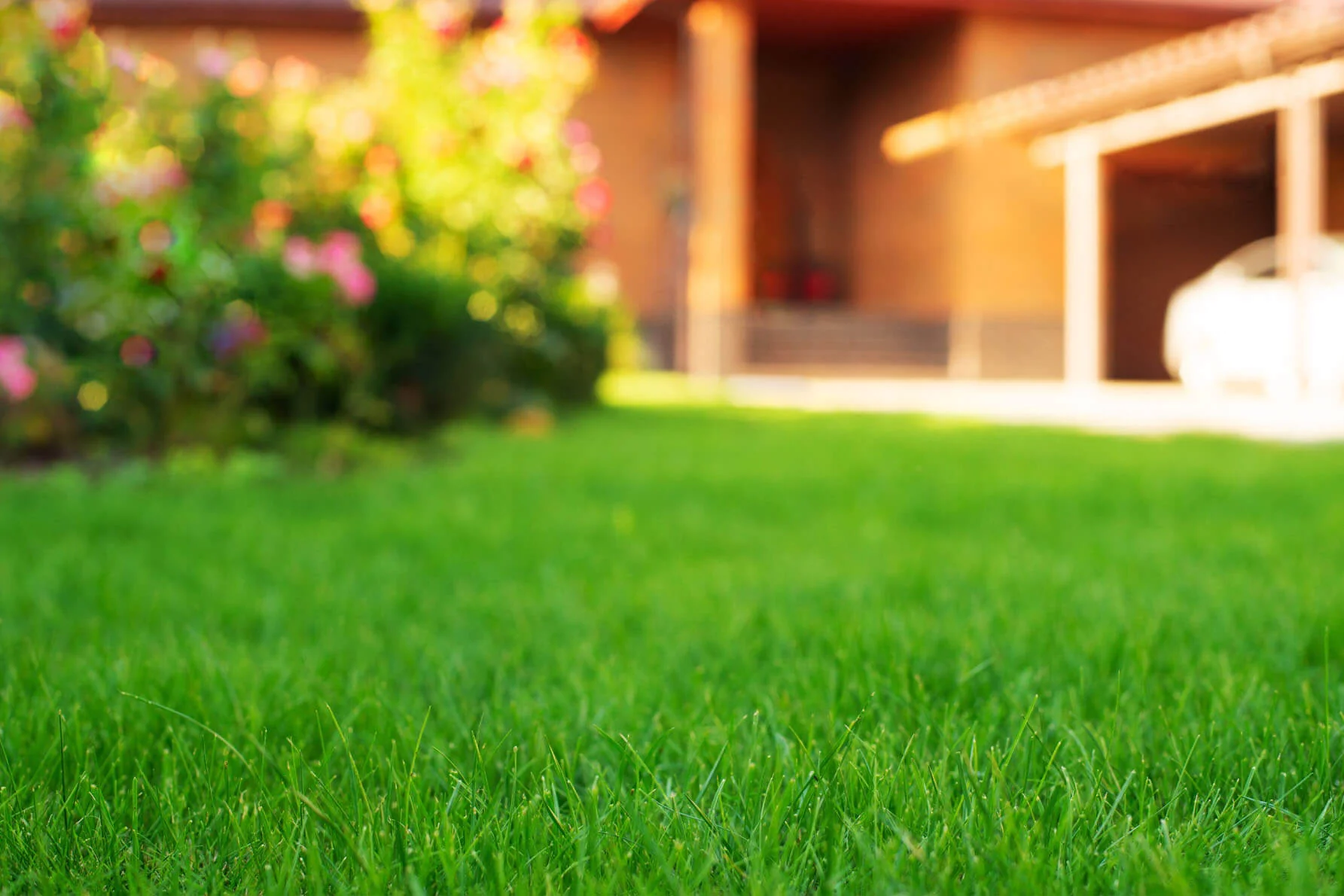
You have seen it in your neighborhood. Two houses side by side — same street same general conditions same Texas summer — and one yard is thick uniform and green while the other is the one you do not want to live at. The homeowner at the struggling yard is not neglecting it. They water it. They put down seed. They try things. And yet the lawn across the street keeps looking better while theirs keeps looking the same.
The explanation is almost never what most people assume. It is not that some people are better gardeners or have more natural talent for lawn care. It is not luck or random variation in soil that nobody can explain. It has specific identifiable causes — and once you understand what those causes are the gap between the great lawn and the struggling one stops looking like a mystery and starts looking like a fixable problem.
The visible lawn is only half of what determines the result
The most important thing to understand about the difference between thriving lawns and struggling ones is that most of what determines the outcome is invisible from above. The grass blades the color the coverage — these are the outputs of what is happening underneath. The soil structure the root depth the drainage the organic matter content — these are the inputs that determine whether the visible lawn looks the way it does.
Two yards with identical visible conditions — same grass type same sun exposure same watering schedule — produce dramatically different results when the soil underneath is different. The yard with deep loose soil adequate organic matter and good drainage produces dense deep-rooted grass that handles drought heat and wear with composure. The yard with compacted clay minimal organic matter and poor drainage produces shallow-rooted thin grass that struggles through every Texas summer and never achieves the density the homeowner is after.
The homeowner who improves the visible conditions — better seed more watering different fertilizer — without addressing the invisible conditions gets marginal improvement that never closes the gap with the neighbor whose invisible conditions were right from the beginning or were addressed before the lawn was established.
The establishment story that nobody sees
The great lawn that you admire in your neighborhood had a beginning. What happened during that beginning — how the soil was prepared what grass was planted and when how the establishment period was managed — is the story that explains most of the difference between that lawn and a struggling one.
Great lawns almost universally started on properly prepared soil. Before the first seed went down the compaction was addressed the topsoil was in acceptable condition the drainage was corrected and the seed bed was created rather than assumed. The establishment that followed was onto a surface that supported root development rather than one that kept roots shallow and stressed from the first growing season.
Struggling lawns almost universally started on inadequate preparation or no preparation. The seed went on whatever surface existed — compacted construction subsoil on a new build lot bare clay without organic matter or a renovated section that got broadcast seeded without addressing the thatch and compaction that made previous seedings fail. The establishment was onto a surface that produced shallow roots and thin coverage from day one and the lawn has been playing catch-up ever since.
Nobody in the neighborhood sees the preparation work that happened before the great lawn was established. They only see the result. The homeowner at the struggling yard compares their effort to the neighbor's apparent effortlessness and concludes that something is wrong with their specific yard — when what is actually different is the preparation investment that preceded the neighbor's establishment.
Root depth is the variable that explains most performance differences
If you could measure the root depth of both lawns the difference in depth would explain most of the difference in appearance. The great lawn has roots that extend six to eight inches or deeper into the soil profile. The struggling lawn has roots in the top two to three inches.
That root depth difference produces every visible performance difference. The deep-rooted lawn accesses moisture from a much larger volume of soil — it tolerates dry periods that leave the shallow-rooted lawn showing drought stress within days. The deep-rooted lawn accesses the cooler soil temperatures below the surface heat zone — it handles peak summer heat with composure that the shallow-rooted lawn cannot match because its roots are sitting in the hottest driest part of the soil profile. The deep-rooted lawn recovers from wear damage faster — the root reserve that supports regrowth is proportional to root mass and the deep roots provide more recovery capacity.
Root depth is a product of two things working together. The soil condition that allowed roots to develop deep — loose uncompacted soil with adequate organic matter that roots could penetrate. And the watering practices that encouraged roots to grow down — deep infrequent sessions that made moisture available deep in the profile rather than shallow frequent sessions that kept moisture only at the surface.
The great lawn got both of those right. The struggling lawn got neither or only one.
The grass match that most people never check
Another variable that explains yard-to-yard performance differences that look mysterious from the outside is the match between the grass type and the specific conditions of each yard.
The neighbor with the thriving lawn may have Bermuda that is in full sun all day — the conditions that Bermuda evolved for. The homeowner with the struggling lawn may have the same Bermuda in a yard that gets four hours of direct sun because of mature trees and fence orientation. The Bermuda in the neighbor's yard is growing in ideal conditions. The Bermuda in the struggling yard is growing in conditions where it cannot maintain the density and vigor that it produces in full sun.
The performance difference looks like a soil or water or fertilizer difference. It is actually a light difference that no amount of watering or feeding can overcome because the grass in the struggling yard is working against its fundamental biology rather than with it.
The lawn care conversation that most homeowners never have — the honest assessment of whether the grass type they are trying to grow actually matches the light conditions of the sections where it is planted — is the conversation that resolves a large portion of the yard-to-yard performance mystery.
The first-year management that compounds forward
The great lawn had a first year that looks different from the struggling lawn's first year in ways that compound through every subsequent season.
In year one of the great lawn deep consistent watering built root depth progressively through the growing season. Each watering session that penetrated below the previous week's depth was training roots to grow downward into the cooler moister soil below the surface. By the end of year one the root system had developed the depth that makes drought resilience possible. Year two was easier than year one. Year three was easier than year two. The lawn improved with each season.
In year one of the struggling lawn watering was inconsistent or shallow. Maybe the schedule was managed around busy weeks and hot months rather than around the germination and root development needs of the grass. Maybe the watering felt adequate because the lawn looked okay — without the understanding that okay-looking shallow-rooted grass was developing the vulnerability that would show up as summer stress in year two.
The investment in year one management produces compounding returns in years two three and beyond. The neglect of year one management produces compounding deficits — the shallow roots of year one become the drought stress of year two become the renovation need of year three.
What the neighbor knows that the struggling homeowner has not been told
The honest synthesis of everything above is this — the neighbor with the great lawn probably had better information at the start than the homeowner with the struggling one. They knew that preparation mattered before the seed went down. They understood that root depth was the variable to invest in through the first growing season. They matched their grass to their actual light conditions. They committed to the establishment period rather than treating the first four weeks casually.
This information is not secret or arcane. It is not the product of special talent. It is the product of either good advice before starting or experience learning from a previous lawn that did not go well. The homeowner who gets this information before starting their next lawn project is in the same position the neighbor was in when they started the great lawn — set up for success rather than for another cycle of trying things that produce disappointing results.
What to do with this information
If your lawn is currently the struggling one and the neighbor's is the great one the path from where you are to where they are is not complicated. It is specific.
Assess the soil condition honestly. If it is compacted address the compaction before the next seeding attempt. If it lacks organic matter add topsoil before the next application. If drainage is creating chronic wet or dry zones correct the drainage before the next seed goes down.
Assess the grass type match honestly. If your sun-limited sections keep failing with Bermuda change to Fescue in those sections rather than reseeding Bermuda that will fail again.
When you establish the next lawn commit to the watering practices that build root depth rather than maintain surface moisture. Deep infrequent sessions that make moisture available at depth rather than shallow frequent sessions that keep roots near the surface.
Protect the establishment period fully. Four weeks of foot traffic and pet restriction is the investment that produces the root anchoring that makes the difference between a lawn that establishes with lasting density and one that looks promising for a season and then thins.
These are the inputs that produce the great lawn. They are available to every homeowner with a struggling yard. The neighbor did not get lucky — they got the preparation and the establishment right. Now you can too.
The bottom line on why some yards grow great grass
The difference between the great lawn and the struggling one is almost never the grass seed the fertilizer the watering schedule or the homeowner's dedication. It is the preparation that preceded the establishment the root depth that the first-year management built and the grass type match to the actual conditions of each section of the yard.
These are fixable variables. The great lawn that looks effortless from the street represents the investment made before it was visible — the preparation the establishment and the first-year management that produced the lawn the neighbor now maintains.

Want to understand what your specific yard needs to grow the kind of grass you have been trying to get?
Fox Hydroseeding LLC personally assesses every property and gives you an honest evaluation of what has been limiting your results and what the right approach looks like for your specific conditions. Every estimate is handled by the owner.
Get Your Free Estimate → foxhydroseeding.com/contact
Bring Your Property to Life With Expert Hydroseeding
Find Us On


Email address

Phone Number

