


What to expect when you call a hydroseeding company — a first-timer's complete guide
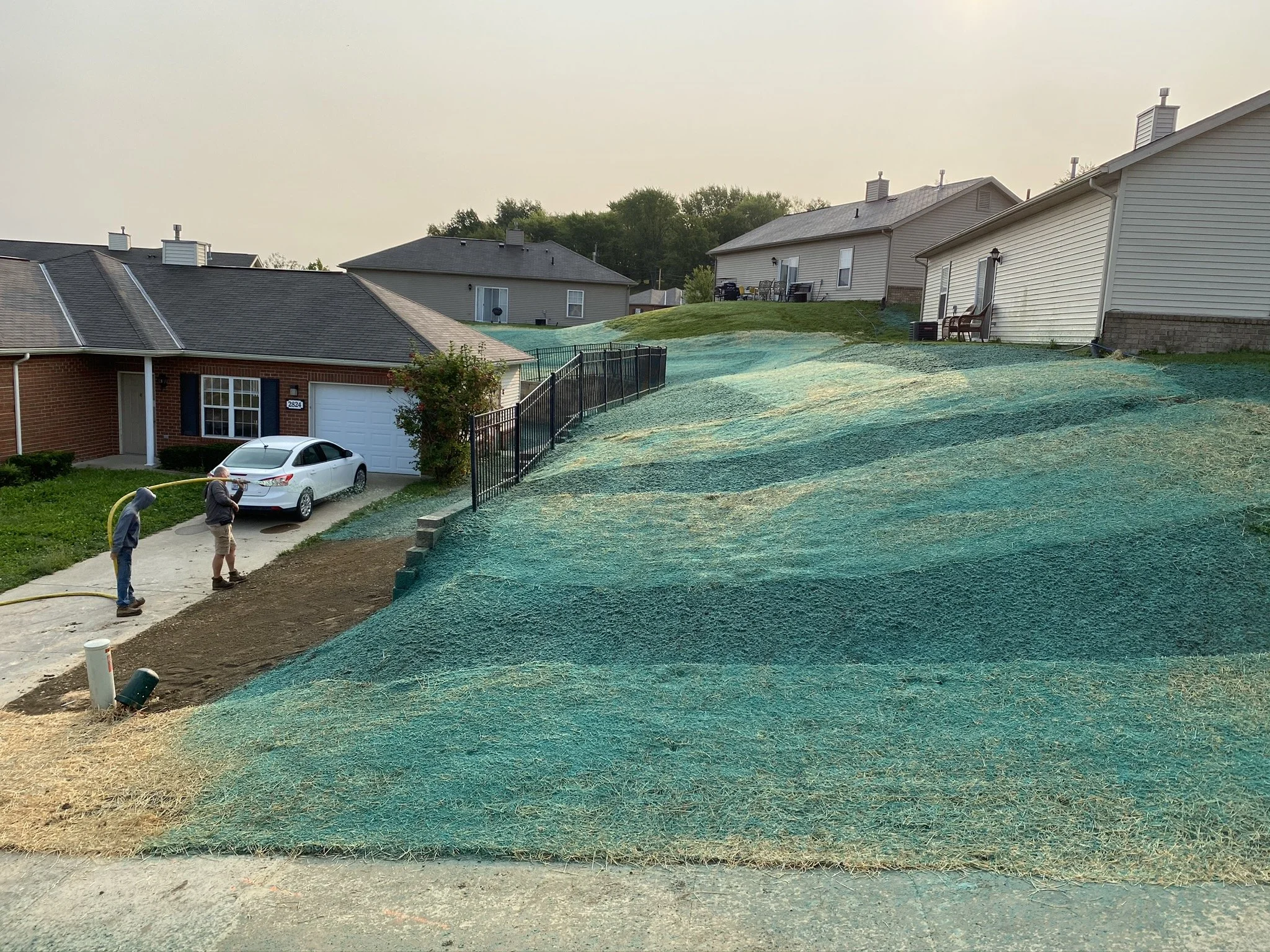
If you have never hired a hydroseeding company before the process probably feels a little unfamiliar. You know you want grass. You have done some research and hydroseeding seems like the right approach. But you are not entirely sure what happens when you make that first call what the estimate visit looks like what questions you should be asking or what the experience from start to finish is supposed to feel like.
This guide removes all of that uncertainty. It walks you through every step of the process from the first contact through the completed established lawn — so you know exactly what to expect what is normal and what would be a reason to pause before moving forward.
Step one: the first contact
The process starts with a phone call an email or a contact form submission. For most hydroseeding companies this initial contact is handled quickly — within a business day in most cases for owner-operated contractors who are managing their own communications.
In the first contact you should be able to share the basic information about your project — your location the approximate size of the area to be seeded your grass type preference if you have one and your general timeline. The company should be able to tell you whether your project is within their service area and give you an indication of their current availability for estimates and applications.
What a good first contact feels like: responsive clear and professionally interested in understanding your project rather than immediately quoting a price. A contractor who asks follow-up questions in the first conversation — about your soil conditions the current state of the yard whether there is existing vegetation to address — is demonstrating the engagement that quality estimate visits reflect.
What a concerning first contact looks like: an immediate price quote without seeing your property or asking any questions about its specific conditions. A price per square foot delivered over the phone without a site visit is a rough ballpark at best and a reflection of an approach that does not account for the site-specific variables that determine what your project actually requires.
Step two: the estimate visit
The estimate visit is the most important step in the process and the one where you get the most information about whether this is the right contractor for your project.
A quality estimate visit starts with the contractor walking the full yard — not just the front section or the most visible area but the entire space to be seeded. They should be assessing the soil condition noting the grade and drainage patterns observing the sun exposure across different sections identifying any site preparation needs and asking questions about your goals your timeline and your grass type preferences.
This walkthrough typically takes fifteen to thirty minutes depending on the property size and complexity. It is your opportunity to ask the questions that will determine whether you hire this contractor and to evaluate how they respond.
Questions worth asking during the estimate visit:
What grass type are you recommending and why. The answer should reference your specific yard conditions — your sun exposure the time of year the intended use — not a generic preference.
What mulch product will you be using and why. The answer should explain the product choice in the context of your site conditions — standard hydromulch for a flat residential lot BFM for a slope that warrants it.
What site preparation does my yard need and is it included in the estimate. The answer should address your specific yard conditions honestly — not every yard needs the same preparation and a contractor who gives you the same answer regardless of what they observed in the walkthrough is not assessing your property individually.
What should I realistically expect in terms of germination timeline and establishment. The answer should be specific to your grass type the current season and the soil temperature conditions — not a generic number that applies to every project.
What do I need to do after the application. A good contractor walks you through the aftercare expectations before you accept the estimate — not as a handout on application day.
Step three: the written estimate
After the walkthrough the contractor should provide a written estimate that clearly describes what is being quoted. The estimate should include the square footage being covered the seed type and specification the mulch product the site preparation scope included and the total price.
A written estimate protects both parties. It documents what the contractor committed to deliver and gives you the basis for comparing quotes from multiple contractors on the same terms. A contractor who is reluctant to provide a written estimate or who provides only a verbal number is not operating at the professional standard that a significant lawn investment deserves.
Read the estimate carefully before accepting it. Confirm that the seed type and mulch product are specified — not just grass seed and standard mulch without detail. Confirm that the site preparation scope is clearly described — what is included and what would be additional if needed. Confirm that the total price matches the conversation from the estimate visit.
If anything is unclear in the written estimate ask for clarification before signing. The estimate is the commitment document — ambiguity in the estimate becomes a dispute after the job.
Step four: scheduling and preparation
After accepting the estimate the contractor will schedule the application date. Good contractors book out by days to weeks depending on the season — spring and fall are the busiest seasons in the DFW market and popular contractors may have calendars that fill two to four weeks out during peak periods.
Between estimate acceptance and application day there is preparation work that you as the homeowner are typically responsible for completing. Debris removal from the surface layer. Vegetation killing or removal if that was discussed during the estimate. Irrigation system verification. Access preparation — ensuring the contractor can reach the yard with their equipment.
Your contractor should clearly communicate what preparation they expect you to complete before they arrive and what they will handle themselves on application day. If this was not discussed explicitly during the estimate visit follow up and ask — arriving on application day to find preparation that was not completed creates delay and additional cost that could have been avoided.
Step five: the application day
Application day is typically a straightforward experience for the homeowner. The contractor arrives with their equipment — a truck-mounted or trailer-mounted hydroseeder with a tank of mixed slurry — and applies the application to the prepared surface.
Most standard residential lots in the DFW area can be hydroseeded in a few hours. The contractor works methodically across the yard in overlapping passes ensuring even coverage including the edges corners and any sections that require special attention.
You will see the characteristic green slurry coating the yard uniformly at the end of the application. The green color comes from a dye in the mulch fiber — it is not grass and will fade as the mulch dries and begins biodegrading. This is normal and expected.
Before the contractor leaves they should walk you through the aftercare expectations specifically — the watering schedule for your specific grass type and conditions the germination timeline foot traffic restriction period and what to contact them about if something looks wrong during establishment.
A contractor who drives away without that conversation is leaving you without the information you need to protect the investment you just made. If the aftercare conversation does not happen ask for it before the contractor leaves.
Step six: the establishment period
The establishment period — the three to four weeks from application day to a clearly established lawn — is the phase where your involvement matters most. The application created the conditions for successful establishment. Your watering management through this period determines whether those conditions are maintained long enough for germination to complete and the young lawn to develop past its most fragile phase.
Follow the watering schedule your contractor provided. Two to three sessions per day during the first fourteen days in Texas conditions. Consistent surface moisture without saturation. No foot traffic no pets on the lawn no mowing until the grass reaches three to four inches.
Check the lawn condition every day or two during the first three weeks. Know what normal progress looks like at each stage — scattered sprouts at days five to seven spreading germination through days ten to fourteen solid coverage developing through weeks two to four. If something looks significantly behind the expected pattern contact your contractor rather than waiting and hoping.
Step seven: first mow and beyond
First mow timing is the milestone that marks the transition from establishment to maintenance. Wait until the grass reaches three to four inches — typically around weeks four to five for Bermudagrass in the DFW area. Mow at a high setting — no lower than two and a half to three inches — with a sharp blade on dry ground.
After the first mow the lawn is officially out of the establishment phase and into normal maintenance. Continue appropriate irrigation transition to a mature lawn watering schedule begin the fertilization program appropriate for your grass type and manage the lawn through the seasonal cycle that follows.
What a good experience with a hydroseeding company feels like
When everything goes right — a thorough estimate visit a clear written quote honest preparation expectations professional application day execution and complete aftercare guidance — hiring a hydroseeding company is a straightforward professional experience that produces exactly what you invested in.
The contractor who walked your property understood your conditions made appropriate recommendations put everything in writing arrived on schedule applied the job professionally walked you through the aftercare and was available when you had questions through the establishment period is the contractor who earned the result they delivered.
That experience is the standard. Knowing what it looks like helps you recognize when you are getting it and recognize when you are not — before you have signed anything.
The bottom line for first-time hydroseeding customers
The process of hiring a hydroseeding company is not complicated but knowing what to expect at every step removes the uncertainty that sometimes keeps motivated homeowners from moving forward. A good contractor makes the process straightforward professional and well-communicated from first contact through established lawn.
Your job is to ask the right questions during the estimate evaluate the written quote carefully do the preparation work that was discussed and commit to the aftercare during the establishment period. The contractor's job is everything else.

Never hired a hydroseeding company before and want to know what to expect?
Fox Hydroseeding LLC handles every step of the process personally — from the first call through the estimate visit the application and the aftercare guidance. Owner-operated means you deal with the same person from start to finish.
Get Your Free Estimate → foxhydroseeding.com/contact
Bring Your Property to Life With Expert Hydroseeding
Find Us On


Email address

Phone Number

