


What happens if it rains after hydroseeding — what is normal what is not and what to do
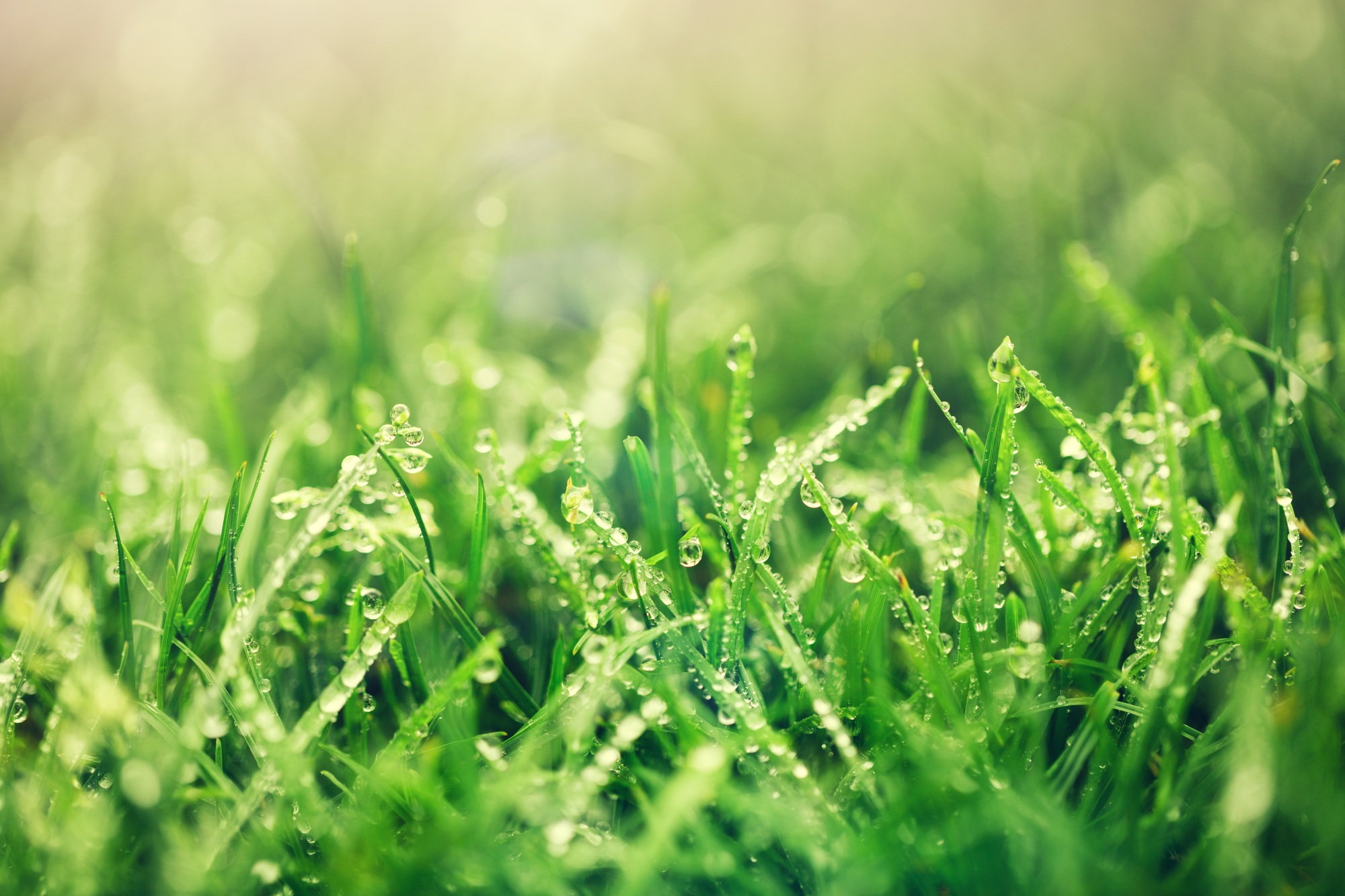
You just had your yard hydroseeded and now it is raining. Or you are planning a hydroseeding project and you want to know what happens if the weather does not cooperate after the application. Either way the question is a reasonable one and the answer depends heavily on when the rain arrives how much falls and what the conditions look like on your specific property.
This guide covers exactly what rain does to a fresh hydroseeding application when it helps when it hurts and what you need to do in response to different rainfall scenarios.
The first thing to understand: rain is not automatically bad after hydroseeding
The instinct many homeowners have when it rains after a hydroseeding application is that something has gone wrong. In most cases that instinct is incorrect. Rain after hydroseeding is not inherently a problem and in many situations it is actually beneficial. The key variables are timing amount and intensity — and understanding how each one affects the application helps you respond appropriately rather than panicking at the first drop.
A hydroseeded lawn needs consistent moisture to germinate. Natural rainfall that arrives at the right time in the right amount does exactly what supplemental irrigation does — it maintains the surface moisture that seeds need to activate and the mulch layer needs to stay bonded to the soil. The difference between helpful rain and damaging rain is almost entirely about intensity and timing relative to the application.
Timing: the 48-hour bonding window
The most critical factor in how rain affects a hydroseeding application is when it arrives relative to the application date. The first 48 hours after a hydroseeding application are the window during which the mulch layer is still bonding to the soil surface and is most vulnerable to displacement by water.
During the application the slurry is wet and fluid — it coats the soil surface but has not yet developed the adhesion that makes it resistant to rainfall displacement. As the slurry dries over the first 24 to 48 hours the tackifier in the mix activates and the fiber mulch begins bonding to the soil surface. By the end of this window the mulch layer has developed meaningful resistance to light to moderate rainfall without significant displacement.
Rain that arrives within the first 12 to 24 hours after application — before the mulch has bonded — carries the highest displacement risk. Rain that arrives after 48 hours — when bonding is largely complete — is much less likely to cause significant damage even if it is moderately heavy.
Light rain in the first 24 hours: usually fine
Light rain — a gentle shower that delivers less than half an inch over several hours — in the first 24 hours after a hydroseeding application is generally not a problem and may actually be beneficial. The light rainfall adds moisture to the seed bed supplements the first watering session and is unlikely to generate the runoff velocity needed to displace a freshly applied slurry on a relatively flat surface.
If you had a hydroseeding application in the morning and a light afternoon or evening shower rolled through within a few hours the outcome is almost certainly positive rather than negative. Check the yard after the rain clears and look for the mulch layer. If it is still uniformly covering the surface with no obvious displacement channels or accumulation in low spots the application is intact and the rain was a net positive for your germination process.
Heavy rain in the first 48 hours: potential displacement
Heavy rain — a significant downpour or thunderstorm delivering rainfall at high intensity — in the first 48 hours after a hydroseeding application is when real damage risk exists. Heavy rainfall generates surface runoff and that runoff carries enough force to displace the unbonded or partially bonded slurry on slopes and to concentrate it in low spots across flatter areas.
The damage pattern from heavy rain displacement is characteristic and recognizable. You will see channels or rills where the slurry has washed off slope sections and bare soil is exposed underneath. You will see accumulation of mulch material in low spots — thick concentrated clumps where the slurry carried by runoff settled out of the flow. On flat areas the damage may be less visible but uneven distribution of the mulch layer indicates that the slurry shifted significantly from the original application pattern.
This type of displacement does not mean the entire application is lost. Areas that retained their mulch coverage — typically flatter sections and areas with good soil absorption that did not generate surface runoff — are likely to germinate successfully. The affected areas are the ones that need attention.
What to do after heavy rain damages a hydroseeded application
If you observe significant displacement damage after heavy rain the right response is prompt assessment and communication with your contractor — not waiting to see what germinates.
Walk the entire application area and assess the extent of the displacement. Make note of which sections show clear channel erosion or mulch accumulation and which sections look intact. Take photos if possible — they help your contractor assess the situation remotely and plan the appropriate response.
Contact your contractor as soon as possible after identifying significant displacement. The timing of a touchup application matters — the sooner a touchup can be applied to affected areas the better the chance of getting germination on those sections within the same establishment window as the rest of the lawn. A touchup applied within a few days of the displacement event is far more effective than one applied weeks later after the soil in the affected areas has dried and crusted.
Do not attempt to redistribute or spread the accumulated mulch from low spots back onto eroded areas by hand. The slurry does not work the same way when manually redistributed as when properly applied by equipment — the seed distribution tackifier concentration and mulch coverage are all disrupted by manual handling. A professional touchup application is the right solution for significantly displaced areas.
Moderate rain after 48 hours: usually beneficial
Moderate rainfall that arrives after the initial 48-hour bonding window — half an inch to an inch delivered over several hours rather than in a single intense burst — is generally beneficial for a hydroseeded lawn rather than damaging. By this point the mulch layer has developed enough adhesion to resist moderate water movement across the surface and the rainfall is providing natural irrigation that supplements your watering schedule.
After 48 hours the risk profile shifts significantly. Rainfall that would have caused real displacement in the first 24 hours is often completely manageable after the mulch has bonded. The concern at this point is less about displacement and more about whether the rainfall is providing adequate moisture support for germination — which in most cases it is.
If moderate rain arrives during the germination window after the bonding period has passed you can typically reduce your supplemental irrigation schedule on days when natural rainfall provides adequate moisture. Check the seed bed condition after rain — if the surface is moist and the mulch layer looks intact and uniformly bonded the rain did its job and you may not need to water that session.
Heavy rain after the germination window: drainage management
Significant rainfall after the germination window — once grass is visibly established at weeks two to four — shifts the concern from displacement to drainage. Newly established grass with a shallow root system can be damaged by prolonged waterlogging that saturates the soil surface for extended periods.
Check low spots in the yard after heavy rain events during early establishment. Areas that hold standing water for more than an hour or two after a storm need drainage attention — not because of the rain itself but because chronic waterlogging in those areas will damage the establishing grass regardless of when the rain arrived. Improving drainage in persistently wet spots is a property improvement that benefits the lawn through every subsequent rain event.
Scheduling around forecasted rain
If you are planning a hydroseeding application and there is significant rain in the forecast within the first 48 hours after your planned application date it is worth discussing the timing with your contractor.
Most experienced hydroseeding contractors in the DFW area monitor weather forecasts carefully before scheduling applications. A significant storm system forecast within 24 hours of an application on a sloped property is a reason to push the application date by a few days rather than proceed and risk displacement damage. On flat properties with good soil absorption the same forecast may not be a reason to delay — the flat terrain and absorption capacity reduce the displacement risk significantly compared to a sloped site.
The decision to delay based on weather forecast is a judgment call that your contractor is better positioned to make than you are because they know the displacement risk profile of your specific site — the slope the soil type the drainage characteristics — and can weigh those against the forecast to make the right recommendation. A contractor who proceeds with an application on a sloped property the day before a significant storm is either not paying attention to the forecast or not prioritizing your outcome. A contractor who suggests a brief delay to avoid that risk is protecting your investment.
What normal germination looks like after rain
One thing that confuses homeowners after rain on a newly hydroseeded lawn is the appearance of the mulch layer as it goes through wet and dry cycles. The green dye in the mulch behaves differently when wet versus dry — it appears more vibrant and more uniformly green when wet and lighter and more muted when dry. This color change through wet and dry cycles is completely normal and does not indicate damage.
The mulch layer also appears to expand or swell slightly when wet and contract as it dries. This is normal fiber behavior and does not indicate displacement or damage as long as the layer is still covering the soil uniformly without the channel erosion or bare spots that indicate real displacement.
Normal post-rain appearance includes a slightly different color from the original application as the mulch dye washes and fades through repeated wet and dry cycles. This fading and eventual disappearance of the green color is expected — the mulch is biodegrading and integrating into the soil as it was designed to do.
The bottom line on rain after hydroseeding
Rain after hydroseeding is not automatically a problem and in many cases it is a benefit. The risk window is the first 48 hours when the mulch layer is still bonding — during which heavy intense rainfall can cause displacement on slopes and areas with surface runoff. After that window moderate to heavy rainfall is generally beneficial for germination and establishment rather than damaging.
Know what to look for assess the application after significant rain events during the first 48 hours and contact your contractor promptly if you see clear displacement damage. Handled quickly touchup applications on affected areas resolve most rain displacement situations within the same establishment timeline as the rest of the lawn. Left unaddressed the same areas become a persistent bare spot problem that is harder to fix the longer it goes.

Had rain after your hydroseeding application and not sure if your lawn is okay?
Fox Hydroseeding LLC is owner-operated and personally available to assess rain damage and schedule touchup applications when needed. We do not disappear after the application — we are here when questions come up.
Get Your Free Estimate → foxhydroseeding.com/contact
Bring Your Property to Life With Expert Hydroseeding
Find Us On


Email address

Phone Number

