


Tired of a yard that looks bad — here is how to finally fix it for good
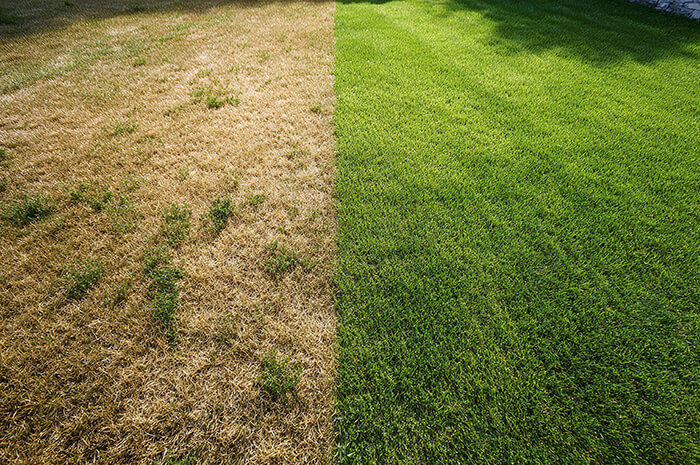
There is a specific kind of lawn frustration that builds over seasons rather than days. It is not the frustration of a single failed attempt — it is the accumulated weight of a yard that has never quite looked the way you wanted it to. You have tried things. Some of them helped temporarily. None of them fixed it. And every spring when you look out at the same bare patches the same thin struggling sections the same lawn that looks worse than every neighbor's yard you wonder whether there is actually a path from what you have to what you want.
There is. And for most homeowners with a chronically disappointing yard the path is shorter and less complicated than the frustration makes it feel. The key is understanding what has been causing the problem rather than continuing to apply solutions that address the wrong thing.
This guide is for the homeowner who is done with temporary fixes and wants to understand what it actually takes to have the yard they have been trying to get.
Step one: accept that something specific is causing the problem
The first mental shift that produces different results is moving from the belief that the yard is somehow generally difficult or unlucky to the understanding that something specific is causing every disappointing result. Bad lawns are not random. They have causes — specific identifiable conditions that produce the same poor outcome every season because they have never been addressed.
Compaction that prevents root development. Shade that the planted grass cannot perform in. Drainage problems that create chronic wet or dry zones. Soil quality so poor after construction that grass never develops the root depth needed to survive a Texas summer. The wrong grass in the wrong conditions repeating the same failure cycle season after season.
Every chronic lawn problem has a cause like this. The homeowner who identifies it stops spending time and money applying the right treatments to the wrong problem. The homeowner who does not identify it keeps getting the same result from different attempts.
Step two: diagnose what is actually happening
Diagnosis comes from looking at the pattern of the lawn's failure rather than just the outcome. Where exactly does the yard look bad — everywhere or in specific sections. When does the problem appear — during establishment or after a season. How does it present — bare ground weedy coverage thin struggling grass or a specific pattern of damaged sections.
The pattern answers questions that the outcome alone cannot.
Failure in specific sections that receive less direct sun while full-sun sections perform better — shade is the cause. The same grass planted in the same shaded sections will fail again.
Failure in areas that correspond to previous construction equipment routes or high-traffic zones — compaction is the cause. The grass keeps establishing marginally and then declining because the roots cannot develop depth in soil that physical pressure has compressed beyond what roots can penetrate.
Failure in low spots that collect water after rain or in sections that dry out faster than adjacent areas — drainage is the cause. The germination environment keeps cycling between too wet and too dry because the grade or soil structure creates moisture extremes that grass cannot sustain through.
Failure everywhere despite reasonable watering and care — soil quality is likely the cause on a new construction lot or a property that has been worked without topsoil replacement. The germination medium itself is hostile.
Failure in sections that match up with where a dog reliably uses the yard — urine burn is the cause and the fix is behavioral management alongside soil flushing and reseeding.
Most chronic lawn problems map clearly to one of these patterns when examined honestly. The diagnosis does not require professional equipment — it requires walking the yard with attention to where the problems are concentrated and what those locations have in common.
Step three: fix the cause not the symptom
This is where most homeowners have been applying their effort incorrectly. Seeding a shaded section with Bermuda is treating the symptom — bare ground — rather than the cause — shade that the planted grass cannot perform in. Reseeding a compacted zone without aerating or loosening the soil is treating the symptom rather than the compaction that made the previous seeding fail. Patching a drainage low-spot without correcting the grade is treating the symptom rather than the drainage condition that will create the same bare spot from the next establishment attempt.
The fix for shade is a grass type change — Tall Fescue in the appropriate fall window rather than Bermuda that keeps failing.
The fix for compaction is mechanical soil loosening — aeration for moderate compaction skid steer or deep tilling for severe compaction — before any reseeding produces lasting results.
The fix for drainage is grade correction — filling low spots that pool water establishing positive drainage away from structures and in severe cases installing drainage infrastructure that routes water away from the problem zones.
The fix for poor soil quality is topsoil addition and organic matter incorporation — creating the growing medium that the native soil is not providing.
Each of these is a property improvement rather than a repeated application of seed to an unchanged surface. Property improvements change the conditions that determine the outcome. Repeated applications without addressing the conditions keep producing the conditions-determined outcome.
Step four: choose the right establishment method for a fresh start
Once the cause is identified and corrected the establishment method matters for getting the best result from the improved conditions.
Broadcast seeding on a corrected prepared surface produces better results than broadcast seeding on an unprepared surface — but it still places loose seed in an environment where heat wind rain and irrigation movement can displace or dry it out before germination completes. On the heavy clay soils of North Texas in spring and summer conditions broadcast seed on even a properly prepared surface produces less consistent germination than the same seed delivered through a hydroseeding application.
Hydroseeding on a corrected prepared surface delivers the seed within a protective mulch layer that maintains the consistent moisture environment germination requires regardless of the temperature and evaporation conditions of the application period. The protection that the slurry provides is the difference between reliable germination across the full area and the patchy uneven result that makes broadcast seeding so frustrating on Texas lawns.
For a homeowner who has been trying to establish a lawn through broadcast seeding without success hydroseeding the same prepared surface represents the different approach that produces the different outcome. Not because the seed is different or the surface is different but because the delivery method creates the germination conditions that broadcast seeding cannot reliably maintain.
Step five: commit to the establishment period
The most common reason a correctly diagnosed corrected and properly seeded lawn fails to deliver the expected result is inadequate management during the establishment window. The two to three weeks after a hydroseeding application are when the result is determined — and the homeowner who manages that window correctly gets a dramatically better outcome than one who approaches it with the same casual effort that produced the previous disappointing results.
Three watering sessions per day for the first two weeks in Texas conditions. Not two sessions. Not one long daily session. Three sessions that maintain the consistent surface moisture that germination requires when heat and evaporation are actively competing against it.
No foot traffic for four weeks. No pets on the lawn for four weeks. Not casual minimal traffic — none. The seed mat is fragile through this window and physical disturbance during germination creates bare spots that are visible for months.
Patience through the anxiety of the first week when nothing visible is happening yet. The germination that will produce the lawn is underway underground before any sprout breaks the surface. Intervention during this window — probing the mulch checking the seed disturbing the surface — damages the process rather than confirming it.
The homeowners who finally get the yard they have been after are the ones who treat the establishment window as the most important month of the whole project. Because it is.
Step six: manage the first year correctly
Getting through the establishment window successfully produces an established lawn. Getting through the first full growing season correctly produces a lawn that will perform reliably for years — because the root development that happens in the first growing season is the foundation of the drought resilience and turf density that determines how the lawn performs from year two onward.
Deep infrequent watering through the first growing season builds root depth. Not the shallow frequent watering that feels attentive but produces roots that stay near the surface. Deep sessions that penetrate six to eight inches into the soil profile — encouraging roots to follow moisture downward into the cooler soil below the surface heat zone.
Appropriate mowing height maintained consistently through the growing season. Not cutting shorter than the grass type supports — not scalping because it looks tidy — maintaining the height that supports density rather than stressing the plant.
Timely fertilization at appropriate rates for the grass type and the season. Not over-fertilizing in the belief that more nutrition produces faster results — applying the right product at the right time in the right amount for the specific grass and the specific season.
After one well-managed growing season the formerly disappointing yard is a genuinely established lawn with root depth density and resilience that make it progressively easier to maintain as it matures.
What the yard looks like on the other side
The yard that has been frustrating you is not permanently broken. It has conditions that have been producing the same outcome because they have never been addressed. When those conditions are identified corrected and the establishment is managed correctly through the critical window the outcome is different — not temporarily better but fundamentally different because the conditions that produced the previous results are no longer present.
Year one produces an established lawn. Year two produces a lawn that has survived its first Texas summer with deepening roots. Year three produces the lawn that you drive past on a neighbor's property and wonder how they keep it looking that way — thick uniform green through spring summer and fall maintaining itself through drought and coming back vigorously every spring.
That lawn is the product of the right start not the product of ongoing heroic effort. And the right start is available on your property with your soil in your climate — it just requires the diagnosis the preparation and the establishment approach that you have not applied yet.
The bottom line for homeowners who are done with disappointment
The yard that looks bad has a reason. The reason is identifiable. The identifiable reason is fixable. The fixed conditions combined with the right establishment method and the right establishment management produce the yard that all the previous attempts have been trying to get to.
The path from where you are to where you want to be is four to six weeks of establishment plus one well-managed growing season. That timeline is the same regardless of how many previous attempts preceded it — because what makes this attempt different is not the passage of time but the identification and correction of what has been causing every previous attempt to fail.

Done with a yard that never looks the way you want it to?
Fox Hydroseeding LLC personally assesses every property and gives you an honest evaluation of what has been causing the problem and what the right fix looks like for your specific conditions. We identify the cause before we recommend the solution.
Get Your Free Estimate → foxhydroseeding.com/contact
Bring Your Property to Life With Expert Hydroseeding
Find Us On


Email address

Phone Number

