


Thick green grass before summer ends — what is still realistic and how to make it happen
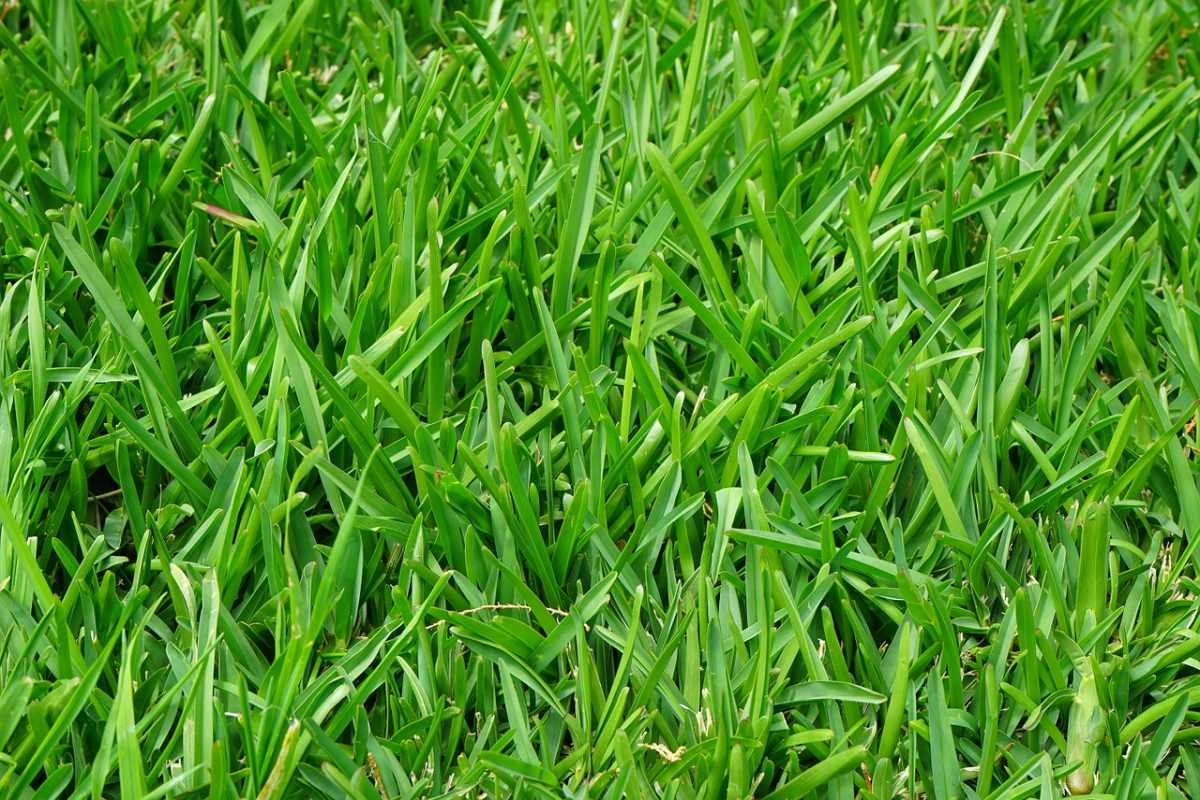
It is late summer and the yard is still bare. You meant to get to it in spring. Then June arrived and it felt too hot. Then July passed and then August and now you are looking at bare dirt or struggling patchy coverage and wondering if there is still time to get grass established before the season turns.
The honest answer depends on where you are in the summer calendar what grass you want and how committed you are to the watering requirements of a late-summer establishment. But for most DFW homeowners reading this in July or August the answer is — yes there is still time and here is exactly what that looks like.
What late summer actually means for lawn establishment in Texas
Late summer in the DFW area — July through August — is challenging for lawn establishment but it is not closed. Bermudagrass the most widely planted warm-season grass across North Texas is in its biological peak during this period. Soil temperatures are well above the 65 degree threshold that Bermuda needs to germinate aggressively. The grass is not fighting the season to grow — it is growing in exactly the conditions it evolved for.
The challenge of late summer establishment is not the grass. It is the management requirement that the heat places on the homeowner during the establishment window. Keeping a freshly hydroseeded application consistently moist in 100-degree Texas heat with low humidity and drying winds requires three watering sessions per day for the first two weeks — a commitment that some homeowners can make and some cannot.
If you can make that commitment late summer hydroseeding produces fast visible results that reward the effort quickly. Bermuda in peak summer soil temperatures germinates in five to seven days under consistent watering — faster than spring applications in cooler conditions. The grass that appears is growing aggressively from day one in ideal heat conditions.
If you cannot reliably commit to three daily watering sessions through a Texas August — due to travel schedule irrigation limitations or other practical constraints — the honest advice is to wait for fall and establish Tall Fescue in October or plan for a spring Bermuda application in late March. A late summer application that receives inadequate watering produces the patchy result that confirms the worst fears rather than the lawn that rewards the investment.
The realistic timeline for late summer establishment
For homeowners who commit to the watering management that late summer requires the timeline from a July or August hydroseeding application to an established lawn is predictable and achievable before the summer ends.
Days one through seven — green mulch mat in place first Bermuda sprouts appearing by day five to seven under warm soil conditions and consistent three-times-daily watering.
Days seven through fourteen — germination spreading rapidly across the yard. Bermuda in peak summer soil temperatures germinates faster and more aggressively than in spring — the heat that makes the management challenging is simultaneously the condition that accelerates the biological process.
Weeks two through four — visible growth and thickening. The mulch is breaking down the grass is filling in and the bare yard is visibly transforming into a lawn. By the end of week three most late-summer DFW applications look clearly established.
Weeks four through five — first mow approaching. Coverage is solid the mulch has largely disappeared and the lawn looks like a lawn rather than a project in progress.
This timeline means that a Bermuda application completed in late July or early August produces a clearly established lawn with its first mow done by early to mid-September — well before the summer is over and with several weeks of active fall growing season ahead before dormancy arrives in November.
What late summer establishment needs that spring does not
Late summer hydroseeding in the DFW area requires everything that any hydroseeding project requires — proper site preparation appropriate seed timing the right grass — plus the specific management adjustments that Texas August demands.
Three watering sessions per day is the non-negotiable establishment requirement during the first fourteen days of a summer Texas hydroseeding application. Early morning midday and early evening — spaced to replace the moisture that peak heat removes between sessions. On particularly hot and windy days the midday session may need to be earlier and the evening session slightly later to cover the maximum evaporation period of the day.
An irrigation system set to run automatically on that schedule before the application is the most reliable way to execute the watering requirement without depending on human memory and availability at three specific times every day through a Texas August. If you do not have an automatic irrigation system covering the full area to be seeded the late summer window requires an honest assessment of whether manual watering at three daily intervals is realistic for your schedule.
Mulch product selection for late summer applications may benefit from a higher-fiber content product than standard wood fiber mulch — a denser mulch retains moisture better against peak summer evaporation and provides better surface protection against the intense UV radiation of a Texas August that can degrade lower-fiber products faster. Discuss mulch selection with your contractor specifically in the context of a late summer application timing.
Is August too late for a Bermuda application in DFW
August is the last reliable window for Bermudagrass establishment in the DFW area before soil temperatures begin declining toward the threshold that slows germination reliably. Applications completed in early to mid-August can achieve adequate establishment before the cooling conditions of fall arrive — but the timeline is tighter than earlier summer applications and the margin for error is smaller.
A Bermuda application in early August produces germination in five to seven days and solid coverage by weeks three to four — arriving at establishment in mid to late September with several weeks of active fall growing conditions ahead before dormancy arrives. The new lawn has time to develop enough root depth before dormancy to survive winter and come back vigorously in spring.
A Bermuda application in late August produces germination quickly — the soil is still warm — but the establishment window before cooling fall temperatures slow growth is shorter. The lawn may arrive at first mow timing in mid-October just as growth is beginning to slow toward dormancy. It will survive winter and return in spring but it enters dormancy with less root development than an application done earlier in summer.
Applications after mid to late August in most DFW years are approaching the point where waiting for fall Fescue establishment or spring Bermuda establishment produces better outcomes than a late Bermuda application that goes dormant before fully establishing.
The fall alternative — what October offers that August cannot
For homeowners who are reading this in late August and assessing whether the late summer window still makes sense for their situation it is worth understanding what the fall alternative looks like as a comparison point.
A Tall Fescue application in early October in the DFW area establishes in the ideal cool-season germination conditions that fall provides — moderate temperatures natural rainfall support and the entire cool season ahead for root development. A fall Fescue lawn enters its first spring growing season well-established and built for the conditions ahead.
The trade-off is timing. A fall application produces a green lawn through winter but the peak use season of summer is behind it. For homeowners whose primary motivation is having a lawn for summer outdoor use the fall option delivers a lawn that is ready for next summer rather than the current one.
For homeowners with shaded yards or mixed-condition properties fall is actually the better choice regardless of the summer urgency — Fescue established in fall in the right seasonal window produces better results in shaded areas than anything that can be done in late summer for those zones.
Site preparation for a late summer hydroseeding application
The preparation required before a late summer hydroseeding application follows the same principles as any project — grading debris removal compaction assessment and soil quality evaluation — but the time pressure of a late summer timeline adds urgency to getting the preparation done promptly.
Do not sacrifice preparation quality for timeline urgency. A late summer application on an improperly prepared surface produces the same poor result that inadequate preparation produces in any season — and the tighter establishment window of late summer leaves less margin for addressing problems that proper preparation would have prevented.
New construction lots being addressed in late summer after months of exposure since construction completion may have developed a surface crust of dried compacted clay that reduces seed-to-soil contact quality. Pre-irrigating the surface for a day or two before the application moistens and softens this crust — improving slurry adhesion and the initial moisture environment for germination on what would otherwise be a hydrophobic dried clay surface.
The conversation to have with your contractor
If you are considering a late summer hydroseeding application the most important conversation to have with your contractor is an honest one about the specific timing and what it means for expectations.
A contractor experienced with late summer Texas hydroseeding will tell you clearly what the establishment timeline looks like for your specific application date what the watering requirements are for your specific conditions and what the realistic outcome looks like entering fall dormancy from a late summer establishment. That honest conversation produces the right expectation and the right management commitment — both of which are what the late summer window requires to deliver a result worth the investment.
A contractor who tells you that late August Bermuda will produce the same result as a late March application without discussing the tighter timeline and management requirements is not giving you the information you need to decide whether the late summer window works for your situation.
The bottom line on late summer lawn establishment
Late summer is a viable window for Bermuda establishment in the DFW area with the right management commitment and honest timing expectations. It is not the easiest window or the most forgiving one — but for homeowners who have been putting off the lawn project and want grass before summer is completely over it is a window that produces real results when the conditions and commitment are both present.
The grass does not care that it is August. Bermuda in peak summer soil temperatures wants to grow. The management requirement of keeping a fresh application consistently moist through Texas heat is the only variable standing between you and a green established lawn before the season turns.

Still want to get your lawn started before summer ends?
Fox Hydroseeding LLC handles late summer hydroseeding applications across the DFW area and gives every homeowner an honest assessment of what is achievable for their specific timeline. We do not oversell the window — we tell you what is realistic and set you up to achieve it.
Get Your Free Estimate → foxhydroseeding.com/contact
Bring Your Property to Life With Expert Hydroseeding
Find Us On


Email address

Phone Number

