


The difference between a lawn that lasts and one that keeps failing — what actually separates them
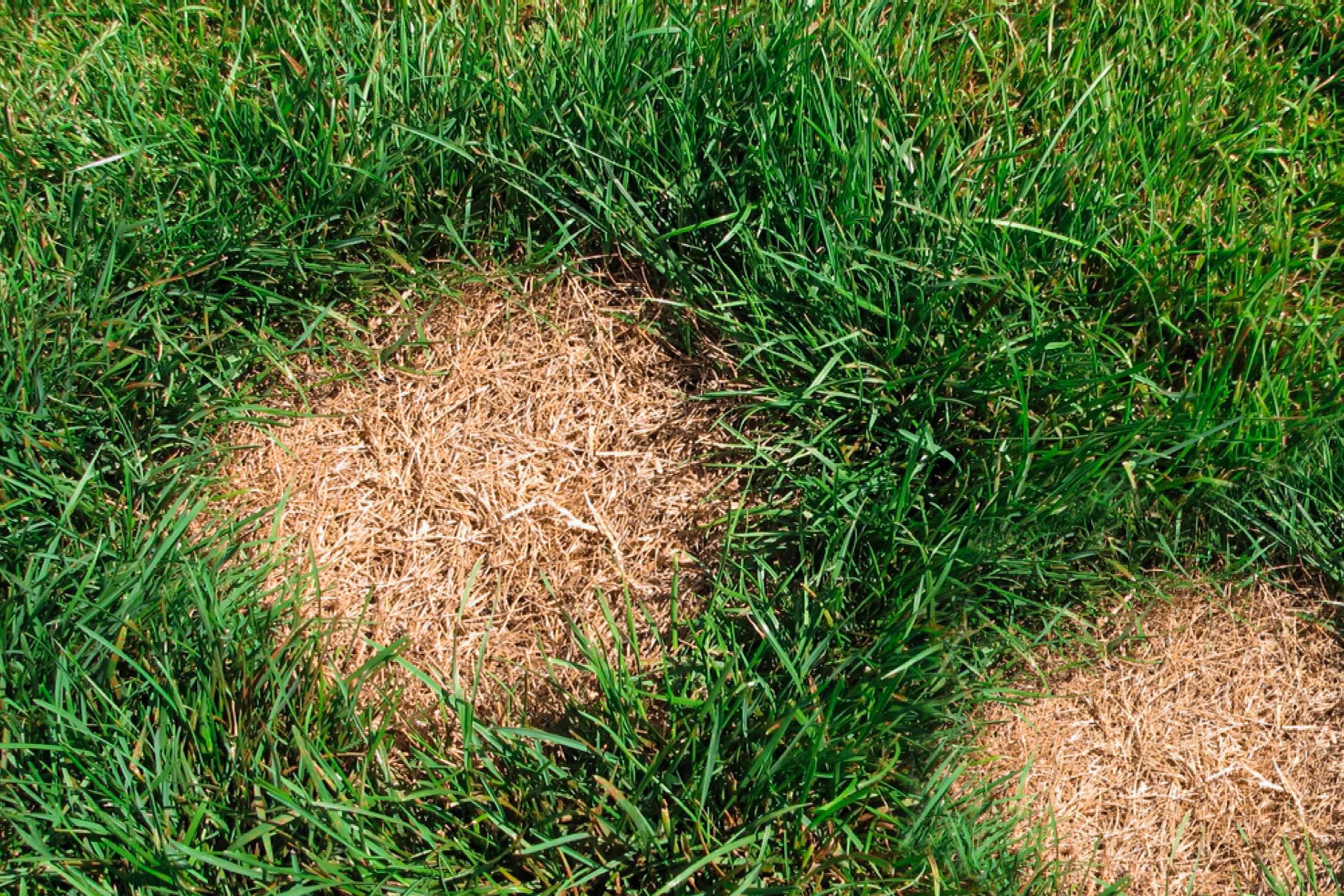
Drive through any established neighborhood in the DFW area and you will see both kinds of yards within a few blocks of each other. One property has a thick uniform lawn that looks good through spring summer and fall maintains itself through drought and comes back vigorously every spring. The adjacent property has the same grass the same climate and the same general conditions — and its lawn is thin patchy and always seems to be recovering from something.
The homeowners with the struggling lawns are not neglecting them. They water them. They overseed them. They fertilize them. They do the things that lawn care advice says to do — and the lawn keeps disappointing. Meanwhile the neighbor's lawn keeps performing without apparent heroic effort.
The difference is almost never visible from above. It is underneath — in the soil the root system and the foundational decisions that were made when the lawn was established. This guide explains what those differences actually are so that the homeowners who have been fighting a losing battle with their lawn understand what has been missing and what a different outcome actually requires.
The difference starts before the first seed goes down
The most consequential decisions in a lawn's life are made before any seed is applied. Soil preparation establishment timing and grass selection — the choices made in the days and weeks before the application — determine the ceiling of what the lawn is capable of and how much ongoing management is required to keep it there.
A lawn established on properly prepared soil with appropriate compaction relief quality topsoil where needed and corrected drainage has a fundamentally different starting point than a lawn established on compacted construction subsoil with poor drainage and no organic matter. Both lawns get seeded. Both lawns get watered and fertilized. But they are working from different foundations and the foundation difference shows through every growing season.
The lawns that last almost always had their preparation done right. Not because the preparation is complicated or expensive but because the homeowner or contractor who established them understood that the soil condition is the variable that matters most — more than the seed quality more than the application method more than the aftercare management.
The lawns that keep failing almost always have the same preparation history — minimal or none. The seed went down on whatever surface existed. The application was done without addressing what was underneath. And every season since has been a management effort to compensate for the foundation that was never built.
Root depth is the single most important characteristic of a lasting lawn
If you could see two lawns from below the surface the difference between a lasting lawn and a struggling one would be immediately obvious. The lasting lawn has roots that reach deep into the soil profile — six to eight inches minimum for established Bermuda in good conditions and progressively deeper as the lawn matures. The struggling lawn has roots in the top two to three inches of the surface.
Root depth determines everything that matters for long-term lawn performance. Drought resilience comes from roots accessing moisture from a larger soil volume that surface-level roots never reach. Heat tolerance is better in deep-rooted grass because the soil temperature at depth is significantly cooler than at the surface during peak Texas summer heat — deep roots are working in cooler conditions than shallow roots are. Recovery from damage is faster in deep-rooted grass because the root reserve that supports regrowth is proportional to root mass.
The root depth of an established lawn is the product of two factors — the soil condition that allowed roots to develop depth and the watering practices that encouraged them to. A lawn established on properly loosened soil that was watered deeply and infrequently through the first growing season develops the root depth that makes it drought-resilient from year two onward. A lawn established on compacted soil that was watered shallow and frequently never gets there regardless of how many subsequent seasons pass.
This is why preparation and first-year management matter so much and why their effects persist for the life of the lawn. The root depth that was or was not built in year one is still the primary determinant of drought resilience in year five.
The right grass in the right conditions — the match that makes everything else possible
A lawn that lasts is almost always a lawn where the grass type matches the conditions of the yard. Bermuda in full sun Fescue in shade the right variety for the specific climate and use demands of the property. When the match is right the grass is growing in the conditions it evolved for — it does not need management to overcome what the environment is doing to it because the environment is what it was designed for.
A lawn that keeps struggling often has a grass mismatch that has never been identified. Bermuda thinning in shade. Fescue burning in full-sun Texas summer heat. The wrong grass doing its best in conditions that work against its fundamental biology. No management approach compensates for a mismatch — the grass keeps struggling because the conditions keep producing the outcome that the biology of that grass in those conditions always produces.
The lasting lawn had its grass selected based on honest assessment of the actual conditions. The struggling lawn had its grass selected based on preference habit or generic advice that did not account for the specific light and climate conditions of the yard it was planted in.
Establishment quality determines maintenance requirements for years
There is an inverse relationship between establishment quality and ongoing maintenance requirements that most homeowners discover through experience rather than through advice they received upfront.
A lawn that was established correctly — properly prepared soil appropriate grass appropriate timing protected through the establishment period — requires relatively little intervention to maintain through subsequent seasons. The root depth supports drought resilience. The grass density suppresses weeds through competition. The soil structure improves progressively through normal biological activity. The maintenance requirement declines over time as the lawn matures toward its genetic potential.
A lawn that was established poorly — inadequate preparation wrong timing inadequate establishment period protection — requires ongoing intervention just to maintain the marginal coverage that poor establishment produced. Frequent reseeding of sections that never fully established. Intensive irrigation management to compensate for shallow roots that cannot sustain the grass through dry stretches without constant moisture delivery. Aggressive weed management because thin turf density leaves space for weeds that dense turf would suppress.
The ongoing cost of managing a poorly established lawn — in time money water and effort — typically exceeds the cost of the additional preparation investment that would have produced a properly established lawn in the first place. The homeowners who understood this upfront made the preparation investment. The ones who did not are still paying the ongoing maintenance cost of not making it.
Seasonal management that works with the biology rather than against it
The lasting lawn is managed in alignment with its biology — fertilized when the grass is growing and can use the nutrients watered in a way that builds root depth rather than keeping it shallow mowed at heights that support density rather than stress it and protected through the dormant period rather than worked against.
The struggling lawn is often managed reactively — fertilized when it looks bad rather than when the grass can use it watered on a convenient schedule rather than one calibrated to root development mowed at whatever height is convenient rather than the height that serves the grass type.
The difference between these two approaches is not effort — both homeowners are spending time and money on their lawns. The difference is alignment between the management and the biology. The same inputs applied at the wrong time in the wrong way produce the wrong results regardless of how much is invested.
Understanding the seasonal biology of the grass type — when it is growing when it is stressed when it is dormant and what each phase requires — is what converts effort into results rather than effort into continued disappointment.
What a quality hydroseeding application does that broadcast seeding cannot
For homeowners who are starting a lawn from scratch or renovating significant sections the establishment method itself is one of the differences between a lawn that starts well and one that starts behind.
A quality hydroseeding application delivers seed in direct contact with the soil through a protective mulch layer that maintains the consistent moisture environment germination requires regardless of the temperature humidity and evaporation conditions of the application period. Broadcast seed on the same surface in the same conditions gets displaced by rain and wind dries out between watering sessions and produces the uneven germination that starts the lawn at an immediate density disadvantage.
The lawn that was established through quality hydroseeding has better initial coverage more consistent root establishment across the full area and a stronger competitive position against weeds from the start than the same lawn started from broadcast seed on the same prepared surface. That initial advantage compounds through the first growing season into the second and third as the more evenly established root system develops depth more uniformly across the full lawn.
The lasting lawn got a better start because the establishment method was better suited to the conditions. The struggling lawn started from a lower germination quality and has been trying to catch up ever since.
The role of the contractor in the outcome
The lasting lawn almost always had a contractor who walked the property assessed the conditions and made specific recommendations rather than one who quoted by square footage over the phone and applied a standard application to whatever surface existed.
The contractor who walks the property identifies the compaction that needs to be relieved before seeding works. The drainage problem that needs to be corrected before the seeded sections stop flooding. The shade zones that need a different grass type. The soil quality issues that warrant topsoil addition before the application.
The contractor who quotes by phone and applies without seeing the yard does not identify any of those things. The application goes on the unprepared surface with the wrong grass in some zones and the drainage problem creates the wet section that never establishes and the compaction keeps the roots shallow and the outcome is the lawn that keeps disappointing.
Choosing the contractor who asks to see the yard is one of the highest-leverage decisions in the entire lawn establishment process. The walk-through is not a sales formality — it is the assessment that makes the difference between a recommendation that fits the actual property and one that fits a generic residential lot that the contractor imagined without ever seeing yours.
The bottom line on what separates lasting lawns from failing ones
The lasting lawn had its preparation done right before the first seed went down. The grass was matched to the actual conditions of the yard. The establishment was protected through the critical window. The first-year management built root depth rather than keeping it shallow. The subsequent seasonal management worked with the biology rather than against it.
None of these are mysterious. None require resources unavailable to a homeowner who approaches the project with accurate information and realistic expectations. The difference between the lawn that lasts and the one that keeps failing is almost entirely determined by decisions made before the first growing season — decisions that can be made correctly the first time with the right information or discovered through the experience of repeated failure.
The choice between those two paths is available to every homeowner standing in a bare yard trying to decide how to approach the project in front of them.

Ready to establish a lawn the right way rather than repeat the cycle of disappointing results?
Fox Hydroseeding LLC walks every property personally before making a recommendation — assessing the soil conditions the drainage the shade and everything else that determines whether an establishment succeeds. Every estimate is handled by the owner.
Get Your Free Estimate → foxhydroseeding.com/contact
Bring Your Property to Life With Expert Hydroseeding
Find Us On


Email address

Phone Number

