


The best lawn on the block — what it actually takes to get there and stay there
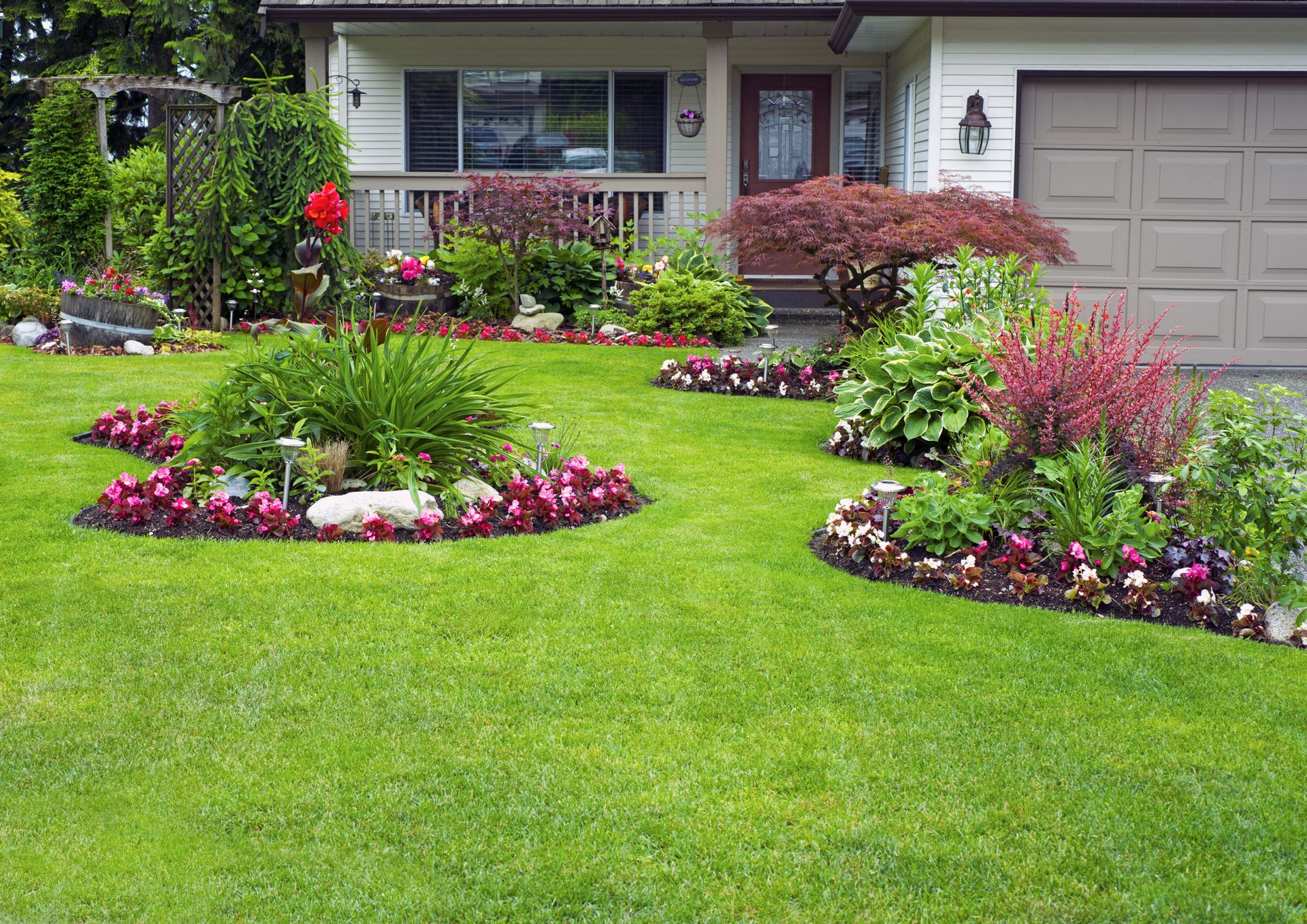
Every neighborhood has one. The yard that stands out — thick and uniform through spring summer and fall while neighboring lawns thin and struggle. Green when others are brown. Dense when others are patchy. The lawn that people notice when they drive past and that the homeowner is quietly proud of every time they pull into the driveway.
That lawn is not the product of luck favorable soil or an exceptional natural talent for growing grass. It is the product of specific decisions made at specific points — before the lawn was established during the establishment period through the first growing season and in the ongoing seasonal management that keeps a well-started lawn performing at its potential year after year.
This guide covers the complete picture — what the best lawn on the block has that others do not how to build it from scratch or from a struggling starting point and what ongoing management keeps it at the top of the neighborhood comparison.
What the best lawn actually has that others do not
Before getting into what to do it helps to understand what the outcome you are after actually consists of — not just what it looks like but what physical characteristics produce the appearance that makes the standout lawn stand out.
Root depth is the first characteristic. The lawn that looks great through a Texas summer while neighbors struggle has roots that reach significantly deeper into the soil than the lawns around it. Deep roots access moisture from a larger soil volume tolerate heat by operating in the cooler temperatures that exist below the surface zone and recover from stress and wear faster than shallow roots because the root reserve available for recovery is proportional to root mass. You cannot see root depth from above but you can see its effects in how the lawn handles every stress event the season produces.
Turf density is the second characteristic. The lawn that stands out has a higher density of grass plants per square foot than struggling lawns — not just more coverage but more plants occupying the same area with less space between them. High-density turf suppresses weeds by competition shades the soil surface to reduce moisture evaporation recovers from wear faster as adjacent plants fill in damaged areas and produces the uniform manicured appearance from the street that thin turf cannot replicate.
Soil health is the third characteristic. Underneath the visible lawn of the standout yard is soil with adequate organic matter good structure and biological activity that makes it progressively easier to grow grass of increasing quality each year. Soil health is a long-term accumulation — the product of years of good management decisions compounding into a growing medium that supports the density and root depth that the visible lawn reflects.
Starting from scratch — how the best lawns are built
If you are starting from bare ground the path to the best lawn on the block begins before a single seed goes down. The preparation investment that precedes the application is the most leveraged decision in the entire process — it determines the ceiling of what the lawn is capable of from the first growing season and sets the trajectory that either compounds into excellence or limits the lawn to perpetual mediocrity regardless of what is done afterward.
On a new construction lot in the DFW area starting from scratch means addressing the compaction that construction equipment created. Mechanical loosening of the compacted clay surface — through skid steer work tilling or deep aeration — creates the soil structure that root development requires. Without this the new lawn establishes with shallow roots that make every subsequent summer a management challenge.
Starting from scratch means adding quality topsoil where the surface soil was stripped or degraded during construction. A two to three inch layer of screened quality topsoil blended into the loosened surface creates the organic matter content and soil structure that new grass roots need to develop the depth that makes the standout lawn possible. Without topsoil addition on a stripped construction lot the new lawn is growing in nutrient-poor compacted subsoil from day one — a starting position that no amount of fertilization or watering fully compensates for.
Starting from scratch means correcting drainage problems before the seed goes down. Low spots that collect standing water. Sections that drain too quickly. Grade that directs water toward the foundation rather than away from it. These problems limit the lawn's potential in the sections they affect for every year the lawn is in the ground. Correcting them before establishment is dramatically more efficient than managing around them after.
The quality hydroseeding application that follows proper preparation gives the new lawn the best possible start — seed delivered in consistent protected contact with the prepared soil through the protective mulch layer that maintains germination conditions regardless of the temperature and evaporation demands of the application period. A quality application on a properly prepared surface is how the best lawns begin.
The establishment period that separates great starts from average ones
The four to six weeks after the hydroseeding application are where the potential of the preparation and application investment is either realized or lost. The management decisions of this window determine whether the lawn begins with the root depth and density that compound into the standout result or begins with the shallow establishment that limits performance through every subsequent season.
Watering consistency through the germination window is the most critical establishment management decision. Three sessions per day in Texas summer conditions for the first fourteen days — maintaining the consistent surface moisture that germination requires regardless of the temperature and evaporation demands of that specific week. No exceptions for inconvenient days. No reduction because the yard looks okay. The germination biology requires the schedule or the germination suffers.
Watering depth progression after the germination window is the transition that builds the root depth the standout lawn needs. Moving deliberately from the surface moisture maintenance of germination to the deeper less frequent sessions that encourage roots to develop downward — starting around day fourteen and continuing through the first growing season. Each session that penetrates deeper than the previous one is training roots to develop the depth that summer resilience depends on.
Foot traffic restriction through the full four weeks is the discipline that produces the uniform coverage that distinguishes a well-protected establishment from one that has bare paths and worn sections from week two. The lawn that the neighborhood admires did not have kids and dogs running across it during the germination window.
The first growing season that builds the foundation
The first full growing season after establishment is when the potential of a good start either compounds into the lawn the neighbor notices or declines toward the lawn the neighbor pities. The management of the first growing season matters enormously — and it receives less attention in most lawn guidance than the establishment period despite having comparable impact on the long-term trajectory.
Deep consistent watering through the first growing season builds the root depth that makes every subsequent summer more manageable. The homeowner who maintains the deep infrequent watering sessions through April May and June — progressively increasing session depth as the growing season advances and the root system develops — arrives at the first summer heat with roots at five to six inches or deeper. That root depth is the single most important characteristic the lawn can have going into a Texas July.
Appropriate fertilization at the right times supports the density development that makes the lawn stand out from neighboring yards. Not over-fertilization that pushes growth at the expense of root development — appropriate fertilization that supports both the top growth and the root mass that makes the visible lawn possible. For Bermudagrass in the DFW area this means nitrogen applications during the active growing season in amounts that support vigorous healthy growth without the excessive lushness that creates disease susceptibility and mowing frequency beyond what the homeowner wants to manage.
Aeration in the first active growing season is the soil investment that most distinguishes the homeowner who is playing the long game from the one who is managing only what is visible. Core aeration on North Texas clay soil opens the compacted surface layer creates root penetration pathways and provides the channels for compost topdressing to reach below the surface where it builds organic matter progressively through every subsequent aeration. The standout lawn in year five was aerated every spring starting in year one.
The ongoing management that keeps the best lawn the best
Getting to the best lawn on the block is one achievement. Staying there requires the seasonal consistency that the homeowner who earned it maintains while neighbors manage reactively.
Annual aeration and compost topdressing is the soil improvement investment that compounds year over year. The clay soil that characterizes most DFW residential lots improves progressively when aeration opens it and compost fills the channels — building the organic matter content and soil structure that makes the lawn progressively easier to maintain at high quality. The standout lawn neighbor who has been aerating and topdressing for five years is managing soil that is meaningfully better than the surrounding lawns where neither has happened.
Appropriate seasonal fertilization that supports active growth without pushing the lawn past what it can sustain is the nutrition program that maintains density without creating the management challenges of over-fertilization. Understanding the seasonal activity cycle of the grass — when it is growing most actively and when inputs are most effectively converted to root development and density rather than excessive top growth — produces a fertilization program that supports the lawn rather than working against it.
Consistent mowing at the right height is the maintenance practice that most directly maintains the density that makes the lawn stand out. Bermudagrass mowed at one to two inches during the growing season at a frequency that never removes more than one third of the blade height at any single mowing develops and maintains the dense uniform surface that thicker-than-optimal cutting cannot replicate. The lawn that gets mowed weekly at appropriate height throughout the growing season looks consistently better than the lawn that gets mowed when it gets tall.
Seasonal weed control with appropriate timing of pre-emergent applications keeps the weed pressure low that allows the grass to maintain density without competition. A dense healthy lawn is the best weed competition available — and maintaining that density through appropriate fertilization mowing and watering produces a lawn that suppresses weed pressure naturally while pre-emergent applications prevent the seeds that density alone does not stop.
The mindset that produces the best lawn
The homeowner with the best lawn on the block almost universally has one mindset characteristic that their struggling neighbors do not — they think about the lawn as a long-term investment rather than a season-by-season maintenance burden.
They made the preparation investment because they understood that the soil they establish on is the soil they manage for years. They committed to the establishment period because they understood that the root depth built in the first growing season is the foundation of every subsequent season's performance. They aerate and topdress annually because they understand that each application builds on the previous ones and the improvement compounds.
They are not spending more time on their lawn than their neighbors. They are spending the right time on the right things — the investments that produce compounding returns rather than the reactive interventions that address symptoms without changing conditions.
The result is the lawn that looks effortless because the effort was invested in the right places at the right times rather than distributed across the reactive management of a lawn that was never given the foundation it needed.
The bottom line on getting and keeping the best lawn
The best lawn on the block is not out of reach for any homeowner with a yard that currently disappoints. It requires specific investments — preparation before establishment root depth building through the first growing season and annual soil improvement that compounds through subsequent seasons. None of these investments are complicated. None require resources unavailable to most homeowners. They require understanding what actually produces the result and directing effort toward those things rather than the reactive management that keeps struggling lawns struggling.
The path from where you are to the lawn the neighborhood notices is the path described in this guide. It starts with the preparation investment before the next seed goes down and it compounds through every season of management that follows the establishment right.

Ready to build the kind of lawn that stands out in your neighborhood?
Fox Hydroseeding LLC personally walks every property and gives you an honest assessment of what your specific yard needs to get started on the right path. Every estimate is handled by the owner.
Get Your Free Estimate → foxhydroseeding.com/contact
Bring Your Property to Life With Expert Hydroseeding
Find Us On


Email address

Phone Number

