


Soil testing for Texas lawns — what it actually reveals and why it matters before you plant anything
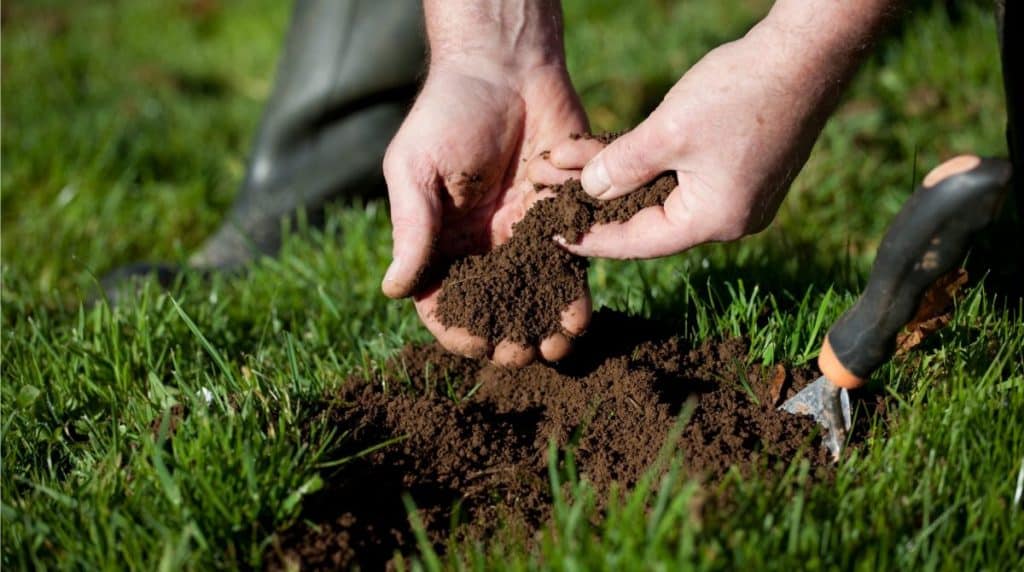
Most lawn advice mentions soil testing as a recommended best practice without explaining specifically what a soil test reveals how the results change the decisions that follow or whether the investment of time and money in soil testing produces meaningful improvements in lawn establishment outcomes for the typical DFW homeowner.
This guide covers soil testing specifically — what the test measures what the results mean for a Texas lawn project what they change about preparation and grass management decisions and when the investment in soil testing is genuinely worth it versus when adequate decisions can be made without it.
What a soil test actually measures
A standard soil test measures several specific soil characteristics that affect grass establishment and ongoing lawn performance. Understanding what each measurement means produces better decisions from the results than accepting the report without the context to interpret it.
Soil pH is the measurement most directly relevant to grass establishment in the DFW area. pH measures the acidity or alkalinity of the soil on a scale where 7.0 is neutral below 7.0 is acidic and above 7.0 is alkaline. Most grass varieties perform best in the 6.0 to 7.0 range — slightly acidic to neutral. North Texas soils commonly run in the 7.0 to 8.0 range — neutral to moderately alkaline — because of the calcium carbonate content of the native limestone formations that underlie much of the DFW area. This alkalinity tendency affects nutrient availability in ways that matter for fertilization decisions and in some cases for the specific grass varieties that perform best in high-pH conditions.
Organic matter percentage measures the proportion of the soil that consists of decomposed organic material — the carbon-based compounds that improve soil structure moisture retention and biological activity. The organic matter percentage of native North Texas clay subsoil on a new construction lot is often very low — one percent or less — reflecting the stripped depleted condition that construction creates. The organic matter percentage of a well-amended residential lot that has received years of compost topdressing may be three to five percent or higher — reflecting the progressive improvement that organic matter addition produces over time.
Nutrient levels for the primary plant nutrients — nitrogen phosphorus potassium — and secondary nutrients tell you what is present in the soil versus what is deficient. The nutrient level results inform the fertilization recommendations that accompany most soil test reports — the specific amendments and fertilizer products that address the specific deficiencies the test identifies.
Cation exchange capacity measures the soil's ability to hold and release positively charged nutrients — the characteristic that determines how efficiently nutrients applied to the soil are retained for plant uptake versus leaching through the profile. Higher CEC values indicate better nutrient retention capacity. Clay soils generally have higher CEC than sandy soils — a characteristic that makes North Texas clay more nutrient-retentive than lighter soil types despite its other challenging characteristics.
What the results change about preparation decisions
The soil test results that most directly affect preparation decisions for a lawn establishment project in Texas are the pH measurement and the organic matter percentage.
A pH reading above 7.5 in the DFW area indicates the alkalinity that reduces the availability of specific nutrients — particularly iron manganese and zinc — that grass needs for healthy color and growth. In alkaline soils these micronutrients are present in the soil but are chemically bound in forms that grass roots cannot access at normal pH levels. The grass that looks pale or yellowed despite adequate fertilization on alkaline North Texas clay is often experiencing iron deficiency from pH-limited availability rather than iron absence.
The amendment for alkaline soil in Texas is elemental sulfur — applied before establishment and incorporated into the soil preparation work that precedes hydroseeding. Sulfur acidifies the soil gradually reducing the pH toward the range that improves micronutrient availability. The application rate depends on the current pH the target pH and the buffering capacity of the specific soil — information that the soil test provides rather than requiring the homeowner to estimate.
An organic matter percentage below one percent on a new construction lot confirms the soil quality deficit that preparation work needs to address. This confirmation supports the topsoil addition recommendation — not as optional enhancement but as a correction for the specific measured deficit in the organic matter that soil quality requires for adequate root development and nutrient cycling.
What the results change about fertilization decisions
The nutrient level results from a soil test produce specific fertilization recommendations that are more precisely calibrated to the actual soil conditions than the generic fertilization schedules that general lawn care guidance provides.
A soil test that shows adequate phosphorus levels suggests that the phosphorus component of the starter fertilizer in the hydroseeding slurry is sufficient and that additional phosphorus supplementation is not needed in the early establishment program. A soil test that shows phosphorus deficiency confirms the importance of the starter fertilizer and suggests that the post-establishment fertilization program should include a phosphorus component that balances the documented deficiency.
A soil test that shows potassium deficiency provides specific guidance about the potassium content that the fertilization program should include — potassium supports root development drought tolerance and disease resistance in ways that its absence limits.
The test-based fertilization program uses the specific inputs that the specific soil conditions require rather than the generic inputs that general fertilization schedules apply regardless of what the soil already has. This precision reduces waste — not applying nutrients that are already adequate — and improves results — specifically addressing the deficiencies that are limiting performance.
When soil testing is worth it for a Texas lawn project
Soil testing is not necessary for every lawn establishment project in the DFW area — the conditions of the specific project determine whether the investment produces decisions meaningfully different from those an experienced contractor makes through visual and tactile soil assessment.
Soil testing is most valuable for new construction lots where the soil conditions are unknown — the stripped and disturbed soil of a construction site may have specific pH or nutrient issues beyond the compaction and organic matter depletion that visual assessment identifies. A soil test on a new construction lot produces specific information about the chemical conditions of the specific soil rather than assumptions based on the general characteristics of North Texas soil.
Soil testing is valuable for existing lawns with persistent performance problems that have not responded to management inputs that should be producing improvement. A lawn that stays pale and yellowed despite adequate nitrogen fertilization may have the pH-limited iron availability that a soil test would identify — and the soil test result changes the management from more of the same ineffective input to the pH amendment that addresses the actual cause.
Soil testing is valuable for homeowners who want the most precisely calibrated establishment and maintenance program rather than the generic approach that works adequately without the specific information soil testing provides.
Soil testing is less critical for straightforward renovation projects on established residential lots in the DFW area where the soil conditions are reasonably well understood through the visual and tactile assessment that an experienced contractor performs during the site walkthrough. For these projects the contractor's site assessment produces preparation recommendations that address the primary limiting conditions and the soil test would confirm rather than significantly change those recommendations.
How to get a soil test and what to do with the results
Soil testing in Texas is available through several channels with different price points and report detail levels.
The Texas A&M AgriLife Extension Service soil testing laboratory provides soil analysis at modest cost with extension-specific recommendations tailored to Texas conditions. The extension service test is the most widely recognized and most practically useful for residential lawn applications because the recommendations that accompany the results are calibrated to Texas soil conditions and Texas grass varieties rather than generic national guidance.
Private soil testing laboratories provide faster turnaround and in some cases more detailed analysis than the extension service — at higher cost. For homeowners who want rapid results or who need specific analyses beyond the standard extension panel private laboratories are available throughout the DFW market.
Commercial lawn care companies sometimes offer soil testing as part of their service packages — the value of these tests depends on whether the testing laboratory is independent or proprietary and whether the recommendations that follow are genuinely calibrated to the results or are generic upsells regardless of what the results show.
Collecting the sample correctly is as important as choosing the testing source. A composite sample that combines soil from multiple locations across the application area at the appropriate depth — typically four to six inches for lawn establishment assessment — produces results that represent the overall condition of the application area rather than the condition of a single spot that may not be representative. The testing laboratory instructions for sample collection are specific and worth following precisely — poorly collected samples produce poorly representative results regardless of laboratory quality.
The bottom line on soil testing for Texas lawns
Soil testing is not a required step for every Texas lawn project — but it is a genuinely informative step for the projects where the specific soil conditions are unknown or where persistent performance problems suggest conditions that visual assessment has not identified.
The pH measurement that reveals alkalinity-limited micronutrient availability changes the amendment recommendations before establishment. The organic matter measurement that confirms depletion validates the topsoil addition investment. The nutrient level results that identify specific deficiencies produce the calibrated fertilization program that generic schedules cannot provide.
For homeowners who want the most precisely informed preparation and establishment decisions soil testing is the investment that produces specific answers rather than general guidance. For homeowners whose project conditions are well understood through contractor assessment and whose soil conditions are within the typical North Texas range soil testing confirms rather than changes the decisions that experience and assessment already support.

Have questions about whether your specific property conditions warrant soil testing before hydroseeding?
Fox Hydroseeding LLC discusses soil condition assessment during every property walkthrough and can advise on whether soil testing would produce meaningfully different preparation recommendations for your specific situation. Every estimate is handled personally by the owner.
Get Your Free Estimate → foxhydroseeding.com/contact
Bring Your Property to Life With Expert Hydroseeding
Find Us On


Email address

Phone Number

