


Skid steer prep before hydroseeding — why site preparation is the step you cannot skip
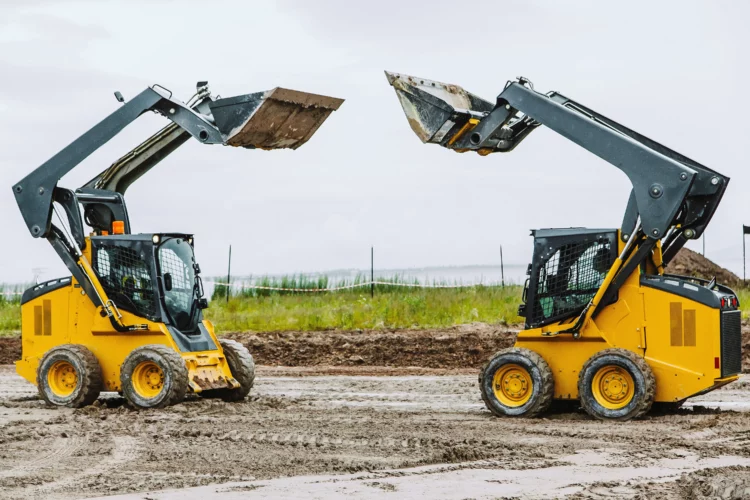
Most homeowners focus on the hydroseeding application itself — the seed mix, the mulch product, the cost per square foot. What they overlook, and what ends up costing them the most in the long run, is what happens before the hydroseeder ever shows up. Site preparation is the foundation of every successful lawn establishment project, and skid steer prep is the most important part of that foundation on yards that need it.
This guide explains what skid steer prep involves, when your yard actually needs it, and why skipping it almost always leads to results you will not be happy with.
What is skid steer prep?
A skid steer is a compact, highly maneuverable piece of equipment used to grade, level, and prepare soil before seeding or landscaping work begins. Skid steer prep — sometimes called yard grading or site prep — refers to using this equipment to get your lawn surface into the right condition for hydroseeding.
Depending on the condition of your yard, skid steer prep can involve grading uneven terrain to create a smooth, consistent surface, breaking up compacted soil so roots can penetrate after seeding, clearing and removing rocks, debris, and old vegetation, cutting down high spots and filling in low areas that collect water, and shaping the grade so water drains away from structures correctly.
The goal is to give the hydroseeding application the best possible surface to land on — one that is level, loose, clear of obstacles, and properly sloped for drainage.
Why site preparation determines your lawn's success
Here is the honest truth about hydroseeding: the application itself is only as good as the surface underneath it. A perfectly mixed slurry with premium seed and high-fiber mulch will underperform on a poorly prepared yard every single time. And a yard that was properly graded and prepped will produce better results even if the seed mix is standard.
Hydroseeding puts seed in contact with whatever is at the surface of your soil. If that surface is compacted clay with no give, the roots cannot penetrate and the grass stays shallow. If the surface is uneven with low spots, water pools and seed rots. If there is construction debris mixed into the top layer, germination is patchy and inconsistent. If the grade slopes toward your foundation instead of away from it, every watering session and every rainstorm pushes water where it should not go.
Skid steer prep addresses all of these problems before they become problems. It is the step that separates a lawn that thrives for years from one that looks decent for a few weeks and then struggles.
When does a yard need skid steer prep?
Not every residential yard needs full skid steer preparation before hydroseeding. Some properties are in good enough condition that a light surface rake and debris clearing is all that is required. But there are specific situations where skid steer prep is not optional — it is essential.
New construction lots almost always need skid steer prep. After a home is built, the yard has been graded by heavy equipment, compacted by construction traffic, stripped of its original topsoil in many areas, and left with an uneven surface full of debris. Hydroseeding directly onto a new construction lot without proper site prep is one of the most common ways homeowners end up with a disappointing lawn that has to be redone.
Yards with significant grading problems need skid steer work before seeding. If your lawn has low spots that stay wet after rain, high spots that dry out too fast, or terrain that is generally uneven and bumpy, grading before hydroseeding will improve both the establishment results and the long-term usability of the space.
Properties coming out of major landscaping or renovation projects often need site prep. Removing old trees, pulling out established shrubs, demolishing structures — all of these activities disturb the soil and leave behind an uneven, debris-filled surface that needs to be addressed before seeding.
Large lots where hand raking is simply not practical also benefit from skid steer prep. On residential lots over a certain size, getting the entire surface properly prepared by hand takes time and effort that most homeowners do not have. A skid steer can cover the same ground in a fraction of the time with a more consistent result.
What happens when you skip site prep
The consequences of skipping or rushing site preparation before hydroseeding are predictable and consistent. Germination is patchy — thick in some areas, thin or absent in others — because the seed-to-soil contact is inconsistent across an uneven or debris-filled surface. Low spots stay too wet and seed rots. High spots dry out too quickly and seed never germinates. Compacted areas produce shallow-rooted grass that struggles through summer heat and drought.
In North Texas, where clay soil compaction is common and new construction activity is constant across the DFW area, these problems come up on poorly prepared yards regularly. The homeowner ends up calling for a reapplication or reseeding, which costs money that proper site prep would have prevented.
The math is straightforward. Spending on proper site preparation before hydroseeding is almost always less expensive than reseeding a failed lawn — and it gets you to a thick, established lawn faster.
How skid steer prep and hydroseeding work together
When skid steer prep and hydroseeding are coordinated by the same contractor or team, the transition from one phase to the next is seamless. The contractor who grades your yard knows exactly what the hydroseed application requires — what surface texture works best, how the edges should be handled, where drainage needs to be directed — and prepares accordingly.
When site prep and hydroseeding are handled by different contractors who do not communicate, details fall through the cracks. The grade is not quite right for the application. Debris that should have been removed is still in the surface layer. The transition from prepped to unprepped areas creates inconsistencies in the final result.
If your project requires skid steer prep, working with a hydroseeding contractor who offers both services — or who closely coordinates with a grading contractor — is worth the extra effort to arrange.
What to ask your contractor about site prep
Before signing any hydroseeding estimate, these are the site preparation questions worth asking directly:
Does my yard need any grading or leveling before the application? A contractor who walks your property should be able to answer this clearly after looking at the terrain and soil condition.
Is site preparation included in this estimate, or is it a separate service? Some contractors include basic surface prep in the hydroseeding quote. Others quote it separately. Know which situation you are in before work begins.
What will you do to address compacted areas? If your soil is visibly compacted, ask specifically how that will be handled before the slurry is applied.
How will debris and rocks be managed? Especially on new construction lots, this question matters. Leftover material from construction mixed into the surface layer is a germination problem waiting to happen.
Will the final grade direct water away from my home and any structures? Drainage should always be part of the grading conversation, not an afterthought.
A contractor who can answer all of these questions clearly and specifically is one who understands that site prep is part of the job — not a separate concern.
The bottom line on skid steer prep and site preparation
Great hydroseeding results start with great site preparation. The seed, the mulch, the fertilizer, and the application technique all matter — but none of them can fully compensate for a poorly prepared surface. On yards that need it, skid steer prep is the most important investment you can make before the hydroseeder arrives.
If you are planning a hydroseeding project and you are not sure whether your yard needs site prep, the answer is to have an experienced contractor walk the property and give you an honest assessment. Do not assume your yard is ready. Do not skip the conversation to save time. The few minutes you spend discussing site preparation upfront can save you weeks of frustration and hundreds or thousands of dollars in reseeding costs later.

Not sure if your yard needs skid steer prep before hydroseeding?
Fox Hydroseeding LLC offers free on-site estimates and will assess your yard's condition personally before recommending anything. We handle both skid steer prep and hydroseeding so your project is coordinated from start to finish.
Get Your Free Estimate → foxhydroseeding.com/contact
Bring Your Property to Life With Expert Hydroseeding
Find Us On


Email address

Phone Number

