


Residential hydroseeding — what to expect from start to finish
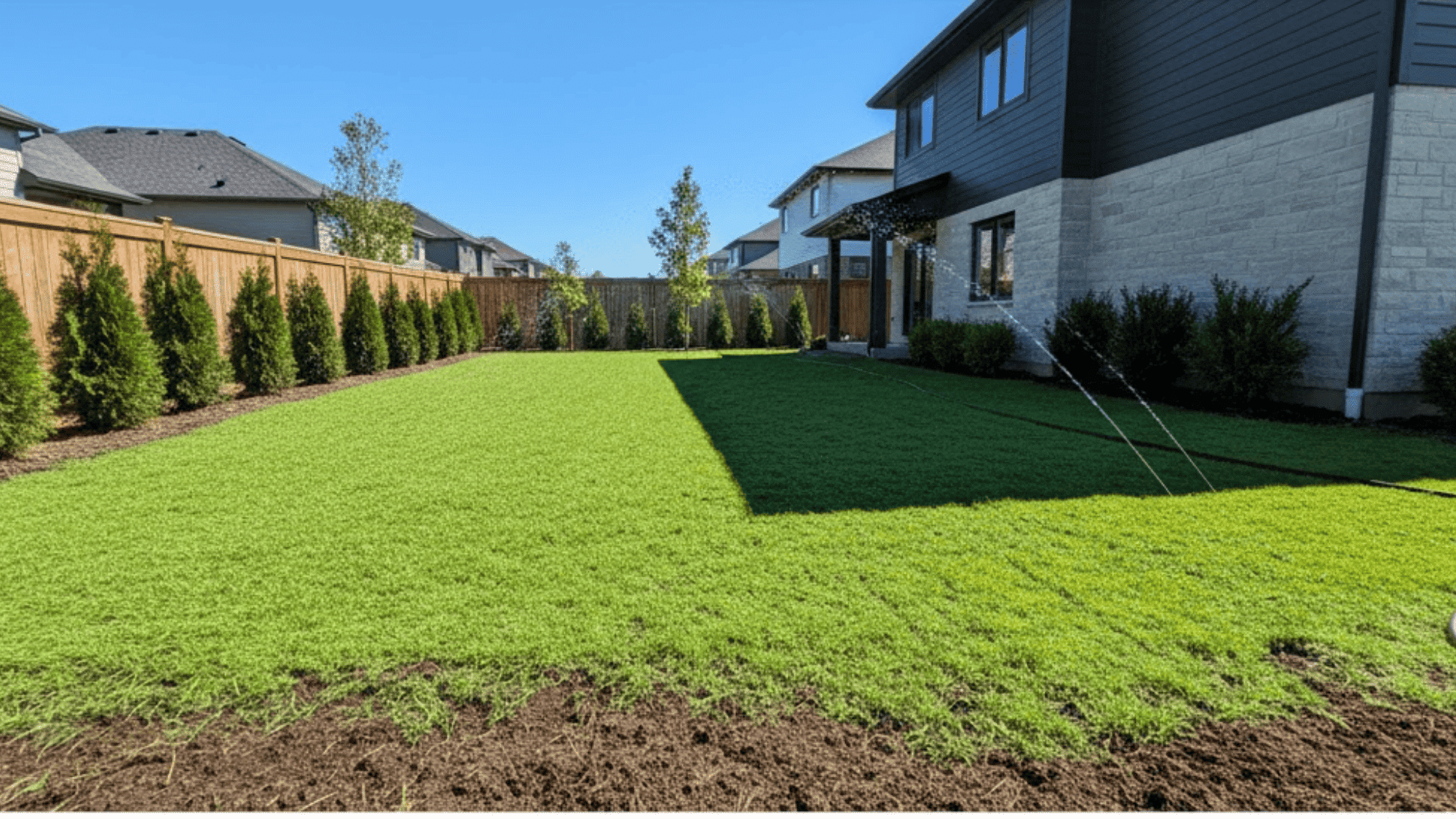
If you are a homeowner considering hydroseeding for your yard, the process probably feels a little unfamiliar. Most people have seen sod installed or watched someone broadcast seed from a bag — but hydroseeding is different, and knowing what to expect before you commit makes the whole experience smoother and the results better.
This guide walks you through every stage of a residential hydroseeding job, from the initial estimate to the day you mow your lawn for the first time.
What residential hydroseeding actually is
Residential hydroseeding is a lawn establishment method where a slurry of grass seed, fiber mulch, fertilizer, tackifier, and water is mixed in a tank and sprayed evenly across your prepared yard. The mulch layer bonds to the soil surface, protecting the seed from heat, wind, and rain while retaining the moisture needed for germination.
It is the same process used on commercial properties, highway embankments, and new construction sites — scaled for a residential yard. The result is a natural, deeply rooted lawn that grows directly in your soil rather than being transplanted from somewhere else.
Step one: the estimate
A residential hydroseeding project starts with an on-site estimate. A qualified contractor will walk your yard, assess the soil condition, note any slopes or drainage areas that need special attention, and discuss your goals — what type of grass you want, how you use the yard, and what your timeline looks like.
This is the most important conversation in the entire process. A contractor who walks your property and asks questions before quoting is doing the job right. One who gives you a price per square foot over the phone without seeing the yard is skipping steps that matter.
The estimate should include a clear breakdown of what is covered — square footage, seed mix, mulch product, and whether site preparation is part of the job or quoted separately. Get it in writing before anything begins.
Step two: site preparation
Before the hydroseeder arrives, the yard needs to be properly prepared. For some residential properties this is minimal — the soil is in decent condition, the grade is acceptable, and a light raking to clear debris is all that is needed. For others, particularly new construction lots or yards that have been heavily disturbed, more work is required.
Site prep for residential hydroseeding typically includes grading to create a smooth, even surface, breaking up compacted areas so roots can penetrate, removing rocks, debris, and construction material, and in some cases adding topsoil or soil amendments to improve growing conditions.
In the DFW area, where clay soil is common and new construction often strips topsoil completely, skipping or rushing site prep is one of the most common reasons residential hydroseeding results disappoint. The seed can only be as good as the surface it lands on.
Some hydroseeding contractors offer skid steer prep as part of their service. If yours does not, make sure the site work is completed before the application date.
Step three: the hydroseeding application
On application day, the contractor arrives with a truck-mounted or trailer-mounted hydroseeder tank loaded with your custom slurry mix. The application itself is straightforward to watch — the operator uses a hose to spray the green slurry across your yard in overlapping passes, ensuring even coverage from edge to edge.
A typical residential yard in the DFW area can be hydroseeded in a few hours. Larger lots or properties with complex layouts — slopes, tight access points, multiple areas — may take longer or require additional setup.
Once the slurry is applied, the yard will look uniformly green from the mulch fiber. That color fades as it dries, which is normal. What matters is that the seed is evenly distributed and the mulch layer is intact across the entire surface.
Step four: the germination window
The two weeks following application are the most critical period of the entire process. This is when the seed needs consistent moisture to germinate, and when most residential hydroseeding results are either made or broken.
In Texas conditions, watering two to three times per day during the first fourteen days is standard. Each session should be light and even — the goal is to keep the surface consistently moist without creating runoff or pooling. Early morning and early evening are the best times to water, with a midday session added during periods of intense heat.
Most homeowners in the DFW area see the first sprouts emerge five to seven days after application. Do not be alarmed if germination is uneven in the first week — different seed varieties in the mix germinate at slightly different rates, and areas with more sun or better soil contact will show growth first.
Keep foot traffic and pets off the hydroseeded area during this entire window. The seed mat is fragile until the grass is established, and even light foot traffic can disrupt germination in the early days.
Step five: establishment and early growth
Between weeks two and four, your residential lawn transitions from scattered sprouts to solid coverage. This is when the grass starts to look like a real lawn, and most homeowners in Texas see the biggest visible progress during this window.
Continue watering consistently but begin transitioning toward deeper, less frequent sessions around the two-week mark. Instead of three light sessions per day, move toward one or two longer waterings that encourage the roots to grow downward into the soil. Deep roots are what make a Texas lawn durable through summer heat and dry stretches.
Avoid fertilizing during this period unless your contractor specifically recommends it. Most professional hydroseeding applications include a starter fertilizer in the slurry, which provides what the seedlings need for the first four to six weeks.
Step six: your first mow
Your first mow is a milestone — it means the lawn is established enough to handle light stress. Wait until the grass reaches three to four inches before mowing for the first time, which typically happens three to five weeks after application for most warm-season grasses in the DFW area.
Keep the blade high on the first few passes — no lower than two and a half to three inches. Cutting too short too early stresses young grass before the root system is ready to support recovery. Use a sharp blade and avoid mowing when the ground is soft or wet.
After the first mow, your lawn is officially past the establishment phase. From here, standard lawn care — regular watering, seasonal fertilizing, and appropriate mowing height for your grass type — keeps it thick and healthy through the seasons.
Common questions from residential hydroseeding customers
How long does a residential hydroseeding job take? Most residential applications are completed in a single day. The yard is ready to water immediately after the contractor leaves.
Will the green color wash off? The green you see right after application comes from the mulch fiber dye, which is designed to fade as the mulch breaks down. It is not permanent and washes away naturally over the first few weeks.
What if it rains right after the application? Light rain in the first 24 hours is usually fine and can actually help with germination. Heavy rain or runoff in the first 48 hours on a slope can displace the slurry — contact your contractor if you see significant washout.
Can hydroseeding be done on a slope? Yes. Hydroseeding is one of the most effective methods for establishing grass on residential slopes. Steeper grades may require a bonded fiber matrix product rather than standard mulch for better erosion protection.
What makes a residential hydroseeding job successful
The homeowners who get the best results from residential hydroseeding share a few things in common. They chose a contractor who walked the property and explained the process before quoting. They made sure site preparation was done properly before application. They committed to the watering schedule during the germination window. And they had realistic expectations about the three to four week timeline for full establishment.
None of that is complicated. It just requires the right contractor and a few weeks of consistent follow-through on your end.

Thinking about hydroseeding your yard?
Fox Hydroseeding LLC is owner-operated and personally handles every residential estimate in the DFW area. We walk your property, explain exactly what is involved, and give you a clear written quote before any work begins.
Get Your Free Estimate → foxhydroseeding.com/contact
Bring Your Property to Life With Expert Hydroseeding
Find Us On


Email address

Phone Number

