


New homeowner with no lawn — how to get grass started the right way in Texas
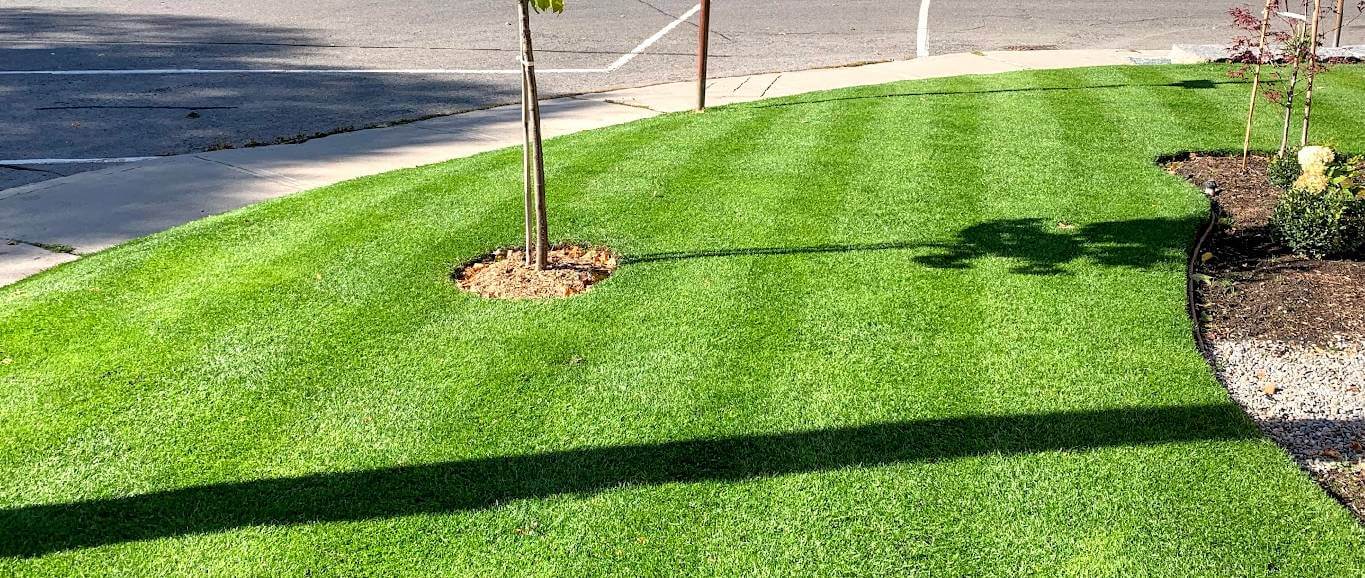
Moving into a new home with no established lawn is one of the most common lawn establishment starting points in the DFW area — and one of the most overwhelming for homeowners who have never established grass from scratch before. The bare dirt that the builder left or the cleared lot that came with the property looks like a blank canvas that should be simple to address. The reality is that the blank canvas has specific conditions that determine whether whatever you plant on it succeeds or fails — and understanding those conditions before making any decisions is the most valuable thing a new homeowner can do before spending money on grass.
This guide is specifically for new homeowners in the DFW area who are starting from no established lawn and want to get it right the first time — covering every decision from assessing the starting conditions through the end of the first growing season.
Why new homeowner lawn projects fail so often
New homeowner lawn establishment failures in Texas follow a specific pattern that almost always comes back to the same root causes — not bad luck not unusually difficult conditions but the specific decisions that most new homeowners make without the information that would have produced different choices.
The most common failure pattern starts with the impulse to act quickly. The bare yard looks like a problem that should be solved immediately and the most accessible solution — bags of grass seed from the home improvement store spread across the yard — feels like the obvious first step. The seed goes down on whatever surface the builder left. The watering begins with a garden hose and the best intentions. The germination is patchy. The coverage is thin. The summer heat arrives before adequate root depth develops. The lawn that looked promising in May is struggling by August.
The second cycle starts the following spring. More seed same surface somewhat improved watering somewhat improved result still not the lawn the homeowner imagined. The pattern continues until either the homeowner discovers what was missing or accepts a lawn that perpetually underperforms.
What was missing in every cycle is the same thing — an accurate understanding of the starting conditions and the preparation that those conditions require before any establishment approach produces the result it is capable of.
The starting conditions that matter
Before making any decision about grass type timing or establishment method assess the specific starting conditions of your property. These conditions determine what preparation is needed before any establishment approach and which establishment approaches are appropriate given the specific situation.
Soil condition is the most important starting condition. New construction lots in the DFW area almost universally have severely compacted clay subsoil at the surface — the result of months of construction equipment running across the lot combined with the natural stripping of organic-rich topsoil during excavation and grading. This compacted subsoil is a poor growing medium for grass regardless of the establishment method used on top of it without addressing the compaction and the soil quality.
Press the heel of your foot firmly into the surface of the bare yard. On a well-prepared soil suitable for grass establishment your heel sinks slightly and the soil gives underfoot. On a compacted construction subsoil your heel barely makes an impression and the surface feels more like hard clay than workable soil. The difference between these two conditions represents the preparation work needed before establishment.
Push a screwdriver into the surface to a depth of six inches. Easy penetration indicates workable soil. Significant resistance within two to three inches indicates compaction that needs mechanical relief before roots can develop the depth that summer performance requires.
Look at the color and texture of the surface soil. Dark crumbly soil with visible organic matter indicates quality that can support establishment. Pale dense clay with no visible organic matter indicates the stripped subsoil condition that topsoil addition addresses before establishment.
Surface debris is the second starting condition assessment. Walk the full yard and look specifically for construction material mixed into the surface layer — rocks concrete chunks wire nails and other debris that will create bare spots in germination patterns and damage mowing equipment after the lawn is established. New construction lots almost always have more subsurface debris than the surface appearance suggests — rake the top inch or two to expose what is below.
Drainage patterns are the third assessment. Is there a section of the yard that looks lower than surrounding areas where water would collect after rain. Are there slope sections that would generate runoff during irrigation or rain events. Are there areas where the grade directs water toward the house foundation rather than away from it. These drainage conditions affect both the establishment and the long-term maintenance of the lawn.
The preparation that changes everything
The assessment of the starting conditions drives the preparation scope — and the preparation investment is the decision that determines the ceiling of what any establishment approach can achieve on your specific property.
For new construction lots with confirmed compaction mechanical compaction relief before any seeding approach is the preparation that most dramatically affects establishment quality. This means skid steer work tilling or deep aeration that breaks up the compressed surface layer to a depth that root development can access. The specific method depends on the severity of the compaction and the scale of the area — a contractor who walks the property and assesses the soil condition directly can recommend the right approach for the specific conditions.
Topsoil addition on lots where the surface soil is stripped or depleted creates the growing medium that organic-poor clay subsoil cannot provide. Two to three inches of quality screened topsoil blended into the loosened surface gives the new grass a germination medium with the organic matter and structure that root development requires through the first growing season.
Debris removal before any establishment approach prevents the bare spots that construction material creates in germination patterns. Two thorough walkthrough passes with careful raking expose the subsurface debris that a quick visual inspection misses.
Drainage correction before establishment addresses the grade problems that create chronic wet or dry zones in specific sections of the yard. Filling low spots and establishing positive drainage away from structures is most efficiently done before any grass is in the ground rather than after.
Choosing the right grass for your specific yard
With the starting conditions assessed and the preparation scope identified the grass type decision should be based on the specific conditions of your yard — primarily the sun exposure of each section and the seasonal timing available for establishment.
For most new DFW construction lots in full sun Bermudagrass is the right choice for the warm-season lawn that performs best in the conditions Texas delivers through spring summer and fall. Its heat tolerance drought resilience and aggressive lateral growth that fills in thin sections make it the appropriate choice for the active family backyard and the maintained front lawn in the suburban DFW context.
For yards with significant shade from preserved mature trees or from the orientation of the house structure shaded sections need a different approach than Bermuda-only. Tall Fescue established in fall produces lasting coverage in shaded sections where Bermuda progressively thins — and the fall establishment window for Fescue gives new homeowners who moved in during spring or summer a specific action item for October that addresses the shade zones correctly.
For new homeowners who moved in during fall the grass type timing conversation flips — Fescue can be established now in the shaded sections while Bermuda establishment in the full-sun sections waits for the spring window.
The establishment method that gives new homeowners the best first-time result
For new homeowners who want the most reliable first-time establishment result on a new construction lot in Texas conditions hydroseeding on properly prepared soil produces the consistency and germination quality that the challenges of this starting point require.
The specific advantage of hydroseeding over broadcast seeding for a new construction lot is the protective slurry layer that addresses the seed-to-soil contact consistency and moisture retention challenges that bare seed placement on a new construction surface consistently fails to overcome. The North Texas heat that dries bare seed between sessions. The clay surface that forms a crust impenetrable to lightweight grass seed. The variable rainfall that displaces seed before it germinates. The hydroseeding slurry addresses all three of these challenges simultaneously — giving the new homeowner the reliable first-attempt result that the investment and the frustration-avoidance motivation both justify.
What the first year actually requires from you
The first year of lawn ownership in Texas requires more active management than subsequent years — and being prepared for that reality before it arrives produces better results than discovering it mid-summer.
The establishment period — four to six weeks from the hydroseeding application through the first mow — requires the consistent watering schedule that germination depends on. Two to three sessions per day during the first fourteen days in Texas conditions. No foot traffic for four weeks. First mow at three to four inches with a sharp blade at high setting.
The first growing season — from first mow through fall dormancy — requires the progressive deep watering that builds the root depth the first summer depends on. Each week's irrigation sessions penetrating slightly deeper than the previous week's — building the root depth that makes the lawn resilient to summer heat rather than stressed by it.
Year two is noticeably easier than year one. Year three is easier than year two. The investment in year one management compounds forward into the progressively lower-maintenance lawn that every new homeowner imagines when they picture the outdoor space they want their property to eventually be.
The bottom line for new homeowners
The new homeowner lawn project that succeeds on the first attempt is the one that starts with an accurate assessment of the starting conditions makes the preparation investment those conditions require chooses the right grass type for the actual conditions of the yard times the establishment to the appropriate seasonal window and manages the establishment period with the consistency the biology requires.
None of these steps are complicated. All of them require the specific information that most new homeowners do not have before their first attempt — and that this guide provides before any investment is made rather than after a disappointing first result reveals what was missing.

Just moved in with no lawn and want to get it started right the first time?
Fox Hydroseeding LLC works with new homeowners across the DFW area and personally walks every property before making a preparation and application recommendation. We make sure the first attempt is the right one.
Get Your Free Estimate → foxhydroseeding.com/contact
Bring Your Property to Life With Expert Hydroseeding
Find Us On


Email address

Phone Number

