


Lawn watering mistakes that are killing your grass — and what to do instead
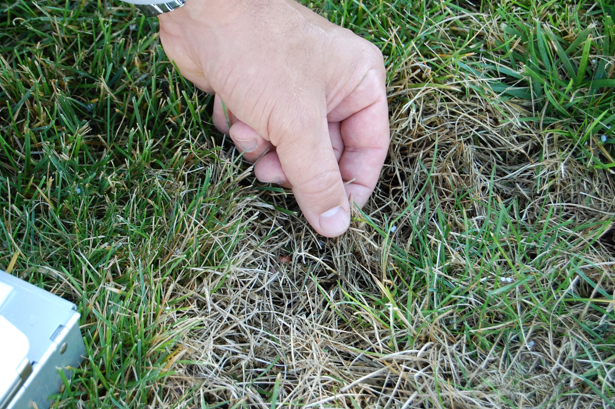
Most homeowners who struggle with their Texas lawn are not struggling because they are neglecting it. They are struggling because they are watering it — just not in the way that produces the results they are after. Watering mistakes are the most common cause of lawn problems in the DFW area and they are particularly damaging because they look like conscientious effort while producing outcomes that range from disappointing to genuinely harmful.
The counterintuitive reality of lawn watering in Texas is that more water applied incorrectly produces worse results than less water applied correctly. Understanding why — and knowing what correct looks like at every stage of the lawn's life — is what separates the homeowner whose lawn thrives through summer from the one who waters faithfully and still ends up with a stressed struggling yard by August.
This guide covers every significant watering mistake Texas homeowners make what each one does to the lawn and exactly what to do instead.
Mistake one: watering shallow and frequent on an established lawn
The most widespread watering mistake on established Texas lawns is running short irrigation sessions too frequently — watering every day or every other day with sessions that wet only the top two to three inches of the soil profile. This feels like responsible attentive lawn care. It is actually producing one of the most consequential problems a Texas lawn can have — a chronically shallow root system.
Roots follow water. When moisture is consistently available only in the top two to three inches of soil roots have no reason to develop deeper. The lawn develops a shallow root system that works fine when everything is going well and fails dramatically when the conditions change — during a drought period when surface moisture evaporates quickly during a restriction that interrupts the daily watering schedule or during the peak heat of a Texas August when the surface soil temperature reaches levels that stress shallow roots directly.
The lawn that looks fine with daily shallow watering in June looks terrible in July when anything interrupts the schedule or the heat intensity increases past what shallow roots can compensate for. The shallow roots that frequent short sessions trained into the soil surface are the cause of that vulnerability.
What to do instead: water deep and infrequent. Sessions long enough to penetrate six to eight inches into the soil profile — confirmed by pushing a soil probe or screwdriver into the soil after watering and checking where it meets resistance — with enough time between sessions for the surface to dry partially before the next one. For established Bermudagrass in the DFW area this typically means one to two longer sessions per week during the growing season rather than five to seven short daily ones.
The root system that develops in response to deep infrequent watering is fundamentally more drought-resilient than one trained by shallow frequent watering. The difference shows most clearly in July and August when the lawn managed with deep roots maintains composure that the shallow-rooted lawn cannot match.
Mistake two: watering at the wrong time of day
Watering timing affects both the efficiency of the water delivered and the disease risk to the lawn. Midday irrigation in Texas summer conditions — running sprinklers at noon or one in the afternoon — delivers a fraction of the water to the root zone compared to morning irrigation because the combination of heat direct sun and peak wind velocity evaporates a significant portion of the applied water before it penetrates the soil. The irrigation system runs its full cycle and the roots receive maybe sixty percent of what was applied because the rest evaporated before it reached them.
Evening irrigation — running sprinklers late in the day or at night — avoids the evaporation problem but creates a fungal disease risk. Grass blades that are wet through the overnight hours when temperatures cool and humidity rises are in the conditions where fungal pathogens are most active. Consistent evening or nighttime watering on Texas lawns promotes brown patch and other fungal diseases that morning irrigation largely avoids.
What to do instead: water early in the morning — ideally completing irrigation before 9 or 10 in the morning. Morning watering gives the applied water maximum time to penetrate to the root zone before heat and sun increase evaporation rates. The grass blades dry during the day as temperatures rise. The roots receive the full benefit of the applied water without the fungal risk that overnight moisture creates.
For homeowners with automatic irrigation systems programming the start time is a simple adjustment that has immediate impact on both irrigation efficiency and disease risk. For homeowners managing manual watering the early morning session is the highest-value commitment in the daily routine.
Mistake three: ignoring the lawn's signals and watering on a fixed schedule
Fixed-schedule irrigation — running the system for the same duration at the same frequency regardless of what the lawn actually needs — wastes water when the lawn does not need it and under-delivers when it does. After a week of moderate spring rainfall with cooler temperatures the same irrigation schedule that was right in July is overwatering in May. During a heat wave or an extended dry stretch the schedule that worked through a mild summer week is insufficient.
Fixed-schedule irrigation treats the lawn as a static system with consistent needs rather than a living system whose needs change with weather temperature soil moisture and seasonal conditions. The result is chronic over or under-delivery relative to what the lawn actually requires — producing either the wet stressed conditions of overwatering or the drought stress of insufficient water depending on the current weather.
What to do instead: use the lawn's signals rather than a fixed schedule as the primary watering trigger. The blue-grey tint that precedes visible drought stress in Bermudagrass. The blade folding that indicates moisture stress. The footprints that stay visible rather than springing back when the grass is adequately hydrated. These signals tell you when the lawn needs water — and learning to read them is more accurate than any fixed schedule.
Smart irrigation controllers that use weather data and soil moisture sensors to adjust the schedule automatically are the technology version of the same approach — they reduce water use while improving lawn performance because they apply water in response to actual conditions rather than a calendar.
Mistake four: overwatering a newly established lawn at the wrong stage
Overwatering at the wrong stage of a new lawn's establishment is a distinct mistake from the shallow-frequent watering of an established lawn — it happens when the germination-phase watering schedule is not transitioned at the appropriate time.
The three-times-daily light watering that is correct during the germination window becomes harmful if maintained past week two or three when the young root system needs to be encouraged downward rather than supported at the surface. Continuing frequent shallow watering past the germination phase keeps the root system near the surface — producing the same shallow root problem as on an established lawn watered too frequently but without the benefit of the correction window that an established lawn offers.
The homeowner who successfully manages the germination window — three sessions daily for two weeks producing reliable establishment — but then continues that schedule through month two is inadvertently training the developing root system to stay shallow at the very point in the lawn's development when root depth is being established for years.
What to do instead: transition the watering schedule deliberately around day fourteen to sixteen — moving from frequent shallow sessions toward less frequent deeper ones as germination completes. The transition should be gradual — not abrupt — but it should happen on schedule rather than continuing the germination watering past its appropriate window.
Mistake five: not adjusting for the soil type
Texas clay soil and Texas sandy soil require completely different watering approaches — and applying the same schedule to both produces wrong results in both cases.
Clay soil absorbs water slowly and holds it well. Long irrigation sessions on clay before the soil has absorbed the initial water application produce runoff — the water that arrives faster than the clay can absorb it runs off the surface rather than penetrating. The irrigation cycle runs its full duration and a significant portion of the applied water never reaches the root zone. The correct approach for clay is cycle and soak — shorter sessions with absorption breaks between applications that allow the clay to absorb each increment before the next one is applied.
Sandy soil absorbs water quickly and holds it poorly. The same session duration that penetrates six inches into clay may penetrate twelve inches into sandy soil — driving water below the root zone where it is not available to grass roots. Sandy soil needs more frequent shorter sessions that maintain root-zone moisture without flushing water below the depth where roots can access it.
What to do instead: calibrate the irrigation approach to the actual soil type in your yard. On clay the cycle and soak method is not a workaround — it is the correct approach for the soil characteristics. On sandy soil more frequent lighter sessions replace the deep infrequent schedule that clay benefits from. The principle of deep root development still applies on sandy soil — the execution is just different because the soil holds water differently.
Mistake six: running irrigation during or immediately after rain
Rain sensors and smart controllers have largely addressed this mistake in well-equipped irrigation systems — but homeowners without automatic shutoff capabilities or with malfunctioning rain sensors regularly run irrigation cycles during or immediately after rainfall events that made the irrigation unnecessary.
Running irrigation on a wet lawn compounds the waterlogging in low spots that creates the anaerobic conditions grass roots cannot survive. It wastes water at exactly the point when the lawn has received natural moisture that reduces or eliminates the irrigation need. And in clay soil that has already absorbed significant rainfall it produces surface runoff that carries away applied water and potentially erodes newly seeded areas.
What to do instead: check rainfall totals and soil moisture before running irrigation during periods of natural rainfall. A rain gauge gives accurate information about how much natural moisture has been delivered. Turning off the automatic schedule after significant rain events and monitoring soil condition before resuming maintains the deep root development benefits of the regular schedule without the waste and potential damage of watering a lawn that does not need it.
Mistake seven: skipping irrigation during dormancy when the soil is extremely dry
The opposite mistake from overwatering a dormant lawn — which is addressed in most general guidance — is allowing the soil to become so dry during dormancy that crown viability is threatened. Dormant Bermudagrass does not need active irrigation. It does need the minimum soil moisture that keeps the crown system viable through the winter months.
Extended dry winters — which the DFW area experiences in some years — can push dormant Bermuda lawns toward moisture stress severe enough to affect spring green-up quality and coverage. The crowns that survived the freeze conditions of winter struggle to generate vigorous spring growth from soil that has been extremely dry for months.
What to do instead: provide occasional deep watering during extended dry periods through winter dormancy — once every two to three weeks when natural rainfall has not delivered adequate moisture. This is not active irrigation maintenance. It is drought protection for the crown and root system that spring green-up depends on.
Mistake eight: treating all lawn sections with the same irrigation schedule
A yard with sections of different sun exposure different soil types different drainage characteristics and different grass types in some cases has sections with different water needs — and running every zone on the same schedule produces over-delivery in some sections and under-delivery in others.
The shaded Fescue section near the north fence needs less irrigation than the full-sun Bermuda in the center of the backyard. The low spot near the back gate that collects drainage from surrounding areas needs less irrigation than the high well-drained section near the center. The section with clay soil that holds moisture longer needs a different cycle-and-soak approach than the section with sandy loam that drains faster.
What to do instead: program individual zones on your irrigation system independently based on the specific needs of what each zone covers — shade versus sun coverage soil type exposure and grass variety. Zone-by-zone calibration produces better lawn performance with less total water use than treating the whole yard as a single system with a single schedule.
The bottom line on lawn watering mistakes
Most Texas lawn watering problems are not caused by too little commitment — they are caused by commitment applied in the wrong way. Watering every day but too shallowly. Watering at the wrong time of day. Watering on a fixed schedule that ignores what the lawn actually needs. Each of these mistakes produces poor lawn performance despite real effort invested in managing the lawn.
The corrections are not complicated. Deep infrequent sessions for established lawns. Morning timing. Lawn signal-responsive scheduling. Soil-type-calibrated application rates. Graduated transition from germination watering to establishment watering. These are the adjustments that make Texas lawn watering work rather than just happen.

Have questions about the right watering approach for your specific lawn?
Fox Hydroseeding LLC walks every homeowner through the complete watering schedule before leaving the job site — both the establishment phase requirements and the mature lawn schedule that follows. We make sure the investment in the application is protected by the management approach that follows it.
Get Your Free Estimate → foxhydroseeding.com/contact
Bring Your Property to Life With Expert Hydroseeding
Find Us On


Email address

Phone Number

