


Lawn renovation vs lawn restoration — how to know which one your yard actually needs
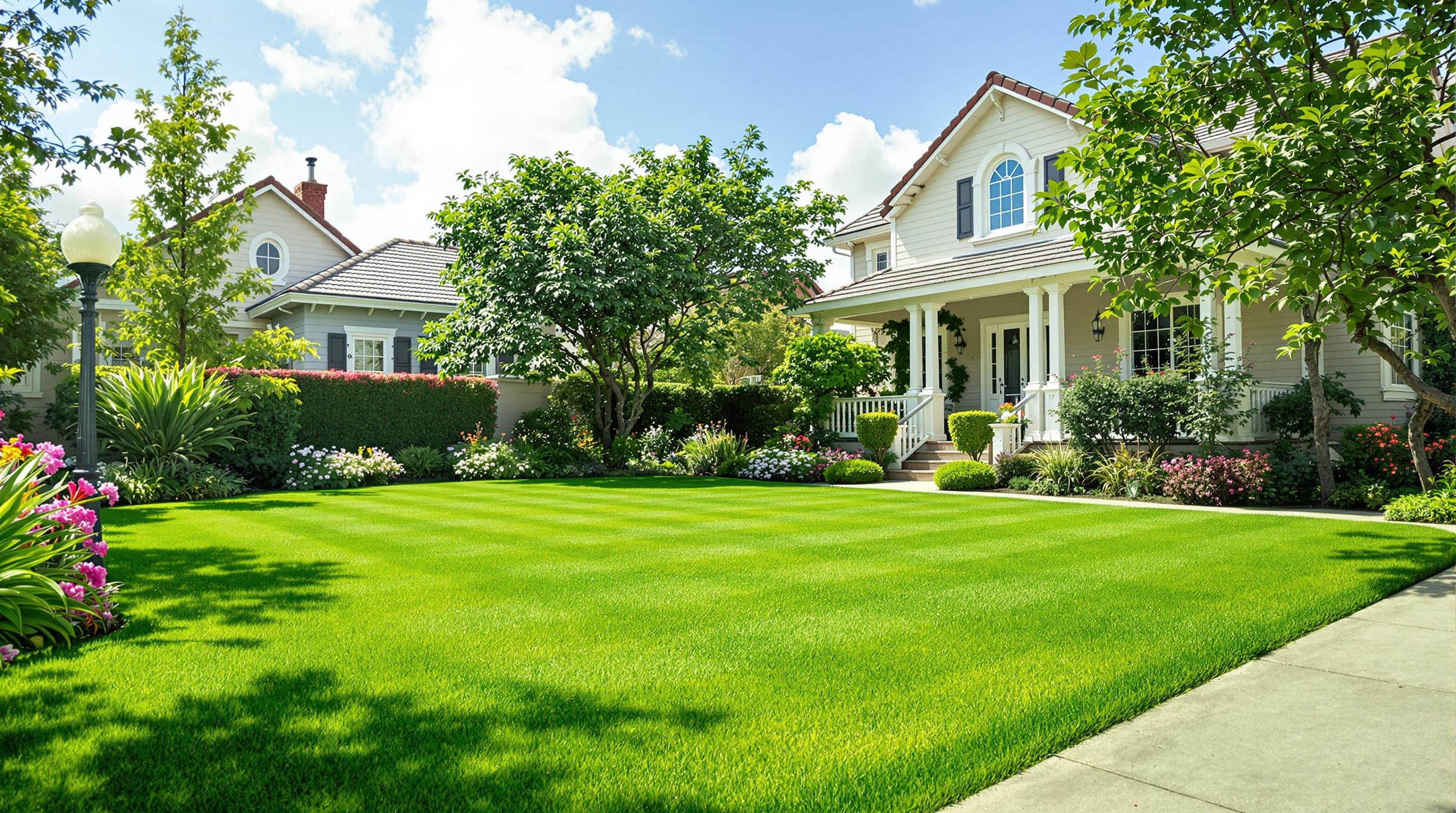
Two homeowners with struggling lawns both need to do something. One of them needs targeted renovation — addressing the specific sections and underlying causes that are limiting performance while the majority of the existing lawn is preserved and built upon. The other needs full restoration — clearing what is there replacing it completely and starting the establishment process from a properly prepared surface.
Both of these homeowners will sometimes get the wrong recommendation — the one who needed renovation gets sold a full restoration that costs more than necessary and the one who needed restoration gets sold a renovation that produces temporary improvement without addressing what made the lawn fail in the first place. Knowing which situation you are in before calling anyone is the most valuable thing you can do before spending money on your lawn.
This guide gives you the framework to make that determination accurately for your specific yard.
What lawn renovation is and when it is the right answer
Lawn renovation is the process of improving an existing lawn by addressing specific problems within a generally viable existing turf base. The key word is existing — renovation works on lawns where a meaningful portion of the surface still has living viable grass that can be built upon and where the underlying conditions support the existing grass well enough that improvement through targeted intervention produces lasting results.
Renovation approaches include overseeding or hydroseeding thin and bare sections while the existing turf base remains. Aeration and topdressing to improve soil structure and organic matter content. Dethatching to remove accumulated thatch that is limiting water and nutrient penetration. Targeted pest or disease treatment of specific problem areas. Correcting irrigation coverage gaps or drainage issues that are creating localized stress.
Renovation is the right answer when more than fifty percent of the lawn surface has living actively growing grass — meaning there is a viable base to build upon. When the identified problems are specific to certain sections rather than systemic across the full yard. When the grass type is appropriate for the conditions and the performance issues are caused by correctable soil water or pest problems rather than fundamental mismatch. And when the existing turf has not been so compromised by years of poor establishment or ongoing unresolved conditions that it will produce the same results after renovation as it has been producing without it.
The renovation approach preserves the investment in the existing turf — the years of growth that have gone into establishing whatever base is there — and improves on it rather than discarding it. When the existing base is worth building on renovation is the more cost-efficient and time-efficient path to the lawn quality the homeowner is after.
What lawn restoration is and when it is the right answer
Lawn restoration — sometimes called full renovation or complete lawn reset — is the process of removing or killing the existing lawn entirely and starting over with properly prepared soil and a new establishment. Restoration is appropriate when the existing lawn is too far compromised to serve as a viable base for improvement through targeted renovation.
Restoration involves killing or removing existing vegetation through herbicide application or mechanical removal allowing adequate time for treated material to die back addressing the underlying soil conditions that contributed to or caused the existing lawn's failure and then hydroseeding the full area in the appropriate seasonal window for the chosen grass type.
Restoration is the right answer when coverage has declined below the threshold where a viable base remains — typically when more than fifty percent of the surface is bare dead or dominated by weeds. When the lawn has been renovated multiple times without lasting improvement indicating that the conditions causing the failure have never been addressed. When the existing grass type is wrong for the conditions of the yard — Bermuda that has been thinning in shade despite repeated overseeding attempts needs restoration with the right grass not renovation with more Bermuda. When the soil conditions beneath the lawn are so poor that no renovation approach can produce adequate results without first addressing the soil.
Restoration is more expensive and more time-consuming than renovation — it involves the full site preparation process that precedes any new establishment plus the establishment period management that follows. But when the existing lawn does not provide a viable base restoration is the only approach that produces lasting improvement rather than temporary cosmetic change that returns to the same poor condition within a season.
The assessment that tells you which one you need
The determination between renovation and restoration comes from walking the yard honestly and answering a series of specific questions. Not what the yard could look like with the right approach but what it actually is right now.
Question one: what is the current coverage percentage. Stand at different points across the yard and estimate honestly what fraction of the surface has living grass versus bare ground dead material or weeds. More than fifty percent living grass — possible renovation candidate. Less than fifty percent living grass — probable restoration candidate.
Question two: is the existing grass type right for the conditions. For every section of the yard assess whether the grass that is there is appropriate for the sun exposure temperature and use conditions of that specific section. Bermuda thinning under a tree canopy that has grown fuller over the years — wrong grass type regardless of coverage. Fescue struggling in full sun through Texas summer — wrong grass type. The right grass in reasonable coverage is a renovation candidate. The wrong grass in any coverage level will produce the same failure from renovation that it has been producing without it.
Question three: have renovation attempts been tried before without lasting improvement. If the same thin sections have been overseeded multiple times across multiple seasons without the improvement holding through more than one season the conditions causing the failure have not been addressed. Repeated renovation failure is the clearest signal that restoration — which includes addressing those underlying conditions — is the appropriate next step.
Question four: what are the underlying conditions and are they addressable within the existing lawn context. Compaction that can be relieved through aeration within the existing lawn structure — potentially addressable through renovation. Compaction so severe that adequate relief requires skid steer work or deep tilling that would disrupt the existing lawn surface — points toward restoration since the surface must be disrupted anyway. Drainage correction that can be made through minor grading adjustments around the existing lawn — potentially manageable within renovation. Drainage correction that requires significant regrading that would disrupt the existing surface — points toward restoration since the grade work creates the bare surface that restoration addresses.
Question five: what is the realistic timeline comparison. Renovation on a viable existing base produces visible improvement within a single growing season. Restoration on a properly prepared surface produces a fully established new lawn in four to six weeks followed by progressive improvement through the first growing season. If the renovation approach would require two to three seasons to achieve the target lawn quality because the existing base is thin and slow-filling restoration that produces a better result in a shorter total timeline may actually be the more time-efficient choice despite the higher upfront investment.
The scenarios that are clearly renovation
An established Bermudagrass lawn with seventy percent coverage that thinned after a drought year and has several persistent bare sections that did not recover. The existing grass is the right type for the conditions. The soil structure is adequate. The drainage is fine. The bare sections are specific and isolated. Targeted hydroseeding of the bare sections after aerating and dethatching to improve seed contact — renovation.
A Fescue lawn in a shaded backyard that thinned through the summer and has approximately sixty percent coverage heading into fall. The existing Fescue is the right type for the shaded conditions. The fall window is about to open for Fescue establishment. The thin sections can be addressed through fall hydroseeding overseeding while the existing Fescue base continues through the cool season — renovation with fall timing.
A lawn on a residential property that was last renovated two years ago and has maintained sixty-five percent coverage with specific problem areas around high-traffic zones and a drainage low spot. The grass type is appropriate. The problem areas have identifiable causes — compaction in the traffic zones and drainage correction needed at the low spot. Addressing the causes and hydroseeding the affected sections — renovation.
The scenarios that are clearly restoration
A new construction lot that the builder left with bare compacted subsoil and no topsoil addition. There is no existing lawn base. The soil needs mechanical compaction relief and topsoil addition before any seeding method produces lasting results. This is restoration — the full establishment process on a properly prepared surface — regardless of whether it is called renovation by the contractor quoting it.
A lawn where Bermuda has been declining for three years in sections that receive increasing shade from trees that have matured. The coverage in the affected sections is below thirty percent. Overseeding with Bermuda has been attempted twice without improvement. The correct resolution is restoration of those sections with Tall Fescue in the appropriate fall window — not another Bermuda renovation that will produce the same result.
A lawn where persistent bare sections have been overseeded four times across three seasons without lasting improvement and where the soil examination reveals severe compaction that aeration alone has not adequately addressed. The renovation approach has been tried and failed repeatedly. The underlying cause — severe compaction — requires skid steer or deep tilling work that will disrupt the existing lawn surface anyway. Restoration with proper compaction relief before the new establishment — the right answer.
A lawn where weeds now account for more than sixty percent of the visible surface coverage. Killing the weeds through selective herbicide would leave a surface that is predominantly bare. The viable turf base that renovation requires is not present. Restoration after killing the weeds and preparing the surface properly — the right approach.
The middle ground: targeted restoration within partial renovation
Some yards do not fall cleanly into full renovation or full restoration — they have sections in each category. The front yard may have viable existing coverage that can be renovated while the backyard has declined past the threshold where restoration is needed. Different sections of the same yard may have different grass types — some appropriate for their conditions and worth building on through renovation and some wrong for their conditions requiring restoration with the right grass.
In these mixed situations the practical approach is section-by-section assessment rather than a single whole-yard decision. Identify which sections are viable renovation candidates and which need restoration. Plan and execute each section with the approach appropriate for it rather than applying a single whole-yard strategy that is right for some sections and wrong for others.
Hydroseeding supports both approaches — renovation overseeding of sections where the existing base remains and full establishment application on sections where restoration is the right answer. The preparation differs between the two approaches — lighter surface preparation for renovation sections and more thorough soil work for restoration sections — but the establishment method itself is consistent.
The contractor conversation that helps you decide
If you are uncertain after the self-assessment which approach is right for your specific yard a contractor walkthrough is the most reliable way to get a clear recommendation. The contractor who walks your property carefully assesses the coverage percentage identifies the grass type match for each section examines the soil condition and asks about the renovation history is the contractor who can give you an accurate assessment of which approach your yard actually needs.
Be specific in the contractor conversation about your renovation history — how many times and how recently you have attempted to improve specific sections without lasting success. That history is one of the strongest indicators of whether the conditions causing the problem have been addressed and whether renovation will produce different results this time or the same ones as before.
A contractor who recommends full restoration on a yard with viable existing coverage without clear explanation of why the existing base is not worth building on is worth questioning. A contractor who recommends renovation on a yard that clearly needs soil work that renovation cannot provide is also worth questioning. The recommendation should be justified by what the contractor observed in the walkthrough not by which approach is more profitable or more convenient to execute.
The bottom line on renovation versus restoration
The distinction between renovation and restoration is not about how much work gets done or how much is spent — it is about whether the approach matches what the yard actually needs. Renovation on a yard that needs restoration produces the temporary improvement cycle that leads homeowners back to the same conversation every season. Restoration on a yard that would have responded to renovation wastes money and time on a complete restart that was not required.
Getting this decision right before calling anyone — through the honest self-assessment framework described above — produces either the right conversation with the right contractor or the clarity that no contractor conversation is needed because you already know what approach your yard requires.

Not sure whether your lawn needs renovation or a complete reset?
Fox Hydroseeding LLC personally assesses every property before making a recommendation — and gives you an honest evaluation of which approach your specific yard actually needs rather than the one that is more profitable to deliver.
Get Your Free Estimate → foxhydroseeding.com/contact
Bring Your Property to Life With Expert Hydroseeding
Find Us On


Email address

Phone Number

