


Lawn care after a Texas freeze — how to assess the damage and know exactly what to do next
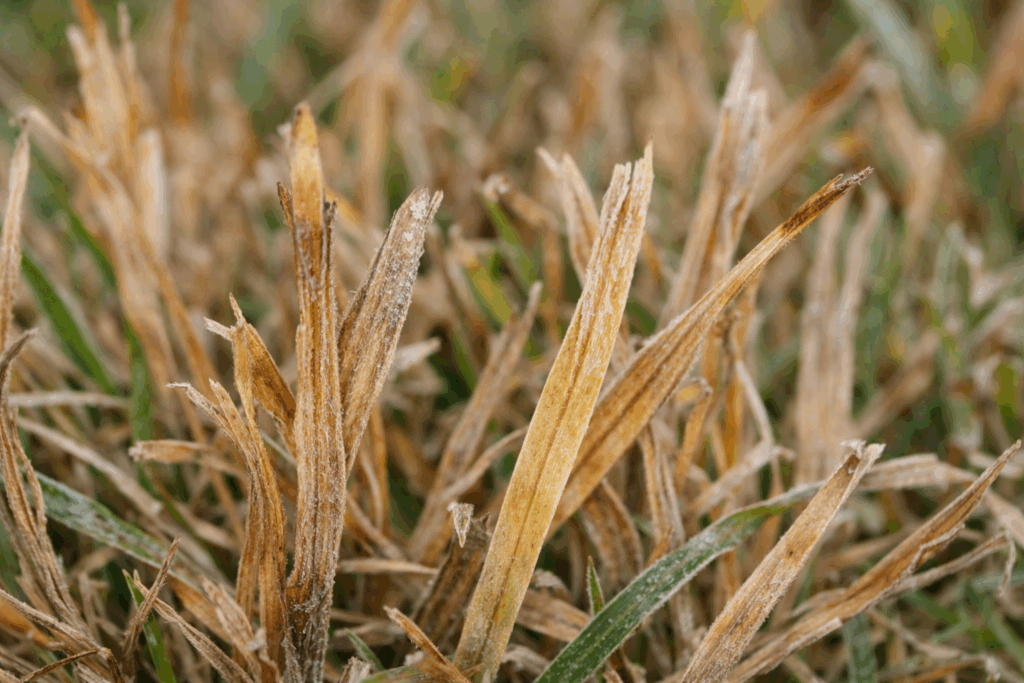
A significant freeze event in the DFW area produces the same visible result across every Bermudagrass lawn — brown. The lawn that was green through fall and the lawn that had already gone into normal winter dormancy both look the same after a hard freeze — brown blades no visible growth no immediate signal of whether what is underneath is alive or dead.
This is the central challenge of post-freeze lawn assessment in Texas. The dormant grass that will recover normally in spring and the freeze-killed grass that will never green up again look identical in February. Acting on the February appearance produces the wrong decisions — unnecessary renovation of dormant grass that would have recovered or delayed renovation of dead sections that needed immediate attention.
The right approach requires understanding the specific assessment window the specific diagnostic methods and the specific timing that produces accurate information rather than the anxiety-driven February assessment that produces expensive mistakes.
Why the February assessment is always wrong
The instinct to assess freeze damage immediately after the freeze — to go outside the day temperatures moderate and determine what survived — is understandable and almost universally produces inaccurate conclusions.
In February in the DFW area dormant Bermuda that was brown before the freeze and dormant Bermuda that experienced crown death during the freeze look exactly the same. Both have brown blades. Both show no growth. Both appear dead from above the surface. The distinction between the two conditions exists entirely below the surface in the crown tissue that a surface assessment cannot reveal.
The homeowner who concludes in February that a section is dead because it is brown is potentially concluding the same thing about every section in the yard — including the sections that are dormant and will green up normally in April without any intervention. Acting on that conclusion produces the renovation of dormant grass that was going to recover on its own — waste of preparation investment application cost and establishment management effort on a lawn that needed nothing but patience.
The homeowner who concludes in February that the freeze was not serious because the yard looks the same as it did before is also potentially wrong — the freeze killed crowns that look identical to the dormant crowns that survived it.
The February assessment is always wrong because the information needed to distinguish dormant from dead is not yet available. It becomes available in April.
The mid-April assessment: when accurate diagnosis is possible
The accurate assessment window opens in mid-April in most DFW years — approximately two to three weeks after soil temperatures have climbed above 65 degrees and Bermudagrass crowns that survived the freeze have had adequate warmth and time to generate the green growth that confirms their viability.
By mid-April a yard with a mix of dormant-and-surviving and freeze-killed sections shows a clear pattern. Sections with viable crowns are producing green growth — new blades emerging from the crown tissue pushing upward through the brown dormant blades that have been present since fall. Sections with killed crowns are showing no green growth — still brown while surrounding sections are activating.
This pattern is the diagnostic information that the February assessment could not produce. The visible active green growth in some sections and the continued brown in others — in mid-April when all viable sections should be activating — tells you specifically what survived and what did not.
Conducting the mid-April assessment
The mid-April assessment should be systematic — covering the full lawn including the sections that are hardest to see from the house and documenting specifically where green growth is present and where it is absent.
Walk the full yard in mid-April with two to three weeks of warming temperatures behind you. Sections actively greening up with clearly visible new growth are dormant survivors — mark them as recovering sections that need support rather than renovation. Sections that show no green growth while surrounding areas are clearly activating are the candidates for crown death assessment.
For sections showing no green growth at mid-April pull a handful of the brown grass and examine the crown tissue at the base — the transition zone between the brown blades and the soil surface. Living crowns are white or cream-colored and firm — even if the plant above has been dormant since fall the crown has maintained the biological integrity that generates spring growth. Dead crowns are brown grey or black and may be soft rotted or desiccated — the discoloration and tissue damage are clear indicators of crown death that normal dormancy does not produce.
A section with living crowns that is slow to green up in mid-April may simply be in a slightly cooler microclimate — a north-facing section shaded by structures or a section where soil temperatures are slightly lower than the open yard sections that activate first. Give these sections additional time through late April before concluding that renovation is needed.
A section with confirmed dead crowns at mid-April will not recover. The crown tissue that generates growth is gone and the application of water fertilizer or time will not restore it. These sections need renovation hydroseeding in the appropriate spring window.
Factors that affect freeze damage pattern across a yard
Freeze damage in a DFW yard is rarely uniform. The pattern of which sections survived and which did not reflects specific site conditions that create meaningful variation in freeze stress across the same property.
South-facing slopes and sections with unobstructed southern exposure are protected by solar radiation — they warm faster during the day and lose heat more slowly at night than north-facing sections. Sections oriented toward the south typically experience less severe freeze stress than north-facing sections on the same property.
Soil moisture at the time of the freeze affects crown insulation. Moist soil retains and conducts heat better than dry soil — providing more thermal insulation for crowns during the freeze event. Sections that were dry before the freeze — either from drought stress or from reduced irrigation going into dormancy — may show more crown death than sections with adequate moisture at freeze time.
Grass variety affects cold tolerance. Improved turf-type Bermuda varieties bred for the southern transition zone climate typically perform better in hard freeze events than common Bermuda varieties selected primarily for heat performance. If the post-freeze assessment reveals crown death across sections of common Bermuda while adjacent improved variety sections survived the replanting decision is worth discussing with the contractor.
Tree canopy provides some protection from rapid overnight temperature drops — the thermal mass of trees moderates the rate of temperature decline in their immediate vicinity. Sections under mature tree canopy may show different freeze damage patterns than open sections even when both experienced the same air temperature low.
Recovery options based on the assessment
The mid-April assessment produces one of three specific outcomes that each have specific recovery implications.
Full recovery — all sections greening up uniformly. The freeze damage was either minimal or the crowns were resilient enough to survive it. Normal spring management — fertilization irrigation and the seasonal care calendar — is the appropriate response. No renovation is needed.
Partial damage — some sections recovering normally while identified sections show dead crowns. Targeted renovation hydroseeding of the confirmed dead sections in the late April through May window is the appropriate response. The recovering sections are left undisturbed — they do not need renovation and disturbing them during their active spring growth period creates unnecessary setback.
Extensive damage — widespread crown death across large portions of the yard. Full renovation hydroseeding is appropriate when the dead area exceeds the threshold where targeted spot renovation is less efficient than addressing the full affected area. The surviving sections in partial recovery cases provide the baseline from which natural fill-in contributes to the renovation recovery — but when the damage is extensive enough the full renovation approach produces better results than waiting for natural fill-in from sparse surviving sections.
Preparation for post-freeze renovation hydroseeding
The preparation for post-freeze renovation hydroseeding addresses the dead material that the freeze left and the soil conditions that may have contributed to crown death in specific sections.
Dead material removal from confirmed dead sections clears the surface for the hydroseeding application. The dead Bermuda from freeze-killed sections forms a mat that prevents the slurry from reaching adequate soil contact — raking or power dethatching the dead material from affected sections before the application creates the clean surface that quality germination requires.
Soil moisture restoration in sections that were dry before the freeze improves the growing conditions for the renovation application. Thoroughly pre-irrigating drought-stressed sections for one to two days before the hydroseeding application begins the rehydration that creates better seed-to-soil contact and a more hospitable germination environment than the dried-out surface left by both the freeze and the drought that may have preceded it.
Compaction assessment in sections that will be renovated identifies whether the compaction conditions that make any establishment challenging are present in the sections being renovated. The post-freeze renovation is the opportunity to address compaction that may have contributed to the section's drought vulnerability going into the freeze — correcting the soil conditions before the renovation rather than applying seed to the same conditions that limited the original establishment.
Timing post-freeze renovation hydroseeding
The timing principle for post-freeze renovation is the same as any spring Bermuda application — waiting for soil temperatures to consistently exceed 65 degrees before applying. The accuracy of the mid-April assessment and the appropriate spring timing for Bermuda hydroseeding align well in most DFW years — the assessment confirms which sections need renovation and the timing for those applications is the same late April through May window that produces the best spring establishment results.
The urgency that the brown February appearance creates — the desire to fix the dead-looking yard immediately — is the timing pressure that produces the most costly mistake in post-freeze management. Applying seed before soil temperatures are in the germination range produces poor germination that the homeowner attributes to poor seed quality or application problems when the timing was the actual cause. Patience through the waiting period and the accurate assessment at the right time produces the renovation that works rather than the premature renovation that does not.
Long-term freeze resilience: reducing future vulnerability
The post-freeze recovery is the opportunity to reduce the vulnerability of the replacement grass to future freeze events — which the DFW climate history suggests will recur with enough frequency to make resilience investment worthwhile.
Variety selection for renovation sections: when choosing grass for post-freeze hydroseeding selecting improved turf-type Bermuda varieties with documented cold tolerance advantages over common Bermuda reduces future freeze vulnerability in the renovated sections. The conversation with the contractor about variety cold tolerance before the renovation application is a five-minute investment that affects the resilience of those sections through every subsequent winter.
Soil moisture going into dormancy: maintaining adequate soil moisture through the fall dormancy transition rather than allowing drought stress to persist into the freeze season provides better crown insulation during future freeze events. The crown that enters a freeze in adequately moist soil is better protected than the crown in drought-dried soil.
Fall fertilization timing: completing fall nitrogen applications at least six weeks before the expected first freeze allows the resulting growth to harden before cold weather arrives. Late-season nitrogen that is still pushing soft new growth when the first freeze arrives creates the tender tissue that is most vulnerable to cold damage.
The bottom line on post-freeze lawn assessment and recovery
The central discipline of post-freeze lawn management is patience for the accurate assessment at the right time — mid-April when the information to distinguish dormant from dead is actually available — rather than acting on the February appearance that looks the same for both conditions.
The accurate mid-April assessment followed by targeted renovation of confirmed dead sections in the appropriate spring window produces the recovery that money spent on premature renovation cannot replicate. The patience invested in waiting for the assessment produces the right decisions. The impatience of acting on the February appearance produces expensive mistakes that patient assessment would have prevented.

Think your lawn may have freeze damage and not sure whether to act now or wait?
Fox Hydroseeding LLC personally assesses post-freeze lawn conditions and gives you an honest evaluation of what the mid-April assessment reveals and what the right recovery timing and approach looks like for your specific lawn.
Get Your Free Estimate → foxhydroseeding.com/contact
Bring Your Property to Life With Expert Hydroseeding
Find Us On


Email address

Phone Number

