


Hydroseeding with pets — what dog owners need to know before during and after
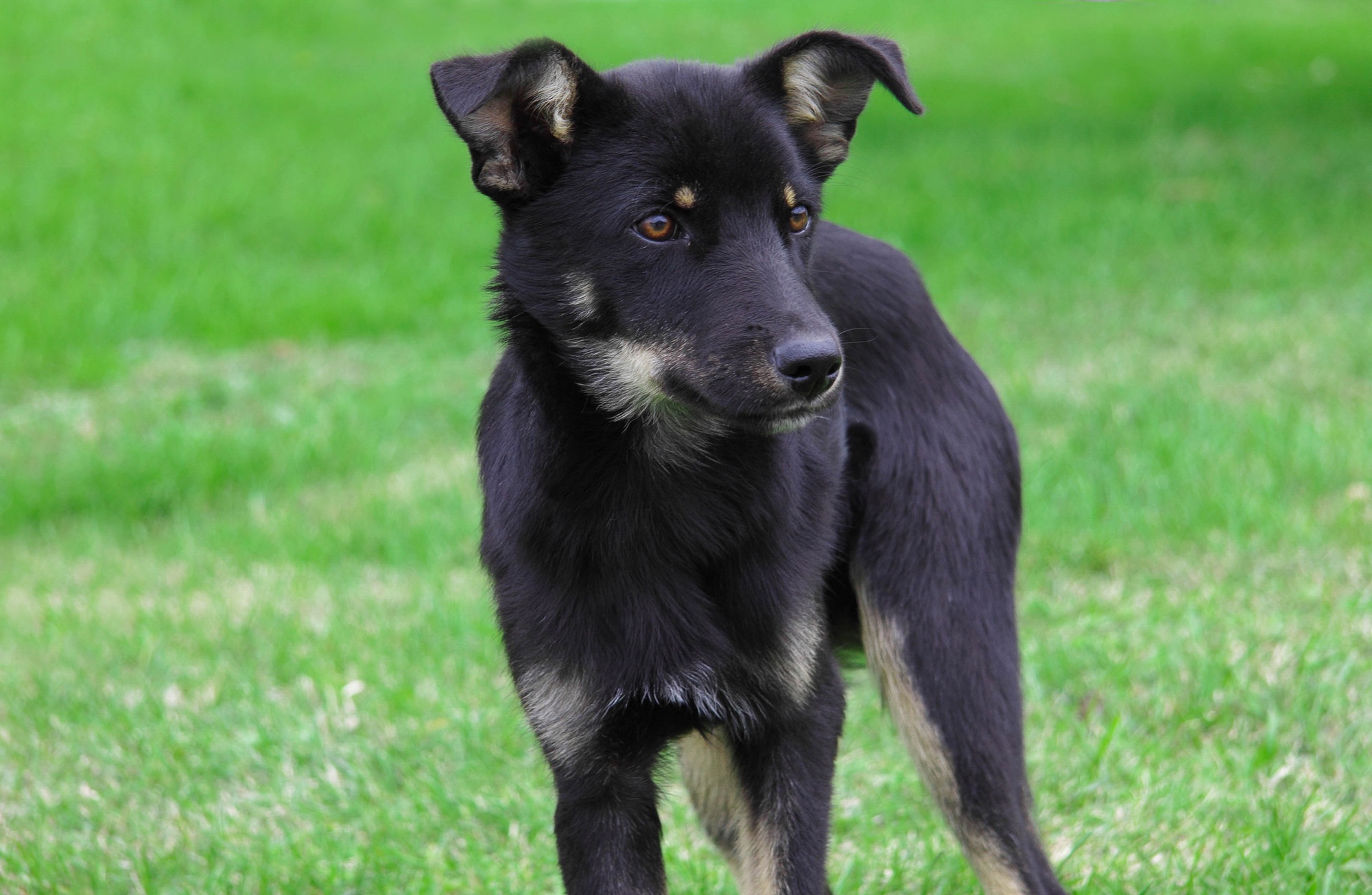
If you have dogs and a bare yard you have probably already done the mental math on how to get grass established without your dogs destroying it before it has a chance to take hold. It is a real challenge and one that a lot of pet-owning homeowners underestimate before their hydroseeding project begins. The good news is that hydroseeding with dogs in the household is absolutely manageable. It just requires a realistic plan before the application day rather than improvising after the fact.
This guide covers everything pet owners need to know about protecting a hydroseeded lawn during establishment managing dogs through the critical early weeks and keeping the lawn healthy long term once the grass is established.
Why the establishment period is the most vulnerable window
The three to four weeks after a hydroseeding application are when the lawn is most vulnerable to damage from pets. During this window the seed is germinating the root system is developing and the young grass plants are establishing the anchoring that makes them resilient to use and stress.
A dog running across a fresh hydroseeding application disrupts the mulch layer compresses the soil around germinating seeds and physically tears up seedlings before they have developed the root system needed to recover from that disturbance. A single excited lap around the yard from a medium-sized dog in the first week after application can set back germination in the affected areas by days or wipe out seedlings that had just emerged.
Dog urine is a separate problem that compounds the foot traffic issue. Urine burns grass through nitrogen concentration — the same element that makes fertilizer beneficial in controlled amounts becomes damaging at the concentrated levels in pet waste. Young seedlings with shallow root systems and no established density to dilute the impact are far more vulnerable to urine burn than a mature established lawn. A spot that an adult dog uses repeatedly in the first three weeks after hydroseeding is likely to be bare or severely damaged compared to surrounding areas even if the rest of the lawn establishes perfectly.
Understanding these two distinct threats — physical disturbance and urine damage — helps you plan the right management approach for your specific situation.
Planning pet access before the hydroseeding application
The time to figure out how you are going to manage pet access during establishment is before the application day — not after. Trying to improvise a pet containment plan after fresh slurry is already on the ground is stressful and typically less effective than a plan made in advance.
Walk your yard before the application and think through a few key questions. Where does your dog currently enter and exit the yard. Where do they typically run patrol the fence line or move through the space. Are there specific areas they use consistently for waste. How much of the yard needs to be seeded versus how much could potentially remain accessible during establishment.
If your yard has a section that is not being hydroseeded — an existing patio a covered area a side yard with existing grass — that space can serve as the pet access area during the establishment period. Designating and setting up that area before the application gives your dog a clear and comfortable alternative to the restricted zone rather than an abrupt removal from familiar territory.
For yards where the entire usable space is being hydroseeded and there is no obvious alternative pet area the plan needs to involve either temporary fencing to create a restricted zone within the yard or a complete restriction of yard access through the establishment period with more frequent and structured walks and outdoor time to compensate.
Temporary fencing — the most reliable solution
Temporary fencing is the most reliable way to protect a hydroseeded lawn from dog access during the establishment period. It is not the most convenient solution but it is the one that consistently produces the best results for pet-owning homeowners who are serious about protecting their lawn investment.
Temporary garden fencing or pet barrier fencing is available at home improvement and farm supply stores in the DFW area and installs without permanent hardware. A few hours of setup before the application day creates a physical barrier that removes the human variable from pet management — you do not have to remember to watch the dog every time it goes outside because the fence handles it.
For homeowners with large yards hydroseeding only a portion at a time is worth considering as a project management strategy. Seeding half the yard allows the dog continued access to the other half during establishment then seeding the second half after the first is established. This approach doubles the project timeline and cost slightly but eliminates the pet management challenge for homeowners whose living situation makes complete yard restriction impractical.
Managing the establishment period without temporary fencing
If temporary fencing is not practical for your situation managing pet access through the establishment period requires a more active approach that depends on consistent human supervision.
During the first two weeks — the germination window when the lawn is most fragile — keeping the dog completely off the hydroseeded area is the goal. This means supervised outdoor time only with the dog on a leash or under close direct supervision when in or near the yard. For dogs that are used to free yard access this is a significant lifestyle change for the household and being realistic about whether you can maintain it consistently through two full weeks is important before the application.
Between weeks two and four as germination completes and early establishment progresses the lawn becomes progressively less fragile. Short supervised access periods — a few minutes of leashed walking without running or marking — are less damaging than in the first two weeks but still carry risk. The root system at this stage is young enough that concentrated urine damage and physical disturbance from running and turning can still create visible setback.
A realistic assessment of how consistently you can supervise outdoor time during the establishment period should factor into when you schedule your hydroseeding project. A household that is home regularly with the flexibility to manage supervised access has a much better chance of protecting the lawn than one where the dog is outside unsupervised for significant portions of the day.
Urine damage — managing the ongoing challenge
Urine burn is the lawn challenge that does not end after establishment. Even on a fully established mature lawn dog urine causes brown spots in concentrated areas — the same nitrogen overload that damages seedlings during establishment continues to create dead or brown patches wherever a dog reliably marks or urinates on the grass.
During the establishment period the management strategy for urine is simple — keep the dog off the seeded area entirely. Once the lawn is established the long-term management of urine burn involves a few approaches that reduce damage without requiring complete restriction.
Dilution is the most effective strategy. Watering the areas where your dog urinates within 30 minutes of each occurrence dilutes the nitrogen concentration before it reaches damaging levels. This requires attentiveness but for homeowners with a manageable yard size and a predictable dog it significantly reduces the visible urine burn compared to leaving the concentration undiluted.
Designating a specific relief area in a part of the yard that is less visible or that uses a different surface — gravel mulch a designated strip along the fence — trains the dog to use a specific zone and concentrates the damage where it matters less. This approach works better with some dogs than others and requires consistent reinforcement through the training period.
Choosing a grass variety with better urine tolerance for a dog-heavy yard is worth considering if urine burn has been a persistent problem on previous lawns. Bermudagrass with its aggressive lateral spread and dense growth habit recovers from urine spots faster than many alternatives — the surrounding grass fills in damaged spots relatively quickly once the acute nitrogen concentration dissipates.
What the hydroseed slurry means for pet safety
A common question from pet-owning homeowners is whether the hydroseeding slurry itself is safe for dogs. The components of a standard hydroseeding application — grass seed fiber mulch starter fertilizer tackifier and water — are generally not acutely toxic to dogs but they are not intended to be ingested in any quantity.
The fertilizer component in the slurry is the primary concern. Starter fertilizers contain nitrogen phosphorus and potassium in concentrations that can cause gastrointestinal upset in dogs that ingest them directly. The fresh slurry in the first 24 to 48 hours after application has the highest concentration of these materials at the surface before rain or watering dilutes them into the soil.
Keeping dogs off the freshly applied slurry is good practice for both lawn protection and pet safety reasons. By the time the mulch layer has dried and bonded to the soil surface — typically within a day or two — the direct ingestion risk from surface contact is significantly reduced though the lawn protection reasons for keeping dogs off the area remain through the full establishment window.
If your dog does access the fresh application and shows signs of gastrointestinal distress contact your veterinarian. In most cases the amount ingested from brief contact with a drying slurry is not sufficient to cause serious harm but any concerning symptoms warrant professional guidance.
Choosing the right grass for a yard with dogs
If you have dogs and you are starting a new lawn the grass type you choose affects how well the lawn holds up to pet use over the long term — not just during establishment.
Bermudagrass is the most durable and dog-tolerant grass option available for full-sun yards in the DFW area. Its aggressive growth habit — lateral spread through stolons and rhizomes — means it recovers from damage faster than bunch-type grasses. A mature Bermuda lawn with dogs will show wear patterns and urine spots but recovers through the growing season more readily than alternatives.
Tall Fescue is a bunch-type grass that does not spread laterally. Bare spots from urine damage or physical wear do not fill in on their own the way Bermuda does — they require overseeding to restore coverage. In a heavily dog-impacted yard this means more active annual maintenance to keep a Fescue lawn looking its best. For shaded areas where Bermuda cannot perform Fescue remains the right choice despite the slower recovery from pet damage.
Discussing your specific situation — number of dogs size activity level yard usage patterns — with your hydroseeding contractor during the estimate gives them the context to make a seed mix recommendation that accounts for your real-world use case rather than a theoretical ideal.
After establishment — realistic expectations for a lawn with dogs
A fully established hydroseeded lawn with dogs in the household will look different from a lawn without dogs. That is the honest reality and accepting it upfront leads to more satisfaction than expecting a showroom lawn from a yard that two large dogs use as their primary outdoor space.
A realistic target for a well-maintained dog yard in North Texas is a lawn that is predominantly healthy and green with some wear patterns in high-traffic areas some urine spots that cycle through damage and recovery through the growing season and occasional bare patches that benefit from annual overseeding. That is a healthy lawn for a dog household — not a failing one.
The difference between that reasonable outcome and a yard that is constantly bare and struggling is usually the choices made during establishment. A lawn that was protected through the critical first four weeks a grass variety that was chosen for durability in pet use and a maintenance approach that includes dilution management and annual overseeding where needed is a lawn that holds up to dog use year after year.
The establishment investment is the most important one. Getting those first four weeks right gives you a lawn with the root depth density and vigor to recover from the ongoing impact of pet use through multiple seasons. A lawn that was damaged during establishment by inadequate pet management never fully develops that resilience and struggles disproportionately through every subsequent season.
The bottom line on hydroseeding with pets
Hydroseeding with dogs in the household is manageable with the right plan and realistic expectations. The establishment period requires active pet management — temporary fencing supervised access or a combination — that demands more from the homeowner than a normal lawn project. The urine management challenge is ongoing but addressable with consistent dilution habits and appropriate grass selection.
The payoff for getting it right is a lawn that holds up to real-world pet use better than any lawn that was established through broadcast seeding or that had dog access during the critical germination window. The investment in a properly established lawn is the foundation everything else builds on — including a yard that survives years of dog use without constant frustration.

Have dogs and want to establish a lawn that actually holds up?
Fox Hydroseeding LLC works with pet-owning homeowners across the DFW area and addresses real-world establishment challenges during every estimate conversation. We give you a realistic plan not just a slurry application.
Get Your Free Estimate → foxhydroseeding.com/contact
Bring Your Property to Life With Expert Hydroseeding
Find Us On


Email address

Phone Number

