


Hydroseeding vs seeding — what is the difference and which one actually wins?
If you are starting a lawn from scratch or trying to fix a failing one, the choice between hydroseeding and regular seeding is one of the first decisions you will face. Both methods put grass seed down. Both can produce a lawn. But they work very differently, produce very different results in Texas conditions, and suit very different situations. This guide gives you an honest comparison so you can make the right call for your specific yard.
What regular seeding is and how it works
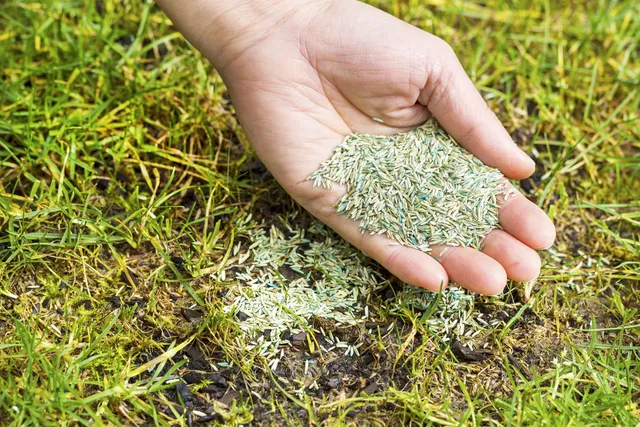
Regular seeding — also called broadcast seeding or dry seeding — means applying grass seed directly to the soil surface without any protective covering. The seed is spread by hand, by a broadcast spreader, or by a mechanical seeder across prepared or unprepared ground. The seed then relies entirely on natural rainfall or irrigation, soil contact, and ambient conditions to germinate and establish.
Broadcast seeding is the oldest and most widely used lawn establishment method in existence. It is simple, requires minimal equipment, and can be done by any homeowner with a bag of seed and a spreader. When conditions are right — appropriate soil temperature, consistent moisture, good seed-to-soil contact, and mild weather — broadcast seeding works.
The problem is that in Texas, conditions are rarely right across all of those variables simultaneously, especially on bare soil. Heat dries out exposed seed. Wind displaces lightweight seed before it can establish. Uneven rainfall creates germination patterns that are thick where rain fell consistently and bare where it did not. Heavy rain washes seed off slopes and concentrates it in low spots. Birds and insects consume exposed seed before it germinates. The result on most Texas lawns is the inconsistent, patchy coverage that leads homeowners to reseed the same areas multiple times before getting acceptable results.
What hydroseeding is and how it works
Hydroseeding applies seed within a protective slurry of fiber mulch, fertilizer, tackifier, and water sprayed directly onto prepared soil using specialized equipment. The mulch layer bonds to the soil surface and creates a microenvironment around each seed — retaining moisture, moderating soil temperature, protecting against wind displacement, and holding seed in place through rain events that would wash bare seed away.
The practical result of that protective layer is dramatically more reliable germination. The seed in a hydroseeding application does not face the same exposure risks as bare broadcast seed. It sits in consistent moisture, bonded to the soil, protected from the surface conditions that cause broadcast seeding to underperform in Texas heat and weather variability.
Hydroseeding requires professional equipment and is almost always done by a contractor rather than a homeowner. That means a higher upfront cost than buying a bag of seed and a spreader. But the results — in germination rate, coverage consistency, and establishment speed — are consistently better than broadcast seeding in the conditions that define most Texas lawn projects.
The core difference between the two methods
The fundamental difference between hydroseeding and broadcast seeding comes down to seed protection during the germination window. Broadcast seeding puts seed on the surface and relies on conditions to cooperate. Hydroseeding creates conditions around the seed regardless of what the surface environment looks like.
That difference matters less in ideal conditions — mild temperatures, consistent rainfall, loose well-prepared soil. It matters enormously in challenging conditions — Texas summer heat, heavy clay soil, slopes, compacted ground, and the variable rainfall patterns of the DFW area. The worse the conditions, the larger the performance gap between hydroseeding and broadcast seeding.
Cost comparison: hydroseeding vs broadcast seeding
Broadcast seeding is cheaper upfront. A bag of quality grass seed, a broadcast spreader, and starter fertilizer represent a fraction of the cost of a professional hydroseeding application on the same area. For a small patch of thin grass in an otherwise established lawn, broadcast seeding makes sense economically.
The cost comparison changes significantly when you factor in outcomes. On bare or largely bare ground in Texas conditions, broadcast seeding often requires multiple reseeding attempts before acceptable coverage is achieved. Each attempt adds seed cost, fertilizer cost, water cost, and time. A single professional hydroseeding application that establishes successfully is frequently less expensive in total than three rounds of failed broadcast seeding — and it gets you there faster.
On larger areas — anything over a few thousand square feet — the cost comparison tips further toward hydroseeding. The per-square-foot cost of broadcast seeding on large bare areas combined with the higher failure rate in Texas conditions makes hydroseeding the more economical choice when total project cost rather than just upfront cost is the comparison.
Speed comparison: which method establishes faster?
Hydroseeding establishes faster than broadcast seeding under the same conditions. The protective mulch layer in a hydroseeding application reduces germination time by maintaining consistent moisture around the seed — eliminating the dry periods between watering sessions that slow germination in broadcast seeding.
In the DFW area under proper watering conditions, hydroseeded lawns typically show first sprouts in five to seven days and reach solid coverage in three to four weeks. Broadcast seeding on the same property under the same watering conditions typically shows slower and more uneven germination because the seed is exposed to surface conditions that interrupt the consistent moisture environment germination requires.
On large bare areas in Texas summer conditions, the speed difference between hydroseeding and broadcast seeding can be measured in weeks. A well-executed hydroseeding application in April can produce a mowable lawn by May. Multiple rounds of broadcast seeding on the same property under the same conditions might still be producing patchy results in July.
Coverage consistency: the clearest advantage of hydroseeding
Coverage consistency is where the performance gap between hydroseeding and broadcast seeding is most visible and most significant for homeowners. Broadcast seeding produces inherently variable coverage — thick where seed landed and conditions cooperated, thin or bare where either was lacking. On bare Texas soil with the conditions that define most lawn establishment projects here, that variability produces results that frustrate most homeowners.
Hydroseeding produces even coverage because the application equipment delivers seed and mulch uniformly across the entire surface in controlled overlapping passes. Areas that would dry out faster, receive less rainfall, or have slightly different soil conditions all receive the same protected seed environment from the slurry application. The result is a lawn that comes in consistently across the whole area rather than in patches.
For homeowners who have tried broadcast seeding a property multiple times and keep getting the same patchy result, the explanation is almost always that the conditions that caused the first failure are still present — and hydroseeding addresses those conditions in a way that broadcast seeding structurally cannot.
When broadcast seeding still makes sense
Broadcast seeding is not always the wrong choice. There are specific situations where it remains a practical and appropriate option.
For small thin spots in an otherwise established lawn — a few hundred square feet or less where the soil is in decent condition and irrigation is reliable — broadcast seeding with quality seed and starter fertilizer is a cost-effective fix that works well when executed correctly.
For fall Ryegrass overseeding on established Bermuda lawns in the DFW area, broadcast seeding is the standard approach and works well because the existing turf provides a stable base, the seed type germinates quickly and easily in cool fall conditions, and the goal is temporary seasonal coverage rather than permanent lawn establishment.
For very budget-constrained projects where the only option is the cheapest upfront approach regardless of outcome risk, broadcast seeding may be the practical choice — with realistic expectations about the need for multiple attempts.
Outside of these specific situations, hydroseeding produces better results, faster establishment, and more consistent coverage across virtually every Texas lawn establishment scenario.
What site preparation looks like for each method
Both methods benefit from proper site preparation, but the preparation requirements differ slightly in emphasis.
For broadcast seeding, preparation focuses on creating seed-to-soil contact — the single biggest factor in broadcast seeding success. This means mowing existing grass short, dethatching if thatch buildup is present, aerating compacted areas, and lightly raking bare areas so seed has loose soil to land in rather than a hard compacted surface.
For hydroseeding, preparation focuses on creating the right surface for the slurry to bond to — grading, debris removal, and loosening compacted areas so the mulch layer can adhere properly and seed-to-soil contact is achieved through the slurry rather than requiring the seed to settle into loose soil on its own. On new construction lots, this prep is more extensive and typically involves grading work before the hydroseeder arrives.
In both cases, addressing soil compaction, drainage issues, and soil quality before seeding produces meaningfully better results than skipping prep and applying seed to whatever surface exists.
The verdict: which method wins for Texas lawns?
For most Texas lawn establishment scenarios — bare soil, new construction lots, large areas, slopes, compacted ground, or any project where failure risk is a real concern — hydroseeding wins. The protective mulch layer addresses the specific conditions that make broadcast seeding unreliable in Texas: heat, wind, variable rainfall, and heavy clay soil that dries and cracks between watering sessions.
For small spot repairs on established lawns with good soil and reliable irrigation, broadcast seeding is a practical and cost-effective option that does not require a professional application.
The honest guideline is this — if you are starting from scratch, covering a large area, or have already tried broadcast seeding without success, hydroseeding is the right tool for the job. If you are touching up a small section of an otherwise healthy established lawn, broadcast seeding works fine.

Not sure which method is right for your specific yard?
Fox Hydroseeding LLC assesses every property personally and gives you an honest recommendation — whether that means a full hydroseeding application or a simpler solution for a small repair. We do not oversell what your lawn does not need.
Get Your Free Estimate → foxhydroseeding.com/contact
Bring Your Property to Life With Expert Hydroseeding
Find Us On


Email address

Phone Number

