


Hydroseeding vs overseeding — how to know which one your lawn actually needs
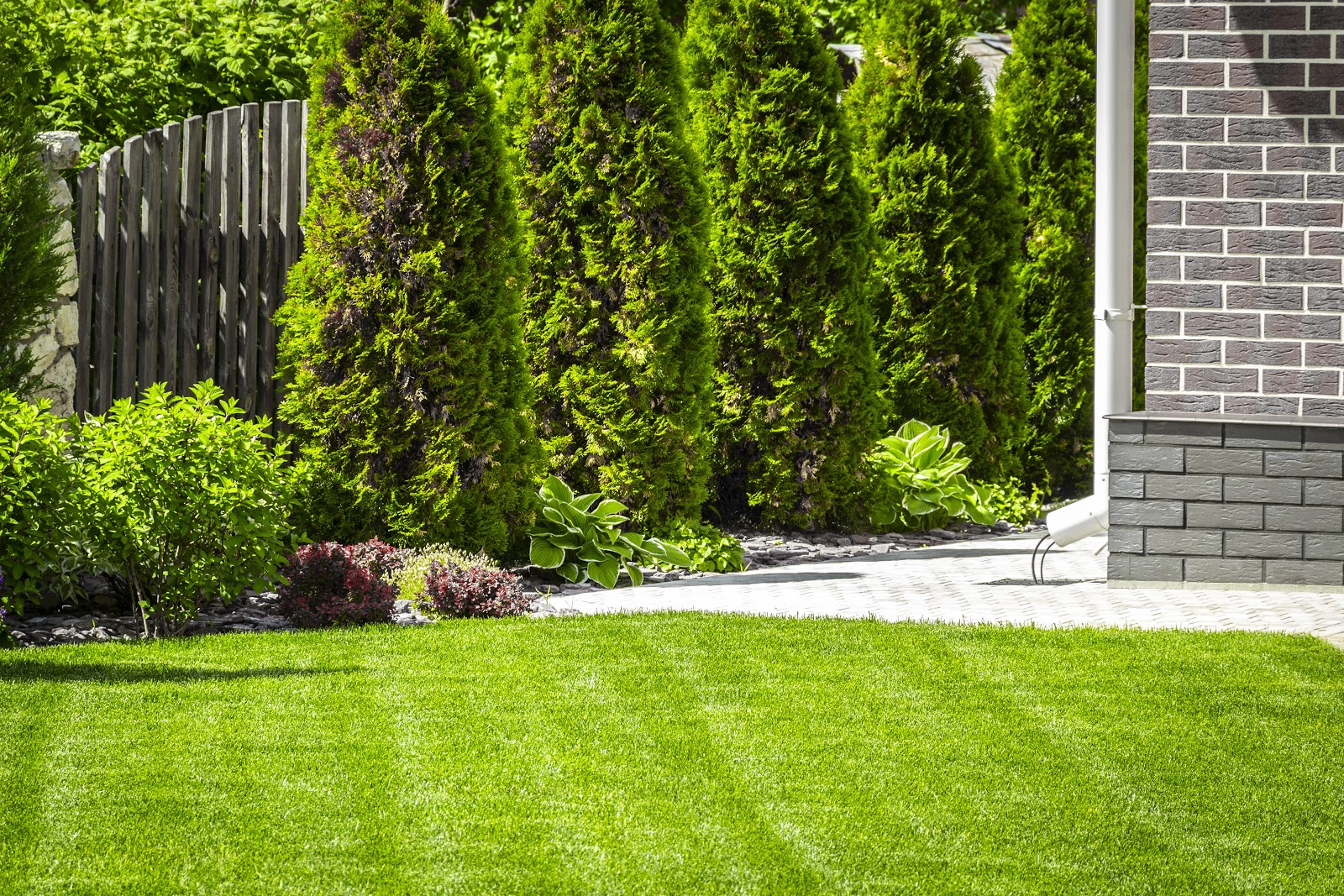
If your lawn is looking thin, patchy, or worn out and you are trying to decide between hydroseeding and overseeding, you are asking exactly the right question. Both methods put new seed down. Both can improve a struggling lawn. But they work differently, cost differently, and are suited to different situations — and choosing the wrong one wastes time and money without solving the underlying problem.
This guide breaks down exactly what each method involves, where each one performs best, and how to figure out which one is right for your specific yard.
What overseeding is and how it works
Overseeding means broadcasting grass seed directly over an existing lawn without removing or significantly disturbing what is already there. The goal is to thicken thin turf, fill in bare spots, or introduce a new grass variety into an established lawn — all without starting from scratch.
Overseeding works by getting new seed into the existing turf canopy and down to the soil surface where it can germinate. On a lawn with decent soil contact and reasonable coverage, overseeding can meaningfully improve density over the course of a growing season. It is a relatively low-cost, low-disruption approach that most homeowners can execute themselves with basic equipment.
The limitation of overseeding is that it depends entirely on the existing lawn's condition to determine how well it works. If the soil is compacted, if thatch buildup is preventing seed from reaching the soil, or if the bare areas are large and numerous, overseeding produces inconsistent results — thick in some spots, unchanged in others.
What hydroseeding is and how it works
Hydroseeding applies seed in a slurry of fiber mulch, fertilizer, tackifier, and water sprayed evenly across the prepared surface. The mulch layer bonds to the soil, retains moisture around each seed, and protects against heat, wind, and erosion during germination. It is a professional application that requires specialized equipment and is typically done by a contractor rather than a homeowner.
Hydroseeding produces more consistent germination and more even coverage than broadcast overseeding because the seed is delivered in direct contact with a moisture-retaining layer rather than sitting loosely on the surface. On larger areas, on lawns with soil challenges, and on bare or heavily thinned surfaces, hydroseeding outperforms overseeding reliably and significantly.
The key difference: existing turf versus bare soil
The clearest guideline for choosing between hydroseeding and overseeding comes down to how much viable grass currently exists in your lawn.
If your lawn has reasonable existing coverage — say 50 percent or more of the surface still has living grass — and the bare or thin areas are scattered rather than continuous, overseeding is often the right starting point. The existing turf provides competition protection for new seedlings, the soil has some established structure, and the scale of the problem does not require the investment of a full hydroseeding application.
If your lawn has large continuous bare areas, if the existing grass is so thin and sparse that it is barely there, or if you are starting completely from scratch on a new lot or after a major renovation, hydroseeding is the more appropriate and more effective choice. Broadcasting seed over a largely bare surface produces the same unreliable results that make broadcast seeding a poor choice for new lawn establishment — without a protective mulch layer, germination is inconsistent and vulnerable to the conditions that caused the lawn to fail in the first place.
When overseeding makes the most sense
Overseeding is the right choice when the lawn has solid existing coverage with scattered thin spots, when the goal is seasonal thickening rather than full renovation, when the budget is limited and the problem is not severe enough to justify a professional application, and when the soil is in decent condition without significant compaction or quality issues.
Fall overseeding of Bermudagrass lawns with Ryegrass for winter color is one of the most common and most practical overseeding applications in the DFW area. The existing Bermuda provides a stable base, the Ryegrass fills in for color during dormancy, and the whole process can be done with a basic broadcast spreader and a consistent watering schedule.
Spring overseeding of thin Bermuda after winter dormancy — particularly in areas that thinned out over the previous summer — is another situation where overseeding works well when the bare areas are limited and the soil is in reasonable shape.
When hydroseeding makes the most sense
Hydroseeding is the right choice when bare areas are large, continuous, or widespread across the lawn, when previous overseeding attempts have produced inconsistent or disappointing results, when the soil needs amendment or preparation before reseeding and the whole surface is being reset, when the goal is a complete lawn renovation rather than spot improvement, and when the property is a new construction lot or has been significantly disturbed.
Hydroseeding also makes more sense than overseeding when the time of year and weather conditions favor fast, reliable germination — the protective mulch layer in a hydroseeding application reduces the risk of seed failure from heat, wind, or inconsistent watering in a way that bare overseeding cannot match.
For homeowners who have tried overseeding the same problem areas multiple times without lasting success, hydroseeding is almost always the explanation for why the previous attempts did not work — and the solution that produces different results.
Preparing correctly for each method
Preparation requirements differ between overseeding and hydroseeding, and skipping prep in either case reduces results.
For overseeding, preparation means mowing the existing lawn short so new seed can reach the soil surface, dethatching if thatch buildup is thick enough to prevent seed contact, aerating compacted areas to improve seed-to-soil contact and root penetration, and raking or loosening bare spots so seed is not just sitting on a hard surface.
For hydroseeding, preparation means grading and leveling the surface, removing debris and obstacles, addressing compaction or soil quality issues before the slurry is applied, and ensuring the site is ready for the contractor on application day. On bare or largely bare surfaces, this prep work is what determines whether the hydroseeding produces even, consistent coverage or patchy results.
In both cases, correcting irrigation problems and treating any active pest or disease issues before seeding is essential. New seed put down over an unresolved problem inherits that problem.
Cost comparison: overseeding vs hydroseeding
Overseeding a lawn yourself with quality seed and a broadcast spreader is one of the most cost-effective lawn improvement options available. The seed, a bag of starter fertilizer, and your time are the primary costs — and for the right situation it produces real results.
Hydroseeding is a professional service with a higher upfront cost than DIY overseeding. On larger areas or severely thinned lawns, that cost is justified by the significantly better results, the professional application quality, and the time and frustration saved by not repeating a broadcast seeding approach that has already failed.
The comparison that matters most is not overseeding versus hydroseeding in isolation — it is the cost of the right solution versus the cost of repeating the wrong one. Multiple rounds of overseeding that do not solve a problem that hydroseeding would have fixed in a single application is not actually the cheaper path.
Can you hydroseed over existing grass?
Yes — and it is done regularly on lawn renovation projects. Hydroseeding over existing thin turf thickens the lawn by adding new seed that establishes in the gaps between existing grass plants. The mulch layer protects the new seed the same way it does on bare soil, and the existing grass provides some competition protection for young seedlings once they emerge.
For best results when hydroseeding over existing turf, mow the lawn short before the application, dethatch if thatch buildup is significant, and aerate compacted areas. These steps improve seed-to-soil contact and give new seedlings the best possible start in an already-occupied space.
The bottom line on hydroseeding vs overseeding
Both methods have their place. Overseeding is practical, affordable, and effective on lawns with solid existing coverage and limited bare areas — especially for seasonal applications like fall Ryegrass overseeding. Hydroseeding is more effective, more consistent, and more appropriate for larger bare areas, significant lawn renovations, new construction lots, and any situation where broadcast seeding has already failed to produce the results you need.
The right answer for your lawn depends on what you are actually dealing with — not just the lower upfront cost of one option over the other.

Not sure whether your lawn needs hydroseeding or overseeding?
Fox Hydroseeding LLC assesses every property personally before making a recommendation. We will tell you honestly which approach makes sense for your specific situation — and give you a clear written quote if hydroseeding is the right call.
Get Your Free Estimate → foxhydroseeding.com/contact
Bring Your Property to Life With Expert Hydroseeding
Find Us On


Email address

Phone Number

