


Hydroseeding versus broadcast seeding — the definitive comparison for Texas homeowners
The choice between hydroseeding and broadcast seeding is the most fundamental lawn establishment decision a Texas homeowner makes — and it is one that most homeowners make without the specific information they need to make it correctly for Texas conditions. Generic lawn advice treats the two methods as reasonably comparable options with different cost points. Texas conditions make the performance difference between them more significant than generic advice suggests.
This guide gives you the complete honest comparison — every variable that matters for a Texas lawn project evaluated side by side so you can make the right choice for your specific situation with accurate information rather than approximations.
What each method is and how it works
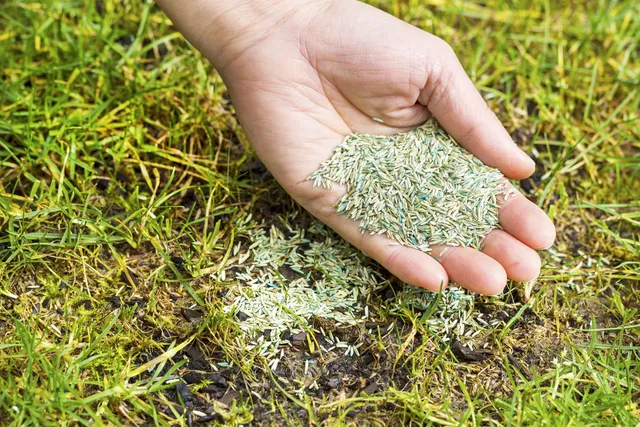
Broadcast seeding means spreading dry grass seed across the soil surface — by hand by mechanical spreader or by drop spreader — without any protective covering or binding agent. The seed lands on the soil surface and relies on rainfall or irrigation contact and ambient conditions to germinate. Nothing holds the seed in place nothing retains moisture around it and nothing protects it from the surface conditions between watering sessions.
Hydroseeding means delivering grass seed within a protective slurry of fiber mulch starter fertilizer tackifier and water sprayed onto the prepared soil surface through specialized equipment. The mulch layer bonds to the soil surface and creates a protected microenvironment around each seed — retaining moisture moderating surface temperature holding the seed in place against wind and water movement and protecting it from the exposure that makes broadcast seeding unreliable in challenging conditions.
The functional difference between the two methods is the presence or absence of that protective layer — and in Texas conditions the presence or absence of that layer matters more than it does in more forgiving climates.
The Texas conditions that make the comparison decisive
Texas creates the specific conditions that most amplify the performance difference between hydroseeding and broadcast seeding. Understanding these conditions is what makes the comparison specifically relevant for DFW homeowners rather than just a generic national lawn seeding discussion.
Heat and evaporation in the DFW area during spring and summer are more demanding than in most other lawn markets. Surface soil moisture in Texas summer conditions can evaporate to a level that stalls germination within hours of a watering session — leaving broadcast seed on the surface in conditions that the hydroseeding mulch layer addresses directly. The same seed on the same surface in the same conditions produces more reliable germination when delivered through hydroseeding than when placed on the surface without a protective layer because the mulch layer extends the effective moisture window from each watering session.
Heavy clay soil compaction common across North Texas creates surface conditions that are more challenging for broadcast seeding than lighter soil types. Clay surfaces can form a hard dried crust between watering sessions that is physically impenetrable by light broadcast seed without a protective layer — the seed sits on the crust rather than in contact with workable soil. Hydroseeding delivers seed within the slurry that penetrates the surface contact layer more reliably than dry seed sitting on a clay crust.
Rainfall intensity in the DFW area during spring storms is more erosive than gradual rainfall patterns in more northerly markets. A significant spring storm on a slope with broadcast seed displaces the seed before it can germinate — concentrating it in low spots and leaving upper sections bare. Hydroseeding's tackifier-bonded mulch layer resists displacement from the rainfall intensity that Texas spring storms routinely deliver.
Variable winds are a year-round reality in the DFW area that broadcast seeding cannot address. Lightweight grass seed on a bare surface is vulnerable to displacement by the south and southwest winds that are characteristic of the North Texas climate through much of the establishment season. Hydroseeding's slurry bonding eliminates wind displacement as a germination variable.
Germination reliability: the most important comparison
Germination reliability — the percentage of applied seed that actually germinates and the consistency of that germination across the full application area — is the primary performance variable that distinguishes hydroseeding from broadcast seeding in Texas conditions.
Broadcast seeding germination in Texas conditions is inherently variable. The seed that landed in good soil contact germinates. The seed that landed on thatch or debris does not. The seed that stayed in place through the first rain germinates. The seed that washed to the low spots does not produce coverage where it was applied. The seed in the section with adequate irrigation coverage germinates at a different rate than the seed in the section the sprinkler barely reaches. The cumulative effect of these variables is the patchy uneven germination that makes broadcast seeding results consistently less reliable than homeowners hoped.
Hydroseeding germination in Texas conditions is more uniform because the slurry addresses the variables that make broadcast seeding inconsistent. The seed is delivered in consistent contact with the soil surface across the full application area rather than settling inconsistently based on what it landed on. It stays where it was applied rather than washing to low spots. The moisture retention of the mulch layer provides consistent germination conditions across sections with different drainage characteristics and different sun exposure. The result is more consistent germination across the full yard than broadcast seeding can produce on the same surface under the same conditions.
The difference in germination reliability is most significant on challenging surfaces — new construction lots with compacted soil and minimal topsoil bare clay surfaces without organic matter slopes and large areas where irrigation consistency is harder to maintain. These are exactly the surfaces that most DFW homeowners are trying to establish grass on and the surfaces where the hydroseeding advantage is most pronounced.
Coverage consistency: what it produces and why it matters
Germination reliability produces coverage consistency — and coverage consistency is the characteristic that most directly determines whether the first-year lawn looks the way it should or requires touchup reseeding to address the bare sections that inconsistent germination left behind.
Broadcast seeding on Texas soil consistently produces coverage that is good in some sections thin in others and bare in the sections where the variables that affect germination combined unfavorably. The sections that are already thin in the first growing season are the sections that struggle through the first summer and require renovation attention in spring of year two. The reseeding cost and the delayed establishment represent the true total cost of the broadcast seeding approach that looked cheaper on day one.
Hydroseeding on properly prepared Texas soil consistently produces more uniform coverage — not perfect in every section but significantly more consistent than broadcast seeding on the same surface. The sections where coverage is complete in the first growing season are the sections that develop the root depth that makes the first summer manageable. The more uniform the establishment the fewer sections require renovation attention in spring of year two.
Cost comparison: what you actually pay
The upfront cost comparison between broadcast seeding and hydroseeding is real — broadcast seeding costs less to initiate. Seed fertilizer and the homeowner's time versus a professional application fee. For small areas or for homeowners in ideal conditions the upfront cost difference represents genuine savings.
The total cost comparison over the first two to three years tells a different story for most DFW homeowners. Broadcast seeding on Texas soil conditions with the failure rate that those conditions produce requires reseeding attempts that accumulate cost. A first broadcast seeding that produces adequate coverage in good sections and bare coverage in challenging sections requires a touchup application. A second broadcast seeding of persistent bare sections that still fail to establish adequately requires another. The accumulated cost of two to three broadcast seeding attempts on the same challenging sections often exceeds the cost of a single quality hydroseeding application that established all sections reliably on the first attempt.
For homeowners who have already been through one or more failed broadcast seeding attempts the cost comparison has already shifted. The next attempt should be the one that works — and the one that works on challenging Texas surfaces is the one with the protective layer that broadcast seeding cannot provide.
Establishment speed: how the timelines compare
Both methods produce grass from seed — meaning neither delivers the instant coverage of sod. But the germination timeline and establishment consistency differ between them in ways that matter for practical project planning.
Under equivalent conditions hydroseeded Bermudagrass in appropriate soil temperatures produces first sprouts in five to seven days and solid coverage in three to four weeks. Broadcast seeded Bermudagrass on the same prepared surface under equivalent watering produces first sprouts in a similar window — the germination timing for viable seed in adequate contact with moist soil is similar regardless of delivery method.
The difference in establishment speed shows up in coverage consistency rather than initial germination timing. The broadcast seeded lawn arrives at week three with good coverage in some sections and thin or bare coverage in the sections where the variables combined unfavorably. The hydroseeded lawn arrives at week three with more consistent coverage across the full area — meaning fewer sections that need additional time or touchup to reach the established state.
The practical effect is that hydroseeding reaches the uniformly established lawn faster in total timeline — not because germination is faster but because fewer sections require additional establishment time or touchup applications to achieve consistent coverage across the yard.
When broadcast seeding is the right choice
Being honest about when broadcast seeding is the better option rather than the worse one is important for a complete comparison.
Small isolated areas in an established lawn where the soil is workable the drainage is fine and the irrigation coverage is complete — broadcast seeding with quality seed and starter fertilizer is cost-effective and works adequately in these conditions. The challenging variables that make broadcast seeding unreliable on larger bare surfaces are less significant in a small well-conditioned area with consistent irrigation.
Fall Ryegrass overseeding on dormant Bermuda for winter color — this is a standard practice that broadcast seeding executes well. The existing Bermuda provides a stable base the Ryegrass germinates readily in cool fall conditions and the temporary seasonal nature of the application does not require the establishment reliability that permanent lawn establishment demands.
Very limited budget situations where the choice is between broadcast seeding with realistic expectations of multiple attempts or no lawn at all — broadcast seeding with patient management and willingness to reseed is better than no attempt. The realistic expectation manages the disappointment that an unrealistic one would produce.
Outside of these specific situations — for bare yards new construction lots large renovation areas sloped sections challenging soil conditions or any situation where establishment reliability matters — hydroseeding produces better results from the same investment.
The definitive answer for Texas homeowners
For most Texas lawn establishment scenarios hydroseeding is the better method — not marginally better but significantly better in the conditions that define North Texas lawn projects. The heat the clay soil the rainfall intensity the variable winds and the challenging surfaces of new construction lots and renovation projects are all conditions that amplify the hydroseeding performance advantage over broadcast seeding.
The homeowner who broadcasts seeds a new construction lot in Texas and hopes for the best is working against the specific conditions that make that approach reliably disappointing here. The homeowner who hydroseeds the same lot after proper preparation is working with the method designed to address the conditions that made broadcast seeding fail.
The definitive comparison for Texas homeowners is this — if the conditions are ideal and the area is small broadcast seeding can work. If the conditions are anything less than ideal or the area is any larger than a small patch hydroseeding produces a better result from the same establishment investment.

Ready to establish your lawn with the method that actually works in Texas conditions?
Fox Hydroseeding LLC personally walks every property before recommending an approach and gives you an honest assessment of what your specific yard and conditions require. Every estimate is handled by the owner.
Get Your Free Estimate → foxhydroseeding.com/contact
Bring Your Property to Life With Expert Hydroseeding
Find Us On


Email address

Phone Number

