


Hydroseeding Tall Fescue — everything Texas homeowners need to know to get it right
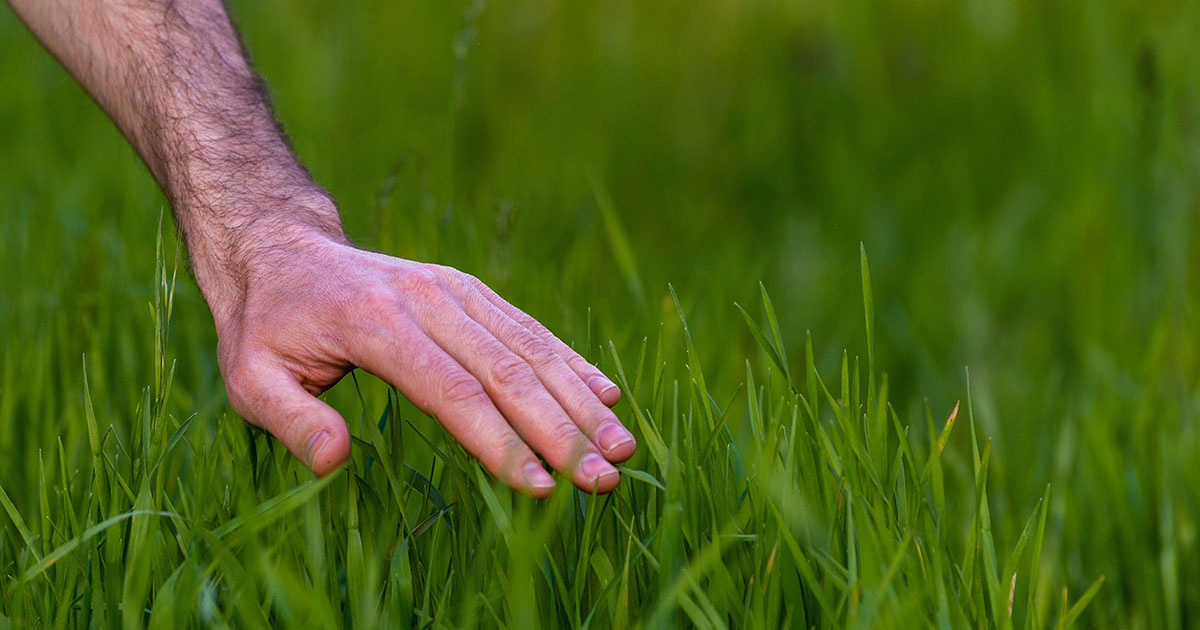
Tall Fescue is the most practical cool-season grass option for North Texas homeowners and for the right yard it produces results that no warm-season grass can match. It stays green through the winter months when Bermuda goes dormant and brown. It tolerates shade far better than Bermuda or any other warm-season alternative. And it performs reliably through the mild winters and transitional springs and falls that define the DFW climate without the heat tolerance demands that make cool-season grasses struggle in hotter parts of Texas.
If you have a shaded yard want year-round green color or are looking for a lawn that performs well in the cooler half of the North Texas calendar Tall Fescue hydroseeding is worth understanding in depth. This guide covers everything from timing and soil preparation through germination establishment and long-term maintenance so you can approach a Fescue hydroseeding project with accurate expectations and the best chance of success.
Why Tall Fescue works in North Texas
Tall Fescue occupies a specific and valuable niche in the North Texas lawn grass landscape. It is classified as a cool-season grass which means it grows most actively in fall and spring when soil and air temperatures are moderate goes semi-dormant or slows significantly during the peak heat of a DFW summer and stays green through mild winters rather than going fully dormant like warm-season alternatives.
In the transition zone climate of the DFW area — too hot in summer for cool-season grasses to thrive as they do further north too cold in winter for warm-season grasses to maintain color — Tall Fescue occupies the middle ground more effectively than any other single grass type. It is not perfect for every condition but for shaded yards and homeowners who prioritize green color through winter it is the most practical option available in the North Texas market.
Modern improved Tall Fescue varieties have significantly better heat tolerance drought tolerance and disease resistance than the Fescue varieties that gave the grass a reputation for summer struggle in Texas. Selecting the right improved variety through a quality hydroseeding application makes a meaningful difference in how well a Fescue lawn handles the challenges of a North Texas summer.
The best time to hydroseed Tall Fescue in Texas
Timing is the single most important decision in a Tall Fescue hydroseeding project and it is also where the most consequential mistakes are made. Tall Fescue is a cool-season grass that germinates best when soil temperatures are between 50 and 65 degrees Fahrenheit. In the DFW area those temperatures arrive in fall — typically October through mid-November — which makes fall the optimal and recommended window for Tall Fescue hydroseeding in North Texas.
Fall Fescue hydroseeding gives the grass the establishment conditions it is biologically designed for. Germination happens in the temperature range that Fescue responds to most aggressively. The establishment period unfolds through fall and winter — mild conditions that are far less stressful on young cool-season grass than a Texas summer. And the lawn enters its first spring growing season already rooted and established rather than just beginning germination as it would with a spring application.
Spring is not the recommended window for Tall Fescue establishment in the DFW area. A Fescue lawn seeded in March or April goes almost immediately into a North Texas summer — weeks to months of heat stress before the root system has developed the depth needed to handle it. Spring-seeded Fescue in the DFW area consistently produces thinner weaker lawns that struggle through summer and require more intensive irrigation to survive than fall-established Fescue that enters summer with a full cool-season establishment period behind it.
Summer Tall Fescue seeding is not recommended at all in the DFW area. Soil temperatures in June July and August are far above the germination range for cool-season grasses and seed viability is quickly compromised by the same heat that prevents germination.
The practical guideline for Tall Fescue hydroseeding in North Texas is to complete applications between early October and mid-November. Earlier in that window is better — applications completed in October give the grass the most establishment time before winter temperatures slow growth. Applications in early November are viable in most years but carry more risk of being interrupted by cold weather before the lawn has established adequately.
Soil preparation for Tall Fescue hydroseeding
Tall Fescue is more tolerant of shade and variable soil conditions than warm-season grasses but it is not immune to soil problems that limit germination and root development. Preparing the soil properly before a Fescue hydroseeding application improves both the reliability of establishment and the long-term performance of the lawn.
Tall Fescue develops a deep fibrous root system when soil conditions allow it — root depth that is one of the primary reasons improved Fescue varieties have better drought tolerance than older ones. Compacted soil that prevents deep root development limits the Fescue lawn's ability to handle summer heat stress regardless of how good the germination and early establishment were. Addressing compaction through aeration or mechanical loosening before hydroseeding is one of the most valuable preparation steps for a Fescue project.
In shaded areas — the primary territory where Fescue is used in North Texas — soil conditions are often affected by tree root competition surface debris accumulation and reduced organic matter from lower biological activity. Improving soil quality in shaded zones through compost addition or quality topsoil before hydroseeding gives Fescue seed a better medium to germinate in and the resulting lawn better resources to draw on through the challenging summer period.
For new construction lots the same preparation principles that apply to any hydroseeding project apply to Fescue — address compaction clear debris and consider topsoil addition in areas where the surface soil has been stripped or significantly disturbed during construction.
What a Tall Fescue hydroseeding application looks like
The Tall Fescue hydroseeding application itself looks the same as any hydroseeding job — the slurry of seed mulch fertilizer tackifier and water is mixed in the tank and sprayed evenly across the prepared surface. The characteristic green mulch layer covers the yard uniformly at the end of the application.
One characteristic of Tall Fescue seed worth knowing is that it is larger than Bermudagrass seed. Larger seed means slightly higher seed weight per square foot in the slurry mix and a germination process that draws on more substantial internal energy reserves — which is one reason Fescue germination in fall can feel faster and more reliable than summer Bermuda germination in less forgiving conditions. Larger seed is also more forgiving of brief watering inconsistencies than the smaller Bermuda seed though consistent moisture is still the key variable for successful establishment.
The application is completed in a few hours for most standard residential lots. The yard is ready to water immediately after the contractor finishes.
Tall Fescue germination — what to expect
Under the fall soil temperature conditions appropriate for Fescue establishment in the DFW area germination is typically visible within five to ten days after application. Fescue often germinates at the faster end of that range in early October when soil temperatures are still in the upper 50s to low 60s — conditions that are ideal rather than marginal for cool-season germination.
As with any hydroseeding application early germination is uneven. First sprouts appear in scattered areas and spread across the full surface over the following days. Areas with better soil contact slightly warmer soil temperatures or more sunlight typically show germination first. The pattern normalizes over the first two weeks as germination completes across the full seeded area.
Full coverage for a fall Tall Fescue hydroseeding application in North Texas typically develops over three to four weeks from the application date — similar to the Bermuda timeline in favorable conditions. However the visual picture of a fall Fescue establishment is different from a summer Bermuda establishment because the grass continues growing actively through fall and winter rather than entering dormancy. A Fescue lawn seeded in October is visibly growing and thickening through November December and into the mild days of January and February in a way that a dormant Bermuda lawn does not.
Watering Tall Fescue after hydroseeding
The watering schedule for a fall Tall Fescue hydroseeding application is less intensive than a summer Bermuda application because fall conditions in the DFW area are more favorable for maintaining seed bed moisture with less irrigation.
During the first fourteen days water two times per day — morning and early evening sessions that keep the surface consistently moist. In October when temperatures are still moderate a midday session is typically not needed because evaporation rates are lower than summer. On warmer fall days — early October when temperatures occasionally push back into the 80s — a midday check of the seed bed condition is worthwhile and a third session may be appropriate if the surface is drying out between morning and evening sessions.
Around day fourteen begin transitioning toward deeper less frequent watering as germination completes and the focus shifts to encouraging root development. By the end of week three to four a fall Fescue lawn in North Texas is ready for the transition to a mature watering schedule.
Through winter reduce supplemental irrigation as natural rainfall and cooler temperatures reduce evaporative demand. Tall Fescue does not go dormant in mild DFW winters and continues slow growth through cold periods — it needs some moisture through winter but not the active irrigation schedule of the growing season. Water supplementally during dry winter stretches but let natural rainfall handle the majority of winter moisture needs in most years.
Managing Tall Fescue through its first Texas summer
The most challenging period for a Tall Fescue lawn in North Texas is its first summer. Even with proper fall establishment the transition from the cool growing conditions Fescue thrives in to the heat stress of a DFW July and August tests the lawn's resilience. What you do in the months leading up to summer and during summer itself determines how well the lawn carries through to the following fall.
In spring — the peak growing season for cool-season grasses — deep consistent watering and appropriate fertilization builds the root depth and density that insulates the lawn from summer stress. Fescue entering summer with a root system that reaches six to eight inches into the soil profile handles heat far better than Fescue with shallow roots from insufficient spring watering.
As summer approaches increase watering depth and frequency gradually to support the lawn through the transition into heat. During July and August deep infrequent watering — long sessions every two to three days rather than short daily sessions — encourages roots to follow moisture deeper into the cooler soil below the surface heat zone. This watering approach is the single most important summer management decision for a Fescue lawn in Texas.
Avoid heavy fertilization of Fescue during summer. Nitrogen applied during peak heat encourages top growth at the expense of root development and produces lush shallow-rooted grass that is more vulnerable to heat stress rather than more resilient to it.
Accept that Tall Fescue in North Texas may thin somewhat during the hottest weeks of summer — this is normal and does not mean the lawn is failing. A well-established Fescue lawn recovers through fall as temperatures moderate and the grass resumes active growth. Fall overseeding of thin areas after summer stress is a standard maintenance practice for Fescue lawns in the DFW area.
Fall renovation and overseeding for established Fescue lawns
Unlike Bermudagrass which fills in bare spots through lateral spread Tall Fescue is a bunch-type grass that does not spread laterally. Bare spots in a Fescue lawn do not fill in on their own — they require overseeding to restore coverage. This makes fall overseeding an annual maintenance consideration for established Fescue lawns in North Texas particularly after summers that caused thinning.
Fall overseeding of thin or bare Fescue areas follows the same timing window as new Fescue establishment — early to mid-October through mid-November. Prepare the surface by mowing short and aerating or scarifying thin areas to improve seed contact then apply seed at the recommended rate for your specific variety. Water consistently through germination as with any new seeding.
Some DFW homeowners with established Fescue lawns schedule hydroseeding touchups in fall for significant bare areas rather than broadcast overseeding — the protected germination environment of a hydroseeding application produces more reliable results on problem areas than bare seed especially in sections where soil conditions or competition from existing vegetation have previously made establishment difficult.
Common Tall Fescue hydroseeding mistakes to avoid
Seeding at the wrong time of year is the most consequential mistake with Tall Fescue in Texas. Spring and summer Fescue seeding in the DFW area produces reliably poor results. The fall window is not just preferred — it is the window where Fescue establishment in North Texas actually works as expected.
Expecting Fescue to perform in full sun during Texas summers the way it performs in fall and spring leads to disappointment. Fescue is the right grass for shaded areas and homeowners who accept some summer thinning in exchange for year-round green color. Expecting Bermuda-level heat performance from a cool-season grass in a full-sun DFW yard sets unrealistic standards.
Underwatering through the first summer is the most common cause of Fescue lawn decline after a successful fall establishment. The root depth developed through fall establishment and spring watering is what determines whether the lawn survives summer — not the establishment itself. Maintaining deep consistent watering through spring into summer builds the resilience that carries a Fescue lawn through July and August.
Fertilizing heavily in summer weakens rather than strengthens Fescue lawns in Texas. Follow a cool-season fertilization calendar — fall and early spring applications — and avoid high-nitrogen products during the summer stress period.
The bottom line on Tall Fescue hydroseeding
Tall Fescue hydroseeding in North Texas works reliably when the timing is right the soil is properly prepared the fall establishment window is used rather than spring and the watering management through the first summer is taken seriously. The result is a lawn that stays green through winter performs beautifully in spring and fall tolerates the shade conditions where warm-season grasses cannot compete and with proper care survives the summers that are the primary challenge for cool-season grass in this climate.
For the right yard — shaded mixed-condition or owned by a homeowner who values year-round green color over peak summer density — Tall Fescue hydroseeded in fall is one of the best lawn investments available in the DFW market.

Interested in a Tall Fescue lawn that stays green through winter?
Fox Hydroseeding LLC handles Tall Fescue hydroseeding across the DFW area and personally assesses every yard before recommending a seed mix and timing. Fall is the window that makes Fescue work in Texas — reach out early to get on the schedule before the season closes.
Get Your Free Estimate → foxhydroseeding.com/contact
Bring Your Property to Life With Expert Hydroseeding
Find Us On


Email address

Phone Number

