


Hydroseeding success stories — what works when everything comes together
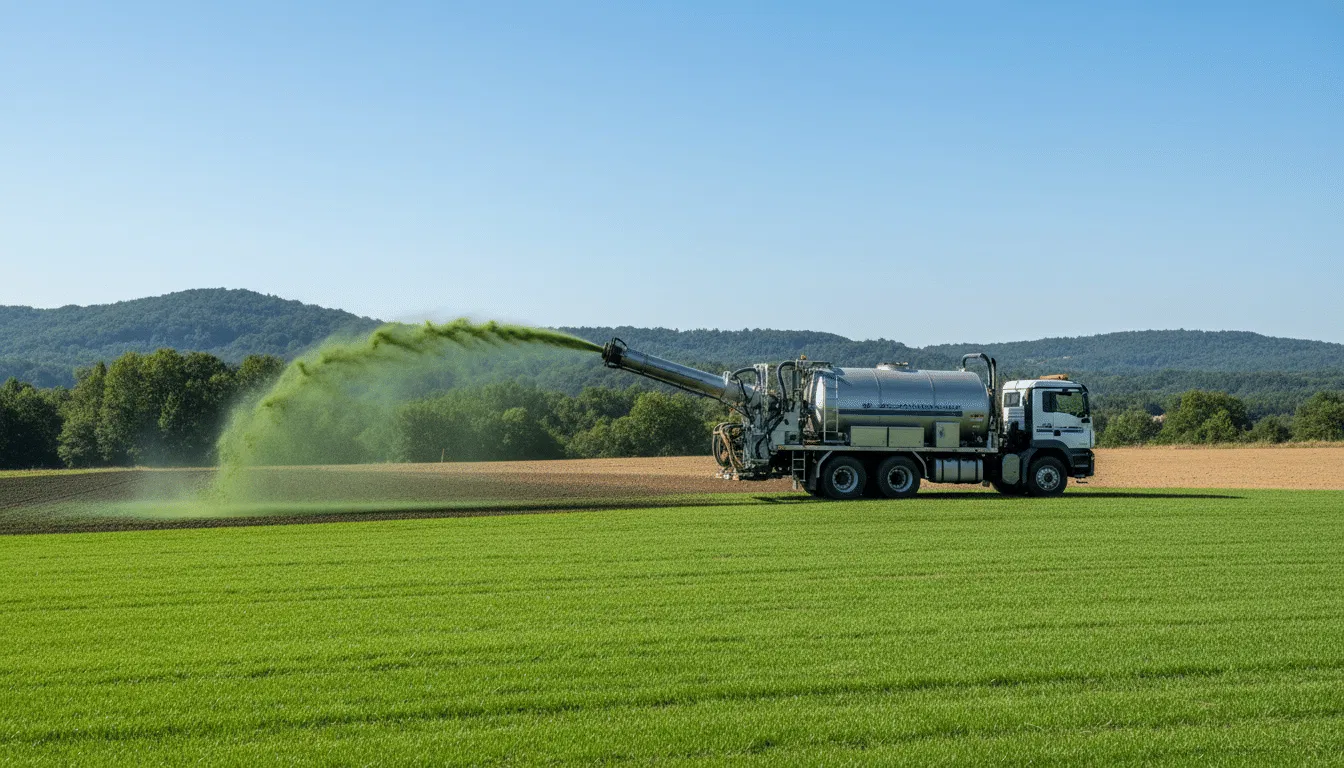
Most lawn content focuses on what can go wrong — the mistakes the failures the problems to avoid. This guide is different. It is about what happens when everything goes right — when the preparation is done correctly the grass type matches the conditions the application is executed well and the homeowner commits to the establishment period with the consistency it requires.
These are the scenarios where hydroseeding works exactly as it is supposed to. Real situations real conditions real results. Not marketing language but the honest picture of what properly executed hydroseeding produces for Texas homeowners who approach the project correctly.
The new construction lot that became the neighborhood's best lawn
The situation: a couple who closed on a new build home in a DFW suburb in February. The builder left the yard in the condition that builders typically leave yards — compacted clay subsoil with visible equipment tracks across it rocks and concrete chunks mixed into the surface layer and a grade that needed correction before any lawn would establish properly.
The preparation: a contractor walked the full yard during the estimate visit identified the compaction drainage issue in one corner and the topsoil quality problem from stripped construction activity and recommended skid steer preparation topsoil addition and debris removal before the application. The homeowners scheduled the preparation work for early March and the hydroseeding application for late March when soil temperatures would be reliably above the Bermuda germination threshold.
The application: late March Bermudagrass hydroseeding with quality wood fiber mulch and starter fertilizer on the fully prepared surface. The irrigation system had been verified and programmed to run three times daily before application day.
The establishment: first sprouts at day six. Solid germination across the majority of both yards by day twelve. First mow at day thirty-five. No significant bare sections requiring touchup.
The first summer: the lawn held through a July that included two weeks of triple-digit temperatures. The root depth built through spring progressive deep watering supported the lawn through the heat stress period without the daily intervention that a shallowly rooted first-year lawn would have required.
Year two: the neighbors began asking what they did because their lawn looked better than lawns that had been established for three and four years in the neighborhood. The answer was preparation compaction relief topsoil addition and committed first-year deep watering — nothing that any homeowner with the right information could not replicate.
The shaded backyard that finally had grass after years of trying
The situation: a homeowner whose shaded backyard had been bare or nearly bare for four years despite multiple overseeding attempts with Bermudagrass. The large oak trees that provided afternoon shade across most of the backyard had been growing for decades and the shade they created had intensified progressively as the canopy filled in.
The diagnosis: every previous attempt had been Bermudagrass applied in conditions where Bermuda cannot perform. The shade was real the sun exposure was inadequate for Bermuda and no amount of better seed more water or more careful management was going to produce a lasting Bermuda lawn in those conditions.
The solution: fall hydroseeding with Tall Fescue in the appropriate October window for DFW cool-season grass establishment. The shaded sections got Fescue calibrated to the conditions they actually provided rather than the grass that kept failing in those conditions.
The preparation: the accumulated thatch and dead material from four years of failed Bermuda attempts was removed. The soil was aerated to relieve the surface compaction that had developed through the years of failed establishment. A thin layer of quality topsoil was added to the sections where the soil quality had been most depleted through the repeated failed seeding cycles.
The establishment: October hydroseeding of Tall Fescue produced germination within seven days in cool fall soil temperatures. The Fescue established through fall and winter — staying green through the dormant season while the Bermuda in the sunny sections went brown. The homeowner who had not seen green grass in that backyard for four years had a green lawn through the winter months of the first fall application.
Year one result: the Fescue sections that had been bare for four years under Bermuda were green and established by spring. The homeowner's summary was simple — the right grass in the right conditions works. Four years of the wrong grass in those conditions had not and never would have.
The post-drought renovation that came back better than before
The situation: an established DFW homeowner whose Bermuda lawn — well-established over six years — suffered significant damage during an exceptionally hot and dry summer. Extended drought conditions combined with watering restrictions in the municipality reduced irrigation below what the lawn needed to maintain active growth and significant sections went beyond dormancy into crown death.
The spring assessment: mid-April revealed approximately forty percent of the lawn surface with confirmed dead crowns — sections that would not green up regardless of how much water was applied. The remaining sixty percent was recovering normally from dormancy and would return to full coverage without intervention.
The renovation approach: targeted hydroseeding of the confirmed dead sections in late April after soil temperatures reached the reliable Bermuda germination threshold. The dead sections were cleared of the dead material raked and lightly aerated before the hydroseeding application. The surrounding recovering sections were left undisturbed.
The establishment: germination on the hydroseeded renovation sections was visible within six days. By week four the renovation sections had coverage that was approaching the density of the surrounding recovered sections. By mid-summer the visual line between the original lawn and the renovated sections had largely disappeared as the new grass filled in and the surrounding recovered Bermuda continued its active summer growth.
The lesson from this success: the homeowner who waited until mid-April to assess — rather than attempting renovation in February when the dormant sections looked dead — avoided unnecessary renovation of sections that were dormant not dead. The thirty-five percent of the lawn that was dormant and would recover naturally was not disturbed. The forty percent that was genuinely dead was addressed with targeted renovation at the right timing. The result was a fully restored lawn at lower cost and less disruption than a whole-lawn restoration would have required.
The slope that finally held grass after years of washout
The situation: a homeowner with a significant slope in the backyard that had been bare and eroding for three years. Multiple broadcast seeding attempts had produced temporary coverage that washed off in the first significant rain and had to be reseeded. The slope had become a chronic erosion problem that was sending topsoil into the drainage area below it with every rain event.
The assessment: the slope was too steep for standard hydromulch to reliably hold through the DFW spring storm events that arrived shortly after every seeding attempt. The broadcast seeding had no chance on a slope that generated enough runoff velocity during heavy rain to displace lightweight seed before it germinated.
The solution: bonded fiber matrix hydroseeding with a Bermudagrass blend appropriate for the full-sun slope. BFM was specified because the slope angle and the intensity of typical DFW spring rain events exceeded what standard hydromulch could reliably hold — the BFM mat formation was required to maintain coverage through the establishment window.
The establishment: the BFM application went on in late April. A significant spring storm arrived five days after the application — exactly the kind of event that had washed away every previous seeding attempt. The BFM held. Coverage was intact across the full slope after the storm and germination proceeded normally in the days following.
By week four the slope had solid coverage for the first time in three years. By end of summer the root system of the established Bermuda was binding the slope soil in the way that permanent vegetation provides — the chronic erosion that had been carrying topsoil downslope with every rain event had ended.
The homeowner's summary was that using the right product for the specific conditions made the difference. Four years of attempting to solve a BFM problem with broadcast seed and then standard hydromulch produced four years of the same result. One application of the right product for the actual conditions of the slope produced the permanent solution.
The rural acreage that went from dust to established native grass
The situation: a rural property owner with approximately three acres of bare disturbed ground from a pond construction project that had stripped and regraded a significant area of the property. The disturbed area was eroding with every rain event and the property owner wanted permanent vegetative cover that would stabilize the soil with minimal ongoing irrigation requirement.
The specification: native grass mix hydroseeding with Buffalograss Sideoats Grama and a Bermudagrass component for fast initial establishment. The native mix was selected for drought independence once established — the property had limited water supply infrastructure and a traditional turf grass that required regular irrigation was not practical at this scale.
The preparation: the disturbed area was rough-graded for positive drainage toward the pond rather than allowing sheet erosion across the full area. Slopes adjacent to the pond bank received BFM for erosion control. The flatter disturbed areas received standard hydromulch with the native seed mix.
The establishment: native grass establishment is slower than standard turf grass — first germination appeared at day ten to twelve rather than the five to seven days typical of Bermuda in summer conditions. The homeowner had been prepared for the slower timeline and managed the establishment period watering accordingly.
By the end of the first growing season the disturbed area had transitioned from bare eroding ground to an established mixed native grass cover that was protecting the soil from the erosion events that had been carrying material into the pond. By the second growing season supplemental irrigation was no longer required — the Buffalograss and Sideoats Grama components had developed the root depth that allowed them to sustain themselves on natural rainfall in the drought-prone North Texas climate.
The outcome was exactly what native grass hydroseeding on rural Texas properties is designed to produce — permanent low-maintenance vegetative cover adapted to the specific conditions of the site.
What these stories have in common
Every success story in this guide has the same underlying structure. A situation with specific conditions. An honest assessment of what those conditions required rather than what was convenient or cheapest. A preparation investment that addressed what the specific conditions needed. A grass selection that matched the actual conditions rather than a generic preference. A quality application on a properly prepared surface. And committed establishment management through the critical window.
None of these successes happened because the contractor was magical or the homeowner had special talent. They happened because the right approach was matched to the right conditions and executed with the consistency that the biology of lawn establishment requires.
That is the formula. It works in every situation where it is applied correctly.
What your success story requires
The success story that ends with the lawn you want starts with the honest assessment of what your specific yard needs. The preparation that addresses those specific needs. The grass selection calibrated to your actual conditions. The establishment management committed to through the window when it matters most.
The homeowners in these stories were not special. They had the right information applied it correctly and followed through on the commitments that each project required. The same information is available to every homeowner with a yard that currently falls short of what they want it to be.

Ready to start your own success story?
Fox Hydroseeding LLC personally walks every property and gives you an honest assessment of what your specific yard needs to produce the result you are after. Every estimate is handled by the owner.
Get Your Free Estimate → foxhydroseeding.com/contact
Bring Your Property to Life With Expert Hydroseeding
Find Us On


Email address

Phone Number

