


Hydroseeding results — what great looks like and exactly what it takes to get there
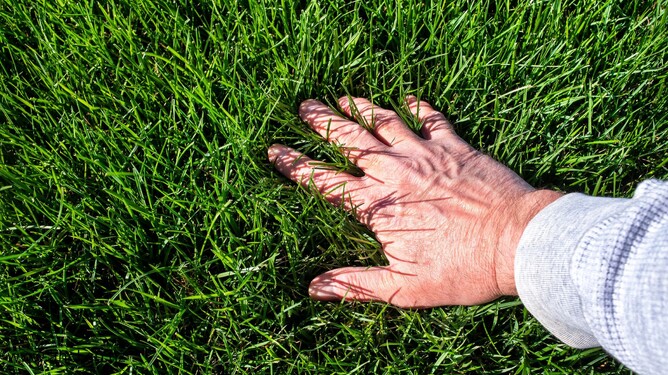
Every homeowner who schedules a hydroseeding application has a picture in their head of what the finished result looks like. A thick uniform green lawn that holds up through the summer looks good from the street and makes the yard the kind of outdoor space you actually want to spend time in. That picture is realistic — it is what quality hydroseeding on properly prepared soil with appropriate grass selection and committed establishment management produces. It is also not the automatic outcome of simply hiring someone to apply the slurry.
This guide is about the gap between average hydroseeding results and great ones — what great actually looks like at each stage of the process what separates properties that achieve it from those that fall short and what every homeowner needs to do to land on the right side of that gap.
What great hydroseeding results look like — stage by stage
Great hydroseeding results are not just a final outcome. They are a progression that looks specific at each stage and that tells you whether the project is on track for the finished result you are after.
On application day a great hydroseeding result looks like uniform even green coverage across the full application area — including the edges corners and any sections that required careful technique to cover properly. The mulch layer is consistent in color and thickness with no obvious missed sections thin spots or heavy accumulations that suggest uneven application. The contractor spent time on the detail work that makes the full yard look like it received the same quality of coverage as the open center sections.
At days five through seven the first sprouts are visible across most of the yard — scattered still but present in multiple sections rather than concentrated in only one or two favored areas. The early germination is uneven as it always is but it is widespread enough that the full yard is clearly germinating rather than showing activity only in the most favorable sections. The mulch is maintaining consistent color and moisture without visible cracking or pulling away from the soil surface.
At days fourteen through twenty-one the lawn is clearly becoming a lawn. Coverage is spreading visibly from week to week. The mulch is fading and the color shifting from mulch-green to grass-green as the fiber biodegrades and the actual grass becomes the dominant visible element. Thin sections are filling in from adjacent germinated areas. The yard looks like a project that is working rather than one that is struggling.
At weeks four through six the first mow is completed on a yard with solid consistent coverage across the full application area. Bare sections are limited to a few small isolated spots that continued watering and possible touchup will address rather than the widespread bare areas that characterize an underperforming result. The lawn looks like a real lawn — not a mature established lawn yet but clearly the beginning of one.
Through the first growing season the lawn thickens progressively as lateral spread fills in remaining thin sections and the root system develops the depth that makes summer performance possible. By the end of the first growing season a great hydroseeding result is a lawn that held its coverage through summer heat maintained reasonable appearance without intensive intervention and is heading into fall and winter dormancy with the density and root depth that will produce a vigorous spring green-up.
What separates great results from average ones
The gap between a great hydroseeding result and an average one is almost never in the application itself. Two applications of equivalent seed mulch and technique on differently prepared surfaces produce dramatically different results — and two applications on equivalently prepared surfaces managed with different establishment period discipline produce similarly dramatic differences.
The preparation is what most consistently separates great from average. A property that received thorough compaction relief quality topsoil addition where needed drainage correction and complete debris removal before the application is starting from a position where the slurry can produce what it is capable of. A property where the application went directly onto an unprepared surface is starting from a position where the slurry is compensating for conditions it was not designed to overcome.
The contractor selection is what most consistently separates prepared from unprepared surfaces. A contractor who walks the property identifies the preparation needs and either includes them in the scope or clearly explains them as separate requirements is the contractor whose applications land on prepared surfaces. A contractor who quotes without walking the property and applies without assessing preparation needs is the contractor whose applications land on whatever surface happens to be there.
The establishment management is what most consistently determines whether a properly applied application on a properly prepared surface reaches its potential. Consistent watering through the germination window produces germination rates that patchy watering cannot approach. Foot traffic restriction through the full establishment window prevents the physical damage that creates the bare spots that characterize so many otherwise good applications. First mow timing and height discipline prevent the stress setback that early or too-short mowing creates in young establishing lawns.
The preparation investment that makes great results possible
For homeowners who want the great result rather than the average one the most impactful single investment is the preparation work that precedes the application — not the application itself.
On a new construction lot in the DFW area this means mechanical compaction relief through skid steer work tilling or deep aeration that breaks up the compressed subsoil surface. Quality topsoil addition that creates a germination medium with organic matter and structure that compacted clay subsoil lacks. Debris removal that is thorough enough that the application surface is clean of construction material that would create bare spots in the germination pattern. Grade correction that establishes positive drainage and eliminates low spots that would create chronic moisture problems during establishment.
On an existing residential lot being renovated this means aggressive dethatching that removes the physical barrier between the slurry and the soil. Targeted aeration in compacted sections that opens root penetration pathways. Addressing identified drainage problems that created bare spots in previous establishment attempts. Correcting the grass type in sections where shade mismatch has been producing progressive thinning that any reseeding with the same wrong grass will reproduce.
The homeowner who invests in this preparation and then receives a quality hydroseeding application is positioned for a great result. The homeowner who skips preparation to reduce upfront cost and then receives the same quality application is positioned for an average result at best.
The establishment management that turns a good application into a great lawn
The establishment period is where the potential of a quality application on a properly prepared surface is either realized or lost. The management decisions of the first four to six weeks determine whether the application produces the great result that was possible or the average result that insufficient management produces.
Watering consistency is the most critical establishment management variable. In Texas summer conditions this means three sessions per day for the first fourteen days without exceptions for busy schedule days hot days or days when the yard looks like it is doing fine without the third session. The germination biology does not accommodate the schedule — the schedule accommodates the germination biology or the germination suffers.
Watering depth progression is the most important management transition after the germination window. Moving from the surface moisture maintenance sessions of germination to the deeper less frequent sessions that encourage root development is not automatic — it requires a deliberate schedule adjustment around day fourteen that the homeowner who is not thinking about it often does not make. The lawn that continues receiving three shallow daily sessions through week three has roots staying near the surface rather than developing the depth that summer performance requires.
Foot traffic and pet restriction through the full four-week window is the management discipline that most directly produces the visible quality difference between establishments that achieve uniform coverage and those that arrive at the first mow with visible bare paths where foot traffic or pet activity created physical damage during the most vulnerable establishment period.
First mow timing and height discipline is the final establishment management investment. Waiting for the grass to reach three to four inches before mowing prevents the stress setback of premature cutting. Maintaining the blade at two and a half to three inches on the first several passes prevents the scalping that sets back density development in the weeks immediately after first mow.
What great results look like one year and two years out
The great hydroseeding result is not just a six-week outcome. It is a trajectory that produces a progressively better lawn through every subsequent season.
At one year a great hydroseeding result is a lawn that survived its first Texas summer with coverage maintained through the heat a root system developed to the depth that supported that maintenance without intensive ongoing intervention and a density that is heading toward the thick uniform look that was the goal from the beginning.
At two years a great hydroseeding result is a lawn that is dramatically lower maintenance than a marginal first-year establishment — roots deep enough that summer drought stress requires management response only during genuinely extreme conditions rather than constant irrigation management. Density high enough that weed pressure is suppressed by competition rather than requiring regular chemical intervention. Recovery from wear and damage fast enough through lateral spread that the bare spots that plagued earlier seasons fill in on their own within weeks.
The great result compounds. Each year of good management adds root depth adds density adds resilience — until the lawn is the property asset it was designed to be rather than a recurring maintenance challenge.
The honest reality about what great requires from the homeowner
Great hydroseeding results require real input from the homeowner. Not heroic ongoing effort — but a specific committed investment in the establishment window and the first growing season that the homeowner who approaches the project with casual effort cannot replicate.
The contractor delivers the application. The homeowner delivers the establishment management. Both are required for the great result. A perfect application with negligent establishment management produces an average result at best. A quality application with committed establishment management produces the great result that was possible from day one.
The homeowner who knows this before the application begins approaches the establishment window with the commitment it deserves — not because the contractor told them to at the end of the application day but because they understand why the establishment period is the most important month of the entire project.
The bottom line on what great hydroseeding results require
Great hydroseeding results come from the right preparation the right contractor the right grass the right timing and the right establishment management — in that order of leverage. The application is the middle of the process not the whole of it. What happens before determines what the application can produce. What happens after determines whether what the application produced reaches its potential.
The picture in your head when you first research hydroseeding — thick uniform green lawn healthy through summer improving through every season — is an accurate picture of what quality hydroseeding produces when every element of the process is right. Getting there requires understanding what every element is and making sure each one is addressed.

Want to understand what great results require for your specific property before getting started?
Fox Hydroseeding LLC walks every property personally before making a recommendation and handles every step of the process with the attention to detail that great results require. Every estimate is handled by the owner.
Get Your Free Estimate → foxhydroseeding.com/contact
Bring Your Property to Life With Expert Hydroseeding
Find Us On


Email address

Phone Number

