


Hydroseeding prep mistakes that cost homeowners time and money — and how to avoid every one
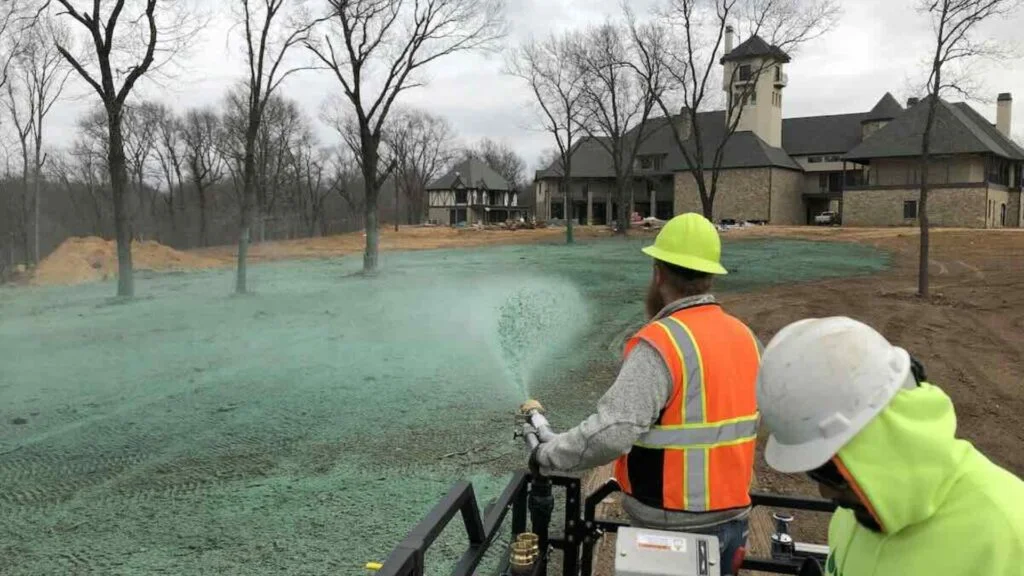
The preparation that happens before a hydroseeding application determines whether the investment produces a lasting lawn or a disappointing result that needs to be redone. Most hydroseeding failures are not application failures — they are preparation failures that were already locked in before the contractor arrived. Understanding what the most common preparation mistakes are and how to avoid them is the most cost-effective thing a homeowner can do before any hydroseeding project begins.
These are the preparation mistakes that produce the results homeowners regret — and exactly what to do instead.
Mistake one: skipping the soil assessment entirely
The most fundamental preparation mistake is proceeding without understanding what the soil condition actually is. Homeowners who call a contractor schedule an application and never specifically discuss or assess the soil condition are making a decision about one of the most important project variables without any information.
Soil condition — its compaction level its organic matter content its pH its drainage behavior — is the primary determinant of whether the hydroseeded grass develops the root depth and establishment quality that produces a lasting lawn. An application onto severely compacted clay subsoil produces shallow-rooted grass that fails within a season regardless of how good the seed mulch and aftercare are. An application onto nutrient-poor stripped construction subsoil produces thin struggling establishment regardless of how well the germination window is managed.
What to do instead: assess the soil before scheduling anything. Walk the yard and evaluate how hard the surface is underfoot whether water penetrates or runs off whether there is visible organic matter or biological activity in the top few inches and whether the property history suggests significant disturbance that would affect soil quality. Bring that assessment into the contractor conversation so the preparation scope is based on what the soil actually needs rather than a generic default.
Mistake two: not addressing compaction before the application
Compaction on new construction lots and high-traffic areas is one of the most common and most consequential preparation problems in the DFW hydroseeding market — and it is one of the most frequently skipped preparation steps because it requires equipment and effort that adds cost and time to the project.
The consequence of skipping compaction relief is not visible immediately. The germination that occurs on compacted soil looks similar to germination on properly prepared soil in the first few weeks. The difference shows up as the season progresses and shallow roots prove inadequate to sustain the grass through summer heat drought and the ongoing demands of a Texas growing season. The lawn that seemed established in May is thin and struggling in July not because the application failed but because the roots never developed the depth that compacted soil prevented.
What to do instead: assess compaction honestly before the application and address it through the appropriate method for the severity. Core aeration for moderate compaction that opens pore space and creates root penetration channels. Skid steer work tilling or deep ripping for severe compaction that requires breaking the compacted layer at a depth that surface aeration cannot reach. The investment in compaction relief before the application changes the root environment that the lawn will grow in for years.
Mistake three: ignoring drainage problems
Drainage problems that create chronic wet or dry zones in the yard are preparation problems that no hydroseeding application can compensate for. A low spot that collects standing water after rain creates anaerobic conditions that rot seed during germination and drown young roots during establishment — producing a persistently bare section that will fail from every seeding attempt until the drainage is corrected. A high spot or fast-draining section that dries out rapidly between waterings creates drought stress in that specific area that produces thin struggling coverage regardless of the overall irrigation schedule.
The mistake homeowners make with drainage problems is proceeding with the application without addressing them — usually because the drainage problem is less obvious during a dry period when the application is being scheduled or because the correction requires grade work that adds cost and time to the project.
What to do instead: walk the yard during or after a rainfall event before scheduling any application and observe where water collects where it runs and where it drains quickly. Note any persistent wet spots dry spots or grade conditions that direct water toward structures rather than away from them. Address drainage problems through grade correction before the application — filling low spots establishing positive drainage and in severe cases installing drainage infrastructure that moves water away from the yard.
Mistake four: inadequate debris removal
Construction debris mixed into the surface layer of a yard is one of the most common preparation problems on new construction lots and renovation sites — and one of the most underestimated in terms of its impact on germination quality. Rocks concrete chunks wire nails and other material create bare spots in the germination pattern by physically preventing seed-to-soil contact in the areas where they exist and by creating obstacles for root development and mowing equipment after establishment.
The mistake is a preparation walkthrough that misses debris below the surface — material that is not obvious from a quick visual scan but that is present in significant quantities when the surface is examined more carefully. Homeowners who do a cursory debris removal pass often leave behind enough subsurface material to create the patchy germination pattern that looks like a seed or application problem.
What to do instead: do multiple debris removal passes before the application — at least two thorough walkthroughs of the full area looking specifically for any material that does not belong in the seed bed. On new construction lots rake the surface during removal rather than just picking up visible surface items — subsurface debris becomes visible when the top layer is disturbed. Flag any areas where debris seems particularly concentrated for contractor attention during the estimate walkthrough.
Mistake five: killing existing vegetation too close to the application date
Homeowners who need to kill existing vegetation — weeds undesirable grass or an existing lawn being fully replaced — before hydroseeding sometimes do the herbicide application too close to the application date and proceed before the treated material has had adequate time to die back completely.
Green dying vegetation in the application area at the time of seeding competes with new seed from the first day — the existing plants have established root systems and nutrient access that new seedlings lack. The new seed germinates in a competitive environment rather than onto a clean prepared surface and the result is the thin patchy establishment that comes from seeding without adequate weed control.
What to do instead: time the herbicide application at least two to three weeks before the scheduled hydroseeding date — long enough for treated vegetation to die back completely before seed goes down. If the vegetation has not died back fully by the application date reschedule the application rather than proceeding onto a surface that is still competing with the new seed.
Mistake six: not completing irrigation preparation before the application
The most impactful thing the irrigation system does for a hydroseeding project is running the establishment schedule automatically from the day of the application through the germination window. An irrigation system that is not verified and programmed before the application — one that has coverage gaps unrepaired heads or an incorrect schedule set for the establishment period — fails during the most critical two weeks of the project.
The mistake is treating irrigation verification as an afterthought — something to figure out after the application is done and the slurry is on the ground. By then discovering a coverage gap or a non-functioning head means the affected section goes through the germination window without adequate moisture — producing the bare section that a working irrigation system would have prevented.
What to do instead: verify irrigation coverage and function before the application date not after. Walk every zone while the system runs and check for coverage gaps non-functioning heads and areas where coverage is inadequate. Repair any problems before the application. Program the establishment schedule — appropriate sessions per day for the current season — and confirm it runs correctly. Arrive at application day with an irrigation system that is ready to support establishment from the moment the contractor leaves.
Mistake seven: doing preparation work in the wrong sequence
The sequence of preparation steps matters as much as doing them — and getting the sequence wrong creates problems that doing each step correctly would not have produced.
Topsoil addition after compaction relief rather than before is the correct sequence — you loosen the compacted soil then add topsoil and blend it into the loosened surface. Doing these in reverse order — adding topsoil and then compacting it with equipment during the loosening process — undermines the quality of the topsoil addition.
Herbicide application before grading and debris removal rather than after is the correct approach for properties being fully restored — grade correction and debris removal disturb the soil surface and may expose weed seeds that need to be addressed after the physical preparation rather than before it.
Irrigation verification and repair before the application not after — as discussed above.
What to do instead: establish a preparation sequence before starting any preparation work. The general sequence for a complete preparation is debris removal grading and drainage correction compaction relief topsoil addition vegetation killing if needed irrigation verification and then the hydroseeding application. Variations on this sequence are appropriate for specific situations but the general logic of physical soil preparation before material addition before vegetation control before application is the framework that produces a properly prepared surface.
Mistake eight: rushing preparation to meet a self-imposed deadline
Timeline pressure — a desire to have the lawn established by a specific date a contractor availability constraint that pushes the application earlier than ideal or simply impatience to get the project started — sometimes leads homeowners to rush or skip preparation steps to meet a deadline that the quality of the result does not justify.
Rushed preparation produces predictable consequences. Compaction that was not fully addressed. Topsoil that was added but not properly incorporated. Vegetation that was killed but not given adequate time to die back before the application. Irrigation that was not properly verified. Each of these rushed steps creates a preparation gap that shows up in the germination quality and the establishment result.
What to do instead: set the application date based on when the preparation will genuinely be complete — not the other way around. If complete preparation requires three weeks allow three weeks before scheduling the application. If the soil temperature window that makes the timing optimal requires waiting until late March let the soil temperature reach the threshold before proceeding regardless of how ready everything else is.
The preparation is not a formality that happens before the real project. It is the foundation that determines what the real project can produce. Rush it and the result reflects the rush. Complete it correctly and the result reflects the investment.
The bottom line on hydroseeding preparation mistakes
Every mistake on this list has one thing in common — it produces a hydroseeding application that lands on a surface that was not ready for it. The seed mulch and application technique are doing their jobs correctly. The surface they are landing on is limiting what those inputs can produce.
Avoiding these mistakes is not complicated. It requires honest assessment of the soil before scheduling. Adequate time for each preparation step. The right sequence for the steps being taken. And the discipline to let preparation drive the timeline rather than letting the timeline compress the preparation.
The homeowner who avoids these mistakes arrives at application day with a surface that gives the hydroseeding application every opportunity to produce the result it is capable of. That is the preparation that produces the lawn worth having.

Want to make sure your yard is properly prepared before your hydroseeding application begins?
Fox Hydroseeding LLC personally walks every property before the application and identifies every preparation need before any work begins. We address the preparation that makes the application succeed rather than applying over conditions that would limit the result.
Get Your Free Estimate → foxhydroseeding.com/contact
Bring Your Property to Life With Expert Hydroseeding
Find Us On


Email address

Phone Number

