


Hydroseeding maintenance schedule — a complete month by month lawn care calendar for Texas
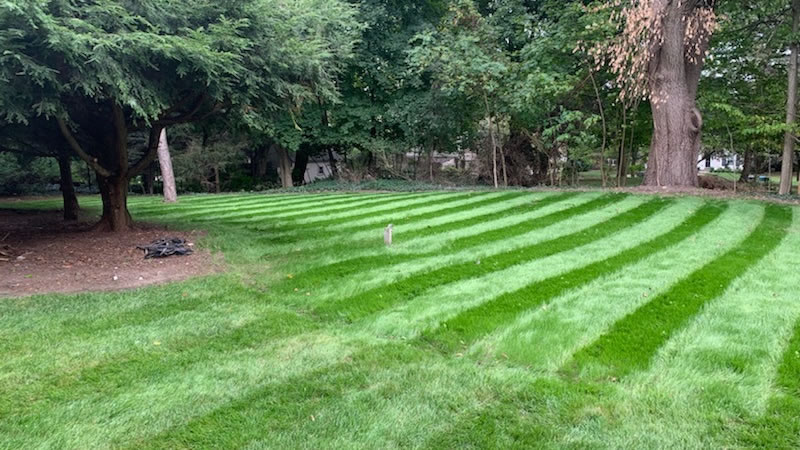
A hydroseeded lawn is an investment that pays forward for years when it is maintained correctly through every season. The challenge for most homeowners is knowing what to do and when — the right time to fertilize the right time to aerate the right time to overseed and how to manage the lawn through the seasonal transitions that Texas produces every year. This guide gives you a complete month by month maintenance calendar for hydroseeded lawns in the DFW area covering both Bermudagrass and Tall Fescue through every month of the year.
How to use this calendar
This calendar is written for the DFW and North Texas market where the seasonal patterns climate conditions and grass type options are specific to the region. Bermudagrass and Tall Fescue have different maintenance requirements and different seasonal activity windows — the calendar addresses both where the guidance differs between them.
Not every task listed for each month applies to every lawn. The tasks relevant to your lawn depend on your grass type your lawn's current condition and what you accomplished in the previous month. Use this as a reference framework and adapt it to your specific situation rather than following it rigidly regardless of what your lawn actually needs.
January
Bermudagrass lawns are fully dormant in January across most of the DFW area. The grass is brown the crown and root system are alive underground and the lawn requires minimal attention. Reduce or eliminate irrigation during dormancy — occasional watering every two to three weeks during extended dry periods maintains the crown without encouraging top growth that is unnecessary and vulnerable during cold months.
Tall Fescue lawns are actively growing in January during mild periods and maintaining green color through the cooler months. Continue light watering during dry stretches — once per week or as needed to keep the soil from drying out completely. Avoid heavy foot traffic on Fescue during hard freeze periods when the grass is frost-covered and brittle.
January is a planning month for the growing season ahead. Assess any damage from December cold events identify areas that will need renovation in spring and schedule contractor conversations for spring hydroseeding projects early before the peak season calendar fills.
February
Bermudagrass remains dormant in February in most North Texas years though late February can bring early green-up signals in warm years. Resist the urge to fertilize or apply herbicide to dormant Bermuda — the grass is not actively growing and the inputs do not benefit it during dormancy.
Tall Fescue begins its spring growth acceleration in late February as temperatures moderate. Begin increasing irrigation frequency slightly as the grass resumes more active growth. This is the window to assess Fescue coverage from winter and identify thin areas that need overseeding before the spring growth period fills the lawn in around them.
February is the month to schedule spring hydroseeding projects. The contractor calendar fills quickly in March and April — getting your estimate scheduled and your project planned in February ensures you are positioned for the best spring timing window rather than waiting until the window is already closing.
March
March is the transition month for Bermudagrass in the DFW area. Soil temperatures begin climbing toward the 65 degree Fahrenheit germination threshold and green-up typically begins in late March in most years. Once green-up is visible the lawn is waking from dormancy and the active growing season is beginning.
Apply pre-emergent herbicide for summer annual weed prevention in early March before soil temperatures reach the weed germination threshold — typically when soil temperatures approach 50 to 55 degrees. Timing this application correctly is more important than calendar date — a soil thermometer gives you the accurate data needed to apply at the right moment rather than guessing based on air temperature.
Begin the spring fertilization program for Bermuda after green-up is clearly visible and consistent — not before. Premature fertilization of still-dormant Bermuda wastes product and can promote weed growth in bare areas. Wait for clear signs of active growth before the first spring fertilizer application.
For Tall Fescue March is the peak spring growing season. Fertilize with an appropriate cool-season grass product in early March while active growth is vigorous. Deep consistent watering through March builds the root depth that moderates summer stress for Fescue lawns — the investment in March watering pays forward through July and August.
March is the target month for spring hydroseeding applications of Bermudagrass. Soil temperatures are rising into the germination range and the full growing season lies ahead. Applications in late March position the new lawn with maximum time to establish before the heat of summer arrives.
April
April is prime growing season for both Bermudagrass and Tall Fescue in the DFW area and one of the most active months in the lawn care calendar.
Bermudagrass established through spring hydroseeding applications is in its establishment phase in April. Maintain the watering schedule committed to during the application — two sessions per day during germination transitioning toward deeper less frequent sessions as coverage develops. Continue pre-emergent weed protection if the March application window was missed.
Established Bermuda lawns continue spring growth through April. Begin regular mowing once the grass reaches the appropriate mowing height — one and a half to two inches for Bermuda. Continue the spring fertilization program. Monitor for spring weed emergence and treat post-emergent broadleaf weeds after confirming the lawn is adequately established to handle selective herbicide application.
Tall Fescue remains in active spring growth through April but begins the gradual transition toward the summer stress period. Continue deep watering and appropriate fertilization. The root depth being built through April watering is directly relevant to how the lawn handles June and July. Do not reduce irrigation or fertilization during April with summer in view — build the lawn through the most favorable growing conditions available before the challenging period arrives.
May
May marks the beginning of the transition into summer conditions for the DFW area. Temperatures climb soil temperatures rise and the growing conditions that favor warm-season grasses become increasingly dominant.
Bermudagrass in May is in aggressive growth mode. Mowing frequency increases as the grass grows faster in warm conditions. Maintain appropriate mowing height and mow frequently enough to avoid removing more than one third of the blade height in a single session. The second spring fertilizer application can be made in May on actively growing established Bermuda.
Late spring is the last viable window for Bermudagrass hydroseeding applications in the DFW area before summer heat requires the more intensive irrigation management of a summer establishment. Applications in early May still provide solid establishment time before peak heat arrives.
Tall Fescue begins showing the early signs of summer stress in May as temperatures push higher. Transition irrigation toward deep infrequent sessions that encourage root access to cooler soil moisture below the surface heat zone. Reduce or eliminate nitrogen fertilization as the summer stress period approaches — pushing top growth on Fescue in May weakens rather than strengthens its summer performance.
June
June is the beginning of the peak summer period for the DFW area. Bermudagrass is in its most active growth window. Tall Fescue is entering its most stressful period.
Bermudagrass lawns in June are growing aggressively and require regular mowing to maintain appropriate height. Continue the summer irrigation schedule — deep sessions every two to three days depending on heat and rainfall. Monitor for chinch bugs armyworms and other summer pest activity that commonly affects Bermuda lawns in the DFW area in June.
Summer hydroseeding of Bermudagrass is viable in June and regularly done in the DFW market. Applications in June benefit from the peak soil temperatures that accelerate Bermuda germination — the trade-off is the intensive irrigation management that summer establishment requires. Applications completed in early June have the best timeline before mid-summer peak heat.
Tall Fescue management in June focuses on survival rather than growth. Deep infrequent watering to maintain root-zone moisture without surface saturation is the primary task. Avoid any fertilization. Accept some thinning as a normal summer response and plan for fall overseeding of thin sections rather than attempting summer renovation.
July
July is the peak of summer in North Texas with the most demanding conditions of the year for both lawns and homeowners managing them.
Bermudagrass in July is handling the peak heat conditions it evolved for. Continue the summer irrigation schedule adjusted upward during heat waves and extended dry periods. Watch for drought stress signals — blue-grey tint blade folding footprints that stay compressed — and water before those signs advance to visible damage.
July hydroseeding of Bermuda is viable but represents the most demanding establishment window of the year. The intensive irrigation commitment required during a July application should be evaluated honestly before proceeding. Homeowners who can commit to three-times-daily watering through the germination window get excellent results from July applications — the fast germination of Bermuda in peak summer soil temperatures produces visible progress quickly.
Tall Fescue lawns may be showing significant summer stress or partial dormancy in July. Maintain deep watering to protect the root system without attempting to maintain full green color if the heat intensity exceeds what the available irrigation can support. A partially dormant but root-system-intact Fescue lawn recovers through fall. A shallow-rooted or desiccated Fescue lawn from inadequate summer watering requires full renovation.
August
August continues the peak summer conditions with similar management requirements to July across both grass types.
Bermudagrass summer management continues through August. Begin thinking about fall overseeding with Ryegrass if winter color is a priority — the timing conversation with a contractor for fall Ryegrass applications should happen in August before October arrives.
August is the last practical window for Bermudagrass hydroseeding applications in the DFW area. Soil temperatures remain in the favorable germination range but the establishment window before fall dormancy is beginning to narrow. Applications completed in early August have adequate time for establishment before temperatures cool. Late August applications carry increasing risk of insufficient establishment time before dormancy — discuss the specific timing with your contractor before proceeding.
Tall Fescue lawns continue summer stress management through August. Begin planning for fall overseeding and renovation — identify the bare or thin sections that need attention and plan the October application timing and contractor scheduling before the fall season arrives.
September
September is a transition month as temperatures begin moderating from the peak of summer. It is one of the most important planning and preparation months of the lawn calendar.
Bermudagrass lawns begin transitioning toward fall dormancy as day length shortens and temperatures cool through September. Reduce fertilizer applications — late-season nitrogen pushes growth that will not complete hardening before dormancy and can reduce cold tolerance. Continue appropriate irrigation as the grass begins slowing growth.
September is the month to schedule fall hydroseeding and overseeding projects. The fall window for Tall Fescue establishment and Ryegrass overseeding opens in October — scheduling contractor visits in September ensures the calendar is in place before the window opens and closes.
Apply fall pre-emergent herbicide in September to prevent winter annual weeds like henbit and chickweed that germinate in cool fall soil temperatures. Timing this application to soil temperature — around the 70-degree cooling threshold — is more reliable than calendar date.
October
October is the most active month of the fall lawn calendar in the DFW area and one of the two most important hydroseeding months of the year alongside April.
Bermudagrass lawns are entering fall dormancy through October. Reduce irrigation as the grass slows and approaches dormancy. Final mowing of the season at appropriate height before the grass goes fully dormant. Note bare or thinned areas that may need spring hydroseeding renovation.
Tall Fescue hydroseeding applications should begin in early October for optimal establishment timing in North Texas. Soil temperatures are dropping into the favorable germination range the entire cool season lies ahead and the establishment window is as favorable as it gets for cool-season grass in this market. Applications in early to mid-October produce the best-established Fescue lawns by the following spring.
Ryegrass overseeding of dormant Bermuda lawns for winter color should be completed in October as Bermuda goes dormant. Ryegrass germinates quickly in cool fall soil temperatures and establishes through the winter months providing green coverage until Bermuda resumes growth in spring.
November
November is the closing window for fall hydroseeding in the DFW area and the beginning of the dormant season management period.
Tall Fescue hydroseeding applications in early November are viable in most years but carry more timing risk than October applications as the first freeze deadline approaches. Applications completed by mid-November in a normal year have adequate time for germination and initial establishment before cold temperatures slow growth significantly.
Bermudagrass is fully dormant or approaching full dormancy through November. Reduce irrigation to dormancy maintenance levels — occasional deep watering every two to three weeks during dry stretches to maintain the crown system without promoting unnecessary top growth.
Newly established Fescue lawns from October applications are continuing germination and early establishment through November. Continue the establishment watering schedule adjusted for cooler temperatures and lower evaporation — twice daily sessions may be reducible to once daily in cool November conditions while still maintaining adequate moisture for completing germination.
December
December is full dormancy month for Bermudagrass across the DFW area and the deep cool-season growth period for established Tall Fescue and Ryegrass lawns.
Bermudagrass dormancy maintenance through December requires minimal intervention. Reduce irrigation to once every two to three weeks during dry periods. Monitor the yard for freeze damage events — the severe cold events that have affected the DFW area in recent years can cause Bermuda crown damage in exposed sections. Areas that show no green-up in March following a December freeze event may have experienced crown death that requires spring hydroseeding renovation.
Tall Fescue and Ryegrass lawns continue slow active growth through mild December periods and maintain green color through the dormant season. Light irrigation during dry stretches — once per week or as needed — maintains adequate moisture without overwatering during the cool season when evapotranspiration rates are lowest.
December is the month to assess the year's lawn performance and plan for the coming year. What sections need spring renovation. What site preparation work should be scheduled before the spring application window opens. What grass type and timing choices will optimize the result for the conditions of your specific yard. The planning done in December positions you to execute effectively when the growing season begins again in March.
The bottom line on year-round hydroseeding lawn maintenance
A hydroseeded lawn maintained through a consistent month by month care program gets healthier and more resilient every year rather than declining from neglect. The investment compounds — each year of appropriate aeration fertilization and irrigation management builds the soil structure and root depth that makes the lawn progressively easier to maintain and more resistant to the stresses that Texas produces reliably every summer.
The calendar above gives you the framework. Your specific lawn — its grass type its current condition its site-specific characteristics — gives you the context for adapting that framework to the actual needs of your yard each month of the year.

Have questions about maintaining your hydroseeded lawn through the seasons?
Fox Hydroseeding LLC is owner-operated and available to answer lawn care questions for every lawn we establish. We do not disappear after the application — we are here when guidance is needed throughout the year.
Get Your Free Estimate → foxhydroseeding.com/contact
Bring Your Property to Life With Expert Hydroseeding
Find Us On


Email address

Phone Number

