


Hydroseeding maintenance mistakes that ruin new lawns — and how to avoid every one of them
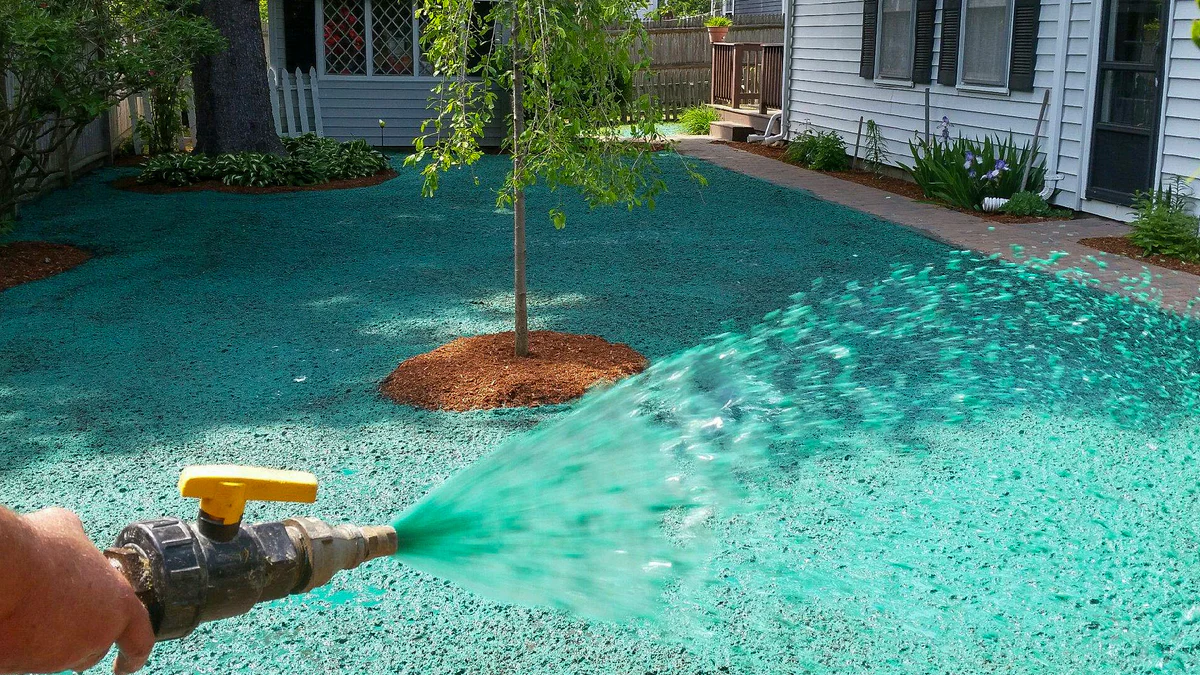
A quality hydroseeding application gives your lawn the best possible start. What happens in the weeks after the application determines whether that start produces the thick established lawn you paid for or a patchy disappointing result that leaves you wondering what went wrong. The mistakes that ruin hydroseeded lawns are almost always made after the contractor leaves — not during the application itself. This guide covers every significant maintenance mistake homeowners make after hydroseeding and exactly what to do instead.
Mistake one: inconsistent watering during the germination window
This is the mistake that ruins more hydroseeded lawns than any other and it is almost always the first place to look when a germination result disappoints. Inconsistent watering during the first fourteen days after application is the single most reliable way to get a patchy uneven lawn from an otherwise well-executed hydroseeding job.
Grass seed needs continuous moisture to germinate. It is not a process that can be paused and resumed without consequences. When the seed bed dries out between watering sessions the seeds that were in the process of germinating lose viability. The seeds that had not yet started may survive a brief dry period but resume the germination process behind schedule. The result is uneven coverage that reflects the gaps in watering rather than any problem with the application.
In Texas conditions during spring and summer the seed bed can dry out faster than most homeowners expect — sometimes within a few hours on a hot windy day. Two to three watering sessions per day during the first two weeks is the standard schedule for a reason. It is not excessive — it is what the conditions require.
What to do instead: commit to the watering schedule before the application day not after. Set up your irrigation system to run automatically on the required schedule before the contractor arrives. If you do not have an automatic system plan the manual watering approach in detail — know your hose coverage know the timing of each session and have a backup plan for days when your schedule is disrupted.
Mistake two: watering too heavily in single sessions
The opposite of insufficient watering is overwatering in individual sessions — and it causes its own set of problems. More water per session is not better during the germination phase. What matters is consistent surface moisture not saturation.
Watering too heavily in a single session causes runoff that carries slurry off slopes and concentrates seed in low spots. It saturates the soil surface creating anaerobic conditions that promote seed rot rather than germination. On slopes it can displace the mulch layer before it has fully bonded to the soil surface undermining the erosion protection and moisture retention that makes hydroseeding work.
What to do instead: water light and frequently during the first two weeks rather than heavy and infrequently. Ten to fifteen minutes per irrigation zone per session is a reasonable starting point. Watch for runoff as your signal that you are applying more water per session than the soil can absorb — if water is running off the surface before the session ends reduce duration and increase frequency.
Mistake three: walking on the lawn during establishment
Foot traffic on a freshly hydroseeded lawn is one of the most common and most damaging mistakes homeowners make — usually because they do not fully internalize how fragile the seedlings are during the first three to four weeks.
In the first week after application the mulch layer is still bonding to the soil and any foot traffic disrupts the seed contact and moisture environment that germination depends on. In weeks two and three when seedlings are emerging and visible foot traffic compresses the soil around shallow root systems and physically tears seedlings that have not yet anchored themselves adequately. A single path of foot traffic across a week-old hydroseeded lawn creates a visible scar that takes weeks to recover.
What to do instead: treat the hydroseeded area as completely off-limits for the first four weeks without exception. Establish an alternative route around the yard before the application day. Communicate the restriction clearly to everyone in the household including kids and communicate it again on application day so the memory is fresh during the most critical period.
Mistake four: letting pets access the lawn during establishment
Dogs cause two distinct types of damage to a hydroseeded lawn during establishment — physical disruption from foot traffic and running and chemical burn from urine. Both are damaging individually and together they are one of the most reliable ways to get a patchy result from an otherwise good application.
A medium-sized dog running across a fresh hydroseeded application can displace mulch compact soil and destroy emerging seedlings across a significant area in seconds. Dog urine deposits concentrated nitrogen on spots where the grass has not yet developed the density and root depth to tolerate it — creating dead spots in the middle of otherwise germinating areas.
What to do instead: set up temporary fencing to physically restrict pet access before the application day. If temporary fencing is not practical limit outdoor time to supervised leashed access only during the four-week establishment period. Plan the pet management approach before the application rather than improvising after the slurry is on the ground.
Mistake five: mowing too early
Impatience with the first mow is a mistake that stresses a lawn that was establishing perfectly well before the mower came out. Mowing too early — before the grass has reached adequate height and before the root system has developed sufficient depth — puts the lawn under stress at a moment when it is least equipped to handle it.
Cutting too short removes a significant portion of the grass blade that the plant uses for photosynthesis to support root development. On a lawn with a shallow root system that has not yet fully established this stress can cause visible setback — thinning of newly established areas and in some cases significant dieback in sections that were marginal going into the first mow.
What to do instead: wait until the grass reaches three to four inches before mowing for the first time. This typically happens around weeks four to five for warm-season grasses in the DFW area. When you do mow keep the blade high — no lower than two and a half to three inches — and use a sharp blade on dry ground. Do not remove more than one third of the blade height in a single session.
Mistake six: mowing with a dull blade
Even when the timing of the first mow is right mowing with a dull blade causes damage that homeowners often mistake for a disease or watering problem. A dull mower blade tears grass rather than cutting it cleanly leaving ragged brown tips that create a stressed appearance across the whole lawn.
On a newly established lawn that does not yet have the density and root depth of a mature turf the additional stress of torn grass tips is more significant than it would be on an established lawn. The brown ragged appearance from a dull blade can look like drought stress or disease prompting a homeowner to overwater or apply product that the lawn does not need.
What to do instead: sharpen your mower blade before the first mow on a new hydroseeded lawn. A sharp blade makes a clean cut that the grass recovers from quickly without the torn ragged appearance that signals blade damage rather than a watering or disease problem.
Mistake seven: fertilizing too early or with the wrong product
Most professional hydroseeding applications include starter fertilizer in the slurry that provides the nutrition seedlings need through the first four to six weeks of establishment. Applying additional fertilizer too early — particularly high-nitrogen products — pushes top growth at the expense of root development on a lawn that needs root depth more than it needs visible shoot growth during establishment.
High-nitrogen fertilizer applied to a newly germinating lawn also increases the risk of burning — the concentrated nitrogen that causes urine spots from dogs causes the same type of damage when synthetic fertilizer is applied at excessive rates to thin young grass.
What to do instead: let the starter fertilizer in the slurry do its job through the first four to six weeks. After that apply a fertilizer product appropriate for your grass type and the season at label-recommended rates. Ask your contractor what was included in the slurry mix and what fertilization schedule they recommend for your specific grass type before making any fertilizer decisions after the application.
Mistake eight: applying pre-emergent herbicide around seeding time
Pre-emergent herbicides prevent seed germination — that is exactly what they are designed to do. Applying pre-emergent products in the weeks before or after a hydroseeding application prevents the new grass seed from germinating with the same effectiveness that it prevents weed seed from germinating. The product cannot distinguish between the grass you want and the weeds you do not.
This mistake is more common than it sounds because homeowners who are proactive about weed control sometimes apply pre-emergents on a spring schedule without realizing the timing conflicts directly with a hydroseeding application that was just completed or is coming up in the next few weeks.
What to do instead: do not apply pre-emergent herbicide within eight to ten weeks before or after a hydroseeding application. If weed control is a concern discuss the timing and approach with your contractor before any products go down. Post-emergent targeted weed control on specific visible weeds is generally safer during establishment than pre-emergent blanket applications — but always confirm with your contractor before applying any herbicide product on a newly seeded lawn.
Mistake nine: stopping watering too abruptly after germination
Seeing green across the yard and assuming the lawn is established enough to reduce watering significantly is a mistake that causes setback during one of the most important phases of development. The germination you see at weeks two to three is the beginning of establishment not the end of it. The root system at that point is still shallow and fragile — dependent on consistent moisture to support the growth that builds the depth needed for long-term resilience.
Abruptly cutting watering frequency when the lawn looks green but is not yet fully rooted creates drought stress that the young plants are not equipped to handle. The above-ground growth that looked promising stalls and in some cases thins significantly as shallow-rooted seedlings struggle without the consistent moisture they need to complete root development.
What to do instead: transition watering gradually rather than stopping abruptly. As germination completes around week two begin moving toward deeper less frequent sessions — not toward stopping irrigation entirely. By week four transition to a mature lawn schedule of one to two deep sessions per week. The transition should be gradual enough that the lawn never experiences sudden moisture stress during the shift from germination watering to establishment watering to mature watering.
Mistake ten: ignoring early warning signs
Patchy germination a section of the yard with no sprouts by day ten visible cracking in the mulch layer or areas where the slurry has washed are all early warning signs that something needs attention. Homeowners who notice these signs and do not act — either by adjusting their watering correcting a drainage issue or contacting their contractor — allow small problems to become large ones during the window when they are most fixable.
A bare section at day ten that receives a watering correction and possibly a touchup application recovers within the same establishment timeline as the rest of the lawn. The same bare section at day thirty is a missed window that requires starting over.
What to do instead: check the lawn closely every day or two during the first three weeks. Know what normal germination progress looks like at each stage so you can recognize when something is behind schedule. Contact your contractor at the first sign of a significant problem rather than waiting to see if it resolves on its own. Most issues that arise during the establishment window are fixable quickly when addressed early and expensive or impossible to fully correct when addressed late.
The bottom line on avoiding hydroseeding mistakes
Every mistake on this list is avoidable with the right preparation and realistic expectations going into the establishment period. The common thread across all of them is making decisions before the application rather than improvising after — knowing the watering schedule setting up pet management getting the mower blade sharpened and understanding the timeline for each milestone before the contractor arrives.
A well-prepared homeowner with a realistic plan for the four weeks after the application gets dramatically better results from the same application than one who figures it out as they go. The application itself is the contractor's job. The establishment is yours.

Want to make sure you do not make any of these mistakes after your hydroseeding application?
Fox Hydroseeding LLC walks every homeowner through the complete aftercare plan before leaving the job site — watering schedule germination timeline warning signs and everything in between. We set you up to succeed not just spray and leave.
Get Your Free Estimate → foxhydroseeding.com/contact
Bring Your Property to Life With Expert Hydroseeding
Find Us On


Email address

Phone Number

