


Hydroseeding maintenance mistakes that ruin new lawns — and how to avoid every one
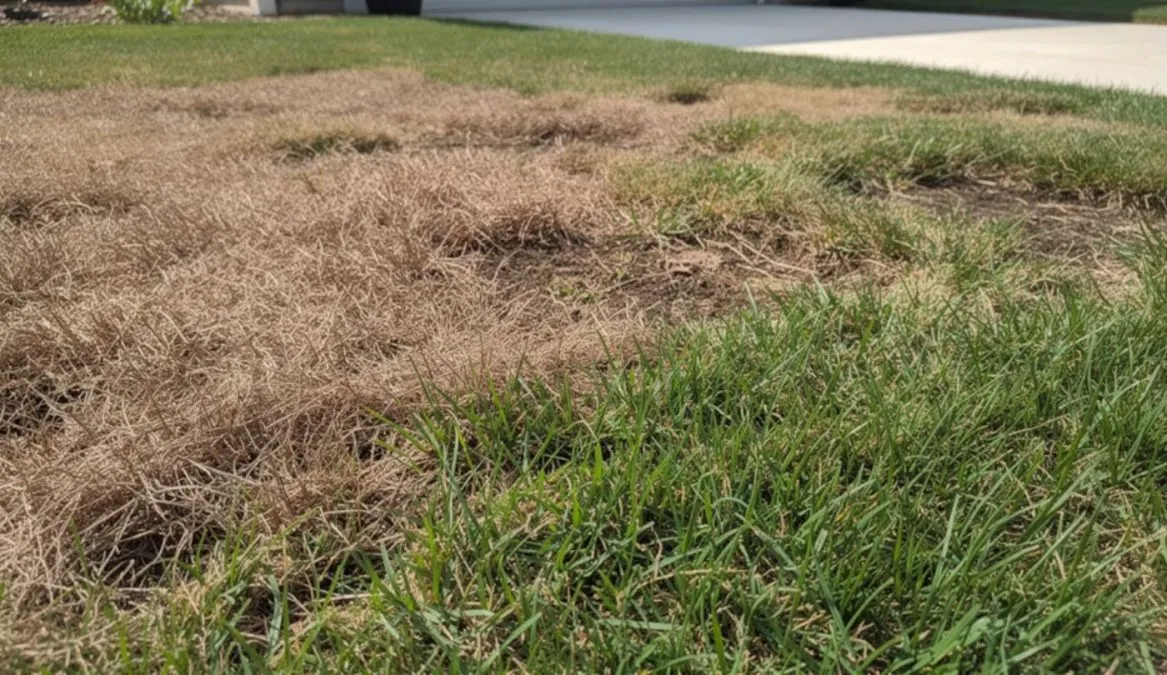
The hydroseeding application is done. The yard is covered in the green mulch layer that signals the beginning of the process. Everything that happens in the next four to six weeks determines whether that investment produces the lawn you paid for or a disappointing result that requires reapplication. The most common cause of disappointing hydroseeding results is not the application itself — it is the maintenance mistakes made after the application that damage or destroy an establishment that was proceeding correctly.
These are the specific mistakes that most consistently ruin new hydroseeded lawns in Texas — what each one does to the establishment and exactly how to avoid it.
Mistake one: reducing watering frequency when germination looks promising
The most common establishment period mistake is cutting back on watering frequency when the first sprouts appear and germination looks good at day seven or eight. The logic feels sound — the lawn is clearly germinating so the intensive watering must have worked and can be reduced now that the process is underway.
The problem is that first sprouts are not completed germination. The seeds that germinated and produced visible sprouts by day seven are the seeds in the most favorable sections — the best light best soil contact most consistent moisture. The seeds that have not yet produced visible sprouts in other sections are still in the germination process that requires the same consistent moisture as the sections that are already showing results.
Reducing watering frequency at day seven because the fast-germinating sections look good leaves the slower-germinating sections without the moisture they need to complete the process — producing the patchy result where the sections that already showed germination continue developing while the sections that were on the verge of germinating when the schedule was reduced never complete it.
Maintain the full establishment period watering schedule through day fourteen regardless of how promising the early germination looks. The schedule serves the sections that are not yet visible as much as the ones that are.
Mistake two: walking on the lawn because it looks established
The visual appearance of a hydroseeded lawn at week two or three can be convincing enough that it looks like an established lawn — and the foot traffic restriction that seemed necessary when the yard was bare mulch starts to feel overly cautious when there is clearly grass growing.
The root system development that makes grass resilient to foot traffic lags behind the above-ground appearance by weeks. The grass that looks established at week two has roots measured in centimeters — shallow fragile anchoring that tears under foot traffic and compacts under the pressure of even light walking. The visible appearance overestimates the actual root development state and the foot traffic that looks harmless produces the tearing and compaction damage that creates the visible bare paths that appear in the lawn over the following week.
Maintain the four-week foot traffic restriction even when the lawn looks like it does not need it anymore. The restriction protects the root development that is happening below the surface visibility — and the root depth built through a protected establishment period is what the lawn draws on through its first Texas summer.
Mistake three: mowing too early or too short
First mow timing and height are two of the most consequential post-establishment decisions and the ones where the most damage is done by homeowners who are eager to see the lawn looking finished.
Mowing before the grass reaches three to four inches — particularly mowing a lawn where some sections have reached that height but others are still significantly shorter — creates the uneven stress of a mow across sections at different establishment stages. The sections that were mowed at one to two inches because the overall lawn average justified mowing are set back by the severe removal of blade area before the root system has developed the depth to support vigorous regrowth.
Mowing at a height lower than two and a half to three inches on the first several passes removes too much of the photosynthetic blade area that the young root system depends on for energy production. The scalped new lawn looks neat immediately after the first low mow and thins noticeably over the following week as the root system that was supporting itself from the blade area above the cut cannot generate the energy for vigorous regrowth from the diminished blade area that remains.
Wait for the majority of the lawn to reach three to four inches before the first mow. Set the blade at two and a half to three inches for the first three to four mowing sessions. Let the lawn mature through the first growing season before reducing to the one to two inch height that established Bermuda maintains.
Mistake four: overwatering with long heavy sessions
The opposite of the reduced-watering mistake is the overwatering mistake — running long heavy irrigation sessions in the belief that more water produces better germination. On clay soils this approach produces runoff that carries seed and slurry to low spots before the mulch has fully bonded and creates pooling that saturates the seed environment and produces the anaerobic conditions that rot seed rather than germinating it.
A single session on North Texas clay that applies water faster than the clay absorbs it produces the surface sheeting and low-spot pooling that displaces the careful application that the contractor completed. On flat residential lots this displacement concentrates in low spots. On any slope section it carries material downhill.
The correct approach is light even sessions that wet the surface without generating runoff — enough to maintain consistent moisture not enough to create runoff or pooling. If a session is generating visible runoff or pooling reduce the session duration and add another shorter session later in the day. The total daily water volume stays similar but the delivery rate stays within what the clay can absorb.
Mistake five: applying herbicide during the establishment window
Pre-emergent and post-emergent herbicide applications during the hydroseeding establishment window are among the most reliably damaging mistakes a homeowner can make — and they are made with surprising frequency by homeowners who are trying to be proactive about weed management without understanding the timing conflict.
Pre-emergent herbicides prevent germination by design — they do not distinguish between grass seed and weed seed. Pre-emergent applied during or within eight to twelve weeks of a hydroseeding application suppresses the germination of the new grass as effectively as it suppresses weed germination. The application that was intended to prevent weeds prevents the lawn.
Post-emergent herbicides applied to a newly establishing lawn before the grass has developed adequate maturity to tolerate them damage or kill young seedlings — producing the death of the grass at exactly the stage where it looked like it was working. The general guideline of waiting until the lawn has been mowed three to four times before applying any post-emergent product applies because the mowing threshold is a proxy for the maturity that herbicide tolerance requires.
Do not apply any herbicide product during the establishment period without specifically confirming with the contractor that it is safe for the specific grass type at the specific establishment stage.
Mistake six: fertilizing too early or with the wrong product
The starter fertilizer included in the hydroseeding slurry provides the nutrition the germinating seed needs through the first four to six weeks of establishment. Additional fertilization during this window is not beneficial and depending on the product and rate applied can be harmful.
High-nitrogen fertilizer applied to a lawn in the first weeks after hydroseeding before the root system has developed the uptake capacity to use it produces salt conditions that can damage germinating seed and young seedlings. The nitrogen that is not immediately used leaches from the soil or sits in concentration near the surface creating conditions that are more stressful than supportive for new germination.
Wait until the lawn has been mowed two to three times — confirming mature enough establishment to benefit from additional nutrition — before applying any fertilization beyond the starter that was in the slurry. When fertilization begins use a balanced product at the rates appropriate for the grass type and the stage of establishment rather than the aggressive nitrogen application that an established lawn tolerates and a new lawn does not.
Mistake seven: letting pets access the lawn during establishment
Pets — particularly dogs — can undo weeks of careful establishment management in a single unsupervised afternoon. The foot traffic damage that a running dog creates on a two-week-old lawn is dramatically more destructive than the same dog on an established lawn because the shallow root system of the new establishment tears rather than compresses under the concentrated pressure of pet activity.
The urine burn damage from pet urination on a newly establishing lawn is also more severe than on an established lawn — the nitrogen concentration that kills grass through urine burn affects the thin developing grass layer more dramatically than established turf with deeper roots and greater nutrient buffering capacity.
Plan the pet management approach for the full four-week restriction period before the application day — not after the application when the dog is already at the back door waiting to go out. Temporary fencing alternative outdoor areas or supervised access management all require planning and infrastructure that is most efficiently arranged before rather than improvised after.
Mistake eight: ignoring the section that is not germinating
The natural response to a section of the new lawn that is not germinating while surrounding sections develop normally is to wait and hope — monitoring the sparse section each day and looking for the sprouts that keep not appearing while the rest of the lawn fills in around it.
Waiting too long to contact the contractor about a genuinely non-germinating section is the mistake that closes the window for addressing the problem within the same establishment cycle as the rest of the lawn. The window for a touchup application that establishes in the same timeframe as the surrounding grass is approximately the first three weeks of the establishment period. Contacting the contractor about a non-germinating section at day twenty-one can still produce a touchup that establishes within a few weeks of the surrounding lawn. Contacting at day forty-two produces a touchup that is weeks behind the surrounding establishment — creating the visible coverage age difference that takes a full growing season to even out.
Contact the contractor at day twelve to fourteen if a significant section shows zero germination while surrounding sections are clearly establishing. Early contact produces the best outcome from whatever corrective action is appropriate.
The bottom line on post-application maintenance mistakes
Every mistake in this guide produces a specific consequence that is visible in the lawn weeks after the mistake was made. The patchy result from reduced watering at day seven. The bare paths from premature foot traffic. The thin mowed sections from first mow at wrong height. The low-spot seed concentration from heavy sessions. The suppressed germination from ill-timed herbicide. The pet damage from unsecured access.
None of these consequences are the fault of the application. They are the result of management decisions made after a quality application was delivered — decisions that the information in this guide prevents for homeowners who have it before the establishment period begins rather than discovering through the experience of a lawn that required reapplication to recover from.

Just had your lawn hydroseeded and want to make sure the establishment period goes right?
Fox Hydroseeding LLC walks every homeowner through the complete aftercare expectations before leaving the job site — so the establishment period mistakes that produce disappointing results are avoided rather than discovered. Reach out any time a question comes up during establishment.
Get Your Free Estimate → foxhydroseeding.com/contact
Bring Your Property to Life With Expert Hydroseeding
Find Us On


Email address

Phone Number

