


Hydroseeding in summer — what to expect and how to get great results in Texas heat
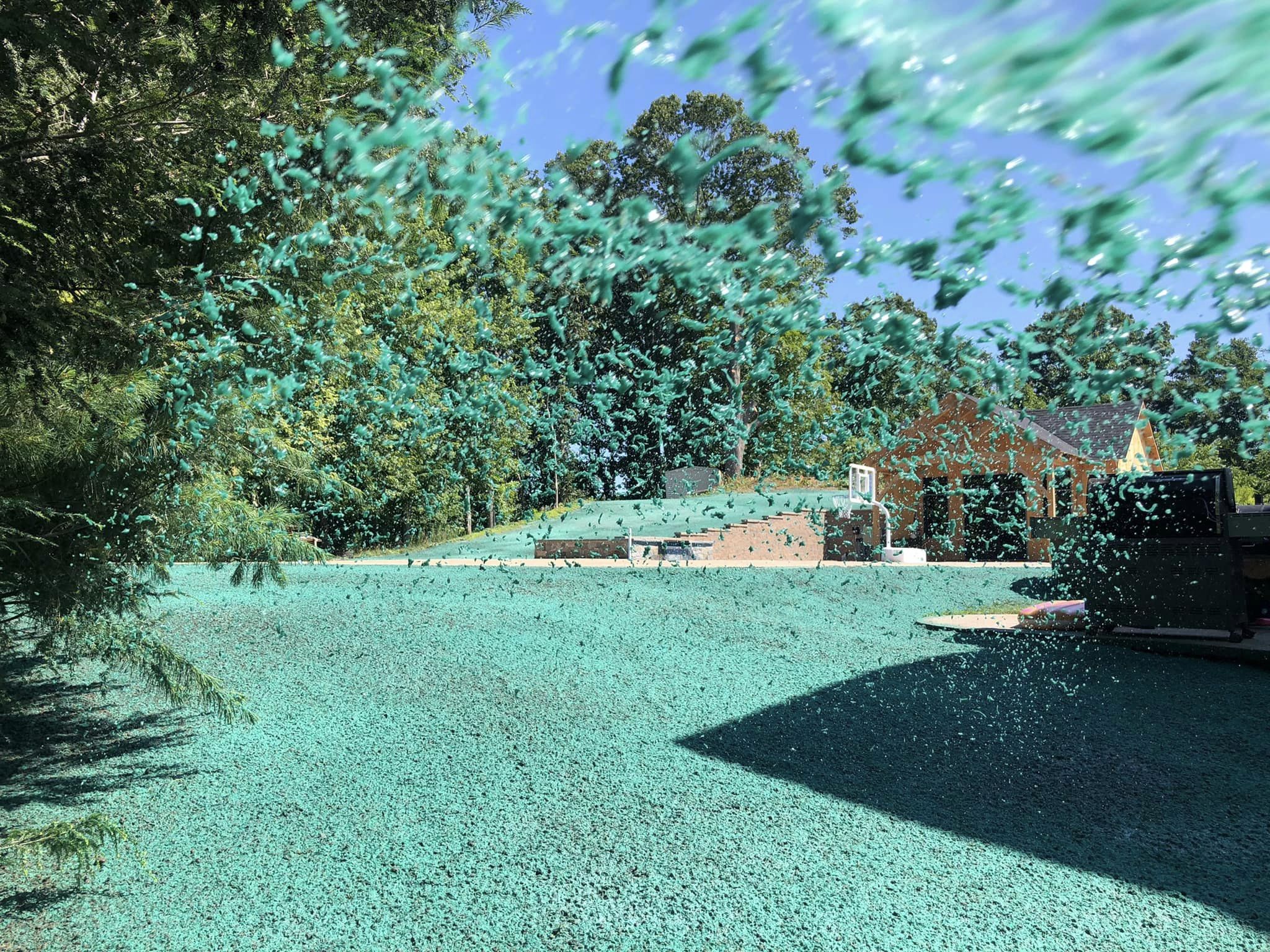
Summer is when most Texas homeowners find themselves staring at bare dirt and finally deciding to do something about it. School is out, the yard gets more attention, and the idea of going through another fall without grass becomes less acceptable. The good news is that summer hydroseeding in Texas is absolutely possible and can produce excellent results. The honest news is that it requires more from you during the establishment period than a spring or fall application would — and knowing what that looks like before you start is the difference between a successful summer lawn and a frustrating experience.
This guide covers everything you need to know about hydroseeding in Texas summer conditions — what works in your favor, what works against you, and exactly what to do to get the best result.
Why summer is actually a viable window for hydroseeding in Texas
Summer hydroseeding in Texas has a genuine advantage that is easy to overlook when you are focused on the challenges. Warm-season grasses — Bermudagrass in particular — are in their peak biological growth window during June July and August. Soil temperatures are well above the 65 degree threshold that Bermuda needs to germinate aggressively. When conditions are right germination happens fast — often within five to seven days — and early growth is vigorous because the grass is growing in exactly the conditions it evolved to thrive in.
Compare that to a spring application where soil temperatures are still climbing and germination can be uneven in the first week or two as conditions fluctuate. Summer Bermuda hydroseeding in the DFW area jumps out of the ground when watered correctly because the biology is completely aligned with what that grass wants.
The challenge is not getting the grass to germinate. The challenge is keeping the seed bed consistently moist long enough for germination to happen and for the young plants to develop enough root system to handle the heat on their own. That is where summer hydroseeding demands more from the homeowner than other seasons.
What works against you in summer hydroseeding
Understanding the specific challenges of summer hydroseeding in Texas helps you prepare for them rather than being caught off guard.
Heat and evaporation are the primary enemy of summer hydroseeding. In July and August in the DFW area temperatures regularly exceed 100 degrees Fahrenheit. At those temperatures a fresh hydroseed application can lose significant surface moisture in a matter of hours even with a protective mulch layer in place. The mulch helps enormously but it is not a substitute for consistent irrigation — it just reduces how often you need to water compared to bare broadcast seeding.
Low humidity compounds the evaporation problem. North Texas summer humidity is lower than the Gulf Coast but higher than west Texas — enough to slow evaporation somewhat but not enough to meaningfully reduce the irrigation burden during the germination window.
Wind is a factor that homeowners often underestimate. Dry south and southwest winds are common in the DFW area during summer and they pull moisture from the soil surface faster than still air at the same temperature. On windy days your watering schedule may need to be more aggressive than on calm days even when temperatures are similar.
The combination of these three factors — heat evaporation and wind — means that the first two weeks of a summer hydroseeding project in Texas require a more intensive watering commitment than the same application in spring or fall.
The summer watering schedule you need to commit to
Before scheduling a summer hydroseeding project in the DFW area be honest with yourself about whether you can commit to the watering schedule that Texas summer conditions require. This is not meant to discourage summer applications — it is meant to make sure you go in with realistic expectations so you can plan accordingly.
During the first fourteen days after a summer hydroseeding application in Texas you need to water three times per day minimum. Early morning is the first session — before the heat of the day builds, evaporation is lowest and water penetrates efficiently. A midday session around noon or one o'clock replaces moisture lost to peak heat and keeps the seed bed from drying out during the hottest hours. Early evening is the third session — after the peak heat has passed but early enough that the grass blades are not sitting wet through the night which increases fungal disease risk.
Each session should be light and even — the goal is keeping the surface consistently moist not saturating the soil. Ten to fifteen minutes per irrigation zone on a properly functioning system is typically adequate for each session. Adjust based on what you see — if the mulch is cracking or pulling back from the soil surface between sessions increase frequency or duration.
If you have an automatic irrigation system set it to run on the three-times-daily schedule before the application and verify that all zones covering the hydroseeded area are functioning correctly. Do not rely on remembering to water manually three times a day during a Texas summer — an automated system removes the human variable from the most critical phase of the project.
If you do not have an automatic system plan your manual watering approach carefully before the application date. Know your hose coverage identify any areas that are difficult to reach and make sure you have the equipment needed to water the entire seeded area consistently across all three daily sessions.
Timing the application within the summer season
Not all summer weeks are created equal for hydroseeding in the DFW area. Within the June through August window there are better and worse times to start a project based on weather patterns and temperature forecasts.
June is generally the most favorable summer month for hydroseeding in North Texas. Temperatures are warm enough for fast Bermuda germination but typically have not yet reached the sustained triple-digit peaks of July and August. June applications benefit from the full summer growing season ahead and have the best chance of establishing a strong root system before fall dormancy approaches.
Early to mid-July applications are viable with committed irrigation management. Late July and August are the most challenging weeks of the summer window — peak heat sustained over weeks rather than days creates the most demanding conditions for establishment irrigation. Applications during this period are absolutely done and can succeed but they require the most disciplined watering approach of any point in the year.
If your summer project has schedule flexibility June is the window to target. If your timeline requires a late July or August application go in knowing that the irrigation commitment during the first two weeks will be at its most intensive and plan accordingly.
Seed selection for summer hydroseeding in Texas
Summer is warm-season grass territory. The summer hydroseeding window in the DFW area is for Bermudagrass and other warm-season varieties — not for cool-season grasses like Tall Fescue or Ryegrass which will struggle or fail in summer soil temperatures.
Bermudagrass is the standard choice for summer hydroseeding across most DFW residential properties. It is the right grass for the conditions and the timing — aggressive germination in heat dense growth through the summer months and solid establishment before fall dormancy.
For homeowners interested in drought-tolerant options Buffalograss can be established through summer hydroseeding but it germinates more slowly than Bermuda and requires patience during a period when patience is already being tested by the intensive watering schedule. If drought tolerance is the primary goal and you have the flexibility to choose between summer and spring for a Buffalograss application spring is the easier window.
Avoid cool-season grass seed in summer applications entirely. The combination of summer soil temperatures and Texas heat conditions makes cool-season grass establishment in June July or August reliably unsuccessful.
Site preparation considerations for summer hydroseeding
Everything that applies to site preparation for hydroseeding generally applies in summer — and some of it matters more because the margin for error is smaller in challenging weather conditions.
Compacted soil that would limit root penetration is a bigger problem in summer because the root system needs to develop depth quickly to access the cooler moisture that exists deeper in the soil profile during heat stress. Addressing compaction through aeration or mechanical loosening before a summer application improves not just germination but the young lawn's ability to handle heat as it establishes.
Grading and drainage problems are more consequential in summer because the irrigation schedule is more intensive — low spots that pool water and dry spots that run off are amplified by three-times-daily watering rather than once-daily or less. Getting the grade right before summer application reduces the irrigation management complexity during an already demanding establishment window.
Topsoil condition matters more in summer because poor nutrient-depleted soil produces weaker seedlings that are less equipped to handle heat stress as they grow. If your soil condition is poor adding quality topsoil before a summer application is a worthwhile investment in the resilience of the young lawn.
Protecting a summer hydroseeding application from weather events
Texas summer weather includes more than just heat. Afternoon thunderstorms — intense localized rain events that arrive fast and deliver significant rainfall in a short period — are a regular feature of DFW summers and a real risk for a fresh hydroseeding application.
A heavy thunderstorm in the first 24 to 48 hours after application before the mulch has fully bonded to the soil can displace slurry on slopes and create pooling in low areas that concentrates seed in some locations and strips it from others. This is not a reason to avoid summer hydroseeding — it is a reason to check the weather forecast before your application date and communicate with your contractor about weather windows.
Most experienced hydroseeding contractors in the DFW area monitor weather before scheduling applications and will adjust timing when significant rain events are forecast for the first 48 hours after application. If a storm does arrive in that early window walk your yard afterward and contact your contractor if you see significant areas where the slurry has washed or displaced — a touchup application on affected areas is far more effective when done promptly rather than weeks later.
What to realistically expect from a summer hydroseeding timeline
Under the conditions and watering schedule described in this guide a summer hydroseeding application in the DFW area follows a timeline that looks like this.
Application day through day three — green mulch mat in place no visible germination watering begins immediately.
Days four through seven — first sprouts emerge germination spreads quickly in warm soil temperatures continued three-times-daily watering.
Days seven through fourteen — rapid germination and early growth visible coverage developing across most of the yard begin transitioning watering toward deeper sessions.
Weeks two through three — visible thickening and growth mulch breaking down lawn taking clear shape continue deepening watering schedule.
Week four — solid coverage across the majority of the yard transitioning to mature watering schedule approaching first mow.
The fast germination timeline of summer Bermuda applications means that the visual progress in the first two weeks of a successful summer hydroseeding project in Texas is often faster than spring or fall applications. The reward for getting the watering right during the most demanding window is seeing your lawn respond quickly and grow aggressively through its first summer season.
When summer hydroseeding is not the right call
Summer hydroseeding in Texas is viable for homeowners who can commit to the watering requirements of the establishment period. It is not the right choice in certain situations.
If you travel frequently during summer and cannot arrange reliable irrigation coverage during the first two weeks a summer application is likely to disappoint. Missing watering days during a Texas July is more consequential than missing them in April or October — the forgiveness margin is narrower.
If your irrigation system has significant coverage gaps or operational problems fix those problems before scheduling a summer application. The intensive watering schedule of summer hydroseeding establishment will expose any irrigation weakness immediately and the consequences in peak heat are more severe than in milder seasons.
If cool-season grass is what your yard needs — shade areas requiring Tall Fescue for example — summer is not the window regardless of how committed you are to watering. Wait for fall and let the timing work in your favor rather than fighting biology with irrigation.
The bottom line on summer hydroseeding in Texas
Summer hydroseeding in the DFW area works — and works well when the right grass is chosen the site is properly prepared and the watering commitment during the first two weeks is taken seriously. The fast germination of Bermudagrass in peak summer conditions is a genuine advantage that produces visible results quickly for homeowners who put in the irrigation work during establishment.
Go in with eyes open about what Texas summer demands from a newly seeded lawn. Plan the watering schedule before the application not after. Make sure your irrigation covers the full area before the contractor arrives. And choose June over August if you have the flexibility.
Do those things and a summer hydroseeding project in Texas produces exactly what you are looking for — a thick established green lawn ready to be enjoyed through fall and beyond.

Thinking about hydroseeding your yard this summer?
Fox Hydroseeding LLC handles summer hydroseeding projects across the DFW area and personally walks every homeowner through the watering schedule and establishment expectations before leaving the job site. We make sure you are set up for success from day one.
Get Your Free Estimate → foxhydroseeding.com/contact
Bring Your Property to Life With Expert Hydroseeding
Find Us On


Email address

Phone Number

