


Hydroseeding in fall — why autumn is one of the best times to start a lawn in Texas
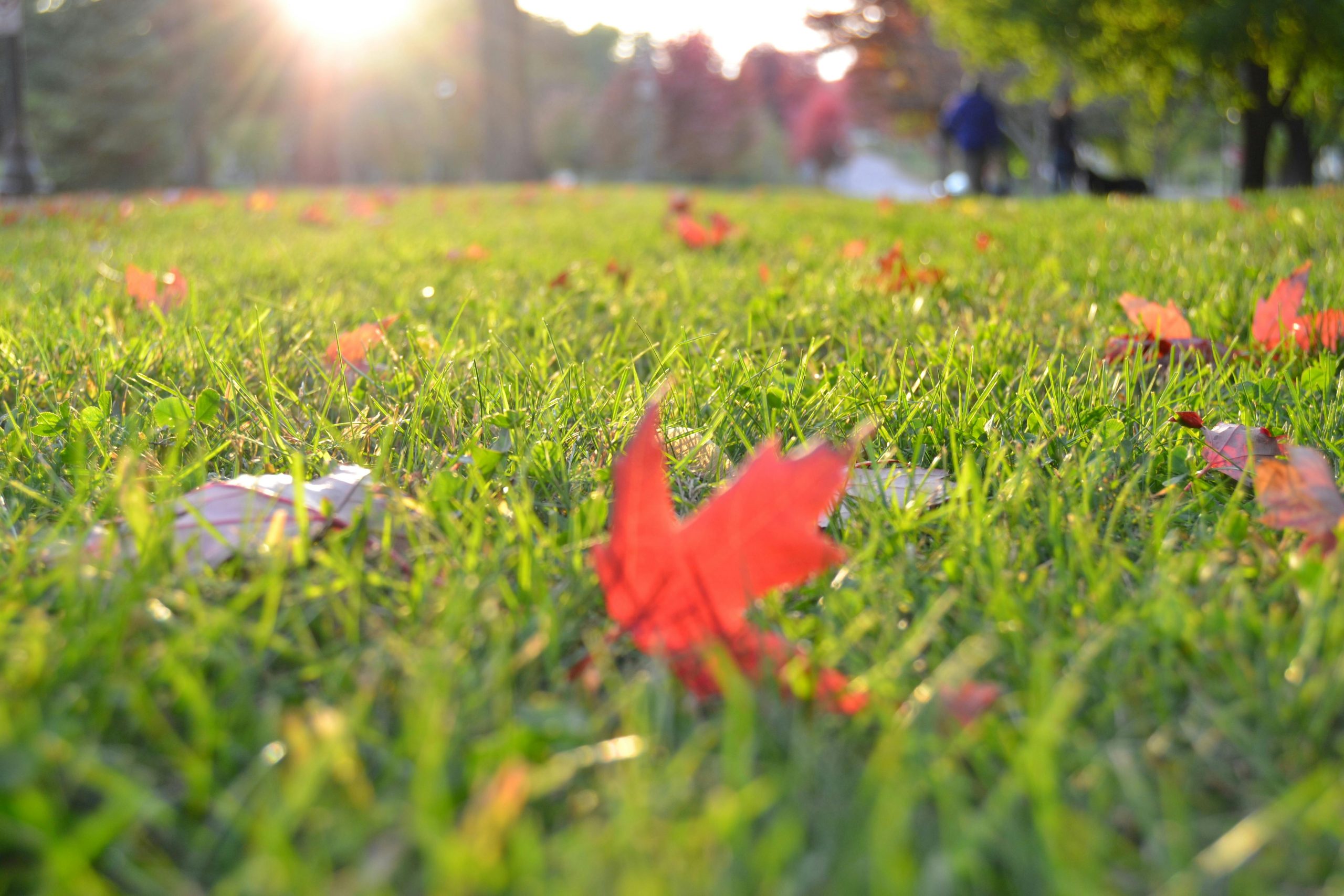
Most homeowners think of spring as the primary lawn season and assume fall is too late to start a new lawn. In Texas that assumption costs a lot of homeowners a full year of waiting when they could have had grass by winter. Fall is not just a viable window for hydroseeding in North Texas — for certain grass types and certain goals it is actually the best window available. This guide explains why autumn works so well for lawn establishment in Texas what the right seed choices are for fall applications and what homeowners need to know to get the most out of a fall hydroseeding project.
Why fall conditions favor hydroseeding in Texas
The reason fall is such a strong window for hydroseeding in North Texas comes down to the conditions that define the season. After the brutal heat of a Texas summer the temperatures in September and October drop back into a range that is genuinely favorable for grass establishment — warm enough for active growth but no longer hot enough to create the heat stress and evaporation challenges that make summer applications demanding.
Soil temperatures in the DFW area typically drop into the 50 to 65 degree Fahrenheit range between October and mid-November — the ideal germination window for cool-season grasses like Tall Fescue. At the same time air temperatures are mild enough that the seed bed does not dry out as rapidly as it does in summer heat reducing the watering burden on the homeowner during the establishment period.
Fall rainfall patterns in North Texas also tend to be more consistent than summer patterns. Rather than the sporadic intense thunderstorms of July and August fall brings more regular moderate rainfall events that support germination without the runoff risk of a heavy downpour on a fresh application. Natural rainfall during a fall establishment period reduces supplemental irrigation requirements and gives the lawn more consistent moisture than homeowners can typically provide manually during the more challenging summer window.
The combination of moderate temperatures declining evaporation more consistent rainfall and ideal soil temperature ranges for cool-season grass germination makes fall one of the most forgiving and productive windows for hydroseeding in the DFW area.
What grass types are right for fall hydroseeding in Texas
Fall and spring are fundamentally different seasons for grass selection in North Texas and the seed choices that make sense in fall are different from those that work in summer. Matching your grass selection to the season is one of the most important decisions you make before a fall hydroseeding project.
Tall Fescue is the primary grass for fall hydroseeding in the DFW area. It is a cool-season grass that germinates best when soil temperatures are between 50 and 65 degrees Fahrenheit — exactly the range that North Texas hits in October and November. Tall Fescue hydroseeded in fall establishes through the cooler months develops a solid root system over winter and enters its first spring growing season already well rooted and vigorous.
Fall is the only recommended window for Tall Fescue establishment in the DFW area. Fescue seeded in spring goes almost immediately into a Texas summer which stresses cool-season grass before it has developed adequate root depth. Fescue seeded in fall has the entire cool season to establish before facing its first summer — a dramatically better starting position for long-term lawn success.
Ryegrass is another fall option but it serves a different purpose. Annual and perennial Ryegrass varieties are used primarily for overseeding dormant Bermuda lawns in fall to maintain green color through the winter months. Ryegrass germinates quickly in cool soil temperatures — often showing sprouts in three to five days — provides winter color and fades naturally as the Bermuda wakes up in spring. If your goal is seasonal winter color on an existing Bermuda lawn fall Ryegrass overseeding is the standard approach in the DFW market.
Warm-season grasses like Bermudagrass can be hydroseeded in early fall — September and early October — when soil temperatures are still warm enough for germination. However the window closes as temperatures drop and Bermuda seeded in late October or November may not establish adequately before cold weather shuts down growth. If you want to hydroseed Bermuda and are working in a fall timeline early September is the latest practical window in most North Texas years.
The fall timeline advantage — what cool-season establishment looks like
One of the most appealing aspects of fall hydroseeding with Tall Fescue in North Texas is the establishment timeline that the season provides. Unlike summer applications where the grass must establish quickly in challenging conditions before temperatures moderate fall applications have a long gentle establishment window ahead of them.
Tall Fescue hydroseeded in October in the DFW area germinates within five to ten days under proper watering establishes through October and November and enters winter in a young but viable state. Through the mild DFW winter the grass continues slow growth during mild periods and maintains its green color through the cold months — a genuine advantage over dormant Bermuda lawns that go brown in November and stay that way until April.
As temperatures warm in late February and March the Fescue lawn enters its peak growth period — spring — already rooted and established rather than just beginning germination. The result is a lawn that has had an entire cool season to develop root depth before it faces its first challenge of summer heat.
This establishment timeline means that a fall Fescue hydroseeding project that is executed correctly in October produces a visibly established green lawn through winter and a well-rooted mature lawn ready for spring by the time warm weather returns. For homeowners who want green color through the Texas winter and a lawn that is built to handle the following summer fall Fescue hydroseeding is the most reliable path to that outcome.
The fall deadline — when is it too late to hydroseed in Texas
Fall is a strong window but it is not unlimited. The critical constraint is getting the application done early enough that the grass has adequate time to germinate and develop some root system before freezing temperatures shut down growth for the season.
In the DFW area the first significant freeze typically arrives sometime in November — though the timing varies from year to year and the increasingly variable winters of recent decades have made the freeze date less predictable than it once was. Grass that is still in the germination phase when a hard freeze arrives may be damaged or killed before it has established enough root system to survive and recover.
The practical guideline for fall hydroseeding in North Texas is to complete applications no later than mid to late October for the most reliable outcomes. Applications in early November are possible in warmer years but carry more risk of being cut short by cold weather before full establishment is achieved. Applications after mid-November are generally not recommended for new lawn establishment in the DFW area.
If your project timeline puts you in late October contact your contractor to discuss whether the timing is viable for your specific seed choice and whether adjustments to the approach — seed mix selection mulch product irrigation planning — can improve the chances of successful establishment before cold weather arrives.
Fall hydroseeding for homeowners who had a bad summer lawn
Fall is also the practical recovery window for homeowners whose lawn did not survive the summer well. A Texas summer that brought drought heat stress pest damage or irrigation failure can leave a yard significantly thinned or bare by September. Rather than waiting until the following spring to address the damage fall hydroseeding of cool-season grass gives those homeowners a path to a green lawn before winter without a full year of waiting.
For Bermuda lawns that thinned badly through summer stress fall Ryegrass overseeding provides immediate green color improvement while the Bermuda recovers. For yards where the damage was significant enough that bare ground is the majority of the surface fall Tall Fescue hydroseeding addresses the bare areas directly and produces a lawn that carries green coverage through winter while the homeowner evaluates whether spring Bermuda renovation is needed for the longer term.
The September and October window after summer is also when many new construction homeowners in the DFW area finally turn their attention to the yard. Moving in during summer often means the lawn project gets pushed back while more immediate home priorities are addressed — and fall becomes the first realistic opportunity to start it. For those homeowners fall hydroseeding with the right cool-season mix produces visible results before the end of the year rather than waiting until spring.
Watering requirements for fall hydroseeding
One of the practical advantages of fall hydroseeding in Texas is that the watering requirements during establishment are less intensive than summer applications. Cooler temperatures and lower evaporation rates mean the seed bed stays moist longer between sessions reducing the frequency needed to maintain the consistent moisture germination requires.
During the first fourteen days of a fall hydroseeding application in the DFW area watering two times per day is typically sufficient — morning and early evening sessions that keep the surface consistently moist without the midday session that summer heat demands. On cooler days or after moderate rainfall you may be able to reduce to once daily or skip a session when the seed bed is already adequately moist.
The transition from germination watering to establishment watering follows the same pattern as other seasons — around day fourteen begin moving toward deeper less frequent sessions that encourage root development. By week three to four a fall-established Fescue lawn in North Texas is transitioning to a mature watering schedule that will carry it through winter on reduced irrigation.
The overall water cost of establishing a fall hydroseeded lawn in Texas is meaningfully lower than a summer application on the same property — an advantage that matters both for homeowners on water budgets and for those in DFW municipalities with active watering restrictions during summer months.
Fertilization considerations for fall hydroseeding
Most professional hydroseeding applications include a starter fertilizer in the slurry that provides the nutrition seedlings need during the germination and early establishment phases. For fall Tall Fescue applications this starter nutrition is particularly important because cool-season grasses entering winter need adequate nitrogen and phosphorus to develop root systems that sustain them through cold months.
After the establishment period a fall-applied Fescue lawn benefits from a second fertilizer application in late fall or early winter — timing that supports continued root development during the cool season without pushing excessive top growth that would be vulnerable to freeze damage. Your contractor should provide a fertilization recommendation specific to your seed type and application timing.
Avoid high-nitrogen fertilizer applications on Fescue in late spring or summer — cool-season grasses fertilized heavily during warm weather develop lush top growth at the expense of root depth and are more vulnerable to summer heat stress as a result.
Common mistakes with fall hydroseeding in Texas
Starting too late in the season is the most consequential fall hydroseeding mistake in North Texas. Homeowners who wait until November to schedule a project they could have started in October risk getting cut off by cold before establishment is complete. If you are considering fall hydroseeding the time to schedule the estimate and get on the contractor's calendar is September — not the week before you want the application done.
Choosing the wrong grass for fall conditions is a close second. Bermuda seeded in late October or November will not establish before cold weather and the investment is wasted. Fall is the season for Fescue and Ryegrass in the DFW area — matching the seed to the season is non-negotiable.
Underestimating the winter protection needs of newly established Fescue is another mistake some first-time fall hydroseeding customers make. A Fescue lawn established in October is young going into its first winter and while established Fescue handles North Texas winters well a very young lawn may need some protection during extreme cold events. Your contractor can advise on what is appropriate based on your application timing and establishment progress.
The bottom line on fall hydroseeding in Texas
Fall is an underutilized and highly productive window for hydroseeding in North Texas. For Tall Fescue and cool-season grass establishment it is not just viable — it is the optimal window that spring cannot match. For homeowners recovering from a difficult summer fall offers a path to a green lawn before winter without a full year of waiting. And for anyone planning a lawn project the reduced watering demands and favorable establishment conditions of autumn make it one of the most forgiving windows of the year for getting hydroseeding right.
The window is real but it is not unlimited. Schedule early plan the project for October and match your seed selection to the season — do those three things and a fall hydroseeding project in Texas delivers exactly what homeowners are looking for.

Thinking about hydroseeding this fall before winter arrives?
Fox Hydroseeding LLC handles fall hydroseeding projects across the DFW area and personally walks every homeowner through timing seed selection and watering expectations before the application. The fall window moves fast — reach out early to get on the schedule.
Get Your Free Estimate → foxhydroseeding.com/contact
Bring Your Property to Life With Expert Hydroseeding
Find Us On


Email address

Phone Number

