


Hydroseeding grass near pools and water features — what homeowners need to know before getting started
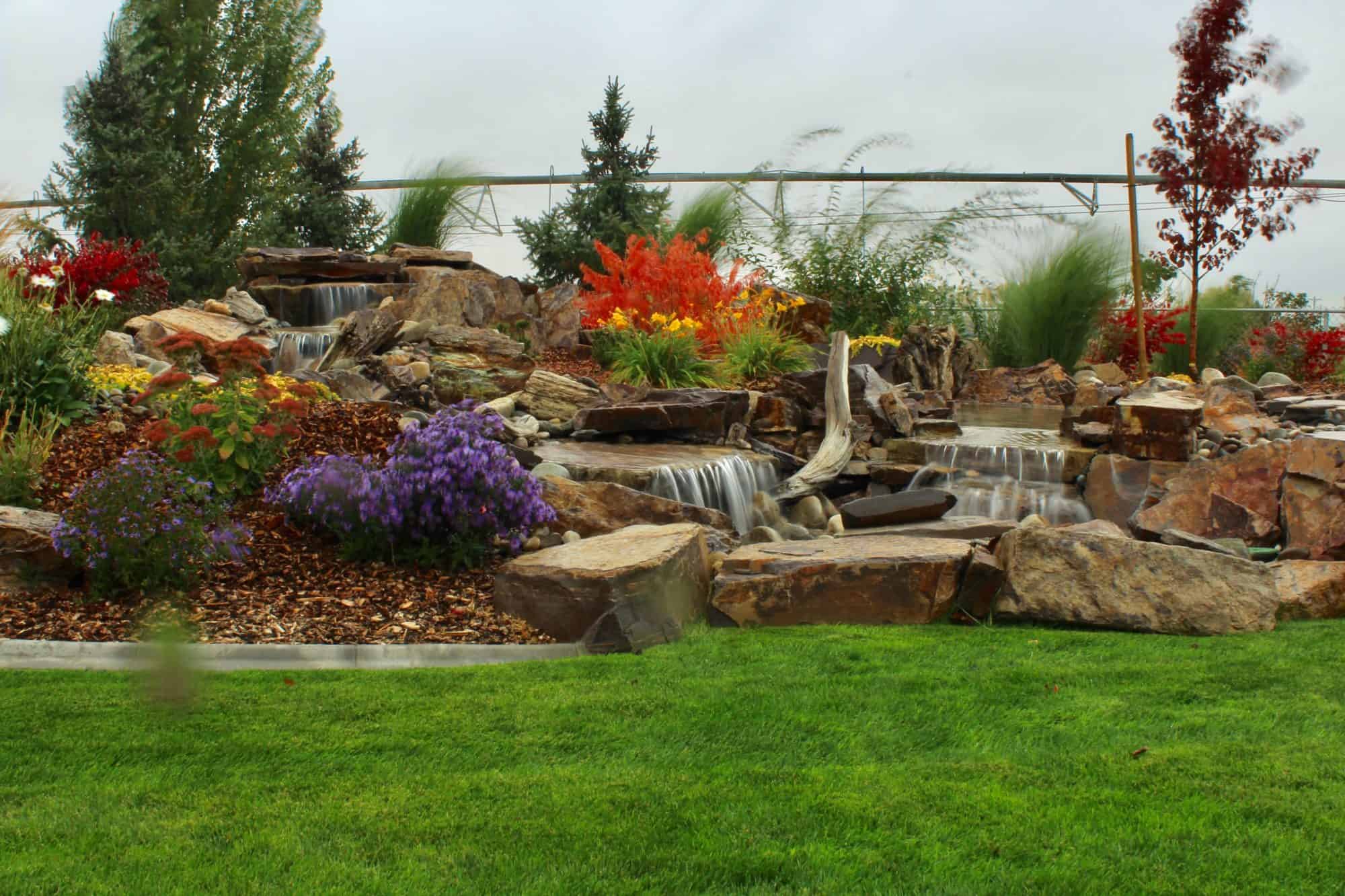
Pool installation is one of the most disruptive construction projects a residential yard goes through. By the time the pool is filled and the decking is complete the surrounding yard has typically been excavated compacted covered in construction debris and left in a condition that looks nothing like a lawn. For most DFW homeowners with new pools the backyard restoration — getting grass established around the pool and across the disrupted areas — is one of the last and most visible items on the project completion list.
Hydroseeding is the most practical and cost-effective method for restoring lawn areas around pools in the Texas market. But pools and water features create specific considerations for the surrounding lawn establishment that are worth understanding before starting the project. This guide covers the specific challenges of hydroseeding near pools what preparation the post-pool installation yard requires and how to approach the project for the best result.
What pool installation does to a backyard
Pool installation creates post-construction soil conditions that are as severe or more severe than most other construction projects — affecting a larger portion of the backyard and creating specific soil challenges tied to the pool construction process.
Excavation for a pool removes a significant volume of soil and deposits it across the surrounding yard area. Even well-managed pool construction typically results in some soil disturbance and displacement across the full backyard. In many cases the excavated soil is used to level or regrade portions of the yard — creating fill areas with poor compaction that are vulnerable to settling and erosion during establishment.
Equipment access routes across the yard — the paths that machinery used to reach the excavation and that material delivery vehicles used during construction — are often severely compacted linear zones that run through the sections of yard that will later be hydroseeded. These traffic corridors need specific attention during preparation because the compaction along equipment routes is often more severe than the surrounding yard.
Decking and coping installation creates the hardscape perimeter around the pool that defines the edge of the lawn area. The construction activity associated with this work — forming concrete placement surface preparation — creates disturbance and debris in the soil immediately adjacent to the deck edge. The first few feet of lawn area closest to the pool deck is often the most disturbed section of the restoration project and the section that requires the most careful preparation for successful establishment.
Drainage changes are a near-universal consequence of pool installation. The pool structure itself displaces a significant volume of soil and the decking creates impervious hardscape that channels water toward the lawn areas rather than absorbing it uniformly. The post-pool drainage pattern of the yard is almost always different from the pre-pool drainage and establishing grass on a drainage pattern that has not been correctly addressed for the new conditions creates ongoing waterlogging and erosion problems in the lawn.
Specific considerations for grass near pools
Beyond the post-construction soil challenges that pool installation creates the ongoing environment near a pool creates specific considerations for the grass that is established in those areas.
Chemical exposure from pool water splash and backwash affects the soil chemistry of the lawn areas immediately adjacent to the pool. Chlorine and other pool treatment chemicals that reach the lawn through splash and spray can affect soil pH and damage grass that receives repeated direct contact. The sections of lawn within the direct splash zone of pool entry and exit points experience more chemical exposure than lawn areas further from the pool edge.
Salt chlorine pools — increasingly common in the Texas market as homeowners convert from traditional chlorine systems — use a saltwater chlorination process that introduces low concentrations of salt into the pool water. Salt that reaches the lawn through splash and backwash can affect soil salinity over time — a consideration for grass selection in areas with significant salt exposure.
Drainage from pool deck cleaning and pool maintenance activities often flows across lawn areas. Pressure washing of pool decks draining cleaning solutions and backwash from pool equipment maintenance all introduce water and chemical loads to the adjacent lawn areas. Ensuring that drainage from these activities flows to appropriate outlets rather than pooling in lawn areas protects the grass from the repeated waterlogging and chemical exposure that pool maintenance can create.
Foot traffic patterns around pools are high intensity and often concentrated in specific zones — the path from the back door to the pool entry the areas where towels and equipment are set down and the routes between the pool and any adjacent outdoor seating. These high-traffic zones require the most durable grass establishment approach and the most realistic expectations about how the grass will hold up over time in areas that see intensive pool-season use.
Preparing the post-pool installation yard for hydroseeding
The preparation required for successful hydroseeding around a pool follows the same principles as any post-construction preparation — compaction relief drainage correction debris removal and topsoil quality improvement — with specific attention to the pool-specific conditions that affect the nearest lawn areas.
Debris removal after pool construction is a thorough process given the amount and variety of material that pool construction introduces to the yard. Concrete chips and dust from deck work aggregate from coping installation chemical containers from pool startup and the general construction debris of a major project all need to be cleared from the surface before hydroseeding. Pay particular attention to the areas immediately adjacent to the pool deck edge where construction activity was most concentrated.
Grade and drainage correction around the pool should establish drainage that moves water away from the pool deck and away from the lawn areas that are most susceptible to waterlogging. The grade of lawn areas adjacent to the pool deck should slope gently away from the deck — not toward it creating pooling conditions that damage both the deck and the adjacent lawn.
Compaction relief along equipment access routes and in areas where construction traffic was heaviest is a priority preparation step. The linear compaction zones from equipment routes are often clearly visible as paths of more severely compressed and discolored soil that contrast with the surrounding disturbed but less severely compacted areas. Mechanical loosening specifically targeting these zones before hydroseeding improves root penetration in the sections that need it most.
Establish the final hardscape and deck edge condition before hydroseeding begins. The transition between the pool deck and the lawn area should be clean clearly defined and finished before seed goes down — attempting to complete hardscape work after the lawn is established damages the new grass and requires repair of whatever sections were affected by the late construction activity.
Grass selection for pool areas
Grass selection for the lawn areas around a pool should account for both the post-construction soil conditions and the ongoing pool-area environment.
Bermudagrass is the most appropriate choice for full-sun lawn areas around most residential pools in the DFW area. Its dense growth habit provides good ground cover that resists the soil erosion that pool splash and irrigation can create adjacent to pool decks. Its durability under foot traffic handles the concentrated pool-season use patterns of the areas nearest the pool. Its aggressive recovery from wear and damage through lateral spread helps it restore bare spots in high-traffic zones without requiring reseeding.
The chemical tolerance of Bermudagrass to the chlorine and salt exposure common in pool-adjacent lawn areas is adequate for typical residential pool splash levels — though areas within the most intense direct splash zone of pool entries may show some stress during peak pool season. Managing the watering of those zones to dilute chemical accumulation and monitoring for stress responses during pool season are practical management steps for the nearest lawn sections.
For shaded areas around the pool — under shade structures pergolas or on the north side of structures adjacent to the pool area — Tall Fescue remains the appropriate choice for the same reasons it is the right grass for any shaded Texas yard area. Pool installations sometimes include shade structures that create significant shade conditions in portions of the backyard that Bermuda will not perform in.
Timing pool-area hydroseeding
Timing pool-area hydroseeding should follow the same seasonal guidelines as any post-construction Bermudagrass application — late spring through summer for warm-season grass in the DFW area — but with an additional consideration specific to pool installations.
Complete all hardscape finishing work before scheduling the hydroseeding application. Pool decks coping waterline tile and any other hardscape elements adjacent to the lawn area should be complete and cured before the slurry is applied. Hydroseeding onto an area that still has hardscape work scheduled creates the certainty of construction activity damaging the new lawn before it is established.
Coordinate the hydroseeding application timing with pool startup. The first few weeks after pool filling when chemical startup is underway and pool water chemistry is being established may expose adjacent lawn areas to higher chemical splash loads than normal operation produces. While this is unlikely to prevent successful hydroseeding establishment it is worth considering in the timing to avoid the germination window coinciding with the most intensive pool chemical adjustment period.
Managing the establishment period near a pool
The establishment period for pool-area hydroseeding requires the same fundamental management as any hydroseeding project — consistent watering restricted foot traffic and no pet access — with the additional challenge that the pool is often the primary reason the family wants to spend time in the backyard during the same summer weeks when the lawn is being established.
Pool use during the lawn establishment period creates the traffic restriction management challenge in its most demanding form. The path from the back door to the pool — which crosses the lawn area that is being established — is the highest-value foot traffic route in the yard during the weeks when the family most wants to use the pool. Establishing a temporary path or route around the hydroseeded area during the establishment period — via a side yard through a gate or across an existing hardscape route — protects the new lawn from the traffic that pool use generates.
Temporary fencing around the hydroseeded areas adjacent to the pool deck is a practical tool for managing foot traffic during establishment particularly in yards where the pool is actively being used during the three to four week establishment window. Fencing that clearly delineates the restricted area removes the daily management burden of supervising every pool access and keeps the establishment area protected without requiring active enforcement.
The bottom line on hydroseeding near pools and water features
Pool installation creates post-construction yard conditions that are demanding but entirely addressable through the preparation investment that any post-construction hydroseeding project requires. The pool-specific considerations — chemical exposure drainage patterns foot traffic management and hardscape completion sequencing — are additional variables that are worth addressing explicitly in the project planning rather than discovering as problems during or after establishment.
The result of a properly prepared and properly timed hydroseeding application around a new pool is the finished backyard that the pool project was meant to create — an established lawn surrounding the pool feature that makes the outdoor space look and function as the completed home improvement it was designed to be.

Just had a pool installed and need to get your backyard lawn restored?
Fox Hydroseeding LLC handles post-pool installation hydroseeding projects across the DFW area and personally assesses every yard before making a preparation and application recommendation. We understand what pool construction does to a yard and how to address it before the first seed goes down.
Get Your Free Estimate → foxhydroseeding.com/contact
Bring Your Property to Life With Expert Hydroseeding
Find Us On


Email address

Phone Number

