


Hydroseeding for property developers — what every DFW developer needs to know before choosing a contractor
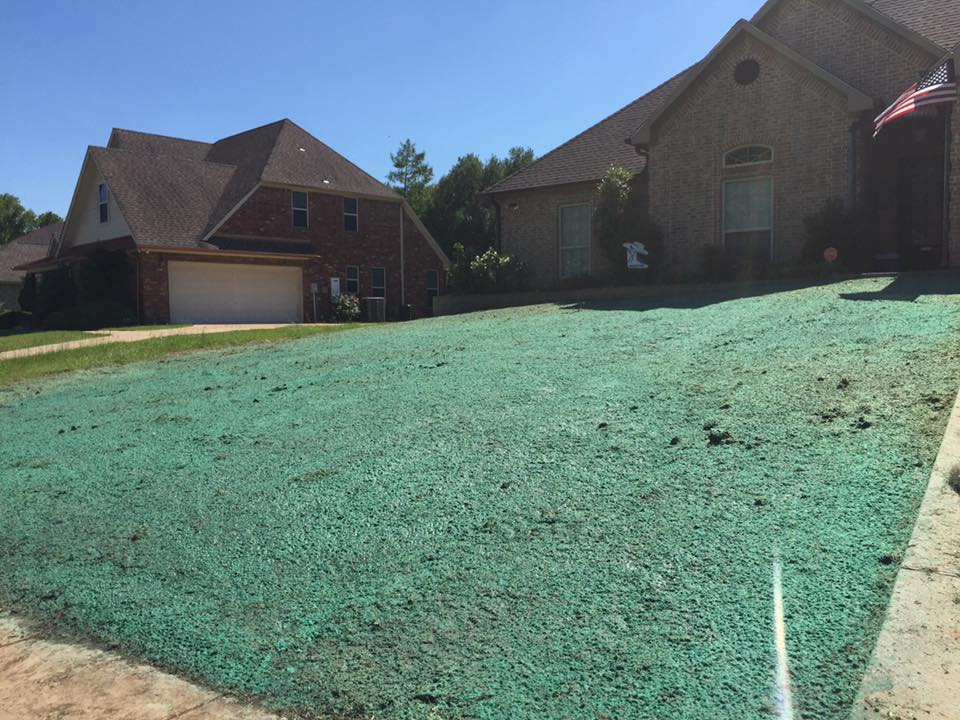
Property development in the Dallas-Fort Worth area moves fast. Lots are graded permits are pulled foundations are poured and homes are framed on schedules that leave little margin for the finishing work — including the lawn — to fall behind. For developers managing multiple lots simultaneously across active subdivisions the hydroseeding decision is not a casual one. It affects project completion timelines buyer satisfaction HOA compliance and the professional appearance of the development at every stage from model home opening to final lot closeout.
This guide is written specifically for property developers builders and land developers in the DFW area who are evaluating hydroseeding as part of their project completion process — covering what makes developer-scale hydroseeding different from residential work what to look for in a hydroseeding contractor at development scale and how to integrate hydroseeding efficiently into a development project timeline.
Why hydroseeding is the standard for development-scale lawn establishment
The economics of lawn establishment at development scale make the choice between hydroseeding and alternatives straightforward in most circumstances. A subdivision with twenty fifty or a hundred lots cannot practically install sod on every property — the material labor and logistics cost of sod installation across development scale makes it financially impractical for standard lot types in most DFW market segments.
Broadcast seeding at development scale produces the inconsistent results that make it an unreliable choice for a developer whose reputation depends on the finished appearance of every lot. Seed applied without a protective mulch layer on bare graded construction lots in Texas conditions — exposed to heat wind heavy rains and the erratic rainfall of DFW springs and summers — produces patchy unreliable establishment that requires costly reseeding and delays project completion.
Hydroseeding at development scale delivers the consistent establishment results that a development project requires at the cost point that makes it economically viable across multiple lots simultaneously. The equipment-based application is efficient at scale the results are reliable when site preparation is adequate and the cost per square foot decreases with project size — all characteristics that align with the economic and operational requirements of development-scale work.
What development-scale hydroseeding requires from a contractor
Not every hydroseeding contractor is equipped for development-scale work. The differences between a contractor who handles residential renovation jobs and one who can execute reliably across a multi-lot development project are real and worth evaluating carefully before committing to a contractor for development work.
Equipment capacity is the first differentiator. A contractor whose primary equipment is sized for individual residential lots will struggle to maintain schedule efficiency across a development with many lots to cover. Tank capacity that requires frequent refilling on large lots or across multiple lots slows the work and creates the schedule pressure that development timelines cannot absorb. Ask specifically about tank capacity daily coverage capacity and how the contractor plans equipment logistics across a multi-lot project.
Schedule reliability is critical for developers whose overall project timelines depend on each trade completing its scope on schedule. A hydroseeding contractor who cannot commit to specific application dates who reschedules regularly due to equipment issues or capacity constraints or who cannot coordinate with the grading and landscaping trades that precede and follow the hydroseeding work creates schedule risk that affects the full project. Ask for references from other developers specifically and ask those references specifically about schedule reliability.
Multi-lot coordination experience matters because development hydroseeding involves logistics that residential work does not require. Coordinating access across multiple active construction sites managing water supply for applications on lots without permanent water connections sequencing applications across lots at different completion stages and coordinating with general contractors who are managing multiple trades simultaneously requires a contractor who has navigated these logistics before — not one who is figuring them out on your project.
Product specification compliance is essential for permitted development projects where stormwater management plans specify particular mulch products application rates or documentation requirements. A contractor experienced with development work knows what BFM specifications look like on commercial grading permits what documentation is required for compliance and what products meet the regulatory requirements of DFW-area municipalities. A contractor without this experience creates compliance risk on permitted development sites.
Integrating hydroseeding into a development project timeline
The most common timing mistake in development-scale hydroseeding is treating it as a final completion item that gets scheduled after everything else is done rather than integrating it into the project schedule during the grading and construction phases.
Hydroseeding on a new construction lot requires adequate site preparation that should be sequenced into the project timeline before the grading crews demobilize. Final grading for hydroseeding — smoothing the lot to remove construction debris correcting low spots and establishing the final drainage grade — is most efficiently done while grading equipment is still on site rather than remobilizing for a separate preparation pass after the fact.
Irrigation installation sequencing affects hydroseeding timing in a critical way that developers sometimes discover too late. Installing irrigation after hydroseeding requires excavation in freshly seeded areas — disrupting the application and requiring reapplication of damaged sections. Installing irrigation before hydroseeding allows the system to be fully operational when the application is made — supporting the establishment period from day one without the schedule gap of waiting for irrigation installation after seeding.
Lead time for hydroseeding contractor scheduling should be built into the project timeline at least four to six weeks before the target application date on major development projects. During peak spring and fall seasons DFW hydroseeding contractors — particularly those with the capacity and experience for development work — have calendars that fill several weeks out. Waiting until the week before the application is needed to schedule a development-scale job creates the risk of a calendar conflict that pushes the application date back and delays project completion.
Seed specification for development lots
Seed specification for development lots in the DFW area should be driven by the conditions and priorities of the specific development rather than a single default choice applied uniformly.
For standard residential lots with full sun exposure Bermudagrass is the appropriate choice for the vast majority of DFW development projects. Its establishment speed density and durability under residential use make it the right grass for new homeowners who will be moving into the property and beginning to use the lawn immediately after closing.
For lots with significant shade from mature trees retained during development or from the orientation of the structure on the lot a single Bermudagrass specification may produce thin struggling coverage in the shaded sections. Addressing shade conditions with appropriate seed selection — either a blended mix for mixed-light lots or separate specifications for clearly shaded zones — produces better lot-level results and reduces the buyer complaints about thin lawn sections that generate service calls after closing.
For common areas community entrances and HOA-maintained spaces within the development the seed selection conversation may include considerations beyond residential lawn performance — durability under higher-than-residential use traffic tolerance for areas that get maintenance equipment traffic and in some cases native or low-maintenance options for naturalized zones that reduce HOA maintenance costs over the life of the community.
Stormwater compliance and BFM requirements
Development projects in the DFW area that require a stormwater pollution prevention plan — virtually all permitted grading projects above a minimum acreage threshold — have specific erosion control requirements that affect the hydroseeding specification.
BFM is the erosion control product that most municipal stormwater programs in the DFW area recognize as meeting permanent vegetative stabilization requirements for graded slopes and disturbed areas. Standard hydromulch may not satisfy the product specification requirements of a permitted stormwater plan on a development site — using the wrong product on a permitted site creates compliance risk that can affect the development schedule through failed inspections and required reapplication.
Developers and general contractors managing permitted sites should confirm the stormwater plan's hydroseeding product specifications before accepting any contractor quote that specifies standard hydromulch on areas that may require BFM for compliance. A contractor with development experience will know to ask for the stormwater plan and verify product compliance before application rather than discovering the discrepancy during inspection.
Documentation requirements for stormwater compliance — product data sheets application records and in some cases inspection coordination — should be part of the service scope for development-scale hydroseeding projects. A contractor who can provide the documentation package that the stormwater compliance record requires removes an administrative burden from the developer or general contractor who would otherwise need to chase that documentation.
Managing establishment across a multi-lot development
The establishment period management challenge for development-scale hydroseeding is that individual lot irrigation management becomes the responsibility of new homeowners who may not receive adequate aftercare information or who may move in during a critical establishment phase without knowing what the lawn needs.
The most effective approach is front-loading the establishment period before closing — scheduling hydroseeding applications far enough ahead of expected closing dates that the germination window and initial establishment are complete under contractor or developer management before the lot transfers to a buyer who may have limited lawn establishment knowledge.
When closing timing makes pre-close establishment impractical providing buyers with clear written aftercare instructions at closing — watering schedule germination timeline foot traffic restrictions and contractor contact information for questions — significantly improves establishment outcomes on lots that transfer to buyers during the establishment period. Most buyers will follow clear instructions when they understand that the lawn they are inheriting is in an active establishment phase that requires specific management for the first few weeks.
The contractor relationship that development work requires
Development-scale hydroseeding is most efficiently and most reliably executed within an ongoing contractor relationship rather than through individual lot-by-lot bids. A contractor who understands the development — the seed specification the stormwater requirements the typical lot conditions the completion sequencing and the buyer handoff process — delivers better results with less coordination effort than a contractor who is being introduced to these factors on each application.
The ongoing relationship also produces schedule efficiency advantages. A contractor who knows the development calendar can plan equipment and material logistics across the project timeline rather than treating each lot as an isolated mobilization. That efficiency produces faster application turnaround on individual lots and better overall schedule performance than the coordination overhead of managing a fresh contractor relationship for each application.
Communication standards for development work should be established at the start of the relationship — how lot readiness is communicated to the contractor how application scheduling is confirmed and adjusted how documentation is delivered and how issues on individual lots are addressed and resolved. Developers who establish clear communication protocols with their hydroseeding contractor at the project outset get significantly better coordination performance than those who manage communication ad hoc.
The bottom line for DFW property developers
Hydroseeding is the right lawn establishment method for development-scale projects in the DFW market because the economics the establishment reliability and the scalability of the method align with the operational requirements of development work in ways that alternatives do not. The contractor selection decision — finding a contractor with the equipment capacity schedule reliability development experience and compliance knowledge that development work requires — is more consequential at development scale than at residential scale because the contractor's performance affects every lot in the project rather than a single property.
Integrating hydroseeding scheduling into the project timeline early treating it as a sequenced trade rather than a final afterthought and establishing an ongoing contractor relationship that improves with each project phase produces the completion quality and schedule performance that development projects require.

Developing property in the DFW area and need a reliable hydroseeding contractor who understands development-scale work?
Fox Hydroseeding LLC handles residential and commercial development hydroseeding across North Texas — owner-operated with experience coordinating across multi-lot projects and managing the compliance and documentation requirements of permitted development sites. Every project starts with a direct conversation with the owner.
Get Your Free Estimate → foxhydroseeding.com/contact
Bring Your Property to Life With Expert Hydroseeding
Find Us On


Email address

Phone Number

