


Hydroseeding for HOA communities and subdivision common areas — what property managers need to know
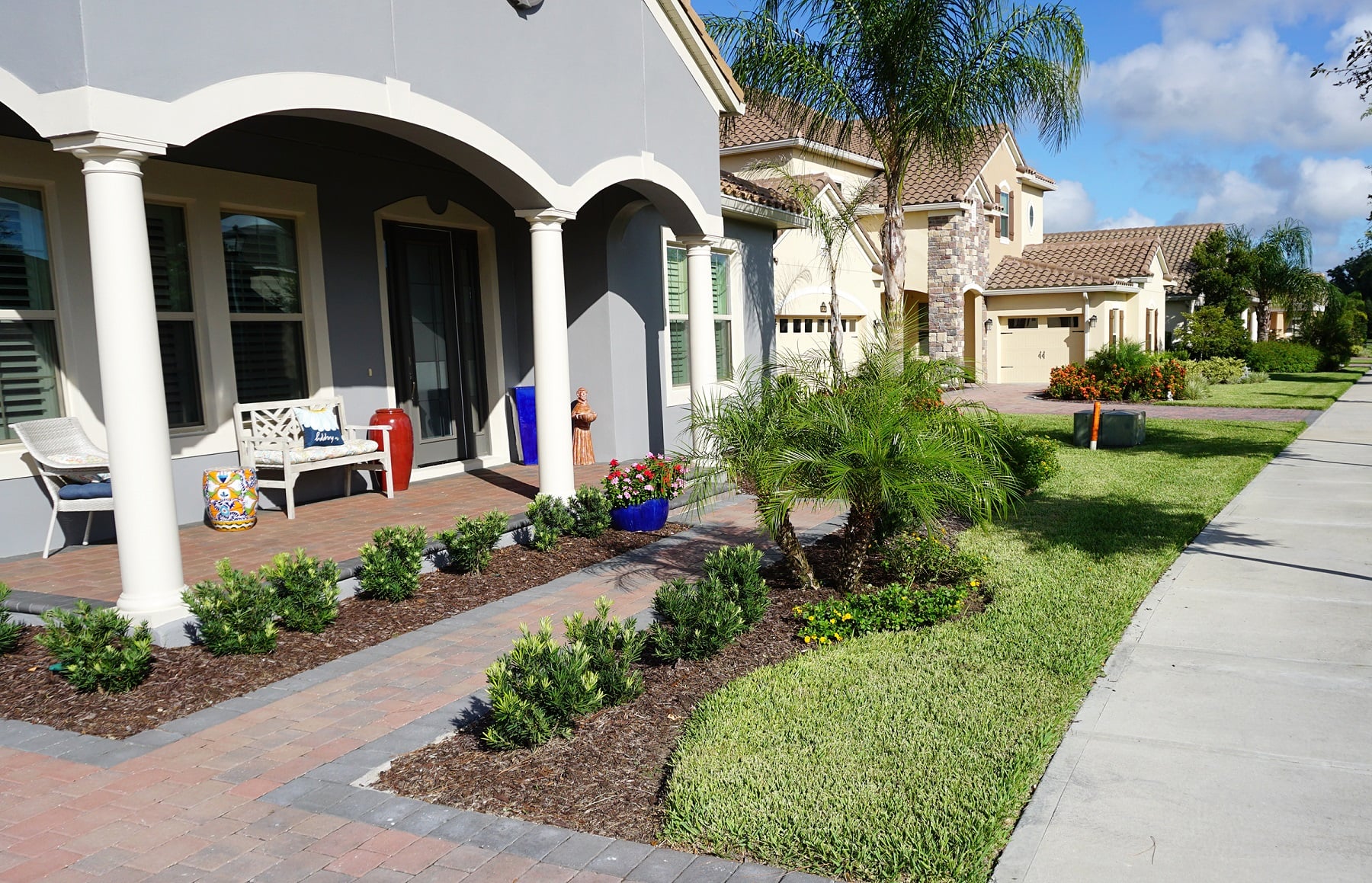
Managing the landscaping for a homeowners association or subdivision development comes with a different set of priorities than managing a single residential lawn. The scale is larger, the budget scrutiny is higher, the timeline pressures are real, and the results are visible to every resident and prospective buyer who drives through the community. Getting the lawn establishment right the first time is not just a quality preference — it is a financial and reputational necessity.
Hydroseeding is the method most HOA communities and subdivision developers in the DFW area rely on for common area lawn establishment, and for good reason. This guide explains why, what the process looks like at a community scale, and what property managers and HOA boards should know before starting a project.
Why common area lawn establishment matters for HOA communities
The landscaping in a subdivision or HOA community is one of the first things prospective buyers and new residents notice. Well-maintained, green common areas signal a well-run community and support property values across the development. Bare, patchy, or struggling common areas signal the opposite — and once that impression is set it takes significant time and investment to reverse.
For HOA boards managing community budgets, lawn establishment decisions involve real financial stakes. Choosing the wrong method, the wrong seed, or the wrong contractor for common area work can mean reseeding costs, resident complaints, and budget overruns that were entirely avoidable with better upfront planning.
Hydroseeding addresses the common area lawn challenge better than alternatives at the scale and budget constraints most HOA communities operate within — which is why it has become the standard approach for subdivision common areas across North Texas.
Why hydroseeding makes sense for HOA common areas
The economics of hydroseeding at community scale are compelling. Sod installation across subdivision common areas — entrance corridors, pocket parks, median strips, retention pond banks, walking trail borders — involves significant labor, material, and logistics cost that most HOA budgets cannot justify when the same coverage can be achieved at dramatically lower cost through hydroseeding.
Beyond cost, hydroseeding at community scale offers consistency of application that is difficult to achieve with hand seeding or sod installation across large irregular areas. The slurry is applied by equipment that delivers even seed and mulch distribution regardless of terrain shape or layout — important when covering the varied geometries of subdivision common areas, slopes, and irregularly shaped green spaces.
Hydroseeding also produces naturally rooted turf that develops deep root systems in the specific soil conditions of the community rather than transplanted sod that has to re-establish in new soil. Over the life of the community, naturally established turf from hydroseeding tends to be more resilient and lower maintenance than transplanted sod — a meaningful consideration for HOA boards thinking about long-term landscaping costs.
Planning a community-scale hydroseeding project
Hydroseeding for an HOA community or subdivision development requires more advance planning than a single residential job. Property managers and HOA boards who approach the project with a clear scope and timeline get significantly better results than those who call a contractor a week before they need the work done.
The planning process for a community hydroseeding project should start with a clear inventory of all areas to be seeded — total square footage, individual area locations and sizes, terrain conditions including slopes and drainage areas, access constraints, and any areas that require different treatment such as shaded zones, retention pond banks, or steep embankments.
Seed selection for community common areas should be driven by the intended use and conditions of each area. High-traffic areas like entrance corridors and play spaces benefit from durable warm-season grasses like Bermudagrass. Shaded areas under mature trees need shade-tolerant varieties like Tall Fescue. Slopes and drainage areas adjacent to retention ponds may require bonded fiber matrix applications for erosion control. A single seed and product specification applied uniformly across a varied community landscape often produces inconsistent results — the right approach tailors the product to each condition.
Timeline coordination with other construction and landscaping work is essential on active development sites. Hydroseeding should be scheduled after final grading is complete but early enough to give the grass time to establish before community residents move in or before a project completion deadline. Reaching out to your hydroseeding contractor during the grading phase rather than after it is finished gives you the scheduling flexibility to hit your target date without rushing the application.
Site preparation for community common areas
Common areas in new subdivision developments face the same site preparation challenges as individual new construction lots — stripped topsoil, compacted subsoil from construction traffic, surface debris, and grading that may not be finalized until late in the construction timeline.
On community-scale projects, site preparation involves the same principles as residential prep but applied across larger and more varied terrain. Final grading should produce a smooth, consistent seed bed across all common areas. Debris from construction activity needs to be cleared from the surface before application. In areas where topsoil has been significantly stripped or where subsoil quality is particularly poor, topsoil addition before hydroseeding improves establishment results meaningfully.
For HOA boards managing existing communities where common areas have thinned out or failed over time, site prep before reseeding may involve aeration of compacted areas, dethatching where thatch buildup is preventing seed contact, and assessment of drainage issues that may have contributed to existing lawn problems.
Erosion control in community common areas
Subdivision common areas often include some of the most erosion-vulnerable terrain in any development — retention pond banks, drainage channel slopes, roadway embankments, and graded areas that were shaped by civil engineering requirements rather than by landscape aesthetics. These areas are exactly where standard hydromulch is most at risk of failing and where bonded fiber matrix earns its cost.
For HOA communities with retention ponds, drainage swales, and sloped embankments in common areas, BFM applications on the at-risk sections protect the community from sediment runoff, erosion damage, and the costly slope repair that results from failed vegetation establishment on unstable banks.
Many municipalities in the DFW area also require erosion control compliance on community properties with drainage infrastructure. A hydroseeding contractor experienced with commercial and community-scale work will know what products and documentation are required for compliance and will include that in the project scope rather than leaving it as an afterthought.
Managing establishment across a community
The establishment period after community hydroseeding presents logistics challenges that do not exist on single residential jobs. Watering across multiple common areas simultaneously requires coordination with irrigation systems, water supply, and in some cases temporary irrigation setup in areas without permanent systems.
For HOA boards managing establishment on a new development, confirming that permanent irrigation is operational and properly zoned for common areas before hydroseeding begins is one of the most important steps in the project. Hydroseeding without reliable irrigation across the entire seeded area puts the entire investment at risk during the critical germination window.
Restricting resident access to freshly hydroseeded common areas during the three to four week establishment period protects the investment and prevents the foot traffic damage that is one of the most common causes of patchy community lawn establishment. Temporary fencing, signage, or community communications alerting residents to stay off newly seeded areas during establishment are worth the effort.
Working with an HOA board or property management team
Community-scale hydroseeding projects involve multiple decision makers — HOA board members, property management companies, landscape architects, and in some cases general contractors or developers. A hydroseeding contractor experienced with community work understands how to communicate across these stakeholders, provide documentation needed for board approvals or project records, and coordinate within a larger project management structure.
For property managers selecting a hydroseeding contractor for community work, the same evaluation criteria that apply to residential contractor selection apply at community scale — with additional weight on commercial experience, equipment capacity, documentation capabilities, and the ability to coordinate with other trades and project timelines.
An owner-operated contractor who handles both residential and commercial work brings the accountability of direct personal involvement to a community project that a larger company with multiple crews and layers of management may not consistently deliver.
Long-term common area lawn maintenance considerations
The hydroseeding decision for community common areas is the start of a long-term lawn management relationship, not a one-time fix. HOA boards and property managers who think beyond the initial establishment to the ongoing maintenance requirements of the established lawn make better initial decisions about grass selection and project scope.
Warm-season grasses like Bermudagrass in common areas require mowing through the growing season, seasonal fertilization, and periodic overseeding or renovation as the turf matures. Cool-season grasses in shaded areas require a different maintenance calendar. Understanding what the ongoing care requirements will look like for the grass types selected during hydroseeding helps HOA boards budget accurately for long-term landscape maintenance rather than being surprised by costs after establishment.
The bottom line for HOA communities and property managers
Hydroseeding is the most cost-effective, most practical, and most reliable method for establishing and renovating lawn coverage in HOA communities and subdivision common areas in the DFW market. The economics are compelling at community scale, the consistency of application suits the varied geometries of common area terrain, and the naturally established turf produces a more resilient long-term result than transplanted sod at a fraction of the cost.
The keys to a successful community hydroseeding project are the same as at any scale — proper site preparation, the right seed and product for each area's conditions, reliable irrigation during establishment, and a contractor with the experience and equipment to execute at community scale without shortcuts.

Managing an HOA community or subdivision development that needs common area hydroseeding?
Fox Hydroseeding LLC handles community-scale residential and commercial hydroseeding projects across the DFW area. Owner-operated with experience on both individual home lots and larger community projects — every estimate is handled personally so you get an accurate assessment and clear written quote for your specific scope.
Get Your Free Estimate → foxhydroseeding.com/contact
Bring Your Property to Life With Expert Hydroseeding
Find Us On


Email address

Phone Number

