


Hydroseeding for HOA communities — what homeowners associations and residents need to know
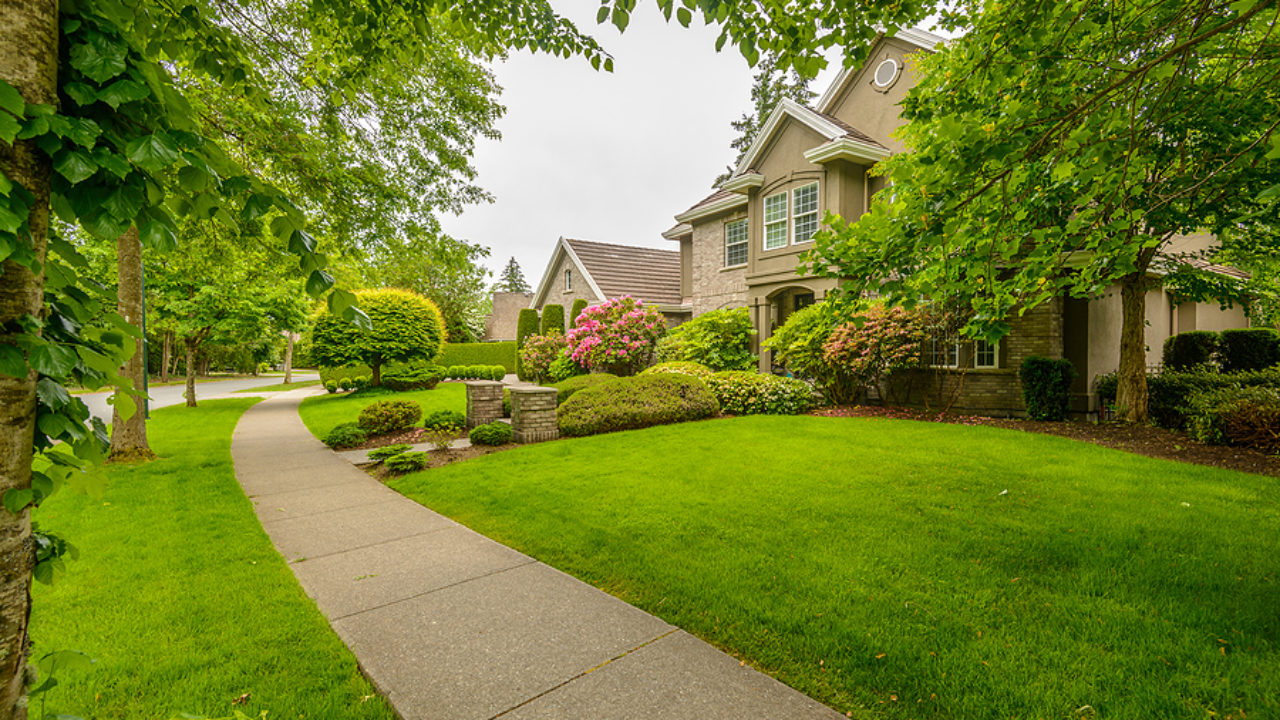
Living in an HOA community adds a layer of context to every lawn decision that homeowners on non-HOA properties do not face. Appearance standards with compliance timelines. Neighbor visibility that makes a lawn in-progress more publicly consequential than it would be on a private lot. Possible approval requirements for significant property improvements. And in some communities shared common areas that the HOA itself is responsible for maintaining to a standard that reflects on the whole community.
This guide covers the hydroseeding decision in the HOA context — for individual homeowners trying to establish or renovate their lawn within HOA standards and for board members or property managers making decisions about common area and community-wide lawn maintenance approaches.
For individual homeowners in HOA communities
The individual homeowner in an HOA community faces the same fundamental lawn establishment decisions as any homeowner — grass type timing preparation contractor selection — with the added context of HOA standards that affect the timeline the grass type requirements and the appearance standards the finished lawn needs to meet.
Understanding the specific HOA requirements before scheduling anything is the first step that most homeowners skip and then discover the relevance of mid-project. HOA lawn requirements in DFW communities commonly include timeline requirements specifying how long after closing or after lawn damage the yard must be established or restored. Grass type specifications that may require specific warm-season varieties — typically Bermudagrass — for front yard applications. Coverage standards that define minimum acceptable lawn coverage for compliance. And in some communities appearance standards that apply to the lawn during the establishment period — meaning the green mulch mat of a fresh hydroseeding application may need to be communicated to the HOA in advance as an active establishment project rather than a violation.
The timeline requirement is the most practically significant for most HOA homeowners because it determines the window within which the establishment must be completed. A thirty to sixty day establishment timeline from the HOA overlaps imperfectly with the four to six week establishment period of a quality hydroseeding application — which means the project needs to start promptly rather than being deferred until later in the compliance window.
The establishment timeline starts from the application day and the preparation work that precedes the application takes additional time. A homeowner with a sixty-day HOA compliance window who starts the process with thirty days remaining has set up a schedule that requires everything to go perfectly to meet the deadline. The homeowner who starts with fifty days remaining has a realistic buffer for the preparation work the application and the establishment period.
Call the contractor in the first weeks after moving in or after HOA notification of a lawn compliance requirement — not after assessing the compliance window and determining there is enough time. The spring and fall calendar for quality DFW hydroseeding contractors fills quickly and the available application dates may be further out than the urgency of the compliance window accommodates.
Navigating HOA approval requirements
Some HOA communities require approval for significant property improvements before work begins — and depending on how the governing documents define significant improvement a hydroseeding application may or may not require advance approval. Checking the specific requirements before scheduling work prevents the situation where a project is underway and an HOA manager notifies the homeowner that approval was required and not obtained.
For communities that do require approval the approval process typically involves submitting a description of the planned work and waiting for board or management approval before proceeding. For a standard lawn establishment project the approval is usually straightforward — most HOA governing documents specifically encourage lawn establishment and the approval process is a formality rather than a substantive review for standard residential hydroseeding.
If the approval process requires documentation of what is being applied — seed type mulch product application date — ask the contractor for the written estimate that specifies these details. The written estimate that a quality contractor provides naturally includes this information and serves as the documentation that the HOA approval process requires.
The establishment period in an HOA community context
The establishment period for a hydroseeding application in an HOA community involves the same management requirements as any establishment — consistent watering foot traffic restriction germination monitoring and progressive watering depth transition — with the additional consideration of the community visibility context that HOA living creates.
Front yard establishment that is visible to the street and to every neighbor who drives or walks past requires the temporary signage that communicates the active establishment status clearly. A professionally worded sign at the street edge — lawn establishment in progress please keep off — addresses the casual foot traffic that pedestrians and delivery personnel would otherwise create across the fresh application and communicates to neighbors and HOA management that the mulch-covered surface is an intentional improvement project rather than a compliance issue.
For homeowners concerned about HOA management perception of the establishment appearance proactively notifying the HOA manager before the application — with a note explaining that a professional hydroseeding application is scheduled and that the mulch-covered appearance during the four to six week establishment period is a normal part of the process — prevents reactive inquiries from management who see an unfamiliar-looking front yard and investigate whether a violation has occurred.
For HOA boards and property managers: common area hydroseeding
HOA boards and property managers making decisions about common area lawn establishment and maintenance face a different set of considerations than individual homeowners. The scale of common area projects the visibility of the results to the full community the budget accountability to all residents and the contractor coordination requirements of a community-wide project all shape the common area hydroseeding decision.
Common areas in DFW HOA communities that typically require hydroseeding include community entry corridors and monument areas where the first impression of the development is established. Neighborhood park areas and open lawn spaces that are maintained by the HOA for resident use. Common area slopes and drainage areas that require vegetative stabilization for erosion control. Streetscape areas between the sidewalk and the street in communities where the HOA maintains that space.
The grass type for common area establishment should match the conditions of each area — Bermuda for full-sun entry corridors and park spaces BFM hydroseeding for any slopes or drainage areas where erosion control is the primary establishment objective native or low-maintenance grass mixes for naturalized areas where reducing ongoing maintenance cost is a community financial priority.
Contractor selection for community-scale common area work
Common area hydroseeding for an HOA community involves the same contractor selection considerations as any commercial-scale project — equipment capacity appropriate for the project size schedule reliability across multiple areas and the ability to coordinate with other community contractors and the HOA management structure.
The contractor evaluation questions that matter most for common area work are whether they have experience with comparable community-scale projects in the DFW area whether they can provide references from similar HOA or common area projects and whether their equipment capacity is appropriate for the scale of the specific areas being addressed.
Documentation capability is more important for HOA common area work than for standard residential projects — the board or property manager may need application records for maintenance files insurance purposes or community transparency documentation. A contractor who provides written scope specifications pre-application and completion documentation post-application supports the accountability requirements of community management in ways that informal verbal-only contractor relationships do not.
The community timing coordination that makes HOA projects different
Timing coordination for community-wide lawn establishment or renovation projects involves considerations that individual homeowner projects do not face.
Seasonal window alignment for the full community project — ensuring that the application timing for all areas falls within the appropriate germination window for the chosen grass type — may require scheduling applications across multiple weekends or across an extended period when the full community project involves more area than can be completed in a single application day.
Resident communication before and during community-wide projects is a standard community management responsibility that becomes specifically relevant for hydroseeding projects because the establishment period appearance — green mulch-covered surfaces across community areas — generates resident questions if not communicated in advance. A community newsletter notice or email blast explaining that a professional lawn establishment project is underway the expected timeline and what residents should expect during the establishment period prevents the reactive inquiries that uninformed residents generate.
Access coordination for common areas that adjoin private lots or that require traffic management during application — entry corridor work that affects resident ingress and egress for example — needs to be planned and communicated before application day rather than managed on the day of the application.
The cost structure for HOA community hydroseeding
The cost structure for HOA common area hydroseeding projects reflects the commercial scale economics that apply to any larger-scale project — per-square-foot costs that are lower than standard residential rates because the scale of the project spreads the fixed costs of contractor mobilization and application across more total square footage.
For boards budgeting community-scale hydroseeding projects getting written estimates from contractors who have walked the specific areas being addressed — not phone quotes based on acreage descriptions — produces the accurate cost documentation that HOA budget processes require. The written estimate that specifies seed type mulch product and preparation scope provides the line-item detail that HOA financial records need and that the bid comparison process for community projects should be based on.
Phasing large community projects across multiple budget cycles — addressing the highest-priority community areas in year one and lower-priority areas in subsequent budget cycles — is a legitimate approach for communities where the full project scope exceeds the current year's grounds maintenance budget. Getting contractor input on which areas should be prioritized in year one based on visibility impact and condition urgency helps inform the phasing decision with grounds maintenance expertise rather than making it purely based on budget convenience.
The bottom line for HOA homeowners and communities
Hydroseeding in an HOA community context adds the HOA compliance layer to the establishment decision — timeline requirements grass type specifications appearance standards and in some cases approval processes. Understanding these requirements before scheduling anything and starting the contractor engagement early enough to meet compliance timelines rather than racing against them produces the compliance outcome and the lawn quality that the HOA context requires.
For HOA boards and property managers common area hydroseeding decisions involve the community-scale considerations of contractor capacity documentation requirement and resident communication that individual homeowner projects do not require. Getting those elements right produces the community lawn improvements that the board's fiduciary responsibility to the community's property values and appearance standards demands.

Navigating an HOA lawn compliance requirement or managing a community lawn project in the DFW area?
Fox Hydroseeding LLC works with individual HOA homeowners and community associations across North Texas and personally handles every estimate for both residential compliance projects and community-scale common area work. Every project starts with a direct conversation with the owner.
Get Your Free Estimate → foxhydroseeding.com/contact
Bring Your Property to Life With Expert Hydroseeding
Find Us On


Email address

Phone Number

