


Hydroseeding for front yard lawns — everything homeowners need to know before getting started
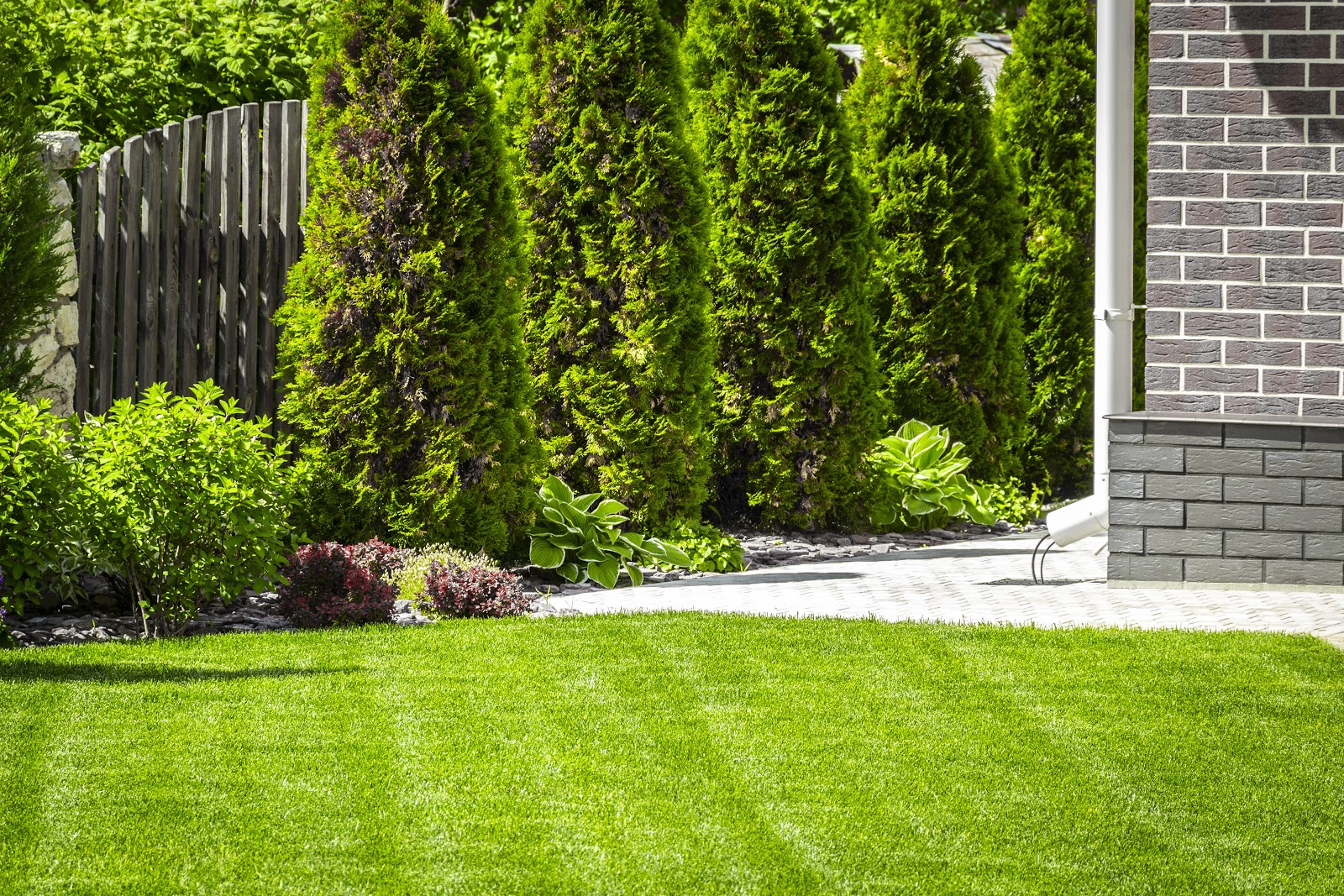
The front yard is the first thing anyone sees when they approach your home. It sets the tone for the property communicates how the home is maintained and in neighborhoods with active HOAs can be the source of compliance notices when it falls below community standards. For homeowners dealing with a bare patchy or struggling front lawn the motivation to fix it is often stronger than in the backyard — because the front yard is public facing and the dissatisfaction with how it looks is visible every time you pull into the driveway.
Hydroseeding is one of the most effective and cost-efficient methods for establishing a front yard lawn in Texas. This guide covers everything specific to front yard hydroseeding — the considerations that are different from backyard projects the preparation steps the grass selection decisions and the establishment management that produces the curb appeal result homeowners are after.
Why front yards have specific hydroseeding considerations
Front yard hydroseeding projects share the same fundamental process as backyard applications but they have distinct characteristics that affect how the project is planned and managed.
Visibility is the defining characteristic of a front yard project. The establishment period — the three to four weeks when the lawn looks like a mulch-covered work in progress before the grass fills in — is visible to neighbors passersby and anyone who approaches the home. Managing expectations about what the front yard will look like during that window is part of the project planning that backyard projects do not require in the same way.
Street drainage and runoff patterns affect front yard applications more than backyards in many properties. Water running off the street onto the parkway and front yard during rain events can displace freshly applied slurry in sections near the street — particularly in the first 48 hours before the mulch has bonded. Understanding these drainage patterns during the estimate walkthrough helps the contractor plan the application and product selection for the street-adjacent sections of the yard.
HOA compliance requirements apply more directly to front yards than backyards in most neighborhood associations. Some HOAs have specific requirements about lawn establishment methods timelines or appearance standards that are relevant to a front yard hydroseeding project. Knowing your HOA requirements before the application and discussing them with your contractor ensures the project approach is compatible with any applicable compliance timeline.
Parkway sections — the strip of grass between the sidewalk and the street — are a common front yard element with specific establishment challenges. High foot traffic from pedestrians and delivery personnel combined with vehicle overhang and road salt exposure create more demanding conditions than the main lawn area. These sections often benefit from more durable grass varieties or higher seed application rates to compensate for the conditions they experience.
Street access and equipment considerations for front yards
Front yard access is generally more straightforward than backyard access for hydroseeding equipment. The contractor can typically operate from the street or driveway without needing to access the yard through a gate. Hose reach from a street-parked or driveway-positioned unit covers most standard front yard dimensions without the access planning that backyard projects require.
That said front yard applications have their own logistics considerations worth discussing with your contractor before application day. Street parking availability affects where the equipment can be positioned and how much hose is needed to reach all sections of the yard. Neighbor notification for extended street equipment positioning is a courtesy consideration in tight residential streets. Driveway clearance for equipment that needs to position close to the yard affects the access planning for corner lots or properties with limited street frontage.
For properties with steep slopes from the street up to the house level — common in some DFW neighborhoods — the application approach for the slope sections needs to be discussed during the estimate. Slopes visible from the street that face drainage and runoff challenges may warrant BFM rather than standard hydromulch for better adhesion and erosion protection during the establishment window.
Front yard preparation: what matters most
The preparation principles for a front yard hydroseeding project are the same as for any application but the specific conditions common in front yards create some preparation priorities worth addressing directly.
Parkway and street-adjacent soil conditions are often among the most challenging in any residential property. Road traffic vibration utility work and years of foot traffic create heavy compaction in these sections that limits germination and root development. Aerating or mechanically loosening the compacted parkway soil before hydroseeding significantly improves the establishment result in this high-profile section of the front yard.
Utility markings are a preparation consideration specific to front yards. Underground utilities — gas water electric and telecommunications — run through front yard areas including parkway sections. Before any grading or mechanical soil work in the front yard ensure that utilities have been located and marked through the appropriate utility notification service. In Texas dial 811 before any digging or mechanical soil work to have underground utilities flagged.
Existing landscape features in front yards — established shrub beds tree rings edging and border materials — create the areas that need to be excluded from the hydroseeding application and the edges that require careful application technique to achieve clean coverage without overspraying onto hardscape or existing plantings. Identifying these features during the estimate walkthrough helps the contractor plan the application boundaries and technique for clean precise coverage.
Grade and drainage in front yards often slopes toward the street — the correct drainage direction for protecting the foundation. This slope is a positive drainage feature but it means that the street-adjacent sections of the yard experience the concentrated runoff from the main lawn during rain events. The contractor should consider this drainage pattern in the mulch product selection for street-adjacent sections particularly on steeper front yard grades.
HOA requirements and front yard establishment
If your property is in an HOA-governed community understanding the relevant requirements before a front yard hydroseeding project is important. HOA standards that affect hydroseeding projects typically fall into a few categories.
Lawn establishment timelines are the most common HOA consideration. Some associations require that bare dirt or disturbed areas be planted or seeded within a specific timeframe — relevant if your front yard has been bare for an extended period due to construction renovation or lawn failure. Confirming that a hydroseeding project and establishment timeline satisfies any applicable requirement prevents compliance issues during what is already a waiting period.
Appearance standards during establishment are worth understanding. The mulch-covered appearance of a freshly hydroseeded front yard is different from an established lawn and some HOAs have standards about the appearance of front yards that could technically apply during the establishment period. In practice most HOA communities accommodate active lawn establishment projects but knowing the applicable standards and communicating with your HOA management about a current establishment project prevents misunderstanding.
Grass variety requirements exist in some HOA communities that specify approved grass types for lawns. If your community has these requirements confirming that your planned grass selection is approved before the application prevents the scenario of establishing a lawn that does not meet community standards.
Grass selection for curb appeal front yards
Front yard grass selection should prioritize appearance and maintenance practicality alongside durability. The front lawn is primarily a visual asset rather than a high-use active space — which creates slightly different selection priorities than a backyard that serves as the family's primary outdoor use area.
Bermudagrass is the most appropriate choice for full-sun front yards in the DFW area for the same reasons it leads residential lawn selection generally — aggressive establishment dense attractive coverage and durability through Texas summers. For homeowners who want the classic green lawn appearance through the growing season Bermuda delivers that result reliably in full-sun front yard conditions.
The dormancy characteristic of Bermuda — going brown in winter — is a curb appeal consideration for front yards that some homeowners weigh more heavily than for backyards. If year-round green color from the front lawn matters for your curb appeal goals overseeding the front Bermuda lawn with Ryegrass in fall provides winter color during the dormancy period. This is a standard practice across DFW neighborhoods where year-round front lawn appearance is a priority.
For front yards with shade from mature street trees or from the orientation of the home Tall Fescue provides a shade-tolerant alternative that maintains better coverage in the shaded conditions where Bermuda would progressively thin. The front yard appearance in a heavily shaded property is often better served by a healthy thriving Fescue lawn than by struggling Bermuda that is perpetually thin from inadequate sunlight.
The parkway section specifically often benefits from a more durable or higher-seeding-rate approach than the main lawn given the traffic and stress conditions it experiences. Discussing the parkway as a potentially distinct zone within the front yard application is worth raising with your contractor during the estimate.
Managing the establishment window on a front yard
The establishment period management for a front yard hydroseeding project is in some ways easier than backyard establishment — front yards typically have less daily use pressure and the foot traffic restriction is less disruptive to household routine. But the public visibility of the front yard during establishment creates a different kind of management consideration.
Signage or temporary fencing indicating that lawn establishment is in progress is a practical tool for managing pedestrian traffic through a front yard during the germination window. Neighbors pedestrians and delivery personnel who might otherwise cut across the lawn during normal activity will typically respect a clear visible indication that the lawn is being established. A simple sign — lawn establishment in progress please keep off — positioned at the street edge of the yard is sufficient for most residential applications.
Irrigation management for a front yard is typically more straightforward than backyards because most residential irrigation systems were designed with front yard coverage as the primary consideration. Verify that all front yard zones are operational and covering the full area before the application — particularly the parkway section which is sometimes on a separate zone or served by a different head type than the main lawn area.
If your front yard irrigation has coverage gaps in any section — areas that the system does not reach consistently — plan supplemental manual watering for those sections during the critical germination window. Under-irrigated sections of a front yard hydroseeding application become the bare or thin areas that undermine the curb appeal outcome despite strong coverage everywhere else.
Timeline and curb appeal expectations
For homeowners whose primary motivation for front yard hydroseeding is curb appeal setting realistic expectations about the timeline to the desired appearance is important before the application begins. The transformation from bare dirt to established lawn through hydroseeding takes four to six weeks — and the midpoint of that process looks like progress but not yet like the finished result.
Weeks one and two — green mulch mat visible scattered sprouts by end of week one spreading germination through week two — look like a work in progress rather than a lawn. The mulch coverage and emerging sprouts signal that the process is working correctly but the front yard does not look like a finished lawn during this period.
Weeks three and four — solid coverage developing mulch breaking down grass visibly thickening — start to look like a lawn in progress that is clearly heading in the right direction. Most observers will recognize an establishing lawn at this stage rather than a bare or neglected front yard.
Week five and beyond — first mow completed coverage solid and continuing to thicken — the front yard begins delivering the curb appeal appearance that motivated the project.
For homeowners who have a specific timeline driving the front yard project — a home sale a community event or any other date-driven curb appeal need — planning backward from that date to determine whether the establishment timeline fits is an important conversation to have with your contractor before committing to the project schedule.
What a successfully established front yard lawn delivers
A front yard lawn that was properly established through hydroseeding changes the appearance and feel of a property in ways that have tangible value beyond aesthetics. Curb appeal that was previously a source of frustration or HOA notices becomes a positive characteristic of the property. The investment in establishment pays forward through years of reduced maintenance burden as a properly rooted lawn holds up through drought heat and seasonal transitions with less intervention than a poorly established alternative.
For homeowners planning to sell the established front lawn contributes directly to first impression and property value in ways that other improvements rarely match for the investment required. The cost of a quality hydroseeding application on a front yard is modest relative to the curb appeal value it creates and sustains.
The bottom line on front yard hydroseeding
Front yard hydroseeding produces the curb appeal transformation most homeowners are looking for when approached with proper preparation appropriate grass selection and realistic timeline expectations. The visibility and HOA considerations specific to front yard projects are manageable with straightforward planning that most homeowners can address before the application with minimal effort.
The same quality fundamentals that produce a successful backyard application produce a successful front yard — proper site preparation the right seed for the conditions a contractor who walks the property and plans the application specifically for your yard and a committed watering schedule through the establishment window.

Ready to fix your front yard and get the curb appeal your home deserves?
Fox Hydroseeding LLC handles front yard hydroseeding projects across the DFW area and personally walks every property before making a recommendation. Every estimate is handled by the owner so you get an honest assessment of your specific yard and a clear written quote.
Get Your Free Estimate → foxhydroseeding.com/contact
Bring Your Property to Life With Expert Hydroseeding
Find Us On


Email address

Phone Number

