


Hydroseeding for a new build home — the complete first-time lawn guide for new construction homeowners
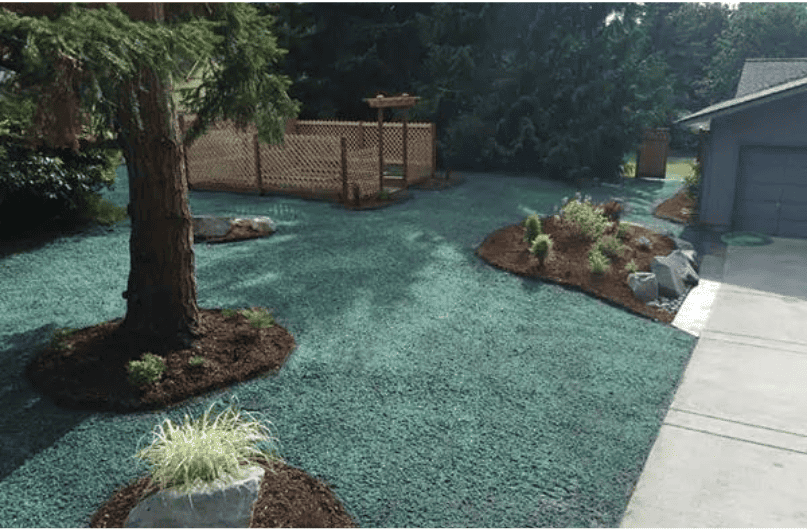
Closing on a new build home is one of the most exciting milestones in homeownership — and one that comes with a yard situation that most new homeowners are completely unprepared for. The builder delivered a house with finished interiors carefully selected fixtures and countertops and a yard that looks like the construction site it just was. Bare compacted clay construction debris and the evidence of months of equipment traffic where a lawn is supposed to be.
Most new build homeowners look at that yard and assume the solution is simple — put grass seed on it and water it. The reality is more specific than that and the homeowners who understand the specific conditions of a new construction lot before making any decisions get the lawn right on the first attempt. The ones who do not join the significant percentage of new build homeowners who are on their second or third lawn attempt two years after closing.
This guide covers everything specific to the new build lawn establishment scenario — what the builder left you why it is more challenging than it looks what needs to happen before any seed goes down and how to manage the establishment so the first attempt is the one that works.
The specific condition of a new build lot
Understanding specifically what a new build lot is — not what it looks like but what the soil conditions actually are — is the foundational knowledge that makes every subsequent decision correct.
The topsoil that was present on the lot before construction was stripped or buried during foundation excavation and grading. The organic-rich upper soil layer that supports healthy grass root development is gone. What remains at the surface is the subsoil layer — dense clay with minimal organic matter minimal biological activity and poor structure for root development. This is the material that grass seed is being asked to establish in on most new build lots and it is significantly more hostile than the soil in established yards.
The construction activity that occurred on the lot — excavation concrete trucks lumber deliveries framing crews and everything else that comes with building a house — compressed the clay subsoil to a density that grass roots cannot penetrate without mechanical intervention. The compaction is severe and uniform across the lot because heavy equipment ran across virtually every square foot through months of activity.
Construction debris is mixed into the surface layer of virtually every new build lot. Rocks concrete chunks wire nails and miscellaneous building material end up incorporated into the surface during construction and are not fully removed during grading. This debris creates bare spots in germination patterns and damages mowing equipment after establishment.
The grade that the builder established may have drainage problems — low spots that will collect standing water after rain downslopes that direct water toward the foundation rather than away from it or sections that are poorly integrated with the adjacent drainage patterns of the neighborhood.
These four conditions — stripped topsoil severe compaction construction debris and drainage issues — define the starting point for a new build lawn establishment. Understanding them before making any decisions is what makes the difference between the homeowner who gets it right the first time and the one who discovers them through a series of disappointing results.
Why broadcast seeding fails on new build lots
The conditions of a new build lot explain exactly why broadcast seeding — the first approach most new build homeowners try — produces the patchy results that prompt the subsequent overseeding attempts that also fail on the same unaddressed conditions.
Seed placed on the surface of compacted clay without a protective covering makes inconsistent contact with the hard dried clay surface — some seed landing in the micro-depressions that provide contact and some sitting on the crust without contact. The inconsistent contact produces the inconsistent germination that produces the patchy coverage that looks like a seeding technique problem when it is actually a surface condition problem.
The seedlings that do germinate find the compaction layer within two to three inches — shallow roots that desiccate rapidly when surface moisture depletes between sessions and that cannot develop the depth that summer performance requires. The spring establishment that looked promising thins dramatically through the first summer not because of drought but because the roots never went deep enough to access the moisture reserves below the surface depletion zone.
The same conditions that produce the first failure produce the second and third failures — because the surface condition problems that caused the failure are still present for each subsequent attempt.
The preparation that changes everything for new build lots
The preparation investment before any seeding approach on a new build lot is what makes the establishment succeed rather than produce the same result as all the broadcast seeding attempts that preceded it. This is not optional preparation — it is the foundational step that determines the ceiling of what any establishment method can achieve on the specific conditions of a new build lot.
Mechanical compaction relief is the highest-priority preparation step. Skid steer work tilling or deep aeration that breaks up the compacted surface layer to a depth of four to six inches creates the root penetration pathway that every subsequent growing season depends on. The specific method depends on the severity of the compaction — a contractor who walks the lot and tests the soil condition can recommend the right approach for the specific conditions.
Topsoil addition after compaction relief addresses the soil quality deficit that stripped construction subsoil presents. Two to three inches of quality screened topsoil blended into the loosened clay creates a transition zone with the organic matter and soil structure that root development requires through the first growing season and beyond. The blending step — working the topsoil into the loosened clay rather than leaving it as a distinct layer — prevents the interface problem that a sharp soil layer transition creates.
Debris removal before any application prevents the bare spots and mowing equipment damage that construction material creates in the finished lawn. Two thorough walkthrough passes with raking reveal the subsurface debris that a quick visual scan misses on any new build lot.
Drainage correction addresses the grade problems that construction left behind. Filling low spots establishing positive drainage away from the foundation and addressing any sections where the grade will create chronic wet or dry zones — all before any seed goes down.
Why hydroseeding is the right establishment method for new build lots
Given the specific conditions of new build lots in the DFW area hydroseeding is the establishment method that produces the most reliable first-attempt results on the conditions that those lots present.
The slurry delivers seed in consistent direct contact with the prepared surface — addressing the seed-to-soil contact inconsistency that makes broadcast seeding unreliable on the clay surfaces and surface irregularities of new construction lots. The moisture-retaining mulch layer compensates for the rapid surface evaporation that Texas heat produces during establishment — maintaining the germination moisture that bare seed loses in hours. The tackifier bonds the application to the prepared surface — preventing the displacement from rainfall and irrigation that bare seed is vulnerable to on any significant slope or grade.
The combination of properly prepared soil and quality hydroseeding application produces the consistent germination across the full application area that new build homeowners have been unable to achieve through the broadcast seeding attempts that preceded it — because both the surface condition and the seed delivery method are now right for reliable establishment.
The contractor conversation that new build homeowners need to have
The most important conversation a new build homeowner can have before any establishment work begins is with a contractor who has walked the specific lot assessed the soil conditions identified the preparation scope and can explain specifically why the recommended preparation is appropriate for the conditions they observed.
Ask the contractor specifically what they saw when they walked the lot and how it informed their preparation recommendations. A contractor who can describe the soil hardness the compaction depth the surface debris conditions and the drainage patterns they observed during the walkthrough is demonstrating that the preparation recommendation came from actual site assessment rather than a generic template applied to any new build lot.
Ask about the topsoil source and quality if topsoil is part of the preparation scope. Ask about the skid steer or tilling depth that the compaction conditions require. Ask about the seed type and variety being recommended and why it is appropriate for the sun exposure conditions of the specific lot.
A contractor who answers these questions specifically is the contractor whose preparation scope is right for the specific conditions of the specific lot rather than a generic new build package applied regardless of what the lot actually requires.
Managing establishment on a new build lot
The establishment period management for a new build lot follows the same principles as any hydroseeding establishment — consistent watering through the germination window foot traffic restriction for four weeks and first mow at the appropriate height. But new build lots have specific practical considerations that established property renovations do not face.
Access coordination with ongoing construction activity in the surrounding neighborhood may affect the establishment period management. If the subdivision is still under active development equipment traffic from neighboring lot construction or street work can create disruption risks to a fresh application. Discussing with the contractor how to manage the exposure risk from surrounding activity before the application date is appropriate for new build homeowners in active construction neighborhoods.
Irrigation system availability is a new build specific consideration. If the home's permanent irrigation system was not installed before the lawn establishment or if the system was installed but not yet tested and commissioned the establishment period watering management requires either temporary irrigation setup or a highly reliable manual watering commitment. The three-times-daily watering schedule of Texas summer establishment is most reliably managed through an automatic system — addressing irrigation before the application date rather than figuring it out after is one of the highest-value pre-application preparation tasks on a new build lot.
HOA timeline requirements in new subdivisions may create urgency around the establishment schedule that established property renovations do not face. Understanding the specific HOA requirements before scheduling anything and building the establishment timeline to meet them with adequate buffer is worth the effort of the phone call to the HOA management before calling any contractor.
Year one on a new build lot: the foundation-building year
The first year of lawn ownership on a new build lot is the year when the preparation and establishment investment either compounds into the strong foundation the lawn will perform from for years or reveals the inadequacy of shortcuts that were taken in the interest of speed or cost reduction.
The deep watering progression through the first growing season that builds root depth — each week's sessions penetrating slightly deeper than the previous week's — is the most impactful first-year management decision on a new build lot where the soil conditions that preparation improved are now providing the root development opportunity that management either takes advantage of or wastes.
The first-season aeration that maintains the soil structure the preparation created against the progressive re-compaction that North Texas clay naturally produces is the annual maintenance investment that keeps the preparation benefits from degrading through the first season and every season after it.
The patience through the establishment period that protects the developing root system from the foot traffic pet access and premature mowing that create the bare paths and thin sections that make a new build lawn look unsuccessful at three weeks when it was actually on track — and that protect the investment from the anxiety-driven interventions that damage establishing lawns that were proceeding correctly.
The bottom line for new build homeowners
The new build lawn is the most common challenging establishment scenario in the DFW market — and the most common source of the repeated lawn attempts that homeowners accumulate before finally getting the result they were after. The preparation investment that addresses the specific conditions of new construction lots — compaction relief topsoil addition debris removal drainage correction — combined with hydroseeding that delivers seed reliably to the prepared surface produces the first-attempt result that broadcast seeding on unprepared construction soil cannot.
The homeowner who understands the specific conditions of their new build lot before making any decisions has the foundation for making the right decisions. The preparation is the investment. The hydroseeding is the application. The establishment management is the protection. Together they produce the lawn that the new build lot is capable of becoming.

Just closed on a new build home and ready to get your lawn started the right way from the beginning?
Fox Hydroseeding LLC personally walks every new construction property and gives you an honest assessment of the specific preparation your lot requires before recommending any application. Every estimate is handled by the owner.
Get Your Free Estimate → foxhydroseeding.com/contact
Bring Your Property to Life With Expert Hydroseeding
Find Us On


Email address

Phone Number

