


Hydroseeding for a healthy lawn — why everything that matters happens underground
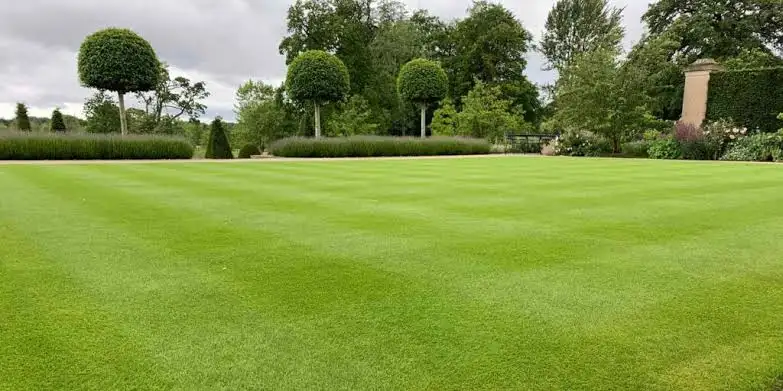
The lawn you see is not the lawn. The lawn you see is the output of what is happening in the soil beneath it — the root system the soil structure the biological activity and the moisture and nutrient availability that determine whether the grass above is healthy struggling or somewhere in between. Managing the visible lawn without understanding the invisible system that produces it is like managing a business by watching the revenue number without understanding the operations that generate it.
This guide is about the underground reality of lawn health — what happens below the surface why it matters more than anything visible and how a properly executed hydroseeding project on properly prepared soil creates the underground foundation that produces the lawn above it.
The root system is everything
Every visible characteristic of a healthy lawn — the density the color the drought resilience the recovery speed after stress or damage — is a direct expression of the root system beneath it. A lawn with deep well-developed roots looks different from a lawn with shallow roots in ways that no surface management can replicate because the root system is the mechanism through which every surface characteristic is produced.
Root depth determines moisture access. A root system that extends six to eight inches into the soil profile accesses moisture from a dramatically larger volume of soil than one confined to the top two to three inches. During a Texas summer when surface soil moisture evaporates rapidly between irrigation sessions the deep-rooted lawn accesses the moisture reserves at depth that the shallow-rooted lawn exhausted days earlier. The lawn that looks good through July without daily irrigation intervention is the lawn with roots at depth. The one that looks stressed by the second missed irrigation is the lawn whose roots never left the surface.
Root depth determines heat resilience. Soil temperature at six to eight inches is significantly cooler than soil temperature at two to three inches during peak Texas summer heat. The deep-rooted grass is growing its roots in conditions that are meaningfully less stressful than what shallow roots experience at the surface. The lawn that handles peak summer composure while neighboring lawns stress is the lawn whose root system has escaped the hottest zone of the soil profile.
Root mass determines recovery capacity. When grass experiences damage from wear drought or pest activity the speed and completeness of recovery is proportional to the root reserve available to support regrowth. A large deep root system has more stored carbohydrates more water-absorbing surface area and more structural anchoring than a small shallow one — producing faster more complete recovery from any stress event.
How soil structure determines root development
Roots do not develop depth voluntarily. They develop depth when the soil structure allows and encourages them to. The same grass variety watered the same way produces very different root depth depending on whether the soil it is growing in allows penetration or resists it.
Compacted soil resists root penetration. When clay soil is compressed by equipment traffic foot traffic or years of surface pressure the pore spaces that allow root growth collapse — presenting a physical barrier that roots cannot penetrate regardless of how much water or nutrition is available above the compaction layer. A lawn on compacted soil stays shallow-rooted not because the grass does not need depth but because the soil does not allow it.
Loose uncompacted soil with adequate pore space invites root penetration. Water penetrates deeply to available moisture at depth. Air circulation through the soil provides the oxygen that root growth requires. Roots follow moisture and oxygen downward as both resources are present at increasing depth. The root system develops the depth that the open soil structure makes possible.
Organic matter content affects soil structure in ways that directly influence root development. Soil with adequate organic matter has better structure — more aggregation better pore distribution better water retention without waterlogging — than depleted soil. The North Texas clay subsoil left exposed after construction stripping has minimal organic matter almost no biological activity and poor structure. Quality topsoil has organic matter biological activity and the structure that roots develop well in. The difference in root development on the same grass variety in these two soil types is significant and visible within the first growing season.
How hydroseeding creates the underground foundation
A properly executed hydroseeding application on properly prepared soil does not just put grass on the surface — it initiates a root development process that creates the underground foundation the visible lawn is built on.
The seed delivered in the slurry germinates in direct contact with the prepared soil surface. From the moment of germination the developing root system encounters the soil conditions below the surface layer — and those conditions determine where the root system goes. Properly loosened soil with compaction relief and quality topsoil provides the open structure that roots penetrate progressively deeper. The same seed on unrelieved compacted subsoil produces roots that hit the compaction layer within a few inches and spread laterally rather than developing depth.
The watering management after the application either encourages root development downward or keeps it near the surface. Deep infrequent sessions that make moisture available at progressively greater depths train roots to follow moisture downward. Shallow frequent sessions that keep moisture only at the surface train roots to stay where the moisture is. The root depth at the end of the first growing season reflects the watering approach throughout it — not just the watering approach during establishment.
The starter fertilizer in the slurry provides the phosphorus that root development specifically requires during establishment. Phosphorus supports root cell development and early root system establishment in ways that nitrogen-dominant fertilizers do not. The inclusion of adequate starter fertilizer in the slurry mix is not a luxury — it is the nutrition specifically targeted at the underground development that determines the quality of the lawn's foundation.
The soil biology that makes the underground work
Soil is not inert material that holds grass roots in place. It is a living system with biological activity that directly affects soil structure nutrient availability and root development quality. The soil biology in a healthy lawn is one of the least visible and most important contributors to the lawn's performance.
Soil microorganisms — bacteria fungi and other microbes — break down organic matter into the plant-available nutrients that grass roots absorb. They create the biological glue that aggregates soil particles into the structure that makes healthy soil so different from dead compacted ground. They form the symbiotic relationships with grass roots — mycorrhizal fungi are a well-known example — that extend the effective reach of the root system and improve nutrient absorption efficiency.
The heavy clay subsoil left after construction stripping has minimal biological activity. The topsoil that was stripped away had most of the biological community. Rebuilding that biological community takes time — but it starts when quality topsoil is added before hydroseeding and it accelerates with each season of organic matter addition through compost topdressing aeration and the decomposition of the grass clippings returned to the surface through mulch mowing.
The lawn that improves with age — that gets progressively easier to maintain and more resilient to stress with each growing season — is the lawn on soil whose biological community is rebuilding and whose organic matter content is increasing through appropriate management. The lawn that stays difficult to maintain or gradually declines is the lawn on soil whose biology and organic matter are not recovering because the management practices that support them are not in place.
What the surface tells you about the underground
Learning to read the visible lawn as an indicator of underground conditions is one of the most useful skills a Texas homeowner can develop — because the surface tells you things about the root system and soil that you cannot see directly.
Thin coverage that follows compaction patterns — narrow bare paths corresponding to traffic routes and wider bare areas near the house foundation where foot traffic concentrates — indicates compaction-limited root development in those specific sections. The grass is shallow-rooted because the soil in those sections is compressed. The fix is compaction relief not more seed.
Coverage that looks good in spring and thins progressively through summer regardless of irrigation management indicates shallow roots that cannot sustain the grass through heat stress when surface moisture depletes rapidly. The fix is watering management that builds root depth — not more frequent watering that keeps roots at the surface.
Drought stress that appears rapidly after missed irrigation sessions even in established lawns indicates shallow root systems that exhaust available moisture quickly. Deep-rooted established Bermuda on properly structured soil holds through longer dry periods than shallow-rooted grass on the same surface shows stress within days of reduced irrigation.
Slow recovery from damage — wear traffic drought or pest impact — that takes weeks rather than days indicates limited root reserve available for recovery support. Lawns with deep extensive root systems recover in days from damage that takes shallower-rooted lawns weeks because the root mass available to support regrowth is proportional.
The management practices that build and maintain underground health
Once the underground foundation is established through proper preparation and hydroseeding the management practices that maintain and improve it are specific and consistent.
Deep infrequent irrigation for established lawns trains root systems to develop and maintain depth by making moisture available at depth while allowing surface soil to dry between sessions. This single management practice has more impact on long-term lawn resilience than any other routine maintenance decision.
Annual core aeration relieves the surface compaction that reasserts itself over time through mowing traffic and seasonal shrink-swell cycles on North Texas clay. Each aeration keeps the pore structure open that roots need for continued deep development and penetration.
Compost topdressing after aeration adds organic matter to the soil profile at depth through the aeration channels — progressively improving the biological activity and soil structure that healthy roots depend on. Each annual application builds on the previous ones and the improvement compounds over multiple seasons.
Mulch mowing — returning clippings to the surface rather than bagging them — adds continuous organic matter contribution through the growing season. The decomposing clippings feed the soil biology maintain the surface organic matter content and contribute to the long-term improvement of the soil structure that root development relies on.
Appropriate fertilization timing and rate that supports root development rather than just top growth. Phosphorus for root development nitrogen for top growth balanced at rates and timing that supports the whole plant rather than pushing surface appearance at the expense of underground investment.
The bottom line on why grass health starts underground
The lawn you want — thick dense resilient through summer and beautiful from the street — is the expression of the root system soil structure and biological activity below the surface that no amount of surface management produces without the underground foundation supporting it.
Hydroseeding on properly prepared soil creates the starting conditions for that foundation. Deep watering management through the first growing season builds the root depth that makes it real. Annual aeration and organic matter addition maintains and improves it through subsequent seasons.
Everything visible about a great lawn is the output of what happens underground. Understanding that relationship is what converts lawn management from a surface-level maintenance burden into a soil investment that compounds in value with every growing season.

Want to establish a lawn with the underground foundation that produces lasting above-ground results?
Fox Hydroseeding LLC personally assesses every property before making preparation and application recommendations — because the preparation that creates the right underground conditions is what makes the visible lawn possible.
Get Your Free Estimate → foxhydroseeding.com/contact
Bring Your Property to Life With Expert Hydroseeding
Find Us On


Email address

Phone Number

