


Hydroseeding for a green lawn year round — whether it is possible in Texas and exactly how to do it
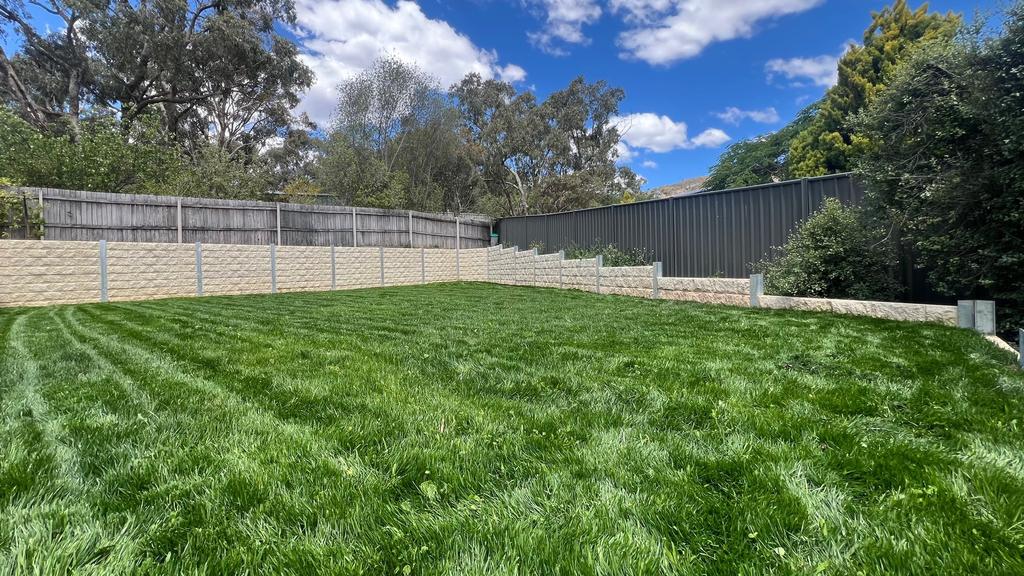
One of the first surprises for homeowners who plant Bermudagrass in Texas is the fall dormancy. The lawn that was thick and green through the entire growing season turns brown in October and stays that way until April. For homeowners moving from climates where lawns stay green year-round or from parts of the country where cool-season grasses maintain winter color the dormant brown Bermuda lawn can feel like a failure when it is actually completely normal healthy behavior.
Year-round green lawn coverage is possible in Texas. It is not automatic — it requires specific approaches that account for the seasonal biology of the grasses that perform best here. But for homeowners who prioritize green coverage through the winter months the tools to achieve it are available straightforward and used regularly by DFW homeowners throughout the metroplex.
This guide covers whether year-round coverage is right for your specific situation what the realistic approaches are for achieving it and what each approach requires in terms of timing management and ongoing commitment.
Why Bermuda goes dormant and what that means
Understanding Bermuda dormancy before trying to solve it produces better decisions than treating the brown winter lawn as a problem to be fixed without understanding what it is.
Bermudagrass is a warm-season grass whose active growth cycle is driven by warm temperatures and long days. As days shorten and temperatures drop in fall Bermuda receives the environmental signals that trigger dormancy — a survival response that allows the grass to conserve resources through winter conditions that would damage actively growing tissue. The above-ground blades stop producing chlorophyll — the pigment that makes grass green — turn brown and go dormant while the crown and root system below the surface remain alive and viable.
Dormancy is not death. The brown lawn in January is the same lawn that will be green and growing in April when soil temperatures climb back above the germination threshold. No intervention is required to produce the spring green-up — it happens naturally as conditions warrant.
For homeowners who understand this and who are comfortable with a brown lawn through the winter months no additional management is required. The Bermuda dormancy cycle is a normal healthy part of the grass's annual rhythm and accepting it eliminates the cost and management commitment that year-round green coverage requires.
For homeowners who want green coverage through winter — for curb appeal HOA compliance or personal preference — the approaches described below produce that result.
Approach one: Ryegrass overseeding for winter color on Bermuda
Ryegrass overseeding is the most widely used approach for maintaining winter green coverage on Bermuda lawns in the DFW area. It is the standard practice across the metroplex for homeowners who want a green front lawn through the winter months and it produces reliable results when executed with appropriate timing.
The approach involves seeding annual or perennial Ryegrass over the dormant Bermuda in fall — typically in October as the Bermuda goes brown — to provide green coverage through the winter months. Ryegrass is a cool-season grass that germinates quickly in cool fall soil temperatures produces active growth through the winter months and then naturally fades as the Bermuda resumes growth in spring.
The timing for Ryegrass overseeding in the DFW area is soil temperature based — apply when soil temperatures at the two-inch depth drop consistently into the 50 to 65 degree range. In most North Texas years this window falls in mid to late September through October. Overseeding too early in warm September soil produces poor germination. Overseeding in November risks cold temperatures interrupting establishment before adequate coverage develops.
The application process for Ryegrass overseeding on an existing Bermuda lawn is straightforward. Scalp mow the Bermuda short — down to one inch or lower — before applying the Ryegrass seed. This removes the dense Bermuda canopy that would prevent Ryegrass seed from reaching the soil surface. Apply the Ryegrass seed at the recommended rate — broadcast spreading over the scalp-mowed surface. Water two to three times daily for the first seven to ten days until germination establishes then transition to a normal fall watering schedule.
Hydroseeding the Ryegrass overseeding application produces more reliable germination and more even coverage than broadcast seeding on the same scalp-mowed surface. The slurry delivers seed in consistent soil contact with moisture-retaining mulch protection — addressing the seed-to-soil contact variability that makes broadcast Ryegrass overseeding inconsistent in some years.
The Ryegrass fades naturally in spring as Bermuda resumes growth. The transition from Ryegrass to Bermuda happens without intervention — the warming temperatures that activate Bermuda growth also stress the cool-season Ryegrass which gradually gives way as the Bermuda takes over through April and May.
Approach two: Tall Fescue for permanent year-round coverage in shaded sections
For sections of the yard that receive inadequate sun for Bermuda — shaded sections under mature trees along north-facing fence lines or in the shadow of structures — Tall Fescue provides year-round green coverage without the seasonal overseeding that Ryegrass requires.
Fescue stays green through North Texas winters and provides the continuous green coverage that Bermuda cannot in the shade conditions where Fescue is the appropriate grass type. In the sections of the yard where Bermuda would thin progressively regardless of management Fescue provides the permanent coverage that also happens to be green through winter.
Fescue hydroseeding for shaded sections is established in fall — the same October window as Ryegrass overseeding — in the appropriate cool-season germination conditions. The established Fescue lawn provides green coverage through winter into spring then slows through summer before resuming active growth in fall — a year-round presence in the shaded areas where it is appropriate that stays green through the months when Bermuda is dormant.
For yards with both full-sun sections and significant shaded sections the combination of Bermuda in full sun with Ryegrass overseeding for winter color and Fescue in the shaded sections provides a yard that has green coverage in every zone through every month of the year.
Approach three: accepting the dormancy and managing appearance
The third approach is not a year-round coverage solution but a legitimate option that some homeowners do not consider explicitly — accepting Bermuda dormancy and managing the winter appearance of the brown lawn to minimize its visual impact rather than fighting it with overseeding.
A scalp-mowed dormant Bermuda lawn that is kept clean of leaf litter and debris has a cleaner neater appearance than an unmaintained dormant lawn. The brown color is not avoidable but the overall appearance of the yard through winter is significantly better when the dormant lawn is maintained than when it is left to accumulate debris and develop the ragged appearance that unmaintained dormancy produces.
For homeowners without HOA appearance requirements who find the Ryegrass overseeding commitment more than they want to manage through winter this approach eliminates the overseeding cost and management while producing a winter yard appearance that is maintained and intentional rather than neglected.
The realistic commitment for year-round green coverage
Year-round green coverage on a Texas lawn through Ryegrass overseeding is achievable for most DFW homeowners who commit to the annual fall overseeding process — but it involves a real ongoing commitment that is worth understanding before deciding to pursue it.
The annual Ryegrass overseeding cycle involves scalp mowing the Bermuda in fall soil temperature monitoring for the application timing window seeding and establishment period watering management for seven to ten days and transition management in spring as Bermuda resumes growth. This cycle is repeated every fall — the Ryegrass is an annual coverage solution not a permanent grass installation.
For homeowners who want year-round coverage on the front lawn specifically the annual cycle is manageable and the visual result through winter justifies the effort for most who pursue it. For homeowners who want year-round coverage across the full yard including large backyard areas the commitment scales with the area being overseeded and the management time required reflects that scale.
What year-round coverage actually looks like
The realistic picture of year-round green lawn coverage in the DFW area through Ryegrass overseeding looks like this — a green lawn through November December January and February that transitions naturally to Bermuda green through March April and May as the overseeded Ryegrass fades and the Bermuda resumes growth.
The transition period in late March and April when Bermuda is resuming and Ryegrass is fading is the least attractive period of the annual cycle — the two grasses are transitioning at different rates and the lawn may look somewhat uneven in color and texture through this transition. Most homeowners who pursue Ryegrass overseeding accept this transition period as a few weeks of less-than-ideal appearance in exchange for the winter coverage the rest of the year produces.
By May the transition is complete — the Bermuda has taken over fully the Ryegrass has faded completely and the lawn looks like a normal healthy Bermuda lawn through the growing season.
The bottom line on year-round green coverage
Year-round green lawn coverage in Texas is possible and regularly achieved by homeowners across the DFW area through Ryegrass overseeding of Bermuda lawns in fall. The approach requires the annual October overseeding commitment and produces the green winter lawn appearance that the effort delivers.
Fescue in shaded sections provides permanent year-round green coverage in the zones where Bermuda cannot perform — eliminating the overseeding requirement in those areas while producing continuous coverage that addresses both the shade performance problem and the winter color desire simultaneously.
The decision to pursue year-round coverage is a personal preference decision that the approaches described in this guide make achievable for homeowners who want it — and that Bermuda dormancy acceptance makes unnecessary for homeowners who find the seasonal cycle acceptable.

Want to achieve year-round green coverage on your Texas lawn or establish the right grass for your specific conditions?
Fox Hydroseeding LLC handles Bermuda establishment Fescue hydroseeding and Ryegrass overseeding applications across the DFW area and personally advises every homeowner on the approach that fits their specific situation. Every estimate is handled by the owner.
Get Your Free Estimate → foxhydroseeding.com/contact
Bring Your Property to Life With Expert Hydroseeding
Find Us On


Email address

Phone Number

