


Hydroseeding cost per square foot — an honest breakdown of what to expect in Texas
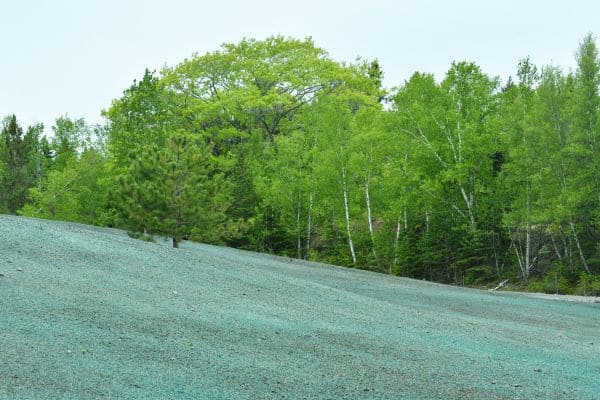
If you are budgeting for a hydroseeding project one of the first numbers you want to know is what it costs per square foot. It is a reasonable question and the answer — like most honest answers about contractor pricing — is that it depends on several variables that affect the total cost of your specific project. But that does not mean the answer is unhelpful. Understanding what drives hydroseeding pricing in the Texas market helps you evaluate quotes accurately set a realistic budget and avoid the mistakes that come from choosing based on price alone without understanding what you are comparing.
This guide gives you an honest breakdown of what hydroseeding costs per square foot in Texas what drives the price difference between quotes and how to think about the total cost of your project rather than just the per-square-foot number.
Why hydroseeding cost per square foot varies
The per-square-foot cost of hydroseeding in the Texas market is not a fixed number because the variables that affect the cost of any specific project are significant enough that two projects of identical square footage can legitimately cost different amounts. Understanding what those variables are helps you understand why you might receive different quotes for the same area and what those differences actually reflect.
Square footage itself is the most obvious variable. Larger projects have lower per-square-foot costs than smaller ones because the fixed costs of equipment mobilization setup and contractor travel time are spread across more area. A 2,000 square foot backyard application costs more per square foot than a 10,000 square foot lot application for the same type of work — the economics of equipment-based services favor larger projects.
Seed type affects material cost. Bermudagrass seed is the most commonly used and most cost-efficient option for residential hydroseeding in the DFW area. Improved turf-type Bermuda varieties premium Tall Fescue blends drought-tolerant native grass mixes and specialty seed types cost more per pound than standard Bermuda — and those material cost differences are reflected in the application price.
Mulch product selection is a significant cost variable. Standard wood fiber hydromulch is the baseline product for most residential applications. Bonded fiber matrix — the premium erosion control product required for steep slopes and permitted commercial sites — costs significantly more per application than standard mulch due to higher material costs and application rates. If your project includes BFM sections the per-square-foot cost for those sections is higher than standard mulch sections.
Site conditions affect the time and complexity of the application. A flat clear lot with good access is straightforward to cover efficiently. A property with multiple zones disconnected areas tight access points significant slopes obstacles and complex geometry takes more time and care to apply properly and the price reflects that additional complexity.
Site preparation requirements add to the total project cost. Basic debris removal and surface preparation may be included in the application price. Skid steer grading topsoil addition aeration and significant vegetation removal are typically separate services that add to the total cost beyond the per-square-foot application price.
What affects total project cost beyond per-square-foot pricing
The per-square-foot number is useful for comparing quotes at the same scale and scope but it is not the complete picture of what your project will cost. Total project cost includes the hydroseeding application plus any site preparation required and the ongoing water cost during the establishment period.
Site preparation can be a significant component of total project cost on new construction lots or properties with compaction drainage or soil quality issues that need to be addressed before hydroseeding. Skid steer grading on a large new build lot topsoil addition for a property with poor soil quality or extensive debris removal on a construction site adds to the total investment that a per-square-foot application price alone does not capture.
Establishment water cost is a real but often overlooked component of total project cost. Two to three watering sessions per day during the first two weeks adds measurably to the water bill during the establishment period — particularly for summer applications in Texas when the irrigation demand is highest. For larger lots the water cost during establishment can be meaningful relative to the application cost.
The cost of reapplication if the initial application fails is the most significant potential additional cost — and it is the cost that most dramatically changes the economics of choosing the cheapest quote without understanding what drove the lower price. A low-cost application that fails requires reapplication at full cost making the total project cost significantly higher than a quality application at a fair price that succeeds on the first attempt.
The economics of hydroseeding versus sod per square foot
The context that makes per-square-foot hydroseeding pricing most meaningful for most homeowners is the comparison to sod installation for the same area. Sod is the most direct alternative to hydroseeding for new lawn establishment and the cost difference between them is one of the primary reasons most homeowners end up choosing hydroseeding for larger lot sizes.
Sod installation in the Texas market involves material cost — the sod itself priced per pallet covering approximately 450 to 500 square feet — plus installation labor which is priced separately and represents a significant component of the total sod cost. The combined material and installation cost for sod in the DFW market is substantially higher per square foot than hydroseeding for the same area — often several times higher on larger residential lots.
For small areas the cost difference narrows because the minimum mobilization cost for professional hydroseeding equipment makes very small jobs less cost-efficient on a per-square-foot basis. For areas under approximately 1,000 square feet sod or broadcast seeding may actually be more economical than professional hydroseeding depending on the specific contractor and site conditions.
For medium to large residential lots — 3,000 square feet and above — the per-square-foot cost advantage of hydroseeding over sod is clear and represents savings that most homeowners find meaningful. On new construction lots that commonly run 5,000 to 15,000 square feet or more in the DFW area the total cost difference between hydroseeding and sod can be substantial.
Getting an accurate cost estimate for your specific project
The most reliable way to understand what your specific hydroseeding project will cost is to get a written on-site estimate from a qualified contractor who has walked your property. Per-square-foot averages and range estimates are useful for initial budgeting but they cannot account for the site-specific variables that determine the actual cost of your project.
A contractor who walks your property measures the area accurately assesses the site conditions and provides a written estimate breaking down the application cost and any site preparation requirements separately gives you the information needed to budget accurately and to compare quotes from different contractors on the same basis.
When comparing estimates make sure the specifications match — same seed type same mulch product same site preparation scope — so the price comparison reflects contractor efficiency and market positioning rather than different materials and different scopes being presented at different prices.
What a low quote usually means
A hydroseeding quote that is significantly below other quotes for the same area without a clear explanation of why deserves scrutiny before acceptance. Legitimate reasons for price differences include smaller operation overhead differences efficient scheduling that reduces mobilization cost and competitive market positioning. Concerning reasons for price differences include lower-quality seed with poor germination rates lower fiber content mulch that provides less moisture retention and erosion protection reduced application rate that spreads the slurry thinner than optimal and omitted site preparation that should be included.
The cost consequences of a lower-quality application are not always immediately visible. Standard versus low-fiber mulch looks similar on application day. The difference shows up over the following weeks as the lower-fiber mulch fails to retain adequate moisture for consistent germination — producing the patchy uneven result that leads to reapplication costs that erased the initial savings.
Asking a contractor who quotes significantly below others to explain specifically what seed variety and grade they use what mulch product and fiber content percentage their application includes and what their application rate per square foot is gives you the information to evaluate whether the lower price reflects a legitimately comparable application or a product quality reduction that explains the price difference.
The value calculation beyond per-square-foot cost
The final frame for thinking about hydroseeding cost per square foot is value rather than price — what the investment produces over the life of the lawn relative to what it cost.
A lawn established correctly through quality hydroseeding on a properly prepared surface with appropriate seed and mulch develops the deep root system that makes it resilient through Texas summers handles drought without constant intervention and holds its coverage through multiple seasons without requiring complete renovation. That durability is the return on the initial investment.
A lawn established through a low-cost application that fails or through broadcast seeding that produces thin patchy coverage requires reapplication renovation or persistent supplemental intervention to maintain acceptable coverage. The cumulative cost of those interventions over the years that a quality application would have been performing without them often exceeds the cost difference between the quality application and the cheaper alternative.
The per-square-foot number is where the budgeting conversation starts. The value of the established lawn over its productive life is where the investment decision should end.
The bottom line on hydroseeding cost per square foot in Texas
Hydroseeding costs vary based on square footage seed type mulch product site conditions and preparation requirements in ways that make any single per-square-foot number an approximation rather than a fixed price for your specific project. Getting an accurate written estimate from a contractor who has assessed your property gives you the real number for your situation.
The comparison that matters most for most Texas homeowners is not hydroseeding this contractor versus hydroseeding that contractor at different prices for apparently similar services — it is hydroseeding done right the first time versus the total cost of getting to the same result through cheaper approaches that require multiple attempts.

Want to know exactly what hydroseeding would cost for your specific property?
Fox Hydroseeding LLC provides free written on-site estimates that break down application cost and site preparation requirements separately so you know exactly what you are paying for. Every estimate is handled personally by the owner.
Get Your Free Estimate → foxhydroseeding.com/contact
Bring Your Property to Life With Expert Hydroseeding
Find Us On


Email address

Phone Number

