


Hydroseeding Buffalograss — the complete guide to establishing a low-maintenance native Texas lawn
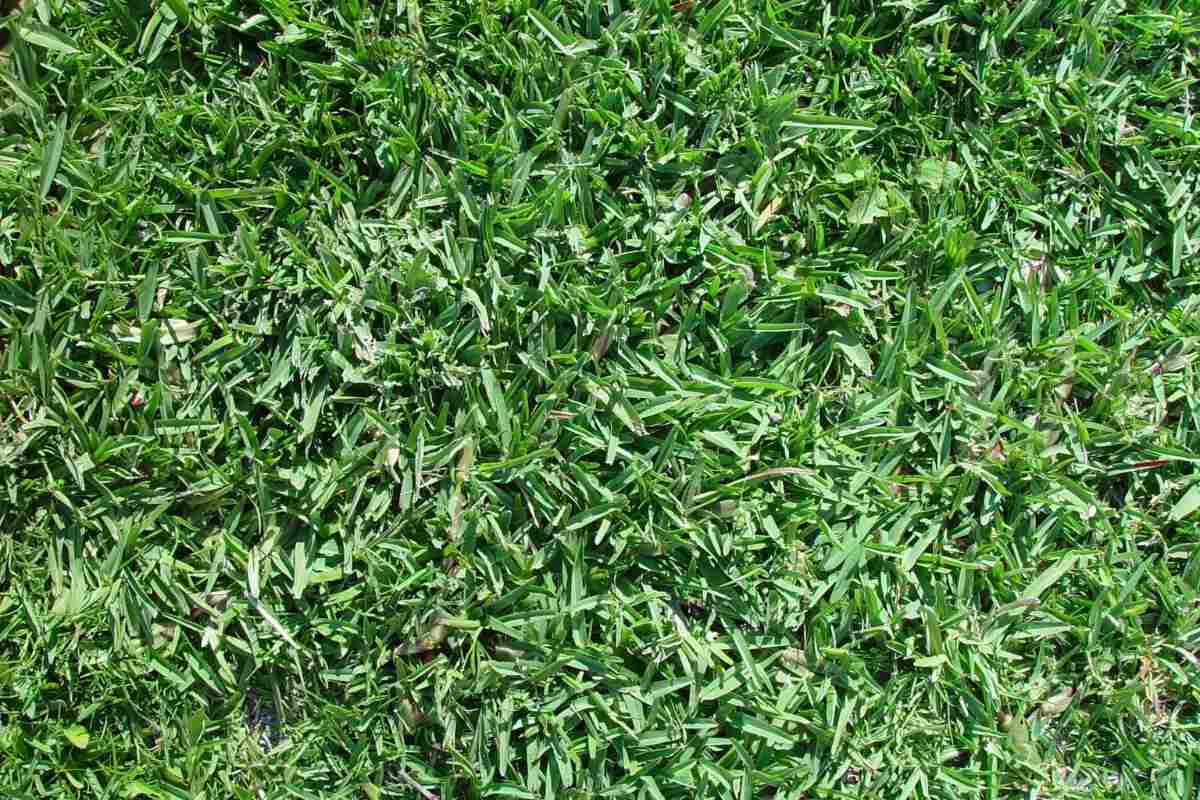
If you have been searching for a lawn grass that handles Texas summers without constant irrigation produces a natural attractive appearance and requires less mowing and maintenance than traditional turfgrasses Buffalograss deserves serious consideration. It is the original Texas lawn grass — native to the same plains and clay soils that define much of North Texas — and for the right homeowner and the right yard it produces a lawn that is genuinely adapted to the conditions here in a way that no imported grass variety can fully match.
Hydroseeding is one of the most reliable methods for establishing Buffalograss across residential and larger properties in Texas. This guide covers everything you need to know about Buffalograss as a lawn choice what to expect from hydroseeding establishment and how to manage this distinctive grass for long-term success.
What Buffalograss is and why it works in Texas
Buffalograss is a warm-season native perennial grass that evolved on the Great Plains of North America including the prairies and grasslands of Texas. It is the grass that covered the land before development before agriculture and before the introduction of imported turfgrass varieties that now dominate residential lawns across the country.
That evolutionary history is directly relevant to how Buffalograss performs in Texas conditions. It developed over thousands of years in a climate characterized by hot summers cold winters clay soils and highly variable rainfall — exactly the conditions that define North Texas. Its physiological characteristics reflect that adaptation in ways that directly benefit a Texas homeowner.
Buffalograss has one of the deepest root systems of any turfgrass available for the DFW market. Roots commonly reach six feet or more into the soil profile — depths that allow the grass to access moisture and nutrients far below the surface zone that most shallow-rooted grasses depend on. This root depth is the primary mechanism behind its exceptional drought tolerance and it is developed naturally through the growth habit of the plant rather than requiring specific management practices to achieve.
Buffalograss is genuinely drought tolerant in a way that is different from drought tolerant marketing language applied to conventional turfgrasses. Established Buffalograss survives on natural rainfall alone in most Texas years without supplemental irrigation. During extended drought it goes dormant rather than dying — turning tan or golden brown and then greening back up when moisture returns. This is the same survival mechanism that allowed the Great Plains grasslands to survive decade-long droughts over thousands of years.
The grass produces a fine-textured blue-green turf that grows low — typically four to six inches at full height unmowed — with a soft natural appearance that is distinctly different from the dense uniform look of a Bermuda or Fescue lawn. For homeowners who value the natural aesthetic of a native landscape it is a distinctive and appealing appearance. For homeowners who want a traditional manicured lawn appearance it may not satisfy that expectation.
Who should consider Buffalograss
Buffalograss is not the right grass for every yard or every homeowner. Understanding who it suits well and who it does not helps you make an honest decision before investing in establishment.
Buffalograss is an excellent choice for homeowners who want to meaningfully reduce irrigation costs and water usage. Once established it requires essentially no supplemental irrigation in most Texas years making the long-term water savings significant compared to Bermuda or Fescue alternatives that require regular irrigation through the growing season.
Homeowners with large lots or acreage where irrigating the full area is impractical or cost-prohibitive benefit from Buffalograss more than those with small easily irrigated yards. The drought independence of established Buffalograss makes it practical for areas where irrigation infrastructure does not exist or would be expensive to install.
Homeowners interested in native landscaping habitat value and ecological connection to the Texas landscape find Buffalograss appealing for reasons beyond just the practical water savings. It supports native insects pollinators and wildlife in ways that conventional turfgrasses do not.
Homeowners who can accept a different appearance from traditional turf — lower growing more naturalistic tan in winter rather than dormant-brown like Bermuda — are better suited to Buffalograss than those who want a lawn that looks like a golf course year-round.
Buffalograss is not the right choice for shaded yards. It requires full sun — at least six to eight hours of direct sunlight per day — to thrive and will thin out in shade just as Bermuda does. For shaded areas Tall Fescue remains the appropriate alternative.
It is also not ideal for very high-traffic lawn areas. Buffalograss is moderately traffic-tolerant but it does not match the wear resistance of aggressive Bermuda varieties under heavy regular use. For families with kids and dogs who heavily use the yard Bermuda is typically the more durable choice.
The best time to hydroseed Buffalograss in Texas
Buffalograss is a warm-season grass that germinates best in warm soil temperatures — similar to Bermudagrass but with a slightly slower germination rate that makes timing even more important.
Late spring — May through early June — is the optimal window for Buffalograss hydroseeding in the DFW area. Soil temperatures by May are reliably in the 65 to 75 degree range that Buffalograss germinates in and the warm conditions through summer support the active growth period the grass needs to develop root depth before fall dormancy.
April can work for Buffalograss establishment in warmer years when soil temperatures are reliably above 65 degrees but the slightly cooler conditions compared to May produce slower germination that extends the establishment window. For a grass that already germinates more slowly than Bermuda starting earlier than optimal does not necessarily produce faster results — it just extends the period of waiting for conditions to align.
Summer applications in June and July are viable for Buffalograss and the warm soil temperatures of midsummer are favorable for germination when watering is consistent. The trade-off is the same as any summer Texas seeding — more intensive irrigation management during the establishment window.
Fall is not the recommended window for Buffalograss establishment in North Texas. The grass needs the warm soil temperature conditions of late spring and summer to germinate and the cooling conditions of fall work against reliable germination and establishment before winter dormancy.
Seed selection and what to know about Buffalograss varieties
Buffalograss is available in both seeded and vegetative forms. Hydroseeding uses the seeded form — specifically treated Buffalograss seed designed for germination reliability. One characteristic of Buffalograss seed worth understanding is that untreated seed has low germination rates due to a natural dormancy mechanism. Quality Buffalograss seed used in professional hydroseeding applications has been treated to break that dormancy and improve germination rates significantly.
When working with a hydroseeding contractor for a Buffalograss application ask specifically about the seed source and whether it is treated seed. Untreated Buffalograss seed produces unpredictable germination results that can look like a product failure when they are actually a seed quality issue.
Several improved Buffalograss varieties have been developed for residential lawn use that offer improvements over common Buffalograss in specific performance characteristics. Improved varieties vary in density color heat tolerance and traffic tolerance. Your hydroseeding contractor should be familiar with the varieties available in the Texas market and make a recommendation based on your specific conditions and priorities.
Site preparation for Buffalograss hydroseeding
Buffalograss is adapted to the clay soils of North Texas and does not require the kind of extensive soil amendment that imported turfgrass varieties sometimes need to perform in native conditions. However it still benefits from proper site preparation that creates the conditions for reliable germination and establishment.
Weed management before a Buffalograss application is particularly important because Buffalograss establishes more slowly than Bermuda and is more vulnerable to being outcompeted by weeds and undesirable grasses during the extended establishment window. If your site has significant existing vegetation — weedy grasses broadleaf weeds or any grass other than what you want — killing or removing that vegetation before hydroseeding gives the Buffalograss seed the best competitive advantage during establishment.
A non-selective herbicide applied two to three weeks before the hydroseeding application kills existing vegetation and gives it time to die back completely before the application date. Confirm with your contractor the appropriate timing relative to your scheduled application date. Applying Buffalograss seed into an area with active competing vegetation is one of the most reliable ways to get a disappointing establishment result.
Surface preparation for a Buffalograss application follows the same principles as any hydroseeding project — smooth even grade good seed-to-soil contact no significant debris or obstacles in the surface layer. On new construction lots the full site prep process that any new build project requires is appropriate before a Buffalograss application.
Unlike Bermuda which benefits from high soil fertility for its dense growth habit Buffalograss is actually adapted to lower-fertility soils and does not require or benefit from heavy fertilization either during establishment or in long-term maintenance. Excessive nitrogen application encourages weedy grasses and broad-leaved weeds that compete with Buffalograss more effectively in high-fertility conditions.
What to expect from Buffalograss germination
Honest expectations about Buffalograss germination are important because it is slower than Bermuda and homeowners who expect Bermuda-speed results from a Buffalograss application set themselves up for unnecessary concern.
Under good conditions with treated seed and appropriate soil temperatures first germination from a Buffalograss hydroseeding application typically appears in ten to fourteen days — roughly a week slower than Bermuda in comparable conditions. Full coverage development takes five to eight weeks rather than the three to four weeks typical of Bermuda establishment.
The slower establishment pace is not a sign of a problem — it is characteristic of the species. Buffalograss invests more energy in root development relative to top growth compared to aggressive grasses like Bermuda which is part of why its root system eventually reaches such impressive depths. The patience required during establishment is the front end of the investment in a lawn that provides years of low-maintenance drought-tolerant performance.
Watering during Buffalograss establishment follows the same general approach as any hydroseeding project — consistent surface moisture during the germination window transitioning to deeper less frequent sessions as establishment progresses. Because Buffalograss establishment takes longer than Bermuda the consistent watering phase extends accordingly — plan for five to six weeks of attentive irrigation management rather than the three to four weeks a Bermuda application requires.
Long-term care for an established Buffalograss lawn
One of the most appealing aspects of Buffalograss is how dramatically the maintenance requirements change after establishment compared to the establishment period itself. The intensive watering of establishment gives way to a long-term program that is genuinely low-maintenance by comparison with any conventional turfgrass.
Irrigation for an established Buffalograss lawn in Texas is primarily supplemental — filling in the gaps during extended dry periods rather than providing the regular base irrigation that Bermuda and Fescue require. In most North Texas years an established Buffalograss lawn gets by on natural rainfall with occasional supplemental watering during the driest stretches. During severe drought years occasional deep watering sessions maintain the crown and root system without requiring the twice or three-times-weekly schedule that conventional turfgrasses need.
Mowing frequency for Buffalograss is significantly lower than for Bermuda or Fescue. Left unmowed Buffalograss naturally reaches four to six inches and stops — it does not keep growing like conventional turfgrasses that require weekly mowing through the growing season. Many Buffalograss lawn owners mow once every three to four weeks during the growing season or even less if the natural low-growing appearance is acceptable. The reduced mowing requirement is a meaningful practical benefit for homeowners who manage their own lawn care.
Fertilization for established Buffalograss is minimal compared to conventional turfgrasses. Heavy nitrogen fertilization is actually counterproductive for Buffalograss — it encourages weed competition and disrupts the natural growth habit of a grass adapted to lower-fertility soils. A light application of balanced fertilizer in late spring is typically all that an established Buffalograss lawn needs in most years.
Weed management for established Buffalograss is the area that requires the most ongoing attention. Because Buffalograss does not produce the dense canopy of aggressive Bermuda it is more susceptible to weed invasion — particularly from broadleaf weeds and annual grassy weeds — than a thick Bermuda lawn. Pre-emergent herbicide applications in spring and fall combined with post-emergent spot treatment of broadleaf weeds as needed keeps weed pressure manageable in most established Buffalograss lawns.
What a Buffalograss lawn looks like through the seasons
Managing expectations about seasonal appearance is important for homeowners considering Buffalograss because the seasonal cycle looks different from conventional turfgrasses in ways that are worth knowing in advance.
Spring green-up in Buffalograss occurs later than Bermuda. While Bermuda begins showing green growth in March as soil temperatures climb Buffalograss typically begins actively greening up in April or May — after Bermuda is already in its peak spring growth. For homeowners who are comparing their Buffalograss lawn to a neighbor's Bermuda lawn in early spring the delayed green-up can look like a problem when it is simply the natural timing of the species.
Summer is when Buffalograss looks its best — blue-green fine-textured and actively growing through the conditions that stress most other grasses. The peak appearance of a healthy established Buffalograss lawn in June July and August is one of the most visually distinctive and attractive lawn appearances available for a full-sun Texas yard.
Fall brings a gradual transition to dormancy as temperatures cool and day length shortens. Buffalograss turns tan or golden-brown as it goes dormant — a color that some homeowners find attractive in a natural prairie aesthetic and others find less appealing than the brown dormancy of Bermuda. The dormancy color and timing are part of the natural character of a native grass and are not a sign of stress or disease.
Winter dormancy for Buffalograss in the DFW area is similar to Bermuda — the grass is dormant and tan or brown but alive underground with the root system maintained through even cold periods. Normal DFW winter temperatures do not damage established Buffalograss.
The bottom line on Buffalograss hydroseeding
Buffalograss hydroseeding in Texas is the right choice for homeowners who want a genuinely low-water low-maintenance lawn that is adapted to North Texas conditions at a level that no imported grass variety can match. The establishment process requires patience — slower germination longer coverage development and more extended watering commitment than Bermuda — but the payoff is a lawn that after the first growing season requires a fraction of the ongoing resources of conventional turf.
The keys to a successful Buffalograss establishment are treated seed of appropriate variety thorough weed management before the application appropriate seasonal timing in late spring the patient watering approach the extended establishment window requires and realistic expectations about the appearance and seasonal cycle of a native grass that behaves differently from the conventional lawn grasses most homeowners have experience with.
Get those elements right and Buffalograss delivers on everything it promises — a lawn that handles Texas on its own terms.

Interested in a low-maintenance Buffalograss lawn that handles Texas summers without constant irrigation?
Fox Hydroseeding LLC handles Buffalograss hydroseeding across the DFW area and walks every homeowner through the variety selection timing and establishment expectations before any work begins. Every estimate is handled personally by the owner.
Get Your Free Estimate → foxhydroseeding.com/contact
Bring Your Property to Life With Expert Hydroseeding
Find Us On


Email address

Phone Number

