


How to prepare your yard for hydroseeding — a complete homeowner's checklist
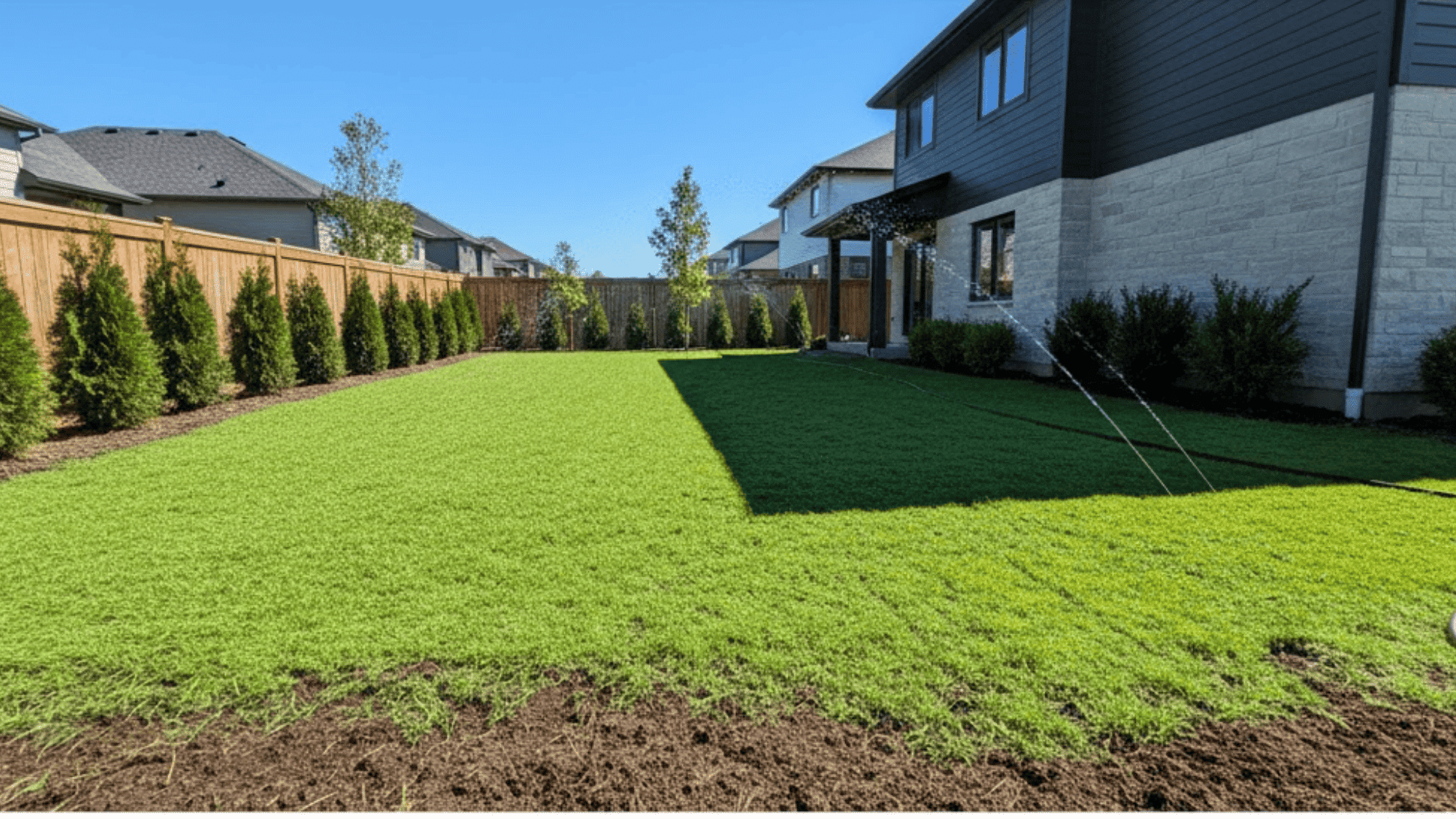
The hydroseeding application itself takes a few hours. The preparation that happens before the contractor arrives determines whether those hours produce the thick even lawn you are expecting or the patchy disappointing result that sends homeowners back to the drawing board. Most hydroseeding failures trace back to preparation that was skipped rushed or done incorrectly — not to the application itself.
This guide gives you a complete practical checklist of everything you need to do before your hydroseeding appointment so your lawn gets the best possible start from day one.
Why preparation matters more than most homeowners realize
Hydroseeding puts seed mulch and fertilizer on the surface of your soil. Everything that happens after application depends on what that surface looks like and what is underneath it. Seed needs direct contact with workable soil to germinate reliably. Roots need loose uncompacted ground to penetrate after germination. The slurry needs a clean smooth surface to bond to evenly.
When the surface has debris in it the seed-to-soil contact is inconsistent and germination is patchy. When the soil is heavily compacted roots cannot penetrate and the grass stays shallow and weak. When the grade has significant low spots water pools and seed rots. When competing vegetation is not cleared it competes with new seedlings for moisture and nutrients from the first day.
Preparation eliminates all of these problems before they start. An hour or two of prep work before your hydroseeding appointment can make the difference between a lawn that establishes in four weeks and one that never fully comes in.
Step one: clear the entire area to be seeded
The first thing to do is walk the entire area that will be hydroseeded and remove everything that does not belong there. This means rocks and stones of any significant size, construction debris including concrete chunks wire and wood scraps, old landscaping material like edging stones and buried plastic, dead vegetation and root masses from removed plants, and any other obstacles that would interrupt even coverage or interfere with future mowing.
On new construction lots in the DFW area this step is particularly important. Construction activity leaves behind a remarkable variety of debris mixed into the surface soil layer — material that is not always obvious until you walk the yard carefully and look for it. Take the time to do a thorough walkthrough and remove anything that should not be there.
For established yards being renovated rather than new construction lots, clearing means removing dead grass clumps, thatch buildup, and any material that would prevent the slurry from reaching the soil surface. If the yard has significant thatch — a dense mat of dead organic material between the soil surface and the living grass — dethatching before hydroseeding dramatically improves seed-to-soil contact.
Step two: address grading and drainage issues
Walk your yard after a rain or run your hose across it and watch where water goes. Low spots that collect and hold water create problems for hydroseeding — pooled water displaces the slurry, waterlogged soil rots seed before it germinates, and standing water after rain damages young seedlings during establishment. High spots dry out faster than surrounding areas and require more intensive watering management.
Significant grading problems — low spots that pool several inches of water, areas that slope toward the house foundation, or terrain that is severely uneven across the seeded area — should be addressed before the hydroseeder arrives. Depending on the severity, this may mean renting a landscape rake and doing light grading yourself or scheduling skid steer prep with your hydroseeding contractor if the grading work is beyond what hand tools can address.
For most standard residential yards without severe grading issues, the contractor will handle minor surface leveling as part of the application process. But significant drainage problems are your responsibility to identify and flag before the estimate so they can be addressed properly rather than discovered on application day.
Step three: deal with existing vegetation
What is currently growing in your yard — or what used to be growing there — affects what needs to happen before hydroseeding.
For yards with existing lawn that is being renovated rather than replaced entirely, the approach depends on the condition of what is there. If the existing grass is thin but still living and you are overseeding to thicken it, mow it short — down to about one inch — and dethatch if thatch buildup is present. This opens up the canopy and allows the new seed to reach the soil surface rather than sitting on top of existing vegetation.
If the existing lawn is dead, severely weedy, or being completely replaced, kill or remove the existing vegetation before hydroseeding. Hydroseeding over living weeds or undesirable grass gives those plants a moisture-rich environment to grow faster while competing with your new seedlings from the first day. A non-selective herbicide applied two to three weeks before hydroseeding kills existing vegetation and gives it time to die back before the application. Confirm with your contractor what timing is appropriate for vegetation control relative to your scheduled application date.
For new construction lots with no existing vegetation, this step focuses on clearing any pioneer weeds or annual grasses that have established on the disturbed soil since grading was completed.
Step four: test and improve your soil if needed
Soil quality is one of the most overlooked preparation steps and one of the most impactful. In the DFW area where heavy clay soil and new construction stripping are both common, spending a few minutes understanding your soil condition before hydroseeding can save you significant frustration after it.
A basic soil test — available through local extension offices or garden centers in the DFW area — tells you your soil pH and basic nutrient levels. Grass grows best in soil with a pH between 6.0 and 7.0. North Texas clay soil can be alkaline, running above that range, which limits nutrient availability even when fertilizer is applied. Knowing your pH before hydroseeding allows your contractor to include appropriate amendments in the slurry mix.
Even without a formal soil test, you can assess your soil condition by feel and observation. Very hard compacted soil that does not give underfoot needs aeration or mechanical loosening before hydroseeding. Soil that is grey and sticky with no visible organic matter may benefit from topsoil addition. Soil that drains poorly and stays wet after rain needs drainage correction before seeding.
If topsoil is needed based on your assessment, add and incorporate it before the hydroseeding application — not after. Adding topsoil on top of a fresh hydroseed application buries the seed and disrupts the mulch layer.
Step five: aerate compacted areas
If your soil is compacted — common on new construction lots, high traffic areas, and yards that have been neglected for years in the DFW area — aerating before hydroseeding significantly improves results. Core aeration removes small plugs of soil across the surface, opening up pore space for air water and nutrients and creating channels for young roots to penetrate after germination.
Aeration before hydroseeding is particularly valuable on new construction lots where equipment traffic has compressed the subsoil and on established yards being renovated where years of surface compaction have reduced the soil structure. The open channels created by aeration also improve seed-to-soil contact by giving the slurry physical pockets to settle into rather than sitting entirely on a hard flat surface.
Aerating the day before or the morning of your hydroseeding appointment gives the best results — the channels are open and the soil is loosened at the time the slurry is applied.
Step six: install or verify irrigation before the application
Consistent watering during the first two to four weeks after hydroseeding is non-negotiable. If you have an irrigation system, verify that it is operational, properly zoned to cover the entire area being hydroseeded, and set to run on the frequency your contractor recommends before the application day.
If you do not have an irrigation system, plan your manual watering approach before the contractor arrives — not after. Know where your hose connections are, confirm you have enough hose coverage to reach the entire seeded area, and consider whether a sprinkler attachment will provide adequate coverage or whether hand watering will be required in some areas.
If you are planning to install irrigation and hydroseed in the same project, discuss the sequencing with your contractor. Irrigation installation after hydroseeding can damage a fresh application if it requires digging or trenching in the seeded area. Ideally irrigation is installed and tested before the hydroseed application so the system is ready to run immediately after the contractor leaves.
Step seven: plan for the establishment period
Preparation is not only about the physical condition of the yard — it also means preparing yourself and your household for the establishment period that follows the application.
Think through foot traffic before your application date. Identify whether there are regular paths across your yard — the route to a back gate, the way kids get to a play structure, the path the dog uses to reach the yard from the house — and plan how to redirect those paths during the three to four week establishment period. Temporary fencing, signage, or simply communicating with your household about staying off the lawn goes a long way toward protecting the investment.
Plan for pet management during establishment. Dogs in particular can cause significant damage to a freshly hydroseeded lawn — both through foot traffic and through urine that burns young grass before the root system is established enough to recover. If you have dogs plan where they will go during the establishment window and how you will keep them off the seeded area.
If you are scheduling a hydroseeding project during a period when you will be traveling or away from home for multiple days during the germination window, either delay the project or arrange for someone to manage the watering schedule in your absence. Missing watering days during the first two weeks in Texas conditions is one of the most reliable ways to get a disappointing result from an otherwise well-executed application.
Step eight: communicate clearly with your contractor
The final preparation step is a conversation rather than a physical task. Before your application date confirm with your contractor exactly what site prep they expect you to have completed and what they will handle themselves on application day. Different contractors have different expectations about what the homeowner should do versus what is included in the service — knowing this in advance prevents the misunderstanding of a contractor arriving to a yard that is not ready.
Confirm the application date and any weather-related contingency plans. Hydroseeding applications are weather dependent and a good contractor will reschedule rather than apply in conditions that compromise the result — confirm how that communication will happen if the weather does not cooperate on your scheduled date.
Ask your contractor to walk through the aftercare expectations with you on application day before they leave — watering schedule specifics, what normal germination looks like for your specific seed type, when to expect the first mow, and what to contact them about if something looks wrong. A contractor who is willing to spend ten minutes on that conversation before leaving is one who stands behind their work.
Your preparation checklist at a glance
Clear all debris rocks and construction material from the seeded area. Address significant grading and drainage issues before application day. Remove or kill existing vegetation that competes with new seed. Test soil condition and add topsoil or amendments where needed. Aerate compacted areas the day before or morning of the application. Verify irrigation coverage and operation before the contractor arrives. Plan for foot traffic and pet management during the establishment period. Confirm preparation expectations with your contractor before application day.
The bottom line on yard preparation for hydroseeding
A well-prepared yard makes everything that happens after the application easier and more successful. The seed germinates more reliably, the root system establishes faster, and the lawn comes in thicker and more evenly than it would on a surface that was not properly prepared.
None of the preparation steps in this guide are complicated or time-consuming. Together they take a few hours at most for a standard residential yard. Those few hours invested before your hydroseeding appointment are the best thing you can do to ensure the application delivers the lawn you are expecting.

Want to make sure your yard is ready before your hydroseeding appointment?
Fox Hydroseeding LLC walks every homeowner through site preparation expectations during the estimate so nothing is left to chance before application day. We assess your yard personally and tell you exactly what needs to happen before we arrive.
Get Your Free Estimate → foxhydroseeding.com/contact
Bring Your Property to Life With Expert Hydroseeding
Find Us On


Email address

Phone Number

