


How to maintain a hydroseeded lawn and keep it healthy long term
Getting a hydroseeded lawn established is one thing. Keeping it thick, healthy, and looking its best through the seasons is another. The good news is that a well-established hydroseeded lawn in Texas is not high maintenance — but it does require the right care at the right times. This guide covers everything you need to know to protect your investment and keep your lawn performing year after year.
The transition from establishment to maintenance
The first four to six weeks after hydroseeding are all about getting the lawn established — frequent watering, no foot traffic, careful attention to germination progress. Once the grass reaches three to four inches and you have completed your first mow, you cross a line from establishment mode into normal lawn maintenance.
That transition does not mean the lawn is bulletproof yet. The root system is still developing depth through the first full growing season, and the decisions you make in that first year have a lasting impact on how the lawn performs in years two, three, and beyond. Treating the first full season as a continuation of the establishment investment — rather than flipping a switch to neglect — sets your lawn up for long term success.
Mowing: the basics done right
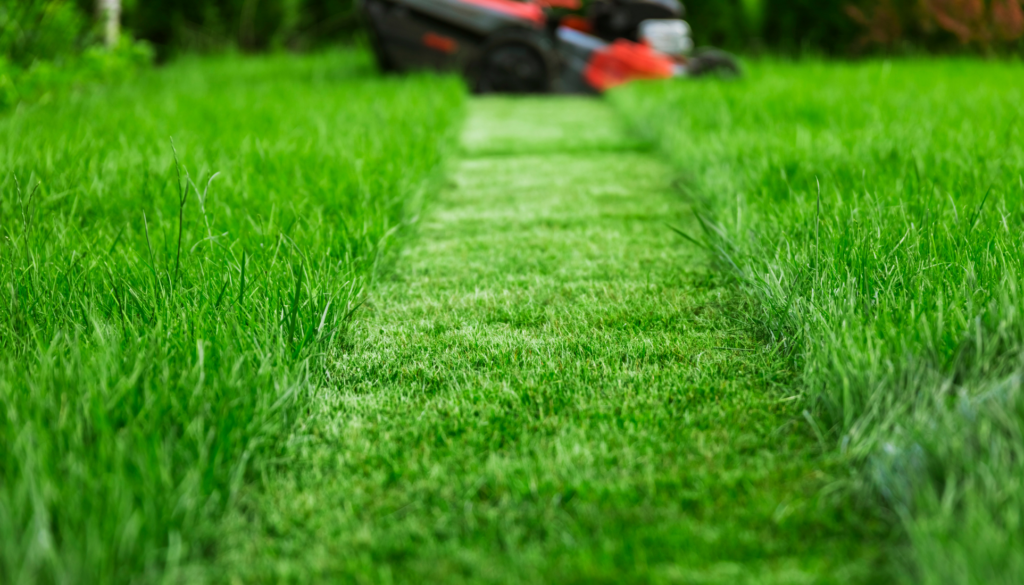
Mowing is the most frequent lawn maintenance task and the one where the most damage gets done when it is done wrong. For a hydroseeded lawn in Texas, these are the mowing fundamentals that matter.
Never cut more than one third of the grass blade height in a single mowing session. Removing too much at once stresses the grass, weakens the root system, and opens the lawn up to weed invasion and disease. If the lawn gets away from you and grows tall, bring it down gradually over several mowing sessions rather than scalping it in one pass.
Keep the mowing height appropriate for your grass type. Bermudagrass performs best mowed between one and two inches during the growing season. Tall Fescue should be kept at three to four inches. Cutting either grass type shorter than recommended weakens the turf and reduces its ability to compete with weeds and handle heat stress.
Keep your mower blade sharp. A dull blade tears grass rather than cutting it cleanly, leaving ragged tips that turn brown and create entry points for disease. Sharpen your blade at least once per season — more often on larger lawns.
Vary your mowing direction from session to session. Mowing the same direction every time causes grass to lean in one direction and can create ruts in softer soil. Alternating patterns produces more upright, even growth.
Watering: transitioning to a mature lawn schedule
Once your hydroseeded lawn is fully established, the watering strategy shifts from frequent shallow sessions to less frequent deep ones. The goal for a mature lawn is to encourage roots to grow deep into the soil — and roots follow water. If you water shallow and frequent, roots stay near the surface. If you water deep and infrequent, roots chase the moisture downward and develop the depth that makes turf resilient through drought and heat.
For established Bermudagrass lawns in the DFW area, one to two deep watering sessions per week during the growing season is typically sufficient — enough to wet the soil six to eight inches deep each time. During peak summer heat or extended dry stretches, increase frequency as needed to prevent stress and dormancy.
Water early in the morning rather than at night. Morning watering allows the grass blades to dry during the day, reducing the risk of fungal disease that develops when turf stays wet overnight. Avoid watering in the heat of the afternoon — most of it evaporates before it reaches the root zone.
Watch your lawn for signs of drought stress — a blue-grey tint to the grass, blades that fold lengthwise, or footprints that stay visible rather than bouncing back. These are signals that the lawn needs water before damage sets in.
Fertilizing: feeding your lawn at the right times
A hydroseeded lawn typically includes starter fertilizer in the slurry mix, which provides nutrients during the establishment phase. After that initial nutrition, your lawn needs regular feeding to stay thick and healthy through the growing season.
For Bermudagrass lawns in North Texas, a nitrogen-focused fertilizer program during the growing season — typically starting in late spring after green-up and running through late summer — produces the dense, dark green turf most homeowners are after. Apply fertilizer when the grass is actively growing, not during dormancy, and always water it in after application to move nutrients into the soil.
For Tall Fescue lawns, the fertilizing schedule is different. Cool-season grasses are fertilized in fall and early spring when they are actively growing — not during the summer heat when Fescue is stressed and semi-dormant. Fertilizing Fescue in midsummer encourages top growth during a period when the grass is trying to conserve energy, which weakens rather than strengthens the turf.
Avoid over-fertilizing regardless of grass type. Excessive nitrogen produces lush top growth at the expense of root development, increases disease susceptibility, and accelerates the need for mowing without producing a stronger or healthier lawn. Follow product label rates and fertilize on a schedule matched to your specific grass type and the season.
Weed control: keeping the competition out
A thick, healthy hydroseeded lawn is the best weed control available. Dense turf shades the soil surface and leaves no open space for weed seeds to germinate and establish. The best long-term weed management strategy is simply maintaining a lawn that is too thick and vigorous for weeds to compete.
That said, weeds will appear in any lawn — especially in the first year when the turf is still filling in. Understanding when and how to treat them matters.
Pre-emergent herbicides applied at the right time of year prevent weed seeds from germinating before they become a visible problem. For Bermudagrass lawns in the DFW area, a pre-emergent application in early spring before soil temperatures warm significantly helps control summer annual weeds. A fall pre-emergent application addresses winter annual weeds like henbit and chickweed.
Post-emergent herbicides treat weeds that are already growing. Always confirm that the product you are using is labeled safe for your specific grass type — some herbicides that control broadleaf weeds effectively can also damage or kill certain turf grasses if applied incorrectly.
Do not apply pre-emergent herbicides immediately before or after hydroseeding or overseeding. Pre-emergents work by preventing seed germination — they cannot distinguish between weed seeds and grass seeds.
Aeration: the maintenance step most homeowners skip
Aeration is one of the highest-value lawn maintenance practices and one of the most consistently skipped by homeowners who do not realize how much it matters. In the DFW area, where clay soil compacts readily under regular foot traffic and mowing, annual or biennial aeration is one of the best investments you can make in your lawn's long-term health.
Core aeration — mechanically removing small plugs of soil across the lawn surface — relieves compaction, opens up pore space for air and water, and creates channels for roots to penetrate deeper into the soil. The holes left by aeration also serve as entry points for topdressing materials like compost, which improves soil structure over time with repeated applications.
For Bermudagrass lawns in North Texas, aerate in late spring or early summer when the grass is actively growing and can recover quickly. For Tall Fescue, aerate in fall during the active cool-season growth window. Avoid aerating during periods of heat stress or dormancy.
Following aeration with overseeding or topdressing with quality compost amplifies the benefits significantly. The open channels allow seed and organic matter to make direct contact with loosened soil rather than sitting on the compacted surface.
Seasonal lawn care calendar for Texas homeowners
Managing a hydroseeded lawn in the DFW area through the full calendar year looks like this:
Spring — apply pre-emergent herbicide before soil temperatures warm, begin fertilizing Bermuda after green-up, aerate if needed, overseed any thin areas that did not fully establish from the original application.
Summer — maintain consistent deep watering schedule, mow regularly at appropriate height, monitor for pest and disease activity, avoid heavy fertilizer applications during peak heat.
Fall — apply pre-emergent for winter annual weeds, fertilize cool-season grasses, overseed Bermuda lawns with Ryegrass for winter color if desired, reduce watering frequency as temperatures drop.
Winter — reduce or eliminate irrigation as Bermuda goes dormant, maintain Fescue and Ryegrass with light watering during dry stretches, plan any spring renovation work that may be needed.
Dealing with seasonal challenges in North Texas
Summer heat and drought are the most consistent annual challenge for DFW lawns. Bermudagrass handles both better than most grass types, but extended drought without supplemental irrigation will push it into dormancy. A dormant lawn is not a dead lawn — it greens back up when water returns — but repeated drought stress without recovery thins turf over multiple seasons.
Winter cold snaps occasionally damage or kill Bermudagrass in North Texas on the northern edge of its climate tolerance. The severe winter storm events that have hit the DFW area in recent years have caused widespread damage to Bermuda lawns. If your lawn experienced significant winter kill, spring hydroseeding of the affected areas — after soil temperatures warm — is the most effective recovery method.
Spring and fall bring the heaviest weed pressure in North Texas. Staying on top of pre-emergent timing and maintaining turf density through appropriate mowing, watering, and fertilizing practices is the most effective defense.
The bottom line on long term hydroseeding lawn maintenance
A hydroseeded lawn that was established correctly and maintained well becomes one of the most resilient, cost-effective home improvements you can make. The grass is naturally rooted in your specific soil, built to handle your local conditions, and — with the right seasonal care — gets thicker and healthier over time rather than declining.
The maintenance is not complicated. Mow correctly and consistently. Water deep and infrequent once established. Fertilize on a schedule matched to your grass type and the season. Aerate annually. Stay ahead of weeds with pre-emergent timing. Address problems when they are small rather than waiting until they are large.
Do those things and the lawn you invested in establishing will pay dividends for years.

Have questions about maintaining your hydroseeded lawn?
Fox Hydroseeding LLC is owner-operated and available to answer maintenance questions for every lawn we establish. We do not disappear after the application — we are here when you need guidance.
Get Your Free Estimate → foxhydroseeding.com/contact
Bring Your Property to Life With Expert Hydroseeding
Find Us On


Email address

Phone Number

