


How to get a thick, green lawn fast — what actually works and what does not
Every homeowner with a bare yard wants the same thing — grass, and as fast as possible. Whether you just finished a construction project, moved into a new build, or are starting fresh after a rough summer, the question is always the same: what is the fastest way to get a thick, green lawn established in Texas?
This guide breaks down your real options, what to expect from each one, and why some methods work far better than others in the Texas climate.
Why growing grass in Texas is different
Texas is not an easy state for establishing a lawn from scratch. The summers are long and brutal, the soil in most of the DFW area is heavy clay that compacts easily, and the weather swings between dry stretches and intense rain events that can wash seed away before it ever germinates.
Any approach to growing grass fast in Texas has to account for these conditions. A method that works in the Pacific Northwest or the Midwest may fail completely in North Texas if the timing, seed selection, or site prep are not right for this specific climate.
Option 1: broadcast seeding
Broadcast seeding — throwing seed across bare soil by hand or with a spreader — is the cheapest upfront option and the least effective in Texas conditions. Bare seed on the surface is exposed to everything: wind, heat, birds, and heavy rain. Without a protective layer holding it in place and retaining moisture, germination rates in Texas are unpredictable and often disappointing.
On a flat, well-prepared surface with consistent irrigation and favorable weather, broadcast seeding can work. But in the DFW area during summer heat or on any property with even a slight grade, broadcast seeding is a gamble. Most homeowners who try it end up with patchy, uneven results and have to reseed multiple times before getting acceptable coverage.
If you want grass fast, broadcast seeding is rarely the fastest route when you factor in failed attempts and reseeding costs.
Option 2: sod
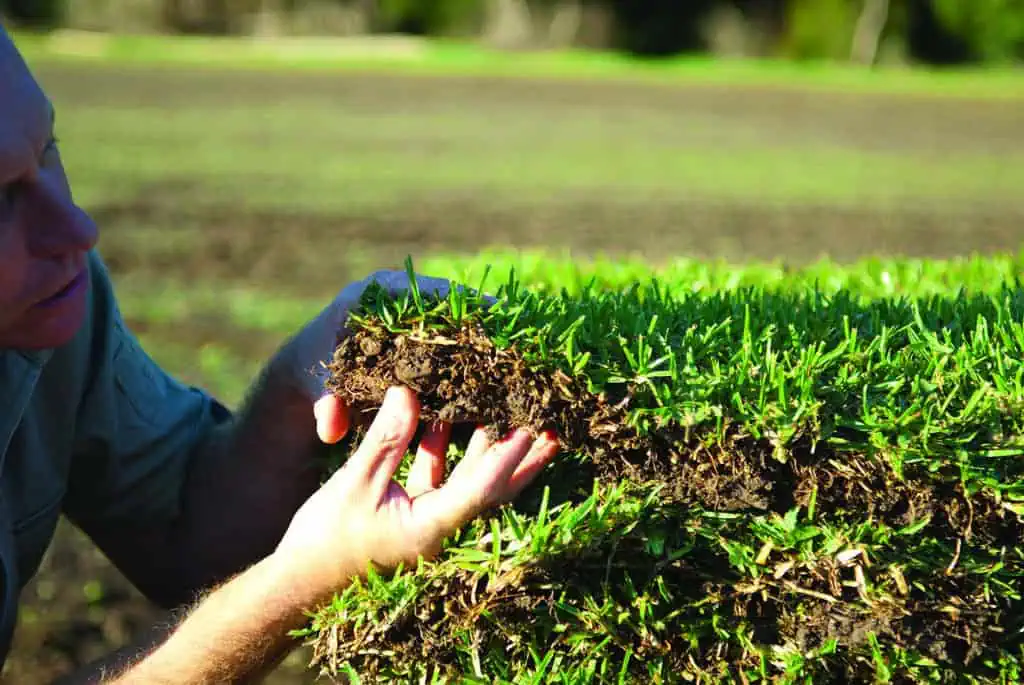
Sod is the fastest way to get a finished-looking lawn. It goes down in a day and looks green within a week. If speed is the absolute top priority and budget is not a concern, sod gets the job done.
The trade-offs are real, though. Sod is significantly more expensive than any seeding method — especially on larger lots common in the DFW area. The grass is transplanted from a farm, which means the root system has to re-establish itself in your specific soil conditions after installation. On heavy North Texas clay, that transition can be slow and uneven if not managed carefully.
Sod also limits your grass variety options to whatever the farm grew. If your yard has a mix of sun and shade, or if you want a specific variety suited to your soil type, sod may not give you the flexibility you need.
Option 3: hydroseeding
Hydroseeding is the fastest seeding method available — and for most Texas homeowners, it delivers the best combination of speed, cost, and long-term results.
The hydroseed slurry — a mix of seed, fiber mulch, fertilizer, tackifier, and water — is sprayed directly onto prepared soil. The mulch layer immediately goes to work protecting the seed from heat, wind, and erosion while locking in moisture around each seed. This is what separates hydroseeding from broadcast seeding and why germination results in Texas are so much more reliable.
In the DFW area under proper watering conditions, hydroseeded lawns typically show sprouts within five to seven days. Most properties reach solid coverage within three to four weeks. That is not as instant as sod, but it is dramatically faster and more reliable than broadcast seeding — at a fraction of the cost of sod on larger areas.
The real secret to a thick lawn fast: site preparation
No matter which method you choose, site preparation is what separates a thick, even lawn from a patchy, disappointing one. This is the step most homeowners skip or underestimate — and it is where most lawn establishment failures actually begin.
Before any seed goes down, the soil needs to be properly graded, loosened, and cleared of debris. In the DFW area, this often means breaking up compacted clay, removing construction debris from new build lots, and in some cases adding topsoil or soil amendments to give seed a better medium to germinate in.
Skipping site prep and going straight to seeding is one of the most common mistakes homeowners and even some contractors make. A well-prepared seed bed with hydroseeding will outperform a poorly prepared seed bed with sod every single time.
Seed selection: matching the grass to your yard
Getting a thick lawn fast in Texas also depends on choosing the right seed for your specific conditions. Planting the wrong grass variety for your sun exposure, soil type, or intended use is a guaranteed way to slow your results.
For full-sun yards in the DFW area, Bermudagrass is the go-to warm-season option. It germinates aggressively in heat, handles drought well once established, and produces dense coverage that holds up to foot traffic.
For shaded areas or properties where year-round color matters, Tall Fescue performs well in North Texas and handles the cooler months better than Bermuda.
For homeowners who want a lower-maintenance option that handles dry summers well, native grasses like Buffalograss are worth considering — though establishment takes a little longer.
The right hydroseeding contractor will assess your yard and recommend the seed mix that gives you the fastest, thickest results for your specific conditions — not just a one-size-fits-all generic blend.
Timing: when you seed matters as much as how
In Texas, timing your lawn establishment project correctly can cut weeks off your timeline. Warm-season grasses like Bermuda germinate fastest when soil temperatures are consistently above 65 degrees Fahrenheit — typically from late March through August in the DFW area.
Seeding too early in the spring, when soil temperatures are still cool, slows germination significantly. Seeding in the peak of summer requires more aggressive watering but produces fast results when managed correctly. Fall is the best window for cool-season grasses and Fescue blends.
The fastest results come from matching the right seed to the right season — something a knowledgeable hydroseeding contractor will factor into their recommendation before any work begins.
Watering: the one thing you cannot skip
Once your lawn is seeded — especially with hydroseeding — consistent watering is the single biggest factor in how fast and how thick your grass comes in. In Texas, this means watering two to three times per day during the first two weeks, keeping the seed bed consistently moist without oversaturating it.
Missing even a day or two of watering during the germination window in Texas heat can stall growth and create the patchy, uneven results most homeowners are trying to avoid. If you travel frequently or do not have an irrigation system in place, plan your seeding project around a stretch of time when you can commit to the watering schedule.
What to realistically expect
Getting a thick green lawn fast in Texas is absolutely achievable — but fast is relative. With hydroseeding and proper aftercare, most DFW homeowners go from bare dirt to solid grass coverage in three to four weeks. That is genuinely fast for natural grass establishment.
Expecting a fully mature, lush lawn in under two weeks without sod is not realistic regardless of the method. But three to four weeks with hydroseeding, done right, gets you a lawn that is not just green on the surface but properly rooted and built to handle a Texas summer.
The bottom line
If you want a thick green lawn fast in Texas, hydroseeding gives you the best combination of speed, reliability, and value. It outperforms broadcast seeding in almost every condition, costs far less than sod on larger lots, and produces a lawn that roots deeper and holds up longer over time.
The keys are proper site preparation, the right seed selection for your yard, smart timing, and a committed watering schedule in the weeks after application. Get those four things right and you will have the lawn you are looking for.

Ready to get your lawn started the right way?
Fox Hydroseeding LLC is owner-operated and personally handles every estimate. We assess your property, recommend the right seed mix for your conditions, and give you a clear written quote before any work begins.
Get Your Free Estimate → foxhydroseeding.com/contact
Bring Your Property to Life With Expert Hydroseeding
Find Us On


Email address

Phone Number

