


How to fix a patchy, thin lawn — what causes it and what actually works
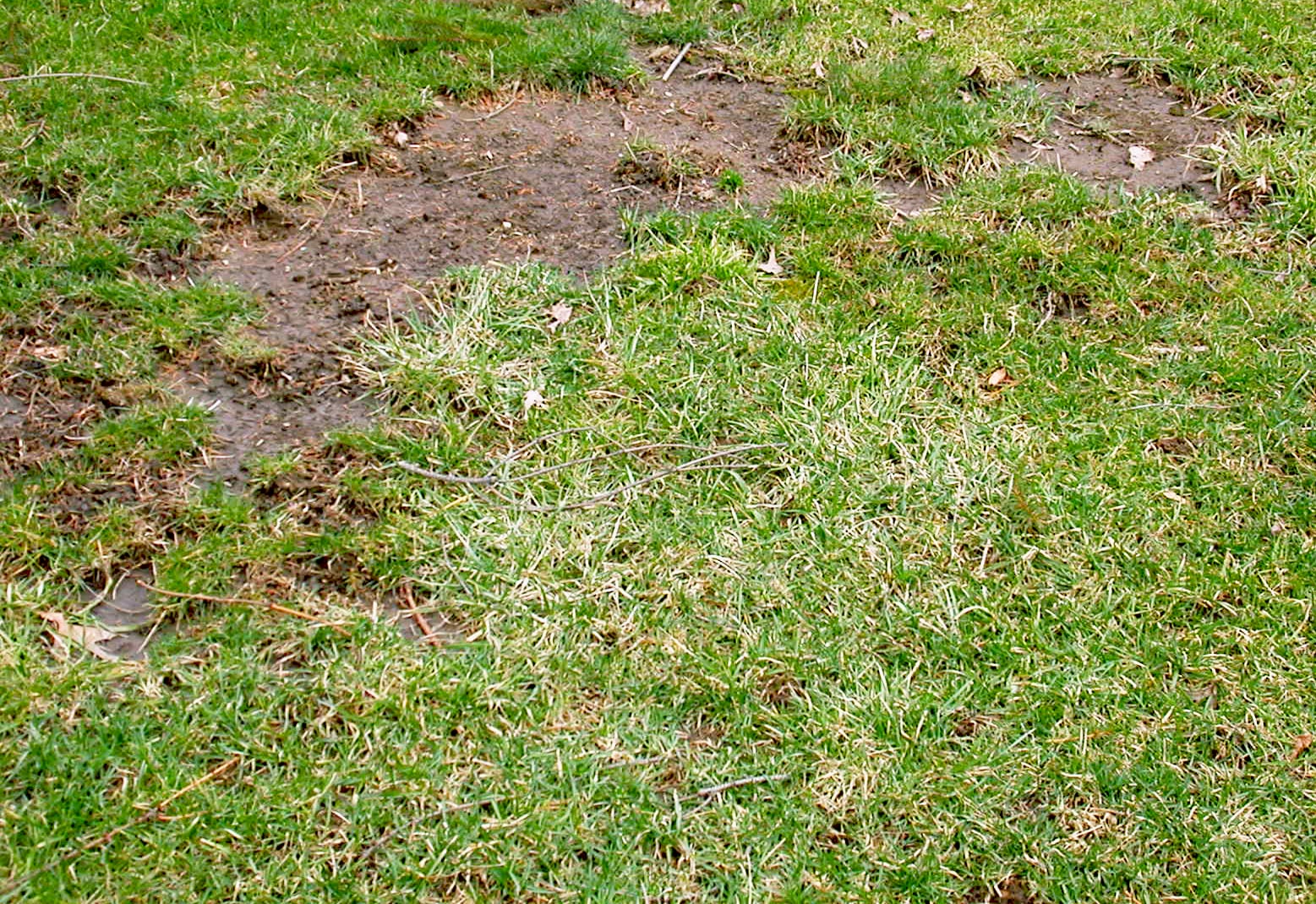
A patchy lawn is one of the most frustrating things a homeowner deals with. You water it, you fertilize it, you mow it — and it still looks thin in some spots, bare in others, and nothing like the thick green yard you are after. Before you can fix a patchy lawn in Texas, you need to understand why it is patchy in the first place. Treating the symptom without addressing the cause is how homeowners end up repeating the same fixes every year without ever getting lasting results.
This guide covers the most common causes of patchy, thin lawns in Texas, what you can do about each one, and when hydroseeding is the right tool for getting a failing lawn back on track.
Why Texas lawns go patchy
There is rarely a single reason a lawn looks bad. In most cases, a patchy lawn in the DFW area is the result of several factors working together — soil issues, maintenance problems, pest damage, or a combination of all three. Identifying what is driving the patchiness in your specific yard is the first step toward fixing it effectively.
These are the most common causes of thin, patchy lawns across North Texas.
Compacted soil
Soil compaction is one of the most widespread lawn problems in the DFW area, and one of the most underdiagnosed. North Texas clay soil compacts easily under foot traffic, vehicle traffic, and years of surface pressure. When soil compacts, the pore spaces that hold air and water collapse — leaving roots with nowhere to grow and no access to the oxygen and moisture they need.
Compacted soil produces thin, shallow-rooted grass that struggles through summer heat, dries out faster than healthy turf, and cannot compete with weeds. It looks like a fertilizer or watering problem on the surface, but no amount of fertilizer or irrigation fixes compaction until the underlying structure is addressed.
The fix for compacted soil starts with aeration — mechanically removing plugs of soil to open up pore spaces and allow air, water, and nutrients to penetrate. On severely compacted lawns, overseeding or hydroseeding after aeration dramatically accelerates recovery by getting new seed into loosened soil with good contact.
Poor soil quality
Related to compaction but distinct from it, poor soil quality refers to soil that lacks the organic matter, nutrients, and structure needed to support healthy grass growth. On new construction lots in the DFW area, this is extremely common — the topsoil has been stripped or buried during construction, leaving nutrient-poor subsoil at the surface that struggles to support dense turf.
On older properties, years of poor lawn care practices — bagging clippings, over-fertilizing with synthetic products, never returning organic matter to the soil — can gradually deplete soil quality until the lawn starts thinning from the bottom up.
The fix for poor soil quality involves adding organic matter back into the surface layer through compost topdressing, soil amendments, or in more severe cases adding quality topsoil before reseeding. Hydroseeding onto amended soil dramatically outperforms hydroseeding onto depleted soil — the improved growing medium gives new seed every advantage during the critical establishment window.
Drought stress and inconsistent watering
Texas summers are hard on lawns, and inconsistent irrigation is one of the fastest ways to create bare spots in an otherwise healthy yard. Warm-season grasses like Bermuda go dormant under severe drought stress rather than dying outright, but repeated drought cycles without adequate recovery time thin the turf over seasons until bare patches develop.
Inconsistent watering — soaking the lawn one day and skipping two or three days in a row — produces shallow root systems that are more vulnerable to heat and drought than deeply and consistently watered turf. In the DFW area's clay soil, this pattern also leads to surface cracking that physically damages shallow root systems.
The fix for drought-related patchiness is correcting the irrigation schedule first — before reseeding. Putting new seed down on a lawn that is still being watered incorrectly produces new patchy results on top of the old ones. Establish a consistent deep watering schedule, then overseed or hydroseed the bare areas once the irrigation issue is resolved.
Shade problems
Grass types and shade conditions are a mismatch that creates patchiness in a very predictable pattern — thin, struggling grass under tree canopies and along north-facing walls, healthy dense grass everywhere else. In the DFW area, Bermudagrass is the most common victim of this problem because it requires six to eight hours of direct sun per day to perform well.
If your patchy areas follow the shade pattern of your trees or structures, the cause is not soil or watering — it is the wrong grass for that location. Continuing to reseed with Bermuda in heavily shaded areas will produce the same result every time.
The fix for shade-related patchiness is switching to a shade-tolerant grass variety — typically Tall Fescue in North Texas — in the affected areas. Hydroseeding shaded zones separately with the appropriate mix for those conditions solves the problem permanently rather than temporarily.
Pest and disease damage
Grubs, chinch bugs, armyworms, and fungal diseases all cause patchy lawn damage in the DFW area. The pattern of the damage often helps identify the cause — grub damage tends to produce irregular patches that lift like loose carpet because the roots have been severed. Chinch bugs create yellowing patches that expand outward from sunny, dry areas. Fungal diseases often produce circular or ring-shaped patterns.
Reseeding over active pest or disease damage without treating the underlying problem wastes time and money. The new seed will face the same threat that destroyed the original grass. Identify and treat the pest or disease issue first, then reseed once the problem is under control.
Wear and traffic patterns
High-traffic areas — the path from the back door to the fence gate, the strip along the driveway, the area under a swing set — thin out from physical wear faster than the rest of the lawn. This is normal and not a sign of a deeper problem. The grass in these areas simply cannot regenerate as fast as it is being worn down.
The fix for traffic-related bare spots depends on whether the traffic pattern can be redirected. If it can — with a stepping stone path, a defined walkway, or a change in how the yard is used — reseeding the area and protecting it from traffic during establishment resolves the problem. If the traffic cannot be redirected, consider a more wear-resistant grass variety or a hard surface in the highest-impact zones.
When to overseed versus when to hydroseed
For small, isolated bare spots on an otherwise healthy lawn, overseeding — broadcasting seed directly into thin areas — is often sufficient. Scratch the surface lightly, apply seed, and keep it consistently moist until it establishes.
For larger areas, widespread thinning across the whole lawn, or cases where the soil condition is part of the problem, hydroseeding is the more effective approach. The protective mulch layer that makes hydroseeding work so well for new lawn establishment provides the same advantages on a renovation job — better moisture retention, better seed-to-soil contact, and better protection against the conditions that caused the lawn to fail in the first place.
Hydroseeding a patchy lawn renovation in the DFW area makes particular sense when the bare areas are significant, when previous broadcast reseeding attempts have produced inconsistent results, or when the soil needs amendment before reseeding and the whole surface is being reset anyway.
How to prepare a patchy lawn for reseeding
Whatever method you use to reseed, preparation improves results. Mow the existing lawn short before overseeding or hydroseeding so the new seed can reach the soil surface. Aerate compacted areas to improve seed-to-soil contact and root penetration. Remove thatch buildup that would prevent seed from reaching the soil. Add topsoil or compost to areas with visibly poor soil quality.
Address irrigation problems before reseeding — not after. Apply any needed pest or disease treatments and allow time for them to work before putting new seed down. And match your seed type to the conditions in the specific areas being reseeded — shade areas get shade-tolerant varieties, sun areas get sun-tolerant varieties.
Preparation takes more time upfront but produces dramatically better results than throwing seed at a problem without addressing what caused it.
The bottom line on fixing a patchy lawn in Texas
A patchy lawn is fixable in almost every case — but the fix has to start with understanding the cause. Soil compaction, poor soil quality, inconsistent watering, shade mismatch, pest damage, and traffic wear all produce patchy results, and each requires a different approach before reseeding makes sense.
Once the underlying cause is addressed, hydroseeding gives most Texas homeowners the fastest and most reliable path back to a thick, even lawn — better coverage, better seed protection, and better results than broadcast reseeding on problem areas.

Dealing with a patchy or thinning lawn and not sure where to start?
Fox Hydroseeding LLC assesses every property personally before recommending a fix. We identify what is causing the problem and recommend the right solution — whether that is hydroseeding, soil prep, or a combination of both.
Get Your Free Estimate → foxhydroseeding.com/contact
Bring Your Property to Life With Expert Hydroseeding
Find Us On


Email address

Phone Number

