


How the weather affects hydroseeding — what every Texas homeowner needs to know before scheduling
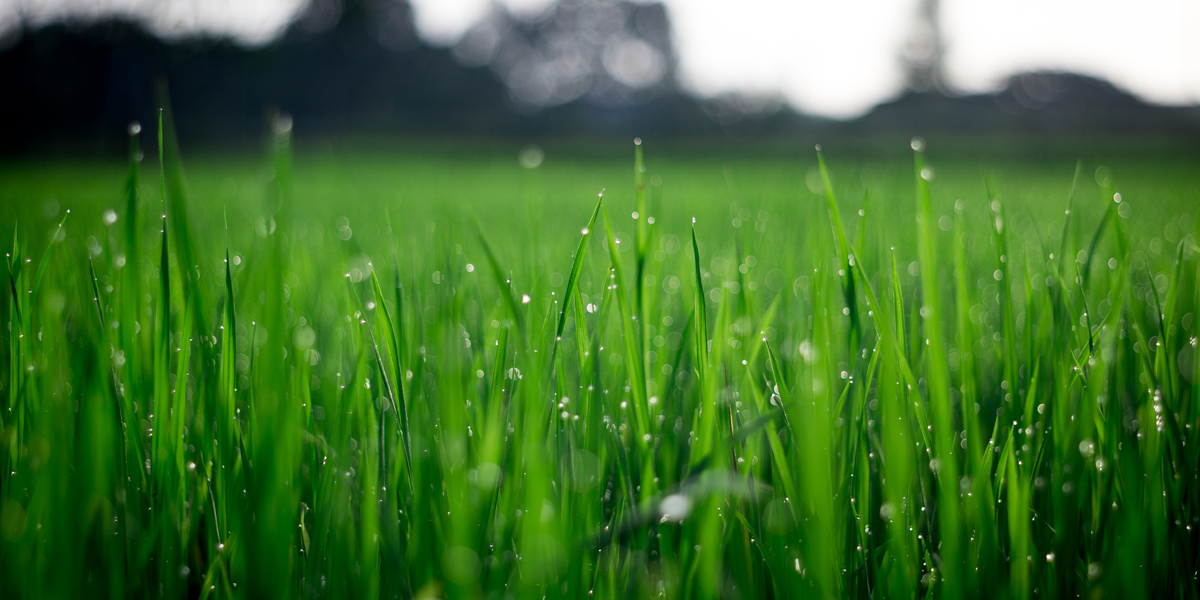
Weather is the one variable in a hydroseeding project that nobody controls — not the homeowner not the contractor. Everything else preparation grass selection application quality and establishment management can be planned for and executed correctly. The weather arrives when it arrives with whatever intensity it brings and the project either accommodates it or is affected by it.
Understanding how specific weather variables affect a hydroseeding application — which conditions help which hurt and what the thresholds are between helpful and damaging — gives you the knowledge to make smart scheduling decisions plan appropriate application windows and respond correctly when unexpected weather arrives during the establishment period.
Temperature: the variable that determines whether germination happens at all
Temperature is the most fundamental weather variable in hydroseeding because it determines whether germination occurs at all for the grass type being established. This is covered in depth throughout this guide collection but it is worth addressing specifically in the weather context because it is the weather variable that most homeowners misread.
Air temperature is what you feel. Soil temperature at the germination depth — two to three inches below the surface — is what matters for seed activation. These two temperatures do not move in tandem. Soil temperature lags air temperature by days to weeks depending on the season direction of change and soil characteristics.
In early spring when air temperatures warm from winter levels the soil temperature at germination depth may still be ten to fifteen degrees below the air temperature. Bermudagrass seed in soil at 55 degrees does not germinate reliably regardless of how warm the air feels above it. An application made when air temperatures suggest the window is open but soil temperatures have not yet caught up produces the slow uneven germination that homeowners attribute to application or seed quality problems.
In fall when temperatures drop from summer levels the soil temperature at germination depth stays warm longer than air temperatures suggest. This is relevant for Fescue timing — the fall Fescue window opens when soil temperatures drop into the 50 to 65 degree range for germination rather than when air temperatures first feel like fall.
The weather management tip: use a soil thermometer rather than an outdoor thermometer to make timing decisions. Air temperature tells you what season it feels like. Soil temperature tells you what the germination biology is actually experiencing.
Rain: helpful or harmful depending entirely on timing
Rain after a hydroseeding application is not automatically good or automatically bad — its effect depends entirely on when it arrives relative to the application date and how intense it is.
Rain in the first 48 hours after application — the bonding window — carries displacement risk proportional to intensity and site slope. Light rain within the first 48 hours is generally manageable and often beneficial — it adds natural moisture to the seed bed and is unlikely to generate the runoff velocity needed to displace adequately tackified slurry on moderate terrain. Heavy rain within the first 48 hours on sloped sections carries genuine displacement risk — the mulch layer has not fully bonded and significant rainfall can carry the unbonded slurry downhill before it adheres to the soil surface.
Rain after 48 hours — when the mulch has largely completed its bonding process — is almost always beneficial. Moderate natural rainfall during the germination window provides the consistent seed bed moisture that supplemental irrigation replaces when rain is absent. Natural rainfall during establishment reduces the irrigation burden on the homeowner and provides the even gentle moisture distribution that irrigation sprinklers approximate but do not perfectly replicate.
The weather management tip for rain: check the rainfall forecast for the 48 hours following a planned application date. A significant storm event — particularly on a property with sloped sections — is a reason to discuss shifting the application date by a few days with the contractor to improve the bonding window odds. After the 48-hour window passes rain is an asset not a risk.
Wind: the unsung threat to establishment
Wind is the weather variable that most homeowners underestimate as a threat to hydroseeding establishment because it is not dramatic in the way that a rain event is. It does not create the visible displacement of heavy rain or the obvious stress signal of extreme heat. But wind removes moisture from the seed bed silently and continuously in ways that can defeat consistent watering management in Texas conditions.
The south and southwest winds that are characteristic of the DFW area through much of the spring and summer growing season can produce rapid moisture loss from a fresh hydroseeding application even when temperatures are moderate. Wind increases the evaporation rate at the soil surface by removing the boundary layer of humid air that forms above a moist surface and replacing it with drier air that accelerates moisture transfer. On a windy day the seed bed can dry to stress levels within hours of a watering session rather than the longer window that still air provides.
This wind-driven moisture loss is the reason that three watering sessions per day are sometimes necessary during Texas summer establishment even when temperatures are not extreme — the wind evaporation demand compounds the heat evaporation demand and two sessions that would be adequate on a calm day are insufficient on a day with strong drying winds.
The weather management tip for wind: monitor wind conditions specifically during the first two weeks of establishment rather than just temperature and rainfall. On high-wind days check the seed bed condition between scheduled watering sessions — if the mulch is drying faster than expected add a session rather than waiting for the scheduled one. A dedicated wind day does not mean the project is in trouble but it does mean the watering schedule needs to respond to actual conditions rather than the programmed schedule that was appropriate for typical conditions.
Extreme heat: the establishment stress amplifier
Extreme heat — sustained triple-digit temperatures during the establishment period — amplifies every other weather challenge simultaneously. Evaporation rates increase. Soil surface temperatures reach levels that can damage germinating seed in thin or dry sections of the mulch layer. The irrigation demand escalates beyond what schedules designed for normal conditions can meet.
For summer establishment applications that coincide with heat wave conditions the specific management adjustment is increasing both the frequency and the timing of watering sessions. The midday session that is important during normal summer conditions becomes critical during a heat wave — moving the midday session to 11 am or noon rather than 1 or 2 pm gets irrigation water onto the seed bed before the peak heat of the day rather than during it. Adding a session — moving from three to four daily sessions — during heat wave conditions replaces the moisture that elevated evaporation rates remove between normal sessions.
For existing established lawns going through their first summer heat the management adjustment is the drought stress monitoring described elsewhere — watching for the blue-grey tint and blade folding that indicate the lawn is approaching stress before those signals advance to visible damage.
The weather management tip for extreme heat: have the irrigation system programmed to respond automatically to temperature-based triggers rather than managing manually. Smart irrigation controllers that increase session frequency automatically when temperature thresholds are exceeded provide the weather-responsive irrigation management that manual schedules cannot deliver consistently.
Cold snaps and late freezes: the early spring risk
The risk that most homeowners do not think about when scheduling spring applications is the late freeze — a temperature drop below 32 degrees that arrives after the application and damages germinating seedlings that have not yet developed the cold tolerance of established grass.
In the DFW area late freeze events are not uncommon through March and can occur in early April in some years. An application made in late March when air temperatures suggest the spring window is open and then subjected to a late freeze event in early April faces seedling damage in the sections where germination had already produced exposed shoots at the surface.
Bermudagrass seedlings are more cold-sensitive than mature established Bermuda — the dormancy cold tolerance of established crowns does not apply to seedlings that have only been growing for a few days. A hard freeze on actively germinating Bermuda seedlings damages or kills the exposed growth in ways that require recovery time or in some cases reapplication of severely affected sections.
The weather management tip for late freeze risk: consult the extended forecast before finalizing an early spring application date. If a freeze event is forecast within two weeks of the planned application date — particularly a hard freeze below 28 degrees — discuss with the contractor whether a brief delay reduces the freeze risk without significantly compromising the spring window. In most DFW springs a two week delay that avoids a late freeze event costs less in establishment quality than the damage that a direct freeze hit on young seedlings produces.
Drought conditions and watering restrictions: the water availability challenge
Extended drought conditions that trigger municipal watering restrictions present a specific weather-related challenge for hydroseeding projects that is separate from the normal summer heat management discussion.
When watering restrictions limit irrigation to two or three days per week the standard hydroseeding establishment protocol of daily or twice-daily sessions is not achievable within the restriction schedule. Applications made during active water restriction periods without a variance for new lawn establishment face germination conditions that the restriction schedule cannot adequately support during peak summer heat.
The weather management approach for restriction periods is seasonal timing — applications timed for spring or fall windows where moderate temperatures and lower evaporation rates make the restricted watering schedule more likely to maintain adequate germination moisture between allowed sessions. Applications attempted during peak summer restriction conditions without irrigation variance provisions are higher-risk than applications in more forgiving seasonal windows.
Contacting the municipality before scheduling a summer application in a restriction period to determine whether newly seeded lawn establishment qualifies for a variance is the specific practical step that converts this challenge from a binary obstacle into a manageable consideration.
Overcast conditions: the underrated germination ally
One weather condition that homeowners rarely think about as a positive establishment factor is extended overcast — cloudy periods that moderate surface temperatures reduce direct solar evaporation demand and provide the diffuse light conditions that are actually favorable for germination and early seedling development.
Extended overcast periods during the spring or fall establishment window reduce the evaporation rate that the watering schedule needs to compensate for — meaning that the established sessions may be more effective during overcast conditions than during the same conditions under direct sun. Germination that was proceeding at a certain rate under direct sun conditions sometimes accelerates slightly during a cloudy stretch because the temperature moderation and reduced evaporation create more consistently favorable surface moisture conditions around the germinating seeds.
The practical implication is that you should not reduce watering frequency during cloudy establishment periods in a way that creates deficit when sunny conditions return — but you can observe that the seed bed may stay moist longer between sessions during extended overcast and adjust if the surface condition monitoring confirms adequate moisture at longer intervals.
Reading weather during establishment: the daily habit that protects results
The most practical weather management advice for the establishment period is developing the daily habit of checking three things before making any management decision: the current temperature and forecast for the day the wind speed and direction and the seed bed surface condition between scheduled watering sessions.
These three data points together tell you whether the programmed schedule is adequate for current conditions or whether adjustment is needed. Temperature above normal and wind speed elevated compared to the days when the schedule was set are signals to check the seed bed condition earlier than the next scheduled session and add a session if the surface shows signs of premature drying.
This habit takes five minutes per day and it catches the weather-driven establishment risks before they produce the bare sections that require touchup applications. The homeowner who checks conditions daily and responds to them adjusts watering frequency twice during the two-week window when conditions required it. The homeowner who follows the programmed schedule regardless of conditions discovers the sections that dried out during the heat wave or the wind event when the germination gap is already established.
The bottom line on weather and hydroseeding
Weather is the variable you cannot control — but your relationship with it determines whether it helps or hurts your establishment. Understanding which conditions are beneficial which are risky and what the specific thresholds are between them converts weather from an anxiety-producing uncertainty into a manageable variable that experienced planning and responsive management can work with effectively.
Schedule with the forecast in mind. Protect the 48-hour bonding window from heavy rain. Respond to wind events and heat waves with watering frequency adjustments. Use soil temperature rather than air temperature for timing decisions. And develop the daily monitoring habit that catches weather-driven challenges before they produce establishment failures.

Want help planning your hydroseeding project around Texas weather conditions and getting the timing right?
Fox Hydroseeding LLC monitors weather conditions before every application and personally advises every homeowner on timing and weather risk management. Every estimate is handled by the owner.
Get Your Free Estimate → foxhydroseeding.com/contact
Bring Your Property to Life With Expert Hydroseeding
Find Us On


Email address

Phone Number

