


How much water does a hydroseeded lawn need — a week by week watering guide
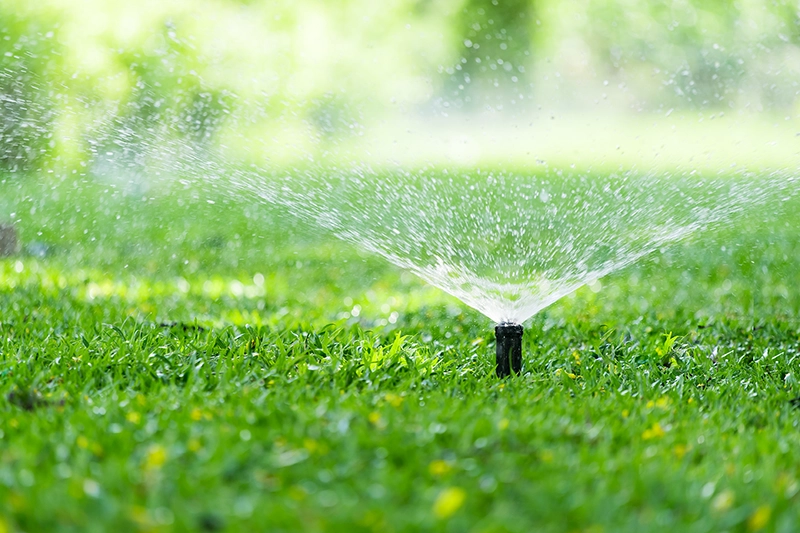
Watering is the single most important thing you do after a hydroseeding application. Get it right and your lawn establishes thick and even. Get it wrong and you end up with patchy germination, bare spots, and the frustrating experience of watching an investment fail in slow motion. The good news is that watering a hydroseeded lawn correctly is not complicated — it just requires understanding what the lawn needs at each stage and committing to the schedule.
This guide gives you a clear, practical watering plan from application day through a fully established lawn.
Why watering matters more with hydroseeding than most people expect
The hydroseed slurry creates a protective mulch layer over your soil that retains moisture and shields seed from heat, wind, and erosion. That mulch layer is doing real work — but it only works as long as it stays consistently moist. If the mulch dries out completely during the germination window, the seed dries out with it. Germination stalls, the seed loses viability, and the results are patchy at best and a complete failure at worst.
In Texas conditions — particularly in the DFW area during spring and summer — the combination of heat, low humidity, and wind can dry out a fresh hydroseed application faster than most homeowners anticipate. A watering schedule that would be adequate in a cooler, more humid climate may not be sufficient here. Understanding that Texas raises the watering bar is the first step toward getting the schedule right.
What you are trying to achieve at each stage
The watering goal changes as the lawn moves through different phases of development, and understanding the goal at each stage helps you make the right adjustments rather than following a rigid schedule that may not match your specific conditions.
During germination — the first ten to fourteen days — the goal is to keep the surface of the seed bed consistently moist. You are not trying to saturate the soil or water deeply. You are maintaining the moisture level that allows seeds to soften, germinate, and push the first root and shoot down and up respectively. Shallow and frequent is the right approach during this phase.
During early establishment — weeks two through four — the goal shifts from surface moisture to encouraging root development. As germination completes and seedlings begin growing, you want to start training roots to grow downward by transitioning toward deeper, less frequent watering. Roots follow water — if you keep watering shallow and frequent past the germination window, you produce a shallow-rooted lawn that is vulnerable to heat and drought.
During full establishment and beyond — week four and onward — the goal is maintaining healthy mature turf with deep, infrequent watering that sustains the root depth you built during establishment.
Week one and two: the critical germination window
During the first fourteen days after hydroseeding, water two to three times per day. Each session should be light and even — approximately ten to fifteen minutes per zone on a standard irrigation system, or the equivalent by hand. You are wetting the surface and the top inch or two of soil, not soaking the ground.
The timing of your watering sessions matters in Texas. Early morning is the best first session of the day — the ground is cool, evaporation is low, and the water has time to penetrate before the heat of the day. A midday session during peak summer heat helps offset evaporation and keeps the seed bed from drying out during the hottest hours. Early evening is the second-best session timing, though watering too late in the evening can leave the surface wet overnight and increase fungal disease risk.
Watch the mulch layer for signs that you are not watering enough. If the green mulch begins to lighten in color, pull back from the soil surface, or crack in a pattern similar to dried mud, increase your watering frequency immediately. A cracked, dry mulch layer is a stalled germination window and potentially lost seed.
Watch also for signs of overwatering. If water is running off the surface rather than soaking in, if low spots are pooling and staying saturated, or if you see the slurry washing off slopes, reduce session duration and allow more time between waterings. Overwatering creates its own problems — seed rot, washed-off mulch, and soil compaction from standing water.
Week three: transitioning the schedule
By the end of week two, most hydroseeded lawns in the DFW area have visible germination across the majority of the surface. This is the window to begin transitioning from frequent shallow sessions to slightly deeper, less frequent watering.
Reduce to two watering sessions per day and increase the duration of each session slightly. The goal is to begin wetting the soil two to three inches deep rather than just the surface. This encourages the young root systems that have begun developing to grow downward following the moisture rather than staying near the surface.
Continue monitoring the lawn closely during this transition. Germination is still completing in slower areas, and those areas still need consistent surface moisture. If you have sections of the yard that are significantly behind in germination, maintain more frequent watering in those specific areas while transitioning the rest of the lawn.
Week four: deepening the root system
By week four, the lawn should have solid coverage across most of the surface and the grass will be approaching the height at which the first mow becomes appropriate. Watering during this phase should transition further toward one deep session per day or one session every other day, depending on weather conditions and how quickly the soil dries out.
Each session should now be long enough to wet the soil four to five inches deep. Use a screwdriver or soil probe to check — if it pushes into the soil easily to four or five inches after watering, you are hitting the right depth. If it meets resistance much shallower than that, increase session duration.
The transition to deeper watering is one of the most important things you do for the long-term health of your lawn. Shallow-rooted turf that has been trained by shallow watering throughout establishment is significantly more vulnerable to summer heat and drought than deeply rooted turf developed through progressive deep watering during this window.
After the first mow: mature lawn watering
Once the lawn reaches three to four inches and you complete the first mow, the watering schedule transitions to what you will maintain as normal lawn care going forward.
For established Bermudagrass lawns in the DFW area, one to two deep watering sessions per week during the growing season is the standard target. Each session should wet the soil six to eight inches deep — enough to sustain the root system between waterings without keeping the soil constantly saturated.
The exact frequency depends on weather, soil type, and time of year. During peak summer heat in July and August, you may need to water three times per week to prevent stress. During mild spring and fall conditions with regular rainfall, once a week or less may be sufficient. Let the lawn tell you what it needs — watch for the blue-grey tint and blade folding that signal drought stress and water before those signs progress to visible damage.
Adjusting for Texas weather conditions
Standard watering guidelines need to be adjusted for the specific conditions that North Texas regularly produces. Heat, wind, and dry spells all increase watering demand during the critical establishment window.
During summer hydroseeding applications in the DFW area, three watering sessions per day during the first two weeks is not excessive — it is often necessary. The combination of triple-digit temperatures and low humidity can dry out a hydroseed application in a matter of hours without adequate moisture replacement. If you are hydroseeding in June, July, or August, plan your watering schedule with that reality in mind.
During spring applications with regular rainfall, you may be able to reduce supplemental irrigation on days when natural rainfall provides adequate moisture. Check the seed bed condition after rain — if the surface is consistently moist and the mulch layer is in good shape, skip a watering session. But do not skip based on the forecast. Check the actual conditions and make the call based on what the lawn needs, not what the weather app predicted.
During fall applications with cooler temperatures and lower evaporation rates, the twice-daily watering schedule during germination is still important but the risk of rapid drying is lower than in summer. Cooler conditions slow evaporation and reduce the urgency of midday sessions, though consistent moisture is still essential for germination.
Common watering mistakes after hydroseeding
Missing days during the germination window is the most damaging mistake and the most common. One or two days of insufficient watering during the first two weeks can set germination back by a week or more and create bare spots that are difficult to recover without reapplication.
Watering too heavily in individual sessions rather than light and frequent during germination creates runoff, washes mulch off slopes, and saturates low spots. More water per session is not better during the germination phase — more frequent light sessions are.
Stopping frequent watering too early because the lawn looks green from the mulch fiber color is a mistake that catches many first-time hydroseeding customers. The green you see right after application is the mulch dye, not grass. Wait for confirmed germination before reducing watering frequency, and even then transition gradually rather than all at once.
Watering at night consistently increases fungal disease risk. Early morning watering is best — the grass blades dry during the day and are not sitting wet through the overnight hours when fungal pathogens are most active.
The bottom line on watering a hydroseeded lawn
The watering schedule for a hydroseeded lawn has three phases — frequent and shallow during germination, transitioning to deeper and less frequent during establishment, and consistent deep watering for mature turf maintenance. Each phase serves a specific purpose in building the kind of lawn that holds up through a Texas summer and beyond.
Commit to the schedule during the first four weeks and the lawn will do what it is supposed to do. Cut corners on watering during the germination window and no amount of quality seed or premium mulch product will compensate for it.

Questions about watering your hydroseeded lawn or want to make sure your project gets started right?
Fox Hydroseeding LLC walks every homeowner through the complete watering schedule before leaving the job site. We make sure you know exactly what your lawn needs from day one through full establishment.
Bring Your Property to Life With Expert Hydroseeding
Find Us On


Email address

Phone Number

