


How much water does a hydroseeded lawn need — a complete week by week guide for Texas homeowners
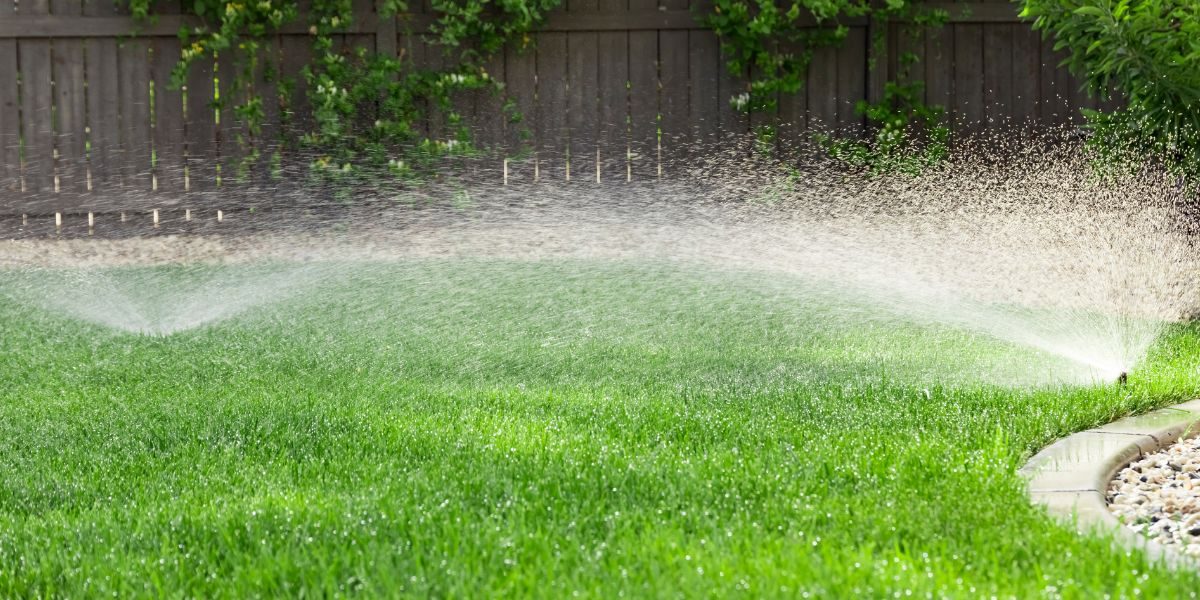
The watering question is the most common question homeowners have after a hydroseeding application — and it is the question where getting the answer wrong has the most immediate and visible consequences. Too little water during the germination window produces the patchy establishment that looks like a failed application when it is actually a watering failure. Too much water in the wrong way produces the runoff and pooling that displaces seed and creates the same patchy result through a different mechanism. And the right watering approach changes significantly from week to week as the lawn moves through germination establishment and into the first growing season.
This guide covers exactly how much water a hydroseeded lawn needs at every stage — week by week from application day through the transition to a mature lawn watering schedule — with the specific guidance that general advice never provides and that the specific conditions of Texas make more important than in more forgiving climates.
The principle behind the watering schedule
Before getting into the week-by-week specifics understanding the principle behind the watering schedule produces better decisions than following a schedule without understanding why it changes when it does.
The watering goal changes fundamentally at two specific points in the establishment process. During the germination window — days one through approximately fourteen — the goal is maintaining consistent moisture at the seed surface. The germinating seed needs continuous moisture to complete the biological process of germination. Drying out before germination completes kills the seed. The watering schedule during this phase is designed to prevent that drying out regardless of the temperature and evaporation conditions the Texas climate produces.
After germination is established — around day fourteen — the goal shifts to encouraging root development downward. The young grass plants that have germinated need roots that develop depth rather than staying near the surface. The watering schedule transition from frequent shallow sessions to deeper less frequent ones is what creates the conditions that motivate root development downward — by making moisture available at depth rather than only at the surface.
After the first mow and through the first growing season the goal is building the root depth that makes the lawn resilient to the summer stress that Texas reliably produces. The progressive deepening of sessions through the first growing season is the management decision that determines the drought resilience of the lawn through its first and every subsequent summer.
These three goals — germination moisture maintenance root development encouragement and root depth building — drive every watering decision in the establishment and first growing season period.
Application day through day three: getting started right
The first watering session after a hydroseeding application should happen within a few hours of the application completing — not at the next scheduled irrigation time if that is hours away. The mulch layer begins the bonding process immediately and moisture supports that bonding while also beginning to activate the seed within the slurry.
If the contractor completed a final watering pass before leaving the first scheduled session can proceed at its normal time. If the contractor did not complete a final pass run a manual session or advance the automatic schedule within two to three hours of completion.
Sessions during this first period should be light — not long saturating sessions but enough to confirm the full area received moisture and to support the bonding process without generating runoff that could displace the freshly applied slurry before it has fully adhered.
In Texas summer conditions three sessions per day starting from application day. In spring or fall conditions two sessions per day starting from application day. The frequency difference reflects the evaporation rate difference — summer conditions remove moisture from the mulch surface significantly faster than spring or fall conditions.
Days three through seven: the germination activation window
The first week is the most critical watering period of the entire establishment process. The seed is activating — beginning the germination process that requires uninterrupted moisture to complete. A significant dry period during this window can abort germination in progress and reduce the germination rate of the full application.
Texas summer conditions in this window require three sessions per day — morning midday and early evening — with sessions long enough to wet the surface without generating runoff. The midday session is the most important session of the three because it replaces the moisture that peak-temperature evaporation removes during the hottest hours of the day. Missing the midday session consistently during the germination week in Texas summer conditions is the most common single cause of patchy germination on otherwise correctly managed applications.
Session duration in this window should be calibrated to the soil and terrain conditions — long enough to wet the full mulch surface without generating runoff that carries seed and slurry to low spots. On flat residential lots ten to fifteen minutes per zone is typically adequate. On slightly sloped sections cycle and soak — shorter sessions with absorption breaks — produces better moisture penetration without the runoff that single long sessions create on sloped terrain.
The seed bed condition check between sessions is the most useful monitoring practice in this window. After the midday session dries for two to three hours the surface should still feel slightly moist when pressed. If it feels dry to the touch before the next scheduled session the schedule needs an additional session — the evaporation conditions of that specific day are exceeding what the current schedule replaces.
No visible germination in this window is normal. The biology of germination happens below the surface before any sprout breaks through. The watering during this window is maintaining the conditions for a process that is not yet visible — which requires the discipline to maintain the schedule without the visual feedback that something is working.
Days seven through fourteen: first germination through spreading coverage
First sprouts typically appear somewhere between days five and seven for Bermudagrass in appropriate soil temperatures. The appearance of sprouts does not signal that the watering schedule can be reduced — it signals that the germination process has begun breaking the surface in the fastest-responding sections while the remainder of the seed is still completing the germination process that requires continuous moisture.
Maintain the full germination window watering schedule through day fourteen regardless of how promising the early germination looks. The sections that show sprouts at day seven are the sections with the most favorable germination conditions — warmest soil best contact best moisture. The sections that have not yet shown sprouts at day seven are still germinating and still need the same consistent moisture that the early sections needed.
The temptation to reduce watering frequency when germination looks good at day ten is one of the most common mistakes in this window. The homeowner who cuts from three sessions to two at day ten because the yard looks like it is working well creates the dry periods that stress the remaining germinating seed and reduce the germination rate in the sections that were already behind.
Maintain three sessions per day in summer conditions and two sessions in spring and fall conditions through day fourteen as the baseline. Adjust upward if the surface is drying out between sessions. Do not adjust downward regardless of how promising the germination looks.
Days fourteen through twenty-one: the critical transition
Around day fourteen the watering transition from germination maintenance to root development encouragement begins. This transition is one of the most important management decisions in the establishment process and one that happens by default — either correctly by deliberate adjustment or incorrectly by maintaining the germination schedule past its appropriate window.
The transition involves two simultaneous changes — reducing session frequency and increasing session duration. Instead of three short sessions per day move toward two slightly longer sessions per day. The longer sessions penetrate deeper into the soil profile — beginning to make moisture available below the surface germination zone and motivating roots to develop toward that deeper moisture.
In Texas summer conditions the transition might move from three sessions per day at fifteen minutes each to two sessions per day at twenty to twenty-five minutes each during this window. The total daily water volume stays similar but the timing and distribution change to begin the root depth development goal.
Monitor the seed bed condition during the transition to confirm the reduced frequency is adequate for the current evaporation conditions. If the surface is showing drought stress signals — color change wilting in young sprouts — between the reduced-frequency sessions increase the frequency rather than extending sessions further. The transition timing is approximate — the actual conditions of the specific week should drive the specific adjustment.
Weeks three through five: establishment phase watering
The establishment phase watering continues the progressive transition from surface moisture maintenance to deep root development encouragement. Each week through this phase the sessions should penetrate slightly deeper than the previous week's — a gradual progressive adjustment rather than a dramatic change that the developing root system is not ready for.
In week three two sessions per day with sessions long enough to penetrate three to four inches. In week four one to two sessions per day with sessions penetrating four to five inches. By week five — approaching first mow timing — the schedule is moving toward every other day with sessions penetrating five to six inches.
Soil probe or screwdriver depth is the most practical tool for confirming penetration depth during this phase. Push a screwdriver into the soil after a watering session and note where it meets resistance — dry soil is noticeably harder than moist soil and the depth at which resistance appears tells you where the moisture is penetrating to. If the probe meets resistance at three inches when the target for this week is five increase session duration until the penetration depth reaches the target.
First mow timing at weeks four to five is the milestone that marks the transition from the establishment phase to the growing season management phase. The watering approach through this period should be supporting the root development that makes the mowed lawn resilient rather than maintaining the surface moisture that germination required.
Weeks five through ten: early growing season watering
After the first mow the watering schedule transitions to the early growing season management approach — building toward the mature lawn schedule while continuing to develop the root depth that the first summer depends on.
Move to every other day deep sessions in the first couple of weeks after first mow then toward twice weekly sessions as the root depth develops. Each session should be long enough to penetrate the full depth of the developing root system — by week eight this means sessions penetrating six to seven inches for a well-developed first-year lawn.
Monitor the lawn for drought stress signals during the transition to less frequent sessions — the blue-grey tint that precedes visible wilting in Bermuda is the early warning that the current frequency is not adequate for the current evaporation conditions. Extend frequency when this signal appears rather than waiting for visible stress that takes longer to recover from.
The mature lawn watering schedule
By weeks ten to twelve after the application a well-managed first-year lawn on properly prepared soil should be approaching the mature watering schedule — one to two deep sessions per week for established Bermuda in the DFW area under normal summer conditions.
Sessions at this stage should penetrate eight inches or more — confirming that the root system has developed to the depth that makes this schedule viable. A session that penetrates only four inches on a lawn that should be watered every three to four days is not building the further depth development that continues through the first growing season. Increase session duration until penetration reaches the target depth before reducing frequency to the mature schedule.
Mature lawn watering in Texas summer conditions responds to conditions rather than fixed schedules — increasing frequency during heat waves extended dry stretches or periods of high wind that accelerate evapotranspiration and reducing during natural rainfall periods that supplement or replace irrigation sessions.
The week by week watering summary
Application day through day three — two to three sessions per day light duration bonding and activation support.
Days three through fourteen — three sessions per day in summer two in spring and fall surface moisture maintenance for germination window.
Days fourteen through twenty-one — begin transition to two sessions per day with longer duration shift from surface moisture to depth penetration.
Weeks three through five — progressive deepening of sessions toward first mow establishment phase root development encouragement.
Weeks five through ten — every other day to twice weekly as root depth develops early growing season phase.
Weeks ten through twelve and beyond — one to two deep sessions per week mature lawn schedule condition responsive.
Adjusting for Texas conditions
The schedule above assumes typical conditions for the DFW area in the relevant season. Specific conditions require specific adjustments that the condition-monitoring approach described throughout this guide helps identify.
Unusually hot weeks during the germination window require adding sessions — not extending sessions but adding frequency to replace the moisture that higher-than-typical evaporation removes. A week of 105-degree temperatures in June during the germination window requires more sessions than a typical June week at 95 degrees.
Rainfall events during the establishment period reduce or eliminate the need for scheduled sessions on the day they occur and often for the day after depending on rainfall intensity and duration. Do not water over rainfall that has already met the session goal — the extra water does not help and on clay soils it creates the saturation that root systems do not benefit from.
Windy days accelerate surface evaporation in ways that temperature alone does not reflect — checking the seed bed condition between sessions on high-wind days and adding sessions when the surface is drying faster than expected is more responsive than a fixed schedule that does not account for wind conditions.
The bottom line on watering a hydroseeded lawn
The watering schedule for a hydroseeded lawn changes fundamentally at two points — the transition from germination moisture maintenance at day fourteen and the transition to mature lawn schedule at weeks ten to twelve. Getting both transitions right produces the establishment quality and root depth that the Texas lawn needs to perform through its first and every subsequent summer. Missing either transition — staying on germination schedule past day fourteen or failing to build root depth through progressive deepening during the growing season — produces the shallow-rooted lawn that requires intensive ongoing management rather than the deep-rooted lawn that handles Texas summers with composure.
Follow the week-by-week schedule respond to actual conditions rather than fixed calendars and monitor the soil probe depth that confirms whether the sessions are achieving the root development goal at each stage.

Have questions about the right watering schedule for your specific hydroseeded lawn or conditions?
Fox Hydroseeding LLC walks every homeowner through the complete watering schedule before leaving the job site — week by week guidance specific to your grass type season and irrigation setup. We make sure the establishment period is managed correctly from day one.
Get Your Free Estimate → foxhydroseeding.com/contact
Bring Your Property to Life With Expert Hydroseeding
Find Us On


Email address

Phone Number

