


Getting your lawn ready for summer — what Texas homeowners need to do before the heat arrives
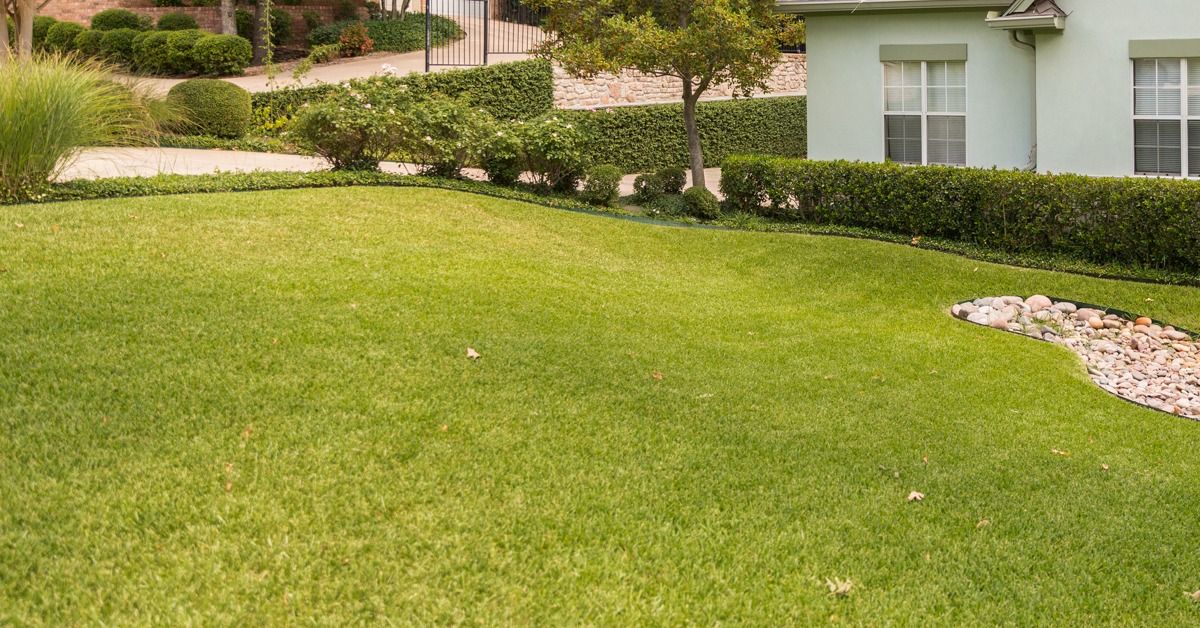
Spring is the best time to prepare a Texas lawn for the summer ahead — and most homeowners wait too long to start. By the time July arrives and the lawn is showing stress the window to build the root depth irrigation management and turf density that would have made that stress manageable has already closed. The preparation that makes a Texas lawn perform well through summer happens in spring — and this guide covers exactly what that preparation looks like.
Whether your lawn is established and needs seasonal preparation or bare and needs to be started before summer arrives the steps in this guide apply. The difference is the urgency — bare lawns need hydroseeding now to give the new grass maximum establishment time before peak heat arrives. Established lawns need the preparation steps that build on what is already there. Both situations have the same deadline — summer is coming and the lawn that is ready for it performs better than the one that was not.
Step one: assess what you are actually working with
Before doing anything to your lawn spend time honestly assessing its current condition. The preparation steps that matter most depend on the specific condition of your specific lawn — and skipping the assessment step means spending time and money on tasks that may not address what is actually limiting your lawn's summer performance.
Walk the full yard and note the coverage honestly. What percentage of the surface has living actively growing grass versus bare ground or dead material. Areas with more than twenty to thirty percent bare coverage are candidates for hydroseeding renovation before summer. Areas that are thin but covered can potentially be improved through preparation and management without full reseeding.
Assess the soil condition underfoot. If the surface feels very hard and barely gives under pressure compaction is limiting root development and drought resilience in a way that affects summer performance directly. If the soil gives more than expected and feels spongy thatch buildup may be preventing water and nutrient penetration.
Look at the drainage patterns. Are there sections that dry out quickly and look stressed even with regular irrigation — possibly indicating drainage that runs water away from those sections too quickly. Are there sections that stay wet longer than the rest — possibly indicating drainage problems that create waterlogging in those zones.
Note the sun exposure across different sections. Areas that receive full sun through the day have different preparation needs and different summer performance expectations than areas in partial or full shade.
Step two: dethatch and aerate before summer heat arrives
Thatch buildup and soil compaction are the two soil conditions that most limit summer lawn performance in the DFW area — and spring is the best time to address both before the heat arrives.
Thatch is the layer of dead and dying organic material that accumulates between the soil surface and the living grass above it. A thin thatch layer of half an inch or less is normal and beneficial. Thatch buildup beyond that thickness prevents water fertilizer and air from reaching the soil and root zone — creating the conditions where irrigation runs off the surface rather than penetrating to where it is needed most during summer drought stress.
Dethatching removes excess thatch through mechanical raking or power dethatching and restores the penetration pathway that water and nutrients need to reach the soil. For Bermudagrass lawns in the DFW area spring dethatching coincides with the green-up period when the grass is entering active growth and can recover from the dethatching process quickly — making spring the right timing for this task.
Core aeration mechanically removes small plugs of soil across the lawn surface — opening pore space improving water and air penetration and creating channels for roots to develop deeper into the soil profile. A lawn that enters summer with deeper roots from a spring aeration is significantly more drought-resilient than the same lawn with shallow roots that were never given the compaction relief needed to develop downward.
Aerate when the soil is moist enough that the tines can penetrate adequately — not when it is extremely dry and hard which prevents adequate penetration and not when it is saturated and muddy. Early to mid-spring in the DFW area typically offers the right soil moisture conditions for effective aeration timing.
Step three: address bare areas before summer with hydroseeding
Spring is the window to address any bare or significantly thin areas of the lawn through hydroseeding before summer heat makes establishment more demanding. A bare area hydroseeded in late March or April has four to six weeks of favorable spring conditions to establish before summer heat arrives — building the root depth that makes the new grass durable through its first summer.
The same bare area left unaddressed through spring and then attempted in July requires the intensive irrigation management of a summer establishment without the favorable germination conditions and full season ahead that a spring application provides. The result of a late spring or summer establishment on bare areas is almost always a lawn that enters its first summer less prepared than one that got started in the optimal spring window.
Assess the bare areas in your lawn during the spring assessment step and make the hydroseeding decision early — before the spring window closes. The estimate visit the preparation work and the application itself all take time that is not available if the decision is made too late in the spring season.
Step four: fertilize appropriately for the season ahead
Spring fertilization for Bermudagrass lawns in the DFW area should begin after green-up is clearly visible and consistent — typically in late March to April depending on the year. Fertilizing dormant or barely-green Bermuda before active growth is well established wastes product and can promote weed growth in bare areas without benefiting the grass.
The fertilizer program through spring and into early summer should support the root development and turf density that makes the lawn summer-ready — not just push fast top growth that looks impressive but does not build the structural resilience the lawn needs for July and August. A balanced fertilizer with appropriate nitrogen levels applied on a schedule matched to the active growing season supports both top growth and the root development below it.
For Tall Fescue lawns spring fertilization supports the peak cool-season growth period that builds the root depth the lawn needs for its first summer test. Fertilize Fescue actively through March and April — the window of peak cool-season growth — and taper off as temperatures climb toward the summer stress period. Heavy nitrogen on Fescue in May and June pushes the lawn in the wrong direction at the wrong time.
Step five: set up your irrigation for summer performance
Spring is the time to verify that your irrigation system is operating correctly and covering the full lawn area before summer heat makes adequate irrigation critical rather than just helpful.
Walk the yard with each irrigation zone running and watch for coverage gaps — areas that are outside the effective reach of any sprinkler head. Note any heads that are not rotating correctly not popping up fully or delivering an obviously reduced flow that suggests a clog or damage. Identify any zones that overlap excessively creating overwatered sections that stay too wet while adjacent sections are underwatered.
Fix irrigation problems before summer not during it. A coverage gap that can be addressed by adjusting a head position or adding a supplemental head in spring becomes a dead or severely stressed bare spot by August if left uncorrected through the heat season.
Calibrate your irrigation schedule for summer before the heat arrives. The frequency and duration that maintains the lawn through mild spring conditions is not adequate for July and August in the DFW area. Transition the schedule proactively in late May or early June rather than reactively in July when you are already seeing stress.
If your property does not have an automatic irrigation system and the lawn is going to be managed through manual watering through summer be realistic about whether that management level is achievable for your schedule and lifestyle. A lawn that needs watering every two to three days in July and August through a summer when you travel or have a demanding schedule needs either an automatic system or a plan for coverage during the periods when manual watering is not possible.
Step six: pre-emergent timing for summer weed prevention
Pre-emergent herbicide applied at the right time in spring prevents the summer annual weeds — crabgrass goosegrass and others — that compete with lawn grass through the hottest months and are much harder to manage after they have emerged than before.
The timing for spring pre-emergent application in the DFW area is soil temperature-based rather than calendar-based. Apply pre-emergent when soil temperatures are consistently in the 50 to 55 degree range — before the weed seed germination threshold is reached. In most North Texas years this window falls in late February to early March but it varies with the specific temperature pattern of each year. A soil thermometer gives you the accurate temperature data that calendar date cannot.
Do not apply pre-emergent too close to a planned hydroseeding application. Pre-emergent products prevent grass seed germination as effectively as weed seed germination — applying pre-emergent before or after a planned hydroseeding application within the eight to twelve week window that most products remain active will suppress the new lawn germination you are trying to establish. If spring hydroseeding and spring pre-emergent are both on the plan discuss the timing with your contractor before applying anything.
Step seven: transition your mowing for summer conditions
Mowing height adjustment as the lawn transitions from spring into summer conditions makes a measurable difference in how well the grass handles heat stress through the hottest months.
Raising the mowing height by half an inch to an inch above the spring setting as temperatures climb into summer allows the grass blades to shade the soil surface — reducing soil temperature and moisture evaporation at the surface level where the crown and shallow root system are most vulnerable to heat stress. A lawn mowed slightly higher in summer is consistently more drought-resilient than the same lawn mowed shorter — the shade effect of the additional blade height is a meaningful microclimate modification that costs nothing to implement.
Maintain sharp blades through summer mowing. The combination of faster summer growth requiring more frequent mowing and the stress that a dull blade creates through torn rather than cleanly cut grass tissue makes blade sharpness more impactful on summer lawn health than at any other time of year.
Avoid mowing during the hottest part of the day in summer. Mowing in the early morning or evening when temperatures are lower reduces the stress of mowing on already heat-challenged grass and reduces the operator experience of working in peak Texas heat simultaneously.
Step eight: plan for the variables that summer brings
Even a well-prepared lawn faces variables through a Texas summer that preparation alone cannot fully control — extended drought events watering restriction periods pest pressure and the occasional severe weather event that brings either too much water in too short a time or weeks without measurable rainfall.
Having a contingency plan for extended drought before it arrives is better than improvising when it happens. Know your municipality's watering restriction schedule and what your lawn's response options are within those restrictions. Know the signs of drought stress in your grass type and how to respond to them before visible damage becomes irreversible damage. Know the dormancy threshold of your grass and whether allowing dormancy rather than fighting it with inadequate irrigation is the right response for a severe drought event.
Monitoring for summer pest pressure — chinch bugs armyworms grubs and other insects that damage Texas lawns through summer — is more effective when started proactively in late spring than when reactive after damage is already visible. Establishing a regular lawn inspection routine through summer catches pest activity when treatment is most effective and least disruptive.
The bottom line on getting your lawn ready for summer
The difference between a Texas lawn that survives summer looking reasonably good and one that comes out of summer needing significant renovation is almost entirely determined by the preparation that was done in spring. Root depth built through spring aeration and appropriate watering. Turf density maintained through appropriate fertilization and weed control. Irrigation coverage and calibration verified and adjusted. Bare areas addressed through hydroseeding before the spring window closed.
None of these steps is complicated and none requires significant investment relative to the benefit of entering summer with a prepared lawn rather than a vulnerable one. The time to do them is now — before summer arrives and the preparation window closes for another year.

Have bare areas that need hydroseeding before summer or want to make sure your lawn is ready for Texas heat?
Fox Hydroseeding LLC handles spring hydroseeding projects across the DFW area and the calendar fills quickly in peak season. Reach out now to get your estimate scheduled before the optimal spring window closes.
Get Your Free Estimate → foxhydroseeding.com/contact
Bring Your Property to Life With Expert Hydroseeding
Find Us On


Email address

Phone Number

