


From bare dirt to green lawn — a complete homeowner's journey through every stage
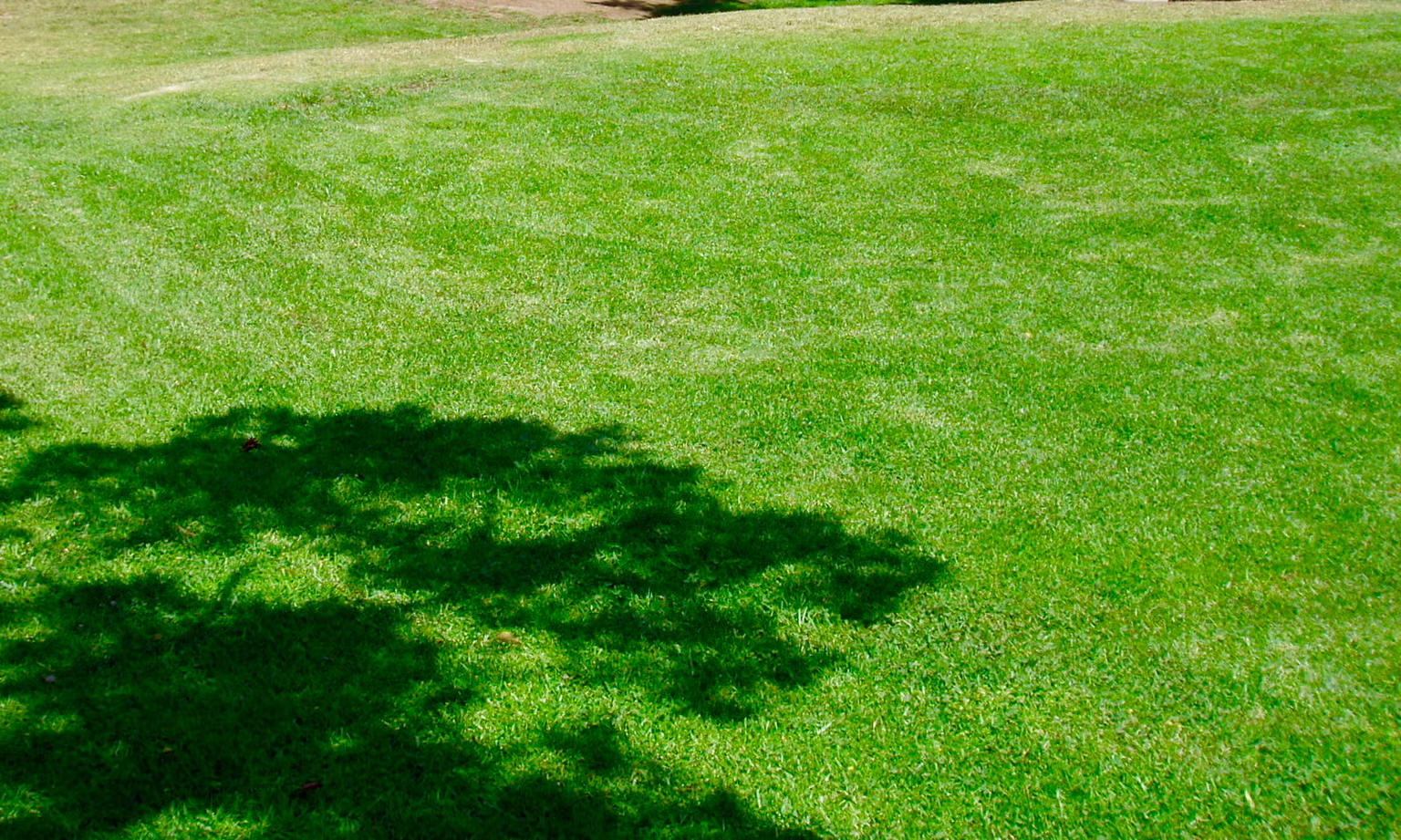
This is the story of a lawn. Not a perfect one done by professionals in ideal conditions with unlimited budget and unlimited time. A real residential lawn on a new construction lot in North Texas started by a homeowner who had never established grass from scratch before made some mistakes learned from them and ended up with a yard they are genuinely proud of.
If you are standing in your bare yard trying to figure out where to start this story is written for you. Every stage is here — the research the decisions the estimate visit the application the anxious first two weeks the moment things started working and the first mow that made the whole project feel worth it.
The starting point: what the yard looked like after construction
The house was finished in late February. The builder handed over keys to a house with a finished interior and a backyard that looked like a construction site — bare compacted clay with visible equipment tracks across it rocks and concrete chunks mixed into the top layer and a grade that sloped slightly toward the back corner in a way that was going to need attention before any grass went down.
The front yard was in slightly better condition — the builder had done some basic grading and there was a thin layer of decomposed granite mulch in the planting beds — but the grass areas were the same bare compacted clay as the backyard.
The first reaction was the same one most new homeowners have — go to the home improvement store buy some grass seed spread it and see what happens. That instinct got researched before it got acted on and the research is what eventually led to hydroseeding.
The research phase: why hydroseeding
A few hours of online research produced the same pattern over and over — homeowners who tried broadcast seeding on new construction lots in Texas and got patchy disappointing results followed by the same homeowners who tried hydroseeding and got reliably better outcomes.
The explanation made sense once it was clear. Bare seed on compacted clay with no protective layer gets displaced by rain dries out between waterings and produces germination that is inconsistent and vulnerable from the start. Hydroseeding delivers seed in a protective mulch layer that holds moisture retains contact with the soil and provides the consistent germination environment that bare seed on a construction lot cannot maintain.
The other factor was cost. Getting quotes for sod on both the front and back yard produced numbers that were significantly higher than expected. The hydroseeding quotes for the same areas were meaningfully less — and the research suggested that properly established hydroseeding produced comparable long-term results.
The estimate visit: what that conversation looked like
Three contractors were contacted. Two provided phone quotes based on square footage without asking to see the property. One scheduled a site visit.
The difference in the estimate visit was immediately apparent. The contractor who came out walked the full yard — both front and back — asked about the construction history asked whether there was an irrigation system asked about the timeline and grass preference and spent time specifically looking at the soil condition and the grade issues in the back corner.
The assessment was honest. The soil was severely compacted and was going to need mechanical loosening before hydroseeding would produce good results. The back corner drainage issue needed to be corrected before any seed went down or it would create a chronic wet spot that would prevent establishment in that section. The topsoil that had been stripped during construction was gone and a thin layer of quality topsoil mixed into the loosened surface would meaningfully improve germination conditions.
None of the other quotes had mentioned any of this. They were application quotes not site assessments.
The written estimate reflected everything discussed — the application cost the skid steer work for compaction relief and grading correction the topsoil addition and the seed type recommendation which was Bermudagrass given the full sun conditions and the late April timing that put the project squarely in the optimal spring window.
The preparation week: what happened before the application
The contractor's crew arrived a week before the application date to do the site preparation. The skid steer work took most of a day — loosening the compacted surface to a depth of four to five inches correcting the back corner grade to drain properly and creating the smooth even seed bed that the application required.
A delivery of quality screened topsoil arrived the following day and was worked into the loosened surface — a two to three inch layer blended into the top of the loosened clay creating a transition zone with much better organic matter content and structure than the native subsoil alone.
The debris removal that had been done before the contractor arrived paid off — the cleared surface allowed the topsoil to be worked in evenly without the obstacles that would have created uneven coverage.
The irrigation system was already installed and operational — a decision that had been made deliberately before the application because trying to manage three-times-daily watering manually through a Texas late April and May was not practical for the household's schedule.
Application day: what the hydroseeding process looked like
The hydroseeder arrived in the morning — a truck-mounted unit with a large tank that held enough mixed slurry to cover the full application area in a single load. The application took about three hours including both the front and back yards.
The characteristic green slurry went down evenly across every section — the edges along the fence line the sections near the house foundation and the areas that had been most difficult to prepare were all covered with the same consistent coverage as the open center of the yard.
Before leaving the contractor walked through the aftercare expectations in detail. The irrigation system schedule to run three times daily during the germination window. The timeline for first sprouts — five to seven days in late April conditions. The restriction on foot traffic — four weeks minimum. The first mow timing at three to four inches. What to watch for and when to call if something looked wrong.
The yard looked vivid green from the mulch dye when the contractor left. It looked like something was already happening. Nothing above ground was happening yet but the biology had started.
Days one through seven: the hardest part
The hardest part of the whole project was days one through seven — not because anything was wrong but because nothing was visible yet and the natural anxiety of having made a significant investment that was now just sitting on the ground waiting produced the urge to do something.
The something available to do was water. The irrigation ran on schedule three times a day and the temptation to run additional sessions or to probe the mulch to check on progress was real and resisted. Checking the mulch condition each morning and evening confirmed that the surface was staying consistently moist between sessions. The contractor had said to check for cracking or pulling away from the surface as a sign of insufficient moisture — neither appeared.
Day six produced the first sprout. One thin green hair emerging from the mulch in a section of the back yard with good afternoon sun. By day seven there were dozens — still scattered still sparse but clearly there and clearly multiplying.
Weeks two and three: watching it work
Week two was when the anxiety lifted. By day ten germination had spread across the majority of both yards — uneven still with some sections clearly ahead of others but the pattern of an establishing lawn rather than a failed seeding.
The mulch was fading from its vivid application-day green toward a lighter more muted color as the fiber dried and began the biodegradation process. The actual grass color — lighter brighter green than the mulch dye — was increasingly visible through the fading mulch layer.
The back yard sections that had been most severely compacted before prep — visible from the slightly different soil color in those areas even after treatment — were slightly behind the front yard in germination density. The contractor had mentioned this was possible and that it would even out as root development compensated for the remaining soil structure differences below the surface prep depth. It did.
Week three looked like a lawn. A young thin lawn with coverage that was clearly establishing but nothing like the finished product — and yet unmistakably the beginning of something that was going to work.
Week four: the first mow
The grass reached three and a half inches in the front yard first — the section that had received the most sun through the establishment period. The decision was made to wait for the back yard to catch up to approximately the same height before mowing rather than mowing the front and waiting on the back.
Both sections reached the mow threshold in the same week. The first mow on a high setting with a freshly sharpened blade produced the first real lawn-looking result — an even green surface that looked finished rather than in-progress.
The feeling after the first mow was one of the more satisfying home improvement moments of the year. Six weeks from bare construction clay to mowed established green lawn.
The first summer: what year one actually looked like
The first summer tested the establishment in ways that the first six weeks did not. A dry stretch in late June that required increasing irrigation frequency. Chinch bug pressure in one section of the back yard in July that was caught early and treated before significant damage occurred. The general demand management of keeping a first-year lawn adequately watered through August without being on vacation or traveling for more than a few days at a stretch.
The lawn held. The root development from the spring establishment — supported by the progressive deepening of irrigation sessions through the growing season — produced a lawn that handled the summer stress better than the bare construction lot of February had suggested was possible.
There were thin sections in the back corner near where the drainage correction had been most significant — sections that needed a touchup application in the following spring to fill in completely. The front yard went into fall dormancy with uniform coverage and no significant bare areas.
Year two: the compounding return
Year two is when the investment in year one became clearly visible. The spring green-up in April was uniform and vigorous across both yards — the root system established in year one generating the aggressive early-season growth that established Bermuda produces when it has the depth to draw on.
The summer of year two required meaningfully less irrigation management than year one — the roots had reached the depth where they accessed soil moisture from below the rapid-evaporation surface zone between watering sessions. The lawn that had needed three sessions daily in its first summer managed well on two sessions per week through the second summer with supplemental sessions only during the hottest two-week stretches.
The touchup application in the back corner filled the thin sections that had persisted from year one. By mid-summer year two the full yard — front and back — was the uniform dense green lawn that the bare construction lot of February year one had not suggested was possible.
What the whole experience taught
Looking back from the perspective of a second-year established lawn the things that made the difference are clear.
The site preparation investment — the skid steer work the topsoil addition the drainage correction — was the single most important decision. The yards that go through the same process without adequate prep produce the patchy results that broadcast seeding on unprepared construction lots produces. The prep is invisible in the finished result and it is what makes the finished result possible.
Choosing the contractor who walked the property was the right decision. The phone-quote contractors who never saw the yard could not have assessed the compaction the drainage issue or the topsoil condition that shaped the preparation scope. The site visit contractor knew what the project needed before any work began.
The watering commitment in the first two weeks was genuinely harder than expected. Three sessions per day through late April and into May with Texas heat building — not impossible but it required the automatic irrigation system to be operational and properly programmed before application day. Relying on manual watering management for that schedule would have produced gaps.
Patience through the first week — resisting the urge to intervene before the biology had time to work — was the emotional discipline that protected the process from the anxiety that drives the interventions that damage establishing lawns.
The bottom line on the whole journey
From bare construction clay to established mowed green lawn took six weeks. From first-year establishment to the resilient low-maintenance lawn that handles summer without intensive management took two years. Both timelines were exactly what the biology of the process allows — not faster but also not slower when the preparation the establishment and the first-year management were all done right.
The journey is not complicated. The preparation matters more than anything else. The contractor who walks the property knows things the one who quotes by phone does not. The watering commitment in the first two weeks determines the germination result. Patience through the establishment window protects the investment from the anxiety that damages it. Year one management compounds into year two performance.
Those are the things that made this lawn work. They are the things that make every lawn work.

Ready to start your own journey from bare dirt to established lawn?
Fox Hydroseeding LLC personally walks every property before making a recommendation and handles every step of the process from site assessment through application and aftercare guidance. Owner-operated means the person who assesses your yard is the person accountable for your result.
Get Your Free Estimate → foxhydroseeding.com/contact
Bring Your Property to Life With Expert Hydroseeding
Find Us On


Email address

Phone Number

