


Five signs it is time to stop overseeding and start over with your lawn
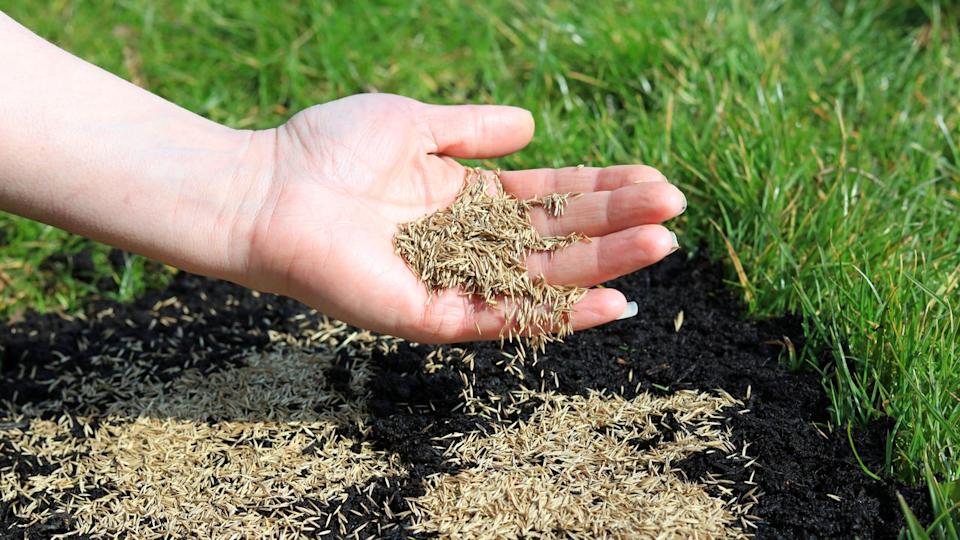
Overseeding is the right approach for a lawn that needs supplemental help — a thin section here a worn patch there the kind of maintenance intervention that keeps a fundamentally healthy lawn at its best. But overseeding is not the right approach for every situation and continuing to overseed a lawn that needs something more significant produces the kind of incremental improvement that never quite gets the lawn to where you want it to be.
For some lawns the honest answer is that overseeding is not going to get you there. The underlying conditions that are limiting the lawn are more significant than broadcast seed applied over the existing surface can address. Starting over — killing or clearing the existing coverage and establishing fresh from a properly prepared surface — produces a result that years of overseeding the same struggling lawn never will.
Here are the five clearest signs that your lawn has crossed the line from overseed territory into start-over territory.
Sign one: you have overseeded the same sections three or more times without lasting improvement
Persistence is a virtue in most contexts. In lawn care repeated application of the same approach that has not worked is a signal worth taking seriously. If you have overseeded the same bare or thin sections of your yard three or more times over two or more seasons and those sections keep returning to the same poor condition within months of each application the overseeding is not solving the problem — it is temporarily masking it.
Overseeding produces temporary improvement in areas where the underlying conditions can support the new seed long enough for it to establish and persist. When those same areas thin out and fail within a season of every overseeding attempt the underlying conditions are not supporting establishment regardless of how well the seed germinates initially.
The repeated overseeding cycle feels productive because improvement is visible right after each application — the fresh seed germinates the coverage looks better for a season and then the same sections fail again. Each cycle provides enough improvement to justify the next attempt without ever addressing what is causing the failure in the first place.
Starting over — with proper site preparation that identifies and corrects the underlying cause — changes the conditions rather than reapplying seed to conditions that keep producing the same outcome. The investment in a fresh start is almost always less than the accumulated cost of the repeated overseeding attempts it replaces.
Sign two: the lawn has more bare ground or weeds than grass
Coverage math is one of the most reliable indicators of whether a lawn is in overseeding territory or renovation territory. When bare ground and weeds together account for more than half the surface area of the yard the lawn has crossed a threshold where overseeding is unlikely to produce the quality result most homeowners are after.
Overseeding works by supplementing existing healthy grass with new seed — the new grass fills in around the existing lawn and the combined coverage improves. When the existing coverage is less than half the surface there is not enough functional lawn to provide the base that overseeding supplements. New seed goes onto bare ground or into the gaps between weedy patches without the established grass base that supports competitive establishment in a way that produces a lasting quality result.
Weeds are particularly problematic in this calculation. Seeding into an area with significant weed pressure puts new grass seed in direct competition with established weedy plants that have a head start in root development nutrient access and growing space. The new grass rarely wins that competition without the population advantage that a properly prepared and densely seeded fresh start provides.
Starting over — killing the existing cover through herbicide application or mechanical removal allowing adequate time for the treated material to die back and then hydroseeding a properly prepared surface — establishes new grass without the competition from existing weeds and without the limitation of sparse existing coverage that overseeding must overcome.
Sign three: the soil has never been properly prepared
Most lawns that repeatedly fail and repeatedly get overseeded have one thing in common — the soil they were established on was never properly prepared before any of the seeding attempts. The preparation work that determines whether a lawn establishment succeeds — compaction relief debris removal topsoil quality improvement drainage correction — has never been done. Every overseeding attempt has been an application-only approach on a surface that the seed cannot succeed on regardless of how carefully the application and aftercare are managed.
You may recognize this situation if the lawn was established on a new construction lot where topsoil was stripped during building and compacted subsoil was left at the surface. Or if the property has been sodded or seeded multiple times with preparation limited to surface raking at best. Or if the yard has visible drainage problems low spots that stay wet persistent dry areas that no amount of irrigation seems to fix or clay soil that is clearly compacted and poorly structured.
Overseeding on unaddressed soil problems produces thin establishment on poor soil year after year. The seed germinates adequately but the root environment never supports the deep root development that makes a lawn persist through seasonal stress. Each growing season the lawn thins to the same inadequate coverage it started from.
Starting over creates the opportunity to do the preparation that was never done — to loosen compacted soil improve topsoil quality address drainage and create the growing environment that the lawn has been trying to establish in for years without adequate conditions. The fresh start is not just a new seeding — it is the first seeding on properly prepared soil that the property has ever had.
Sign four: the lawn has significant thatch buildup that overseeding cannot penetrate
Thatch is the layer of dead and dying organic material that accumulates between the soil surface and the living grass above it. A thin thatch layer is normal and beneficial — it moderates soil temperature and moisture. Thatch buildup beyond half an inch creates a barrier that overseeding cannot effectively penetrate.
Seed broadcast onto a lawn with significant thatch buildup lands in the thatch canopy rather than on the soil. It may germinate in the thatch for a brief period but without soil contact the developing roots find no soil to penetrate and the seedlings die before establishing. The overseeding produces the appearance of germination followed by thin or failed establishment — a pattern that repeats as long as the thatch barrier remains.
Power dethatching removes the thatch layer and creates the soil contact that overseeding requires to produce lasting results. For lawns with severe thatch buildup the power dethatching process itself can be disruptive enough that it essentially creates the bare surface conditions that warrant a full renovation rather than overseeding — the thatch removal tears up enough of the existing surface that starting fresh with proper hydroseeding on the cleared area is more efficient than overseeding the disrupted surface.
If your lawn has thatch buildup that has been accumulating for years without being addressed a renovation that includes thorough mechanical thatch removal and properly supported fresh hydroseeding will produce better results than another overseeding cycle onto the same compacted thatchy surface.
Sign five: the lawn has not responded to reasonable inputs over a full growing season
A lawn that has received appropriate irrigation appropriate fertilization and routine maintenance through a full growing season without meaningful improvement is a lawn with conditions that inputs cannot fix. Nutrients that are applied but cannot be taken up by stressed shallow-rooted grass. Water that is applied but drains too quickly through sandy soil or runs off compacted clay before reaching roots. Mowing that maintains but cannot drive the density improvement the lawn needs.
When maintenance inputs are not producing maintenance results over a sustained period the problem is structural rather than nutritional or management-related. The solution is structural correction — renovation that addresses the underlying conditions — not continued application of inputs that are not reaching the conditions they are intended to support.
A full growing season of adequate inputs with no meaningful improvement is the most definitive sign that overseeding is not the answer. The lawn is telling you through its response to inputs — or lack of response — that the conditions beneath the surface are limiting what any surface-level intervention can achieve.
What starting over actually looks like
Starting over with a failing Texas lawn does not have to mean a complex or expensive process. For most residential properties it means a clear sequence of steps that creates the fresh start the lawn has needed.
Kill or remove the existing cover. A non-selective herbicide application two to three weeks before the new seeding kills the existing grass and weeds and allows time for die-back before the preparation work begins. This step eliminates the weed competition and the struggling existing grass that would otherwise compete with new seed from a disadvantaged position.
Correct the preparation problems that previous attempts skipped. Mechanical compaction relief topsoil quality improvement debris removal drainage correction. These are the preparation investments that change the conditions for the new seeding rather than just changing the seed.
Hydroseed the prepared surface in the appropriate seasonal window for the chosen grass type. The properly prepared surface clean of existing competition and corrected of underlying conditions gives the hydroseeding application the environment it needs to produce the establishment that all the previous overseeding attempts could not.
Commit to the establishment management. The watering schedule the foot traffic restriction the patience through the germination window. The fresh start only delivers if the establishment period is managed correctly.
The bottom line on when to stop overseeding
Overseeding is the right tool for a lawn that needs supplemental help. It is not the right tool for a lawn with underlying conditions that prevent the seed from succeeding regardless of how carefully it is applied. Recognizing the difference between those two situations is the decision that separates the homeowner who breaks the cycle from the one who keeps repeating it.
If your lawn shows the signs described in this guide the most valuable thing you can do is stop applying seed to the problem and start addressing the conditions that have been causing every previous attempt to fall short of what you were hoping for.

Have a lawn that has been overseeded multiple times without lasting improvement?
Fox Hydroseeding LLC assesses every property personally and gives you an honest evaluation of whether your lawn needs overseeding maintenance or a fresh start renovation. We identify what has been limiting the results before recommending a solution.
Get Your Free Estimate → foxhydroseeding.com/contact
Bring Your Property to Life With Expert Hydroseeding
Find Us On


Email address

Phone Number

