


Fertilization and hydroseeding — what goes in the mix and why it matters for your establishment
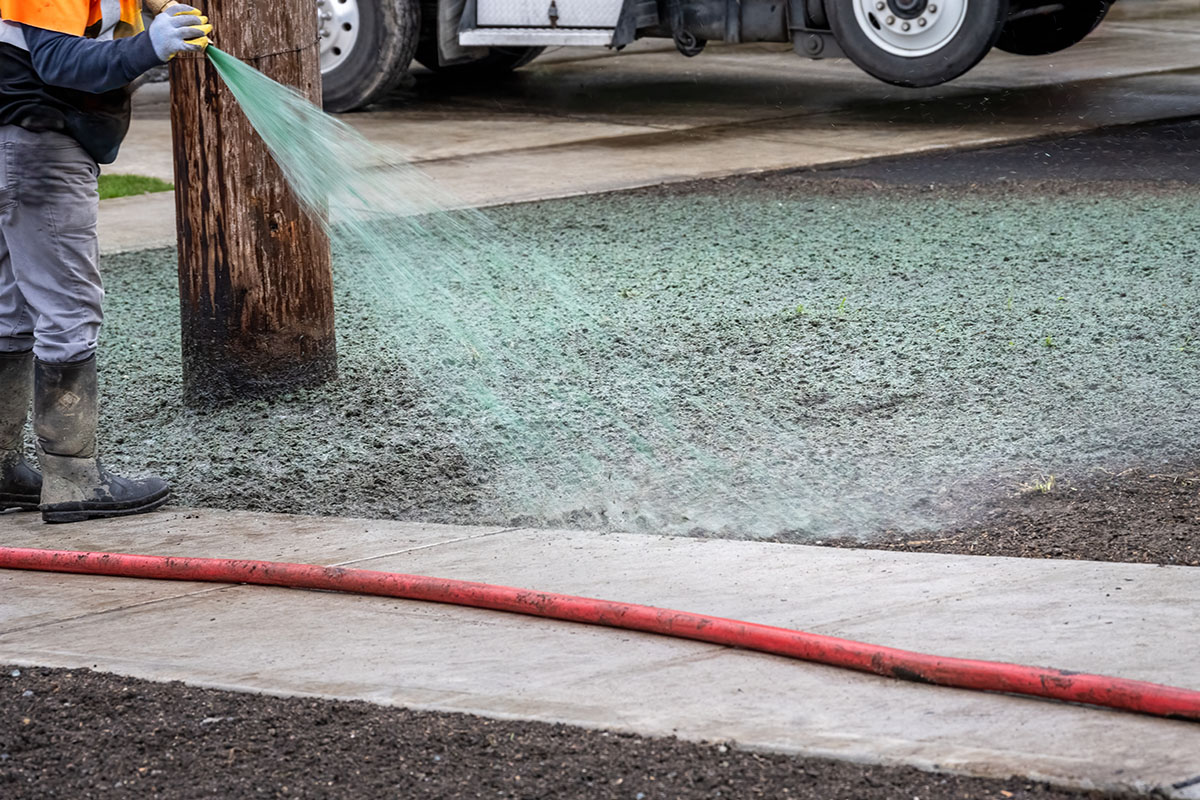
The fertilizer component of a hydroseeding slurry is the nutrition element that supports germinating seed and developing seedlings during the most critical phase of their development — the period between germination and the point where the root system has developed enough depth to access the soil-stored nutrients that the mature lawn draws on. Getting the fertilizer component right in the slurry mix produces establishment quality improvements that the wrong fertilizer type or inadequate fertilizer quantity cannot replicate regardless of seed quality mulch quality or application execution.
Why starter fertilizer is different from general lawn fertilizer
Starter fertilizer is specifically formulated to support seed germination and early seedling development — it is not the same as the nitrogen-focused maintenance fertilizer that supports established lawn growth. The nutrient profile that starting establishment requires differs fundamentally from the nutrient profile that mature lawn maintenance requires.
Phosphorus is the primary nutrient that seed germination and root development specifically require. Phosphorus supports the cell division and energy transfer processes that germination depends on and the root cell development that drives early root growth. The high phosphorus content of starter fertilizer — typically expressed as a high middle number in the N-P-K analysis like 10-20-10 — reflects the specific nutritional requirement of germinating seed.
A general lawn maintenance fertilizer with high nitrogen and low phosphorus — like 30-0-5 — provides the nitrogen that established grass uses for top growth but does not provide the phosphorus that germinating seed specifically requires for root development. Using general lawn fertilizer in the hydroseeding slurry rather than starter fertilizer mismatches the nutrient delivery to the developmental need — providing excess nitrogen that can stress young seedlings and inadequate phosphorus that limits root development.
How fertilizer quantity in the slurry affects establishment
The quantity of starter fertilizer in the hydroseeding slurry affects establishment quality through the soil nutrient availability at the germination zone during the critical first four to six weeks of development.
Adequate starter fertilizer in the slurry places the phosphorus and other nutrients directly at the soil surface where germinating roots can access them immediately — the localized nutrient delivery that the slurry provides is more efficient than incorporating the same nutrients as a broadcast surface application that dilutes through a larger soil volume.
Insufficient starter fertilizer in the slurry — either from using a reduced quantity to lower material costs or from using a product with lower nutrient content than the application requires — produces the slower germination and slower root development that nutritional support at the germination zone provides. The visual difference is subtle in the first week but more apparent by weeks two and three when the well-nourished seedlings develop faster than the nutritionally limited ones.
Excessive starter fertilizer in the slurry creates the salt stress that concentrated nutrients in close contact with germinating seed can produce — the opposite of the benefit that appropriate application rates provide. Quality hydroseeding contractors calibrate the starter fertilizer rate to the application area and the specific product's nutrient concentration — not adding more in the belief that more nutrition produces faster results.
The fertilization program that follows the hydroseeding application
The starter fertilizer in the slurry provides adequate nutrition for the first four to six weeks of establishment — the period from germination through the early post-mow growth stage when the lawn is transitioning from establishment management to growing season management.
After the starter fertilizer effect from the slurry is exhausted the fertilization program transitions to the seasonal maintenance fertilization that supports the active growing lawn. The first post-establishment fertilization should be a balanced product — not the aggressive high-nitrogen application that pushes excessive top growth at the expense of the root development that the young lawn should be building through the first growing season.
The timing of the first post-establishment fertilization — after the third or fourth mowing rather than immediately after establishment — ensures the lawn has developed enough root depth and establishment maturity to process the additional nutrients efficiently rather than creating the salt stress that fertilization too close to the establishment period can produce.

Want to make sure the fertilizer component of your hydroseeding application is right for your establishment?
Fox Hydroseeding LLC uses quality starter fertilizer at appropriate rates in every application and walks every homeowner through the post-establishment fertilization program before leaving the job site.
Get Your Free Estimate → https://foxhydroseeding.com/contact-us
Bring Your Property to Life With Expert Hydroseeding
Find Us On


Email address

Phone Number

