


Curb appeal starts with the lawn — how to get the front yard your home deserves
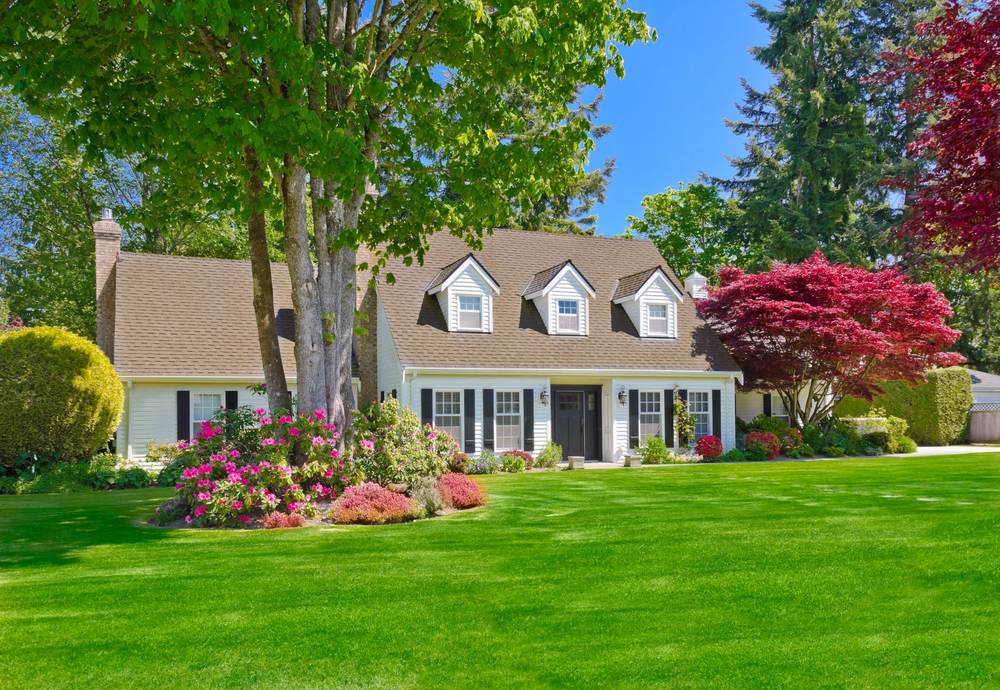
Before anyone sees your landscaping your flower beds your paint color or your front door they see the lawn. The grass is the canvas that everything else sits on and when it is bare patchy or struggling it undermines the appearance of everything around it regardless of how much effort has gone into the other elements of the front yard. When it is thick green and healthy it elevates everything — the house looks more maintained the landscaping looks more intentional and the property makes the kind of first impression that affects everything from neighborhood perception to home value.
For most homeowners with a bare or struggling front lawn the gap between the yard they have and the yard they want feels larger than it actually is. The timeline from bare dirt to an established green front lawn through hydroseeding is four to six weeks. The investment is significantly less than most curb appeal improvements that produce equivalent visual impact. And the result is not just cosmetic — a properly established lawn improves with every season as the root system matures and the turf density increases.
This guide covers everything that goes into a front yard lawn transformation — the assessment the preparation the grass selection and the establishment approach that produces the curb appeal result most homeowners are after.
What curb appeal actually comes down to
Real estate professionals have measured curb appeal's impact on home value and sale speed consistently and the results are not surprising — properties with well-maintained lawns sell faster and at higher prices than comparable properties with neglected outdoor spaces. The lawn is the single most visible element of a property's exterior and its condition sets the first impression that influences every subsequent perception.
For homeowners who are not selling the curb appeal motivation is different but equally real. The front yard is what you see every time you come home. It is what your neighbors see every day. It is what visitors and delivery personnel see when they approach the house. A front yard that looks neglected creates a persistent low-level dissatisfaction that a front yard that looks cared for resolves — and the resolution is not expensive or complicated when the right approach is taken.
The grass is where curb appeal starts because it is the most surface area visible from the street and the element whose condition most immediately signals whether the property is maintained or not. Excellent landscaping in flower beds cannot compensate for a bare or struggling lawn surrounding them. An established thick green lawn makes even modest landscaping look intentional and well-kept.
Assessing the current condition of your front yard
Before deciding on an approach spend time honestly assessing what you are actually working with. The assessment drives every subsequent decision and doing it accurately produces better outcomes than proceeding on assumptions.
Coverage is the first thing to assess. What percentage of the front lawn surface has living actively growing grass versus bare ground dead material or weeds. More than fifty percent bare or dead is full renovation territory. Less than fifty percent bare with scattered thin sections is potential overseeding territory with proper preparation. Understanding which situation you are in determines whether a targeted repair or a complete renovation is the right approach.
Soil condition is the second assessment. How hard is the surface underfoot. Does water soak in after irrigation or run off the surface. Is there visible construction debris mixed into the surface layer. On a new construction property or a property that has had significant landscaping or hardscape work the soil condition may be more compromised than the surface appearance suggests.
Sun exposure across the front yard is the third assessment. Most front yards have a mix of full-sun areas in the open center and shaded areas near the house under trees or along the north-facing fence line. The sun exposure in each section of the front yard drives the grass type recommendation — planting Bermuda in sections that receive inadequate sun produces the progressive thinning that undermines the curb appeal goal regardless of how good the establishment was.
Drainage patterns are the fourth assessment. Are there sections of the front yard that pool water after rain or irrigation. Are there sections that dry out faster than surrounding areas despite consistent watering. Both conditions affect establishment and long-term lawn performance in sections where they occur.
Why front yard establishment is different from other areas
Front yards have specific characteristics that affect the establishment approach and the ongoing management in ways worth accounting for before the project begins.
Visibility creates a different expectation management dynamic. The green mulch mat of a fresh hydroseeding application on the front yard is visible from the street to every neighbor and passerby for four to six weeks. Understanding what the front yard will look like during the establishment window — and communicating that context to anyone who might be concerned about the appearance during the project — prevents misunderstanding and manages the temporary appearance gap between the application and the finished result.
Street and sidewalk proximity creates specific preparation considerations. The soil in parkway sections — the grass between the sidewalk and the street — is often more compacted than the main lawn area from pedestrian traffic vehicle overhang and years of surface pressure. These sections typically need more targeted compaction relief before hydroseeding produces reliable establishment.
HOA requirements in many DFW neighborhoods include front lawn appearance standards that may affect the project approach timeline or grass selection. Knowing the applicable requirements before beginning prevents the situation of establishing a lawn that does not meet community standards.
Traffic from pedestrians delivery personnel and service workers crosses front yards constantly. Planning the foot traffic restriction during the establishment period for a front yard requires considering these external sources of traffic rather than just household members and pets.
The preparation that makes the curb appeal difference
The difference between a front yard transformation that delivers the curb appeal result and one that produces marginal improvement that gradually disappoints is almost entirely in the preparation that happens before any seed goes down.
For a front yard in good soil condition being renovated after thinning or seasonal damage the preparation is typically moderate — dethatching if thatch buildup is present aerating compacted sections correcting any minor drainage irregularities and clearing surface debris.
For a front yard on a new construction lot or one that has experienced significant disturbance the preparation is more extensive — mechanical loosening of compacted surface soil through aeration or more significant equipment work topsoil addition in sections where the surface quality is genuinely poor debris removal that may require significant effort on construction-affected surfaces and grade correction if drainage patterns need adjustment.
In both cases the surface the hydroseeding application lands on determines what the lawn is capable of becoming. A properly prepared front yard surface hydroseeded with quality seed and managed correctly through establishment becomes the curb appeal lawn the homeowner envisioned. An inadequately prepared surface produces the thin patchy result that looks like a failed application but was actually a preparation failure.
Grass selection for front yard curb appeal
Grass selection for a front yard curb appeal goal should balance appearance performance through the visible seasons sun exposure match and the maintenance demands that the homeowner can realistically sustain.
For full-sun front yards in the DFW area Bermudagrass is the right choice for most homeowners seeking the classic thick green curb appeal lawn through spring summer and fall. Its dense growth habit is the visual characteristic that makes established Bermuda one of the most attractive residential lawns available for Texas conditions. Properly established and maintained Bermuda in full sun is the lawn that produces the curb appeal result most homeowners picture.
For front yards with significant shade from street trees mature landscape trees or the orientation of the house Tall Fescue established in fall is the appropriate choice for the shaded sections. A Fescue front lawn stays green through winter when Bermuda is dormant and brown — a curb appeal advantage in neighborhoods where winter appearance matters for HOA compliance or personal preference.
For homeowners who want year-round green color on a Bermuda lawn fall Ryegrass overseeding is the standard approach in the DFW market — providing winter color during the Bermuda dormancy period without changing the permanent grass type. The result is a front lawn that is green through twelve months of the year rather than just the eight months that Bermuda provides without overseeding.
The hydroseeding process for front yard establishment
The hydroseeding process for a front yard application is the same as for any residential application — the slurry of seed mulch fertilizer tackifier and water is applied evenly across the prepared surface by the contractor. The application day experience from the homeowner's perspective is straightforward — the contractor arrives the application is completed in a few hours and the front yard is covered in the characteristic green mulch layer when they leave.
The front-yard-specific considerations for the application day are access and neighbor courtesy. The contractor will need street access or driveway access for the equipment — confirming that parking space is available before application day prevents the situation where equipment cannot position optimally because parking conditions on the day were not anticipated.
If neighbors are likely to be affected by the equipment presence — street lane narrowing on a tight residential street sound of equipment during morning application hours — a brief courtesy heads-up the day before is the kind of neighborly gesture that maintains the goodwill that a new curb-appeal front lawn is intended to project.
Managing the establishment window in a visible front yard
The four to six weeks from application to established front lawn require the same foot traffic restriction and watering commitment that any hydroseeding establishment requires — with the additional consideration that the front yard is the most publicly visible part of the property during this period.
Temporary signage at the street edge of the front yard indicating that lawn establishment is in progress is both a practical foot traffic management tool and a communication to neighbors and passersby that the mulch-covered surface is a lawn in progress rather than a neglected yard. Most people will respect a clear visible indication of active lawn establishment — the sign removes ambiguity and manages the temporary appearance gap with context.
Watering the front yard establishment requires the same commitment as any establishment — two to three sessions per day during the germination window for Texas conditions. For front yards with well-designed automatic irrigation covering the full area including the parkway section the watering commitment is managed by the system rather than by daily manual attention. For front yards with irrigation coverage gaps or without automatic irrigation the manual watering plan needs to cover the full front yard area including the sections most distant from hose connections.
What the finished front yard delivers
An established hydroseeded front lawn four to six weeks after application looks like what it is — a real lawn that has grown from seed in the soil of the property and is continuing to develop the root depth and turf density that improves through every subsequent growing season.
The curb appeal improvement is immediate and significant. The bare dirt that was embarrassing to look at is replaced by green coverage that is clearly establishing and heading toward the finished result. The patchy thin lawn that undermined the appearance of the house is replaced by coverage that is beginning to deliver the uniform green canvas that makes everything else about the property's appearance work better.
By the end of the first full growing season a properly established front lawn is delivering the curb appeal result that motivated the project. By year two and year three as the root system matures and the turf density increases the front lawn is one of the most reliable and highest-value elements of the property's exterior appearance — maintained not through heroic ongoing effort but through the reasonable seasonal care that a well-established lawn requires.
The bottom line on curb appeal and the front lawn
The gap between the front yard you have and the front yard you want is four to six weeks and a quality hydroseeding application on a properly prepared surface. The investment in terms of both money and time is modest relative to the visual impact of the result and the ongoing value that a well-established lawn delivers through every season it is in the ground.
The preparation matters. The grass selection for the actual conditions of the front yard matters. The establishment management through the four-week window matters. Get those three things right and the front yard delivers the curb appeal result that has been the goal from the beginning.

Ready to transform your front yard and get the curb appeal your home deserves?
Fox Hydroseeding LLC handles front yard hydroseeding projects across the DFW area and personally walks every property before making a preparation and grass recommendation. Every estimate is handled by the owner.
Get Your Free Estimate → foxhydroseeding.com/contact
Bring Your Property to Life With Expert Hydroseeding
Find Us On


Email address

Phone Number

